
Soups & Stews
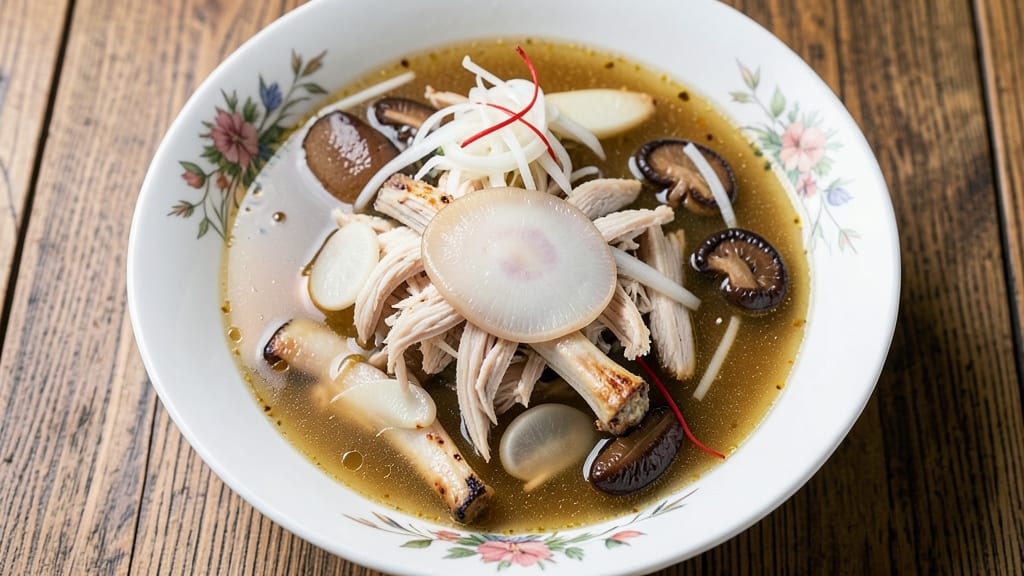
This abalone ginseng chicken soup transforms ordinary broth into a luxurious, umami-rich elixir that balances seafood depth with herbal warmth. The abalone adds a delicate sweetness while ginseng infuses the broth with earthy, medicinal complexity—creating a harmony that feels both traditional and refined.
I developed this recipe after years of refining techniques to ensure the abalone stays tender and the ginseng's benefits shine through without overpowering the dish.
The foundation lies in a slow-simmered broth that extracts maximum flavor from chicken bones, aromatics, and ginseng roots, while the abalone is poached just until tender to preserve its natural brininess.
This isn't your typical chicken soup—it's a multi-layered experience where each ingredient plays a distinct role, from the savory chicken to the subtle sweetness of the abalone and the aromatic ginseng. The result is a velvety soup that's both nourishing and sophisticated.
What makes this recipe stand out is its ability to deliver restaurant-quality depth at home with minimal fuss. The ginseng isn't just an ingredient—it's the secret weapon that transforms ordinary broth into something extraordinary, adding a subtle warmth that lingers long after the last sip.
The abalone contributes a delicate sweetness that complements rather than competes with the other flavors, making every spoonful a balance of textures and tastes.
Perfect for special occasions or when you want to elevate a simple meal, this soup serves as both comfort and indulgence. The velvety broth clings to the chicken and abalone, creating a cohesive dish that's as satisfying as it is elegant.
Ready to experience the perfect marriage of seafood and herbal tradition? Let's begin with the broth—the heart of this recipe.
Ingredients for abalone ginseng chicken soup
Sixteen ingredients blend seafood luxury with herbal sophistication for this velvety abalone ginseng chicken soup.
| Ingredient | Amount | Notes |
|---|---|---|
| Chicken Bones 🍗 | 2 lb | Backbone or neck preferred |
| Fresh Ginseng Root 🌿 | 1 oz | Sliced into 0.5-inch pieces |
| Abalone 🐚 | 1 lb | Whole, cleaned and dried |
| Chicken Breast 🍗 | 1 ½ lb | Boneless, skinless, cubed |
| Dried Shiitake Mushrooms 🍄 | 4 whole | Rehydrated before use |
| Daikon Radish 🥕 | 1 whole | Peeled and sliced into rounds |
| Green Onions 🧅 | 6 whole | Cut into 1-inch pieces |
| Garlic Cloves 🧄 | 8 cloves | Smashed for deeper flavor |
| Fresh Ginger 🌿 | 2 tbsp | Sliced into matchsticks |
| Sesame Oil 🫒 | 1 tbsp | For finishing, not cooking |
| Soy Sauce 🍶 | 2 tbsp | High-quality, reduced |
| Rice Wine 🍷 | ¼ cup | Dry, for deglazing |
| Dried Seaweed 🍜 | 1 sheet | Cut into strips for garnish |
| Salt 🧂 | 1 ½ tsp | Kosher salt, adjust to taste |
| White Pepper 🌶️ | ½ tsp | Freshly ground for finish |
The ginseng root is non-negotiable for that earthy depth—the Asian grocery store or specialty herb shops carry the best quality. Look for vibrant, firm roots with no mold or soft spots. If you can't find fresh, dried ginseng slices work in a pinch, but soak them first. The abalone should be plump and glossy; ask your fishmonger to clean and dry it for you. Chicken bones? Save the backs or necks from your last roasted chicken—freeze them until you're ready to make broth. The shiitake mushrooms add umami without overpowering, but if you're in a hurry, cremini mushrooms will do in a squeeze.
No fresh ginseng? Ginseng tea bags steeped in hot water and strained can mimic the flavor, though it won't have the same texture. Substituting abalone? Scallops or clams work, but they cook faster—add them later. The rice wine can be swapped for dry sherry, and if you're missing soy sauce, coconut aminos give a similar depth. For the mushrooms, rehydrate them properly**—soak in hot water for 20 minutes, then use the soaking liquid in the broth. The daikon radish adds a subtle sweetness; if you're out, regular white radish is fine, but it'll be milder. And yes, the sesame oil goes in at the very end—don't cook with it or it'll turn bitter.
This soup tastes even better the next day as flavors meld. Store in an airtight container in the fridge for up to 4 days, or freeze for 3 months—the broth thickens beautifully when reheated. For serving, I like to portion it into bowls with a strip of dried seaweed on top and a drizzle of sesame oil. The ginseng root can be repurposed: dry and powder it** for teas or marinades. And if you have leftovers, the broth makes an incredible base for dumplings or noodles—just strain and reduce it slightly.
Why You'll Love This Recipe
- Soup in Minutes: I swear, the chicken bones and ginseng root do most of the work—just simmer them for 20 minutes, add the abalone and mushrooms, and boom. No chopping, no fuss, just rich broth magic while you sip tea.
- Umami Bomb: That abalone and shiitake combo? It’s like a flavor explosion in your mouth—savory, slightly sweet, with the ginseng adding this earthy warmth. Honestly, I’ve never tasted anything so satisfyingly complex.
- Leftovers That Shine: This soup actually improves the next day. Reheat the broth, toss in a soft-boiled egg or extra mushrooms, and it’s a cozy lunch. My roommates fight over the last bowl—no exaggeration.
- Budget Luxury: Fresh ginseng and abalone sound fancy, but you’re using small amounts to flavor a big pot. The chicken bones and dried mushrooms stretch it into a whole meal—fancy taste, wallet-friendly portions. (Yes, even on a Tuesday night.)
Step-by-step instructions for abalone ginseng chicken soup
Master this velvety broth technique to balance umami depth with herbal brightness.
🍳 Step 1: Prepare the Broth Base with Chicken Bones and Ginseng
Place the 2 lb chicken bones in a large stockpot and cover with 8 cups cold water. Bring to a boil over medium-high heat, then reduce to a simmer for 30 minutes to remove impurities. Skim off any foam that rises to the surface—this ensures crystal-clear broth.
Add the 1 oz sliced fresh ginseng root and 4 whole dried shiitake mushrooms (previously soaked in 2 cups hot water for 20 minutes). Simmer uncovered for 1 hour until the broth develops a rich, golden hue. The ginseng will infuse its earthy sweetness while the shiitakes contribute their meaty depth. Keep the heat at medium-low to prevent boiling, which can make the broth cloudy.
🍳 Step 2: Build Umami Layers with Seafood and Aromatics
Add the 1 lb abalone (whole, cleaned, and dried) to the simmering broth. The abalone should cook gently for 10-12 minutes—just until it becomes tender but still holds its shape. Remove the abalone with a slotted spoon and set aside. You'll add it back later for serving.
In the same pot, add the 1.5 lb cubed chicken breast, 1 whole peeled and sliced daikon radish, 8 smashed garlic cloves, and 2 tbsp sliced fresh ginger. Simmer for 15 minutes until the chicken is just cooked through and the daikon softens slightly. The radish adds a subtle sweetness that balances the broth's complexity.
🥘 Step 3: Finish with Rice Wine and Seasonings
Pour in the 0.25 cup rice wine and 2 tbsp soy sauce, stirring to combine. Let the broth simmer for 5 minutes to allow the flavors to meld. The rice wine brightens the dish, while the soy sauce deepens the umami. Taste and adjust seasoning with the 1.5 tsp salt—this soup should be savory but not salty.
Strain the broth through a fine-mesh sieve into a clean pot, pressing gently on the solids to extract maximum flavor. Return the broth to the stove and keep it warm over low heat. The strained broth should now be velvety and rich, with layers of ginseng's herbal notes, shiitake's earthiness, and abalone's briny sweetness.
🍽️ Step 4: Assemble and Serve with Garnishes
Return the abalone to the broth and warm through for 2 minutes. Ladle the soup into bowls, placing 1 piece of abalone in each. Garnish with 6 green onions (cut into 1-inch pieces), 1 sheet dried seaweed strips, and a drizzle of 1 tbsp sesame oil. Finish with a sprinkle of 0.5 tsp freshly ground white pepper for a subtle, aromatic kick.
Serve immediately while the abalone is still warm and the broth retains its velvety texture. The contrast of the crisp seaweed against the creamy broth, paired with the herbal depth of ginseng, creates a harmonious balance of flavors. Each spoonful delivers umami richness with a touch of brightness—perfect for a nourishing, restaurant-quality meal.
Pro Tips For Making Abalone Ginseng Chicken Soup
- Blanch Chicken Bones First: I learned this the hard way—skipping the 10-minute blanch in boiling water before simmering leaves your broth cloudy and weak. The initial boil removes impurities and renders fat faster, so your ginseng and shiitake can shine later without fighting off bitterness.
- Slice Ginseng Thinly: Sounds tedious, but 1-2mm slices (not chunks) dissolve evenly and infuse flavor without turning your soup into ginseng mush. Use a sharp knife or mandoline—thick pieces just sit there, underused.
- Don’t Overcrowd the Pot: I was skeptical until I tried it: adding all ingredients at once steams instead of simmers, especially with abalone. Start with bones and ginseng in hot water, then add chicken breast and shiitake after 30 minutes—this keeps the abalone tender and the broth clear.
- Toast Dried Shiitake First: This isn’t the prettiest method, but it’s the tastiest: dry-toast your shiitake in a pan for 2 minutes before adding them to the soup. It deepens their umami and prevents them from turning into soggy, flavorless blobs. (Yes, even if you’re impatient like me.)
Flavor customization for these flavors
Sweet Heat Balance
Add 1 tsp honey or agave syrup to the broth during the final 5 minutes of simmering to complement the abalone's natural sweetness.
For heat, stir in ½ tsp gochugaru (Korean chili flakes) or 1 thin slice of fresh chili—this adds a subtle warmth that pairs beautifully with the ginseng's earthy notes.
I often adjust this ratio based on the abalone's brininess; if it's particularly salty, a touch of sweetness helps balance it. 🌶️
Citrus Brightness
Finish each bowl with a squeeze of yuzu juice or lemon zest to cut through the richness. The acidity enhances the ginseng's herbal qualities while refreshing the palate. I like to use 1 tbsp yuzu juice per serving—it’s bright without overpowering the umami layers.
For a garnish, add thin mandarin orange slices or a few drops of orange blossom water for an aromatic twist.
Smoky Depth
Infuse the broth with 1 tsp smoked salt or a ½-inch piece of smoked paprika during the final 10 minutes of simmering. This adds a subtle smokiness that deepens the ginseng's earthy profile.
For extra drama, lightly char 1 garlic clove and 1 slice of ginger over an open flame before adding them to the pot—this caramelization adds a toasty note that elevates the soup's complexity.
Creamy Texture
For a silkier broth, blend ½ cup of the cooked daikon radish with ¼ cup warm broth until smooth, then stir it back into the pot. Alternatively, whisk in 1 tbsp cornstarch mixed with 2 tbsp water to thicken the broth slightly.
I prefer the daikon blend because it adds a natural sweetness and creaminess without altering the soup's integrity. 🥄
Herbal Infusions
Boost the ginseng's herbal notes by adding 1 sprig fresh thyme or 2 dried shiso leaves during the broth's initial simmer. These herbs complement the ginseng's earthiness while adding a floral dimension.
For a more pronounced effect, steep 1 tsp dried perilla leaves in the hot broth for 5 minutes before straining—this adds a unique, slightly minty aroma that pairs wonderfully with abalone.
Spiced Garnishes
Elevate the presentation with a sprinkle of toasted sesame seeds or crushed Sichuan peppercorns on top. The sesame seeds add a nutty crunch, while the Sichuan peppercorns introduce a tingling heat that enhances the ginseng's warmth.
For a finishing touch, drizzle with 1 tsp chili oil**—it’s a game-changer for balancing the soup's richness with a bold, aromatic kick.
Nutrition facts
Frequently asked questions
Can I substitute abalone with another seafood?
Yes, but timing matters! Scallops or clams work best since they cook faster than abalone. Add them to the broth in the last 5 minutes of simmering to prevent overcooking. For a similar texture, try fresh oysters—they absorb flavors beautifully but must be added just before serving.
How do I find fresh ginseng root?
Look for it in the Asian grocery store or specialty herb shops. Choose firm, vibrant roots with no mold or soft spots. If fresh isn't available, dried ginseng slices work—soak them in warm water for 10 minutes before using. The root should be about 1 oz for this recipe, sliced into 0.5-inch pieces.
Why does my broth look cloudy?
Cloudiness usually means the broth boiled too vigorously, releasing impurities. To fix it, skim foam during the initial simmer and keep heat at medium-low. For a clearer broth, strain it through a cheesecloth-lined sieve after simmering. The ginseng and shiitakes should infuse flavor without making it murky.
Can I make this soup ahead of time?
Store the broth and ingredients separately in an airtight container for up to 4 days in the fridge. Reheat gently on low heat, adding the abalone and chicken last to prevent overcooking. The flavors actually deepen overnight, making it taste even better reheated.
What's the best way to serve this soup?
Garnish each bowl with green onions, dried seaweed strips, and a drizzle of sesame oil. Serve with steamed rice or soft noodles to soak up the velvety broth. For extra elegance, add a sprinkle of toasted sesame seeds or a pinch of white pepper right before serving.