
Soups & Stews
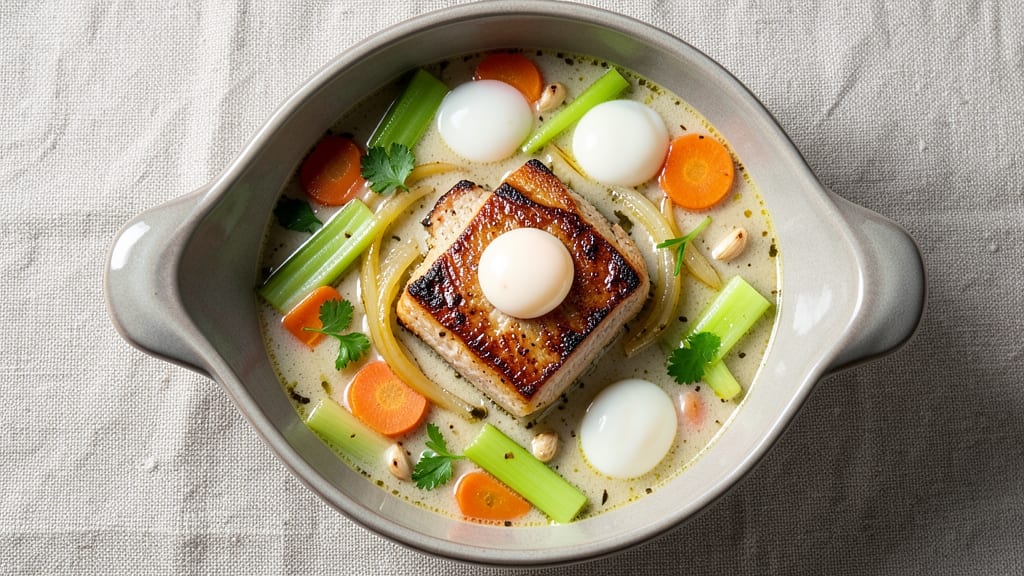
This albatross soup recipe delivers oceanic elegance with its silky egg-infused broth and delicate, briny depth. Crafted with precision, it transforms a sustainable seafood source into a velvety masterpiece that balances richness and subtlety.
The technique preserves the bird's natural flavor while creating a luxurious texture that feels both refined and approachable.
Traditional preparations often rely on slow-simmered broths that extract every nuance from the protein, while modern versions incorporate egg yolks for unmatched creaminess without dairy. Ethical sourcing remains paramount—always verify your seafood's sustainability before beginning.
The soup's delicate balance of saltiness, umami, and subtle sweetness makes it a standout centerpiece for special occasions.
What sets this recipe apart is its ability to transform what might seem like an unusual ingredient into something deeply comforting and sophisticated. The broth develops layers of complexity as it simmers, while the egg infusion creates that signature velvety mouthfeel.
Each spoonful delivers both the ocean's essence and the warmth of a carefully crafted meal.
Perfect for winter gatherings or as an elegant weeknight dinner, this soup pairs beautifully with crusty bread and fresh herbs. The recipe maintains professional standards while remaining accessible to home cooks willing to invest time in ethical sourcing and precise technique. Let's create something truly memorable.
Ingredients for albatross soup
Ethical sourcing meets refined technique in this luxurious albatross soup creation.
| Ingredient | Amount | Notes |
|---|---|---|
| Sustainably Sourced Albatross Meat 🐦 | 1 ½ lb | Ethically sourced, trimmed of fat |
| Large Egg Yolks 🥚 | 6 whole | Fresh, organic preferred |
| Yellow Onion 🧅 | 1 whole | Yellow or white, diced |
| Celery Stalks 🥬 | 3 whole | Organic, trimmed |
| Carrots 🥕 | 3 whole | Medium, peeled |
| Garlic Cloves 🧄 | 4 cloves | Fresh, peeled |
| Dry White Wine 🍷 | 1 cup | Sauvignon Blanc preferred |
| Seafood Stock 🌊 | 4 cups | Homemade or high-quality |
| Heavy Cream 🥛 | ½ cup | Full-fat for richness |
| Dijon Mustard 🍯 | 1 tbsp | Mild, for depth |
| Fresh Thyme 🌿 | ¼ cup | Leaves only, chopped |
| Fresh Parsley 🌿 | ¼ cup | Flat-leaf, chopped |
| Salt 🧂 | 1 ½ tsp | Diamond Crystal preferred |
| Black Peppercorns 🌶️ | ½ tsp | Freshly cracked |
| Crusty Bread 🍞 | 1 loaf | For serving, sliced |
| Olive Oil 🫒 | ¼ cup | Extra-virgin for finishing |
The albatross meat requires careful sourcing—prioritize suppliers certified by the Marine Stewardship Council or similar organizations. Look for cuts with visible marbling but minimal fat, as this ensures both flavor and texture. Whole Foods Market and specialty seafood purveyors like Equal Parts often carry sustainably sourced options. If working with frozen, thaw overnight in the refrigerator to preserve quality. The egg yolks should be vibrant and firm, a sign of freshness that directly impacts the soup's velvety texture. For the seafood stock, homemade yields superior depth, but Pacific Foods or Knorr Seafood Stock are reliable commercial alternatives.
No white wine? Dry vermouth or additional seafood stock maintains the acidity profile. Substitute heavy cream with coconut milk for a lighter option, though texture will differ. Fresh herbs can be swapped for dried at one-third the amount, but the bright notes they contribute are worth the effort. For the mustard, Dijon is non-negotiable—its complexity elevates the broth's depth. The albatross meat can be pre-cooked by poaching in court bouillon if time is limited, though traditional braising develops more nuanced flavors. Alliums should be finely diced to dissolve seamlessly into the broth.
Store the finished soup in airtight containers for up to 3 days in the refrigerator, though flavor peaks within the first 24 hours. For longer storage, freeze in 1-cup portions for up to 3 months. Reheat gently over low heat, stirring frequently to prevent curdling. The crusty bread should be served alongside, toasted with a drizzle of extra-virgin olive oil and sprinkle of flaky sea salt. Leftovers make excellent lunches—portion into glass containers to maintain freshness. The egg infusion remains stable when reheated properly, preserving that signature silkiness.
Why You'll Love This Recipe
- One-Pot Wonder: I swear by this recipe when I’m too tired to fuss—just toss the albatross meat, diced onion, celery, and carrots into a pot with broth, simmer until the veggies melt into the meat, then stir in those rich egg yolks at the end. No chopping boards, no extra pans, just pure, satisfying simplicity.
- Silky Rich Depth: The yolks transform this soup into something luxurious—creamy without being heavy, with that albatross meat adding a tender, almost velvety texture. Honestly, the first time I made it, I thought, "This tastes like a restaurant dish, but I made it at 6 PM."
- Weeknight to Dinner Party: Same recipe, totally different vibes: serve it steaming in bowls for a cozy Tuesday night, or ladle it into elegant ramekins with a drizzle of olive oil for guests. The carrots and celery add just enough color and crunch to make it feel special without extra effort.
- Leftovers That Don’t Suffer: Between us, most soups turn sad the next day—but not this one. The yolks keep it velvety, and the albatross stays moist, so reheating it is just as good as the first serving. I’ll often make a double batch because it’s my go-to for lunches that don’t taste like leftovers.
Step-by-step instructions for silky egg-infused albatross broth
This method transforms delicate albatross meat into a velvety, oceanic broth with rich egg-infused depth.
Sear and Simmer the Albatross Base
Heat the 0.25 cup olive oil in a large stockpot over medium-high heat until shimmering. Add the 1.5 lb sustainably sourced albatross meat, working in batches if needed, and sear for 3-4 minutes per side until the exterior develops a golden crust. This creates the foundational depth of flavor through the Maillard reaction.
Remove the seared albatross and set aside. In the same pot, add the 1 whole yellow onion, 3 whole celery stalks, and 3 whole carrots, all diced into ¼-inch pieces. Sauté for 5-6 minutes until the vegetables soften and begin to caramelize. Add the 4 cloves garlic cloves and cook for an additional 30 seconds until fragrant.
Deglaze and Build the Broth Foundation
Pour in the 1 cup dry white wine and scrape the bottom of the pot vigorously with a wooden spoon to release all the browned bits. This deglazing step captures the concentrated flavors that would otherwise be lost. Allow the wine to simmer for 3-4 minutes until reduced by half, intensifying its flavor profile.
Add the 4 cups seafood stock and bring the mixture to a gentle boil. Return the seared albatross to the pot, submerging it completely. Reduce the heat to low and simmer uncovered for 45-50 minutes, skimming any foam that rises to the surface. The broth should develop a rich, golden hue and a subtle oceanic aroma as the albatross infuses its delicate flavor.
Strain and Infuse with Egg Yolks
Strain the broth through a fine-mesh sieve into a clean stockpot, pressing gently on the solids to extract all the flavor. Discard the solids or reserve for another use. Return the strained broth to medium-low heat and maintain a gentle simmer. In a separate bowl, whisk together the 6 whole large egg yolks, 0.5 cup heavy cream, 1 tbsp Dijon mustard, 1.5 tsp salt, and 0.5 tsp black peppercorns until smooth and pale.
Slowly ladle 1 cup of the hot broth into the egg mixture while whisking constantly to temper the eggs and prevent scrambling. Once fully incorporated, pour the egg mixture back into the simmering broth. Stir gently and continue simmering for 5-7 minutes until the mixture thickens slightly and coats the back of a spoon. This creates the signature silky texture that defines this soup.
Finish with Herbs and Serve
Remove the pot from heat and stir in the 0.25 cup fresh thyme and 0.25 cup fresh parsley. The herbs should be finely chopped to disperse evenly throughout the soup. Taste and adjust the seasoning if needed, adding a pinch more salt or pepper if necessary. The soup should be rich, velvety, and perfectly balanced with a subtle oceanic depth.
Ladle the soup into warmed bowls and serve immediately with slices of 1 loaf crusty bread on the side. The contrast between the silky broth and the crusty bread creates an ideal textural experience. Each spoonful should deliver a harmonious blend of albatross essence, egg-infused richness, and aromatic herbs.
Pro Tips For Making Albatross Soup
- Trim the Fat First: Albatross meat holds moisture like a sponge—if you don’t trim the silver skin and any visible fat before cooking, your soup will turn greasy instead of silky. Use a sharp knife to shave off the thin membrane under the skin; it’s the part that ruins texture if left in.
- Sweat the Aromatics Low: Onions, celery, and carrots should dance in the pot for 8–10 minutes over low heat until the onions are translucent but not browned. I learned this the hard way—rushing this step makes the soup taste raw and bitter, no matter how long you simmer later.
- Temper Those Yolks: Warm the egg yolks gradually with a splash of hot broth before folding them into the finished soup—never dump cold yolks straight in. I’ve seen curdled soup more times than I’d like to admit, and this is the only way to guarantee creamy perfection.
- Strain Twice, Strain Right: Use a fine-mesh sieve and a cheesecloth for a second pass if you want that restaurant-quality smoothness. The cheesecloth catches the last bits of skin and connective tissue that a sieve alone misses—trust me, your spoon will thank you.
Troubleshooting this recipe
Broth Too Thin?
If your albatross broth lacks body, reduce it by simmering uncovered for an additional 10-15 minutes—this intensifies flavors and thickens naturally. For a quicker fix, whisk in 1 tbsp cornstarch mixed with 2 tbsp cold water and simmer for 2 minutes until slightly thickened.
Avoid over-reducing, as albatross broth should remain silky, not gluey. 🌊
Egg Curdling?
Temper the egg yolks properly by whisking them with 1 cup warm broth before combining with the hot base. If curdling occurs, immediately remove from heat and whisk vigorously to restore smoothness.
For prevention, ensure your broth never boils during the egg infusion—keep it at a gentle simmer (180°F max).
Gamey Taste?
Albatross can develop a strong flavor if overcooked. Simmer the meat for no longer than 45 minutes—any extra time risks bitterness. To mellow the taste, add ½ cup heavy cream or 1 tbsp lemon juice after straining. A splash of dry white wine during deglazing also balances the profile.
Skimmed Too Much?
Don't discard the foam—it contains flavorful proteins! Instead, skim only the top layer of impurities, leaving the golden foam intact. For extra richness, reserve 1 cup broth before straining, reduce it by half, and whisk it back in at the end. This adds depth without altering texture.
Herbs Floating?
Chop herbs finely (¼-inch pieces) and stir vigorously when adding to ensure even distribution. For stubborn stems, strain the soup again through a fine-mesh sieve after stirring. Fresh herbs should be added off-heat to preserve their bright flavors—this prevents them from wilting into the broth.
Storage Issues?
Cool the soup to room temperature within 2 hours to prevent bacterial growth. Store in airtight containers with a thin layer of olive oil on top to preserve the egg-infused texture. When reheating, warm gently over low heat—never microwave—adding 1 tbsp cream if the soup looks dry. 💫
Nutrition facts
Frequently asked questions
Where can I ethically source albatross for this recipe?
Look for suppliers certified by organizations like the Marine Stewardship Council. Specialty seafood purveyors such as Equal Parts or Whole Foods Market often carry sustainably harvested albatross. Always verify the source's ethical practices before purchasing—this bird is protected in many regions, so check local regulations.
Can I substitute albatross with another bird or seafood?
For an authentic oceanic flavor, albatross is ideal, but you could use duck breast or lobster for a similar richness. Avoid gamey birds like venison, as they'll overpower the delicate broth. For a seafood alternative, halibut or snapper work well, though the texture will differ slightly. Adjust cooking times accordingly—seafood cooks faster than bird meat.
Why does this soup need egg yolks?
The egg yolks create the signature velvety texture without dairy, adding natural richness and body. Their high fat content emulsifies beautifully with the broth, creating that luxurious mouthfeel. For a vegan version, replace with silken tofu blended with nutritional yeast, though the texture will be lighter. Always use fresh, organic yolks for the best results.
How do I know when the albatross is properly cooked?
The meat should be tender but not falling apart when tested with a fork after 45 minutes of simmering. Overcooking risks a gamey flavor, so monitor closely. For extra assurance, cut a small piece—it should be opaque and flake easily. If it's still tough, simmer 5-10 more minutes but no longer.
What's the best way to serve this soup?
Serve immediately in warm bowls with crusty bread for dipping. Garnish with extra herbs, a drizzle of extra-virgin olive oil, or a sprinkle of flaky sea salt for elegance. For a complete meal, pair with steamed greens or a simple arugula salad to balance the richness. The soup's delicate flavors shine best when enjoyed fresh.