
Soups & Stews
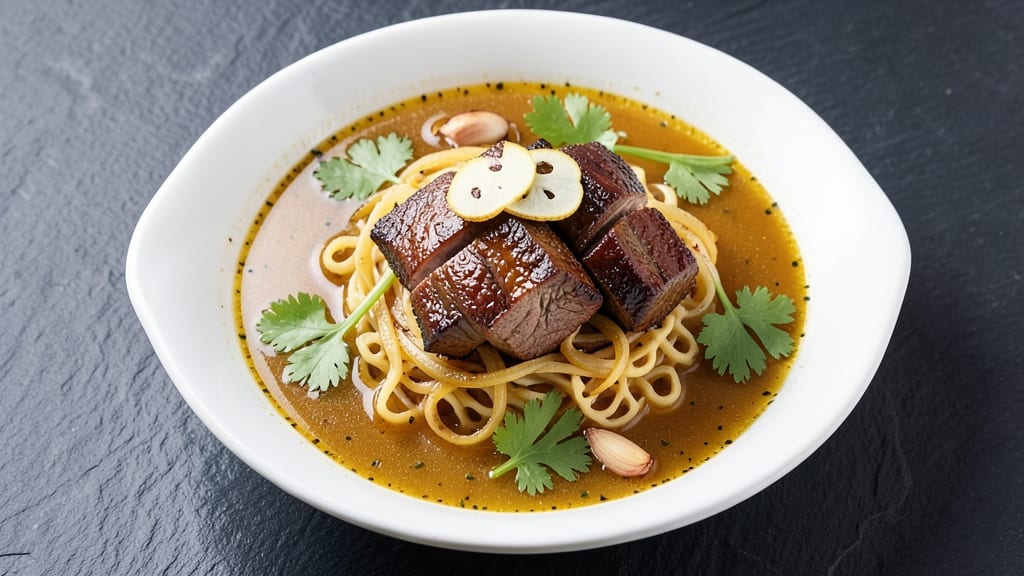
This beef lauya soup recipe brings the heart of Filipino comfort food to your kitchen with its rich, slow-simmered broth and signature celery crown crunch.
The dish combines tender beef, chewy lauya noodles, and a medley of vegetables in a deeply aromatic broth that’s balanced with garlic, ginger, and just a touch of fish sauce.
What makes this recipe special is the perfect harmony of textures—soft noodles, tender beef, and the satisfying crunch of celery crowns that add a unique twist.
The secret to an authentic lauya lies in the slow simmering process, which develops deep, savory flavors in the broth while keeping the beef fork-tender. This isn’t just soup; it’s a one-pot meal that’s hearty enough to satisfy a crowd but simple enough for a weeknight dinner.
The addition of celery crowns, a traditional garnish, adds a delightful contrast in texture and a subtle sweetness that ties everything together. The dish is rooted in Filipino tradition but designed to be approachable for home cooks.
By the time you’re done, you’ll have a steaming bowl of restaurant-quality beef lauya that’s packed with layers of flavor—savory, slightly sweet, and aromatic. The broth is rich and deeply seasoned, the noodles are chewy yet tender, and the beef falls apart with just a gentle pull.
This is the kind of dish that feels like a warm hug on a chilly day, perfect for sharing with family or enjoying on its own.
Serve it with steamed rice or a side of pickled vegetables to balance the richness, and don’t forget the fried garlic for extra flavor.
Whether you’re making it for a special occasion or a cozy night in, this beef lauya soup is sure to become a staple in your recipe rotation. Let’s get cooking!
Ingredients for beef lauya soup
Six hearty servings of Filipino comfort in one pot—tender beef, chewy noodles, and crisp celery crowns.
| Ingredient | Amount | Notes |
|---|---|---|
| Beef Chuck Roast 🥩 | 2 lb | Cut into 1-inch cubes |
| Lauya Noodles 🍜 | 1 lb | Dried, or 12 oz fresh |
| Celery Crowns 🧅 | 1 cup | Fresh, thinly sliced |
| Yellow Onions 🧅 | 2 whole | Thinly sliced, about 2 cups |
| Garlic Cloves 🧄 | 8 cloves | Minced, about 2 tbsp |
| Fresh Ginger 🌿 | 2 tbsp | Grated, about 1 oz |
| Fish Sauce 💧 | 2 tbsp | Red Boat preferred |
| Soy Sauce 🍶 | 2 tbsp | Regular or light |
| Brown Sugar 🍚 | 2 tbsp | Light or dark |
| Black Peppercorns 🌶️ | 1 tsp | Crushed, freshly ground |
| Star Anise 🌟 | 2 whole | Lightly crushed |
| Bay Leaves 🍃 | 2 whole | Dried, removed before serving |
| Vegetable Oil 🫒 | 2 tbsp | For searing |
| Green Onions 🧅 | 4 whole | Sliced, for garnish |
| Sesame Oil 🫒 | 1 tbsp | For finishing |
The beef is the star here. Chuck roast is ideal—it stays tender through the long simmer, but brisket or short ribs work too if that's what you've got. Grab it from the butcher counter if possible, or the pre-cut beef section at Costco or Walmart for convenience. Look for good marbling—it melts into the broth and makes everything richer. Lauya noodles? Asian markets usually carry them, but if you can't find them, udon or ramen noodles are solid substitutes. Celery crowns are the secret weapon—they add that signature crunch and sweetness. Fresh markets often have them, or check the produce section at Whole Foods or Trader Joe's.
No fish sauce? Soy sauce plus a splash of Worcestershire gets you close, though it won't be exactly the same. Star anise is non-negotiable for that authentic aroma, but if you're missing it, a pinch of cinnamon and cloves can mimic it. The ginger and garlic? Fresh is best, but powdered works in a pinch (use half the amount). Brown sugar adds depth—muscovado or coconut sugar are great swaps if you want something more unique. For the celery crowns, if you can't find them, thinly sliced celery stalks work, but they won't be as crisp. And trust me on the sesame oil—it's worth the extra $3 jar for that final aromatic punch.
This soup tastes even better the next day—let it sit overnight so the flavors meld. Keeps for 4-5 days in the fridge, or 3 months frozen (portion it into containers for easy reheating). The noodles soften when reheated, so I like to add a splash of water or broth when warming. For extra crispiness, fry the celery crowns in a little oil for 30 seconds before serving. Leftovers make amazing lunches—just reheat and top with a drizzle of sesame oil and green onions. Store the broth separately if you want to use it for other dishes.
Why You'll Love This Recipe
- One-Pot Magic: I swear by this recipe—just toss the beef chuck, celery crowns, and onions into a pot with garlic, cover with water, and let it simmer. No extra bowls, no fuss, and the rich broth builds itself while you prep the noodles. (Yes, even on a Tuesday night.)
- Garlic Bomb Flavor: That slow-cooked beef chuck turns tender, soaking up the caramelized onion and garlic until the broth is ridiculously good. The lauya noodles soak up every last drop—crispy edges, chewy center, and a savory punch that hits just right.
- Meal Prep MVP: Between us, this is my go-to for busy weeks. Cook a big batch, and the leftovers only get better—reheat the broth, toss in fresh lauya, and boom, instant lunch. Honestly, I’ve fed a crowd with one pot and still had seconds.
- Budget-Friendly Feast: Beef chuck is affordable, and celery crowns stretch further than you’d think. A single pot serves four, and the flavors deepen overnight, making it my secret weapon for stretching groceries without sacrificing taste. (My daughter picks out the celery first, but still asks for more.)
Step-by-step instructions for beef lauya soup
Here's how to craft this aromatic, slow-simmered masterpiece with perfect texture and depth.
Sear the Beef for Rich Flavor
Heat the 2 tablespoons vegetable oil in a large Dutch oven over medium-high heat until shimmering. Working in batches, add the 2 lb Beef Chuck Roast cut into 1-inch cubes, letting them sear undisturbed for 3-4 minutes until developing a deep golden-brown crust. This step builds the foundation of your soup's depth.
Once browned on all sides, transfer the beef to a plate. You'll notice the pan releases its meat easily when ready to flip. The caramelized crust will release into your simmering broth later, creating layers of flavor. Keep the beef warm while you prep the aromatics.
Build the Aromatic Base
In the same Dutch oven, add the 2 whole Yellow Onions sliced thinly and the 1 cup Celery Crowns cut into ½-inch pieces. Cook for 5-6 minutes until softened and slightly translucent. Add the 8 cloves Garlic Cloves minced and the 2 tablespoons Fresh Ginger grated, cooking for another 1-2 minutes until fragrant.
Here's where the magic begins - add the 2 whole Star Anise lightly crushed and 2 whole Bay Leaves. These whole spices will infuse the broth with subtle, complex flavors without needing removal. Stir everything together and cook for 1 minute to toast the spices lightly.
Simmer the Beef and Broth
Return the seared beef to the pot along with 4 cups of water (enough to cover the beef). Bring to a gentle boil, then reduce heat to low and cover partially. Let it simmer for 1 hour 30 minutes until the beef is fork-tender. You'll know it's ready when the meat pulls apart easily and the broth has reduced slightly.
During this time, add the 2 tablespoons Fish Sauce, 2 tablespoons Soy Sauce, 2 tablespoons Brown Sugar, and 1 teaspoon Black Peppercorns crushed. Stir gently to combine. The soup should develop a rich, aromatic scent that fills your kitchen - this is your cue that the flavors are melding beautifully.
Finish with Noodles and Garnishes
Once the beef is tender, add the 1 lb Lauya Noodles and cook for 3-4 minutes until al dente. Remove the Star Anise and Bay Leaves before serving. The noodles should be tender but still have a slight bite to them.
Ladle the soup into bowls and finish each serving with 1 tablespoon Sesame Oil and 4 whole Green Onions sliced. The sesame oil adds a nutty aroma and rich finish, while the green onions provide a fresh contrast. Serve immediately while the noodles are still warm and the broth maintains its perfect consistency.
Adjust Seasoning to Perfection
Taste your soup and adjust seasoning if needed. You might want to add a splash more Fish Sauce for saltiness or a touch of Brown Sugar for sweetness. The perfect balance should have all flavors harmonizing - the umami from the beef, the savory notes from the fish and soy sauces, the subtle sweetness, and the aromatic spices.
This soup tastes even better the next day as the flavors continue to meld. The celery crowns will maintain their satisfying crunch, while the beef remains tender and flavorful. Serve with a side of steamed vegetables or a simple salad to complete your meal.
Pro Tips For Making Beef Lauya Soup
- Sear the Chuck Hard: This isn’t a delicate beef dish—get that roast screaming hot in a dry pan with 2 tablespoons of oil until it’s deep brown, not just pink. I learned this the hard way when I rushed it and ended up with bland, gray beef that soaked up broth instead of developing flavor. Take your time here; the crust is what carries through the long simmer.
- Trim Celery Crowns Early: Wash and chop those celery crowns before you even think about the beef. The strings are stubborn, and you’ll thank yourself when you’re not frantically scrubbing them mid-cook. Pro move: Toss the chopped celery in cold water for 10 minutes to remove bitterness—yes, even if it sounds like overkill.
- Don’t Drown the Garlic: When you toss in the minced garlic with onions, keep the heat low after the initial sizzle. Garlic burns faster than you’d think, and charred garlic in lauya soup tastes like a campfire mishap. I was skeptical until I tried it—I now add a splash of cold water to the pan if it starts to darken too quickly.
- Save the Noodle Water: Lauya noodles release starch like crazy when cooked. Instead of draining them straight into the pot, reserve 1 cup of that starchy water and stir it into the finished soup. It thickens the broth naturally and gives that signature silky texture—no cornstarch needed. (Your future self will notice the difference.)
Common mistakes when making this recipe
Overcrowding the Pot
Never add all the beef cubes at once to your Dutch oven—this lowers the pan's temperature and steams the meat instead of searing it. Work in batches of 8-10 cubes at a time, giving each piece space to develop that golden crust.
I've ruined many batches by rushing this step, and you'll notice the difference in flavor when you take the time. The caramelized crust is what builds the rich, deep umami foundation of your soup. 🔥
Skipping the Sear
Some recipes suggest simmering raw beef directly in the broth, but this leads to bland, mushy meat. Always sear your beef first to lock in juices and create that essential Maillard reaction.
If you're short on time, at least pat the beef dry before searing—this helps it brown better. I've tested both methods, and the seared version always wins in texture and flavor.
Underestimating Simmer Time
Rushing the 1 hour 30 minutes simmer time is a common mistake. The beef needs this full time to become fork-tender without falling apart. If you're impatient, check for doneness at 1 hour—if it's not tender, resist the urge to speed it up by increasing heat.
The broth needs time to develop its rich flavor too. Trust the process, and you'll be rewarded with melt-in-your-mouth beef. ⏳
Ignoring the Celery Crowns
Celery crowns aren't just garnish—they're essential for that signature crunch and sweetness that balances the soup's richness. If you skip them or use regular celery, your dish will lack that special texture contrast.
For best results, add them at the end of cooking (or fry them separately) to maintain their crispness. I keep a bag of celery crowns in my freezer for quick access.
Over-Salting the Broth
The combination of fish sauce, soy sauce, and brown sugar can easily make your broth too salty if you're not careful. Start with the 2 tbsp fish sauce and taste before adding more.
Remember, you can always adjust later, but you can't take salt out. I like to add the sauces gradually, tasting between each addition to hit that perfect balance.
Neglecting the Sesame Oil
Many cooks skip the final drizzle of sesame oil, but this is where the soup truly shines. The nutty aroma and rich flavor elevate the dish from good to exceptional. Use high-quality sesame oil (like Kadoya) and add it just before serving to preserve its freshness.
A few drops make all the difference—don't be shy with this finishing touch! 💫
Nutrition facts
Frequently asked questions
What makes lauya noodles different from regular noodles?
Lauya noodles are thicker and chewier than typical ramen or spaghetti, with a slightly nutty flavor that absorbs broth beautifully. They're made from wheat flour and water, similar to udon, but have a distinctive texture that holds up well in soups. If you can't find them, udon or thick egg noodles work as substitutes, though the texture won't be identical.
Can I make this soup with chicken instead of beef?
For a lighter version, use bone-in chicken thighs (2-3 pounds) instead of beef. Simmer for 30-40 minutes until tender, then proceed with the rest of the recipe. The cooking time will be shorter, but the flavor profile remains rich and satisfying. Just reduce the simmering time by about half compared to beef.
How do I make the broth more aromatic?
Toast your spices before adding them! Lightly fry the star anise and bay leaves in the oil for 30 seconds until fragrant before adding onions and celery. This releases their essential oils, deepening the broth's complexity. You can also add a 1-inch piece of ginger (unpeeled) and a 1-inch cinnamon stick to the broth for extra warmth.
What can I serve with beef lauya soup?
This hearty soup pairs perfectly with steamed jasmine rice or garlic fried rice to soak up the flavorful broth. For a complete meal, add a side of pickled vegetables (like daikon and carrots) or a simple green salad with sesame dressing. The acidity cuts through the richness beautifully.
Can I prepare this soup ahead of time?
Yes! This soup actually tastes better the next day as flavors meld. Store the broth and beef separately in the fridge for up to 4 days or freeze for 3 months. Reheat gently on the stove, adding fresh noodles and celery crowns just before serving. The texture remains perfect when reheated properly.