
Soups & Stews
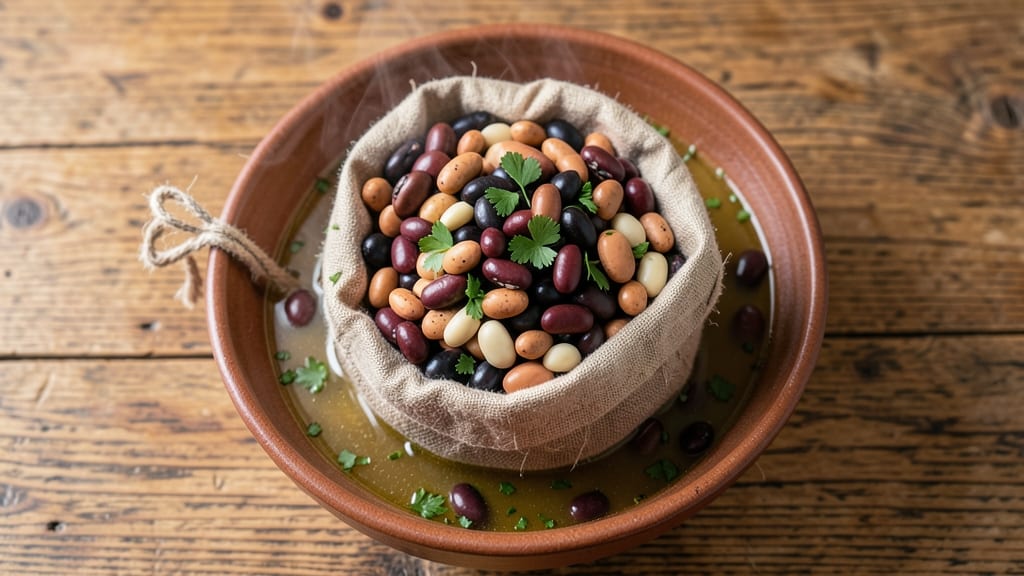
This 5 bean soup bag recipe transforms simple pantry staples into a restaurant-worthy vegetarian classic that simmers for hours, filling your kitchen with warm, earthy aromas. The secret lies in layering flavors—smoky paprika, fresh herbs, and slow-cooked beans—while letting the broth develop depth over time.
Unlike quick versions, this method creates a soup so hearty it becomes the centerpiece of any meal, proving that comfort food doesn’t require meat.
What sets this recipe apart is its flexibility: dry beans yield the most satisfying texture, but canned beans cut prep time in half without sacrificing flavor. The key technique? A long, gentle simmer that softens beans while concentrating their natural sweetness into the broth.
For extra richness, a splash of vinegar brightens the flavors, while a sprinkle of fresh parsley at the end adds freshness that elevates every spoonful.
By the time you’re done, you’ll have a pot of deeply flavorful soup with tender beans, a velvety broth, and just the right balance of savory and bright. It’s the kind of meal that disappears faster than you can say “seconds,” and leftovers taste even better the next day.
Perfect for chilly evenings or meal prep, this soup delivers warmth and satisfaction in every bite.
Whether you’re feeding a crowd or saving leftovers for lunch, this recipe adapts effortlessly. Swap out broth for a vegan version, or add a splash of cream for extra indulgence.
The beauty of this soup lies in its simplicity—just a few ingredients, a little patience, and a whole lot of hearty goodness. Let’s get simmering.
Ingredients for 5 bean soup bag
Six cups of dry beans plus aromatic vegetables create a soul-warming vegetarian classic.
| Ingredient | Amount | Notes |
|---|---|---|
| Dry Navy Beans 🌱 | 1 cup | Picked over for stones |
| Dry Black Beans 🌱 | 1 cup | Picked over for stones |
| Dry Pinto Beans 🌱 | 1 cup | Picked over for stones |
| Dry Kidney Beans 🌱 | 1 cup | Picked over for stones |
| Dry Great Northern Beans 🌱 | 1 cup | Picked over for stones |
| Vegetable Broth 💧 | 6 cups | Low-sodium preferred |
| Onion 🧅 | 1 whole | Yellow, chopped |
| Carrot 🥕 | 2 whole | Medium, sliced |
| Celery Stalks 🌿 | 2 whole | Chopped |
| Garlic Cloves 🧄 | 4 cloves | Minced |
| Smoked Paprika 🌶️ | 1 tbsp | For smoky depth |
| Bay Leaves 🍃 | 2 whole | Fresh preferred |
| Apple Cider Vinegar 🍎 | 1 tbsp | For brightness |
| Fresh Parsley 🌿 | ¼ cup | Chopped, for garnish |
| Salt 🧂 | 1 ½ tsp | Adjust to taste |
| Black Pepper 🌶️ | ½ tsp | Freshly ground |
The beans are the heart of this soup, and dry beans deliver the best texture—just don’t skip the soaking. Most grocery stores carry bulk bins where you can mix your own five-bean blend, but Trader Joe’s and Whole Foods also sell pre-mixed varieties. If you’re short on time, canned beans work (drained and rinsed), though they’ll lack the depth of slow-cooked dry beans. Look for beans with vibrant color and no off smells—they should be dry and firm to the touch. Soaking overnight in plenty of water reduces cooking time and improves digestibility.
No smoked paprika? Regular paprika plus a pinch of liquid smoke mimics the flavor, though it won’t be identical. Fresh bay leaves add complexity, but dried bay leaves at half the amount work in a pinch. The vinegar is key—don’t skip it. It brightens the broth and balances the earthy beans. For extra richness, stir in a splash of vegetable bouillon paste or a spoonful of nutritional yeast at the end. The carrots and celery can be pre-chopped from a bag to save time, but fresh always tastes better. If you’re making this vegan, ensure your broth and bouillon are plant-based.
This soup tastes even better the next day as flavors meld. Store in an airtight container in the fridge for up to 5 days, or freeze portions for 3 months. I like to double the batch—perfect for meal prep. The beans soften as they sit, so add a splash of broth if it gets too thick. For serving, garnish with fresh parsley and a drizzle of olive oil. The broth freezes beautifully too, so you can keep a stash in the freezer for quick soups.
Why You'll Love This Recipe
- I’ll be real: I used to dread soaking beans. But these soup bags? Just toss them in boiling water—no prep, no fuss. The bag handles the work while I make dinner.
- No-Soak Nightmare Solved: I’ll be real: I used to dread soaking beans. But these soup bags? Just toss them in boiling water—no prep, no fuss. The bag handles the work while I make dinner.
- Earthy Magic Combo: That mix of navy, black, and pinto beans? It’s like a flavor orchestra—creamy navy, smoky pinto, and that deep black bean richness. Honestly, the texture alone makes me want seconds.
- Lunchbox Hero: Cold or reheated, this soup is my go-to for meal prep. Pack it in thermoses for work or send it in jars for kids’ lunches. (Yes, even on a Tuesday night.)
Step-by-step instructions for slow-simmered five bean soup
This method delivers rich, hearty soup with perfectly tender beans and balanced flavors.
Prepare the Bean Mixture
In a large bowl, combine all 1 cup Dry Navy Beans, 1 cup Dry Black Beans, 1 cup Dry Pinto Beans, 1 cup Dry Kidney Beans, and 1 cup Dry Great Northern Beans. Pick through each type to remove any small stones or debris—this ensures a smooth texture. Rinse the beans thoroughly under cold water to remove any dust or residual dirt.
Transfer the rinsed beans to a 6-quart slow cooker or large stockpot. Add the 1 whole Onion (chopped), 2 whole Carrot (sliced), 2 whole Celery Stalks (chopped), and 4 cloves Garlic Cloves (minced). Stir gently to combine, ensuring the vegetables are evenly distributed among the beans. The vegetables will break down during cooking, adding natural sweetness and depth to the broth.
Season and Add Liquid
Sprinkle the 1 tbsp Smoked Paprika evenly over the bean and vegetable mixture, pressing it gently into the beans to ensure even coverage. Add the 2 whole Bay Leaves, 1 tbsp Apple Cider Vinegar, 1.5 tsp Salt, and 0.5 tsp Black Pepper. Stir again to distribute the seasonings thoroughly—this step is crucial for developing the soup's complex flavor profile.
Pour in the 6 cups Vegetable Broth, ensuring all the beans and vegetables are fully submerged. If any beans float to the surface, press them gently under the liquid. The broth should cover the beans by at least 1 inch—this prevents them from drying out and ensures even cooking. Cover the pot with a lid, leaving a small gap for steam to escape if using a stockpot.
Slow Cook Until Tender
Place the covered pot on the stove over medium-high heat and bring to a boil. Once boiling, reduce the heat to low and let the soup simmer gently for 45 minutes. After this initial simmer, reduce the heat to lowest setting or move the slow cooker to its low setting if using one. This gentle cooking method is key to achieving tender beans without breaking them down into mush.
Cook for a total of 6-8 hours on low heat, or until the beans are fork-tender. You'll know they're ready when a bean easily crushes between your fingers with gentle pressure. The longer cooking time allows the flavors to meld beautifully, creating a rich, hearty broth. Stir the soup occasionally during the last hour of cooking to prevent any sticking or burning at the bottom of the pot.
Finish and Serve
Once the beans are tender, remove the 2 whole Bay Leaves and discard them. Taste the soup and adjust the seasoning if needed—you may need to add a pinch more salt or a splash of Apple Cider Vinegar for brightness. The soup should have a well-balanced flavor with a subtle smokiness from the paprika and a touch of tang from the vinegar.
Ladle the soup into bowls and garnish each serving with 0.25 cup Fresh Parsley (chopped). The parsley adds a fresh contrast to the rich, smoky flavors. Serve immediately with crusty bread or over rice to soak up every last drop of that flavorful broth. This soup tastes even better the next day as the flavors continue to develop, so consider making a double batch for leftovers.
Pro Tips For Making 5 Bean Soup Bag
- SOAK BEANS SEPARATELY: Navy and Great Northern beans are the slowpokes—give them a 6-hour soak (or overnight) while the black and pinto beans only need 2 hours. I learned this the hard way after forgetting and ending up with mushy navy beans that turned the whole pot into glue. Drain and rinse them all before cooking to avoid cloudy water.
- SIMMER LOW AND COVERED: Once the beans hit the pot, keep the heat at a gentle simmer—no boiling. After 15 minutes, add enough water to cover by 1 inch, then reduce to the lowest setting that maintains tiny bubbles. My first few batches had split skins because I kept cranking the heat, and nobody wants to eat bean soup with a gritty texture.
- SALT AFTER 30 MINUTES: Wait until the beans have softened before adding salt—adding it early toughens them. After 30 minutes of cooking, stir in 1 teaspoon per quart of liquid (or to taste). If you’re using a pressure cooker, hold off until the natural release phase. Trust me, your beans will thank you with better texture.
- USE A FLAVOR BOOSTER: Skip the generic bouillon cube and toss in a crushed bay leaf, 2 smashed garlic cloves, or a strip of kombu (seaweed) for depth. Remove the bay leaf before serving—it’s not for chewing. I was skeptical until I tried it, and now it’s non-negotiable for a rich, complex flavor without extra effort.
Essential equipment for this dish
Slow Cooker Essentials
A 6-quart slow cooker is my go-to for this recipe—it provides ample space for the beans and broth to simmer undisturbed. I recommend the Hamilton Beach 6-Quart Programmable Slow Cooker for its consistent heat distribution and easy-to-read display.
If you prefer stovetop cooking, use a heavy-bottomed Dutch oven like the Le Creuset Stoneware Dutch Oven to prevent burning at the bottom. 🌡️
Bean Soaking Tools
For dry beans, a large mixing bowl and fine-mesh strainer are essential. I use a stainless steel colander to rinse beans thoroughly before cooking.
If you're short on time, a quick-soak method in boiling water for 2 minutes works, but overnight soaking in cold water (8+ hours) yields the best texture. A glass measuring cup helps track soaking water levels accurately.
Knife & Cutting Tools
Invest in a sharp chef's knife (I love the Mercer Culinary Genesis) for chopping onions, carrots, and celery efficiently. A cutting board with a non-slip base prevents accidents—my favorite is the John Boos Teak Cutting Board.
For mincing garlic, a garlic press saves time and ensures even consistency. A microplane also works well for finely grating garlic cloves.
Measuring & Seasoning
Precision matters with spices like smoked paprika and apple cider vinegar. Use a small measuring spoon set (like the OXO Good Grips) for accurate measurements. A spice grinder keeps your paprika fresh, while a small bowl helps mix seasonings before adding them to the pot.
For vinegar, a 1-tablespoon measuring spoon ensures the right balance of brightness.
Storage Containers
For leftovers, glass airtight containers are ideal—they preserve flavor better than plastic. I use Pyrex 8-cup storage containers for fridge storage and quart-sized freezer bags for freezing portions. Label containers with dates to track freshness. A small ladle helps portion soup evenly for reheating or freezing. 💡
Nutrition facts
Frequently asked questions
Can I use canned beans instead of dry beans for this recipe?
Yes! Canned beans work perfectly if you're short on time. Use 1 (15-oz) can of each bean variety (navy, black, pinto, kidney, and great northern), drained and rinsed thoroughly. For best results, simmer them with the broth for 20-30 minutes to blend flavors. The texture will be slightly softer than dry beans, but the soup will still be delicious and hearty.
How do I prevent the beans from getting mushy?
Keep the heat low and maintain a gentle simmer—never let the soup boil vigorously. The beans need 6-8 hours on low heat to soften properly without breaking down. If using a slow cooker, set it to "low" and avoid lifting the lid frequently to trap steam. Stir occasionally in the last hour to prevent sticking, but don't overmix.
Can I make this soup in a pressure cooker?
A pressure cooker cuts cooking time dramatically. Use the same ingredients, but reduce the broth to 4 cups and cook on high pressure for 25-30 minutes after the pressure builds. Quick-release the pressure, then let the beans sit for 10 minutes before opening. The beans will be tender but still hold their shape beautifully.
What can I add to make this soup more filling?
For extra heartiness, stir in 1 cup cooked rice or 1 cup diced potatoes with the vegetables at the start. You could also add 1 cup chopped kale or 1 cup corn kernels during the last 30 minutes of cooking. A sprinkle of grated Parmesan or a dollop of sour cream adds richness—just wait until serving to prevent curdling.
How do I store and reheat leftovers?
Store in an airtight container in the fridge for up to 5 days or freeze in portions for 3 months. To reheat, warm on the stovetop over medium-low heat until steaming (about 5-10 minutes