
Soups & Stews
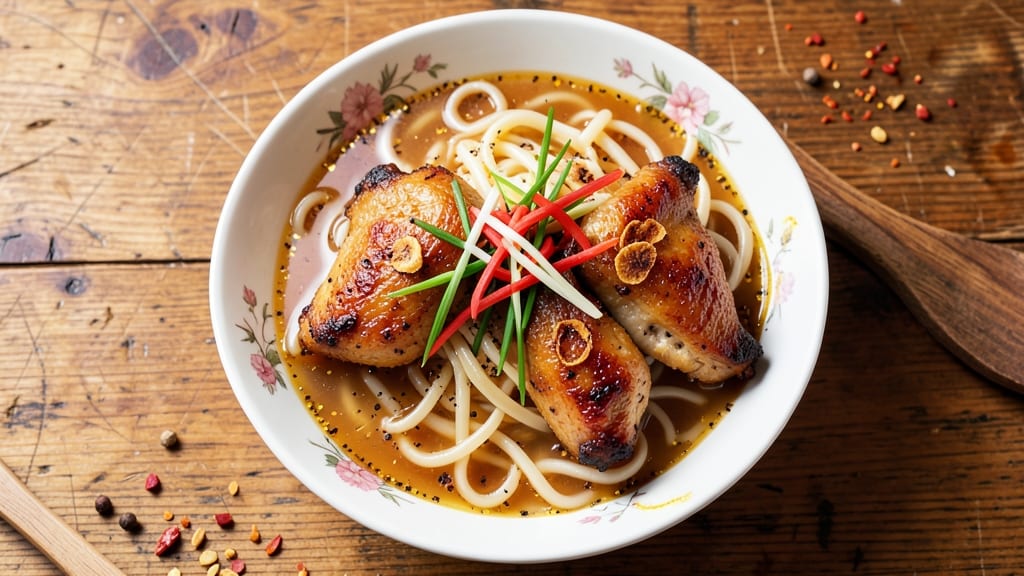
This American ginseng chicken soup recipe transforms a simple bowl into a nourishing elixir, blending earthy ginseng roots with tender chicken and silky noodles. The secret lies in slow-simmered broth infused with ginseng's unique warmth, creating a depth of flavor that elevates every spoonful.
I developed this recipe after years of perfecting the balance between traditional comfort and modern herbal sophistication.
The foundation begins with a rich chicken broth, where ginseng roots steep for hours to release their medicinal yet subtly sweet notes. Tender chicken thighs break down into melt-in-your-mouth pieces, while wide egg noodles absorb the aromatic broth.
Fresh ginger and scallions add brightness, while a touch of soy sauce rounds out the savory profile.
What you'll achieve is a soup that's both restorative and deeply satisfying—warm, fragrant, and packed with umami richness. The ginseng infusion adds a subtle earthy complexity that pairs beautifully with the chicken's natural sweetness.
Each bowl delivers comfort in every sip, perfect for chilly evenings or when you need a nourishing boost.
Serve with a sprinkle of sesame seeds and extra scallions for color and texture. This recipe scales effortlessly, making it ideal for family meals or meal prep. The slow cooking process ensures maximum flavor extraction, while the simple assembly keeps it approachable for home cooks.
Ingredients for american ginseng chicken soup
Earthy ginseng meets homestyle comfort in this nourishing bowl of warmth.
| Ingredient | Amount | Notes |
|---|---|---|
| Chicken Thighs (bone-in, skin-on) 🍗 | 1 ½ lb | With skin for extra flavor |
| American Ginseng Root 🌿 | 2 oz | Dried or fresh, sliced thin |
| Fresh Ginger 🧄 | ½ cup | Peeled and sliced into coins |
| Scallions 🧅 | ¼ cup | White and green parts separated |
| Wide Egg Noodles 🍜 | 8 oz | Fresh or dried, uncooked |
| Chicken Broth 💧 | 6 cups | Homemade or low-sodium store-bought |
| Light Soy Sauce 🍶 | 1 tbsp | For umami depth |
| Sesame Oil 🫒 | 1 tsp | For finishing touch |
| Toasted Sesame Seeds 🌱 | 1 tbsp | For garnish |
| Garlic Cloves 🧄 | 3 cloves | Minced for aromatic base |
| Salt 🧂 | 1 tsp | Adjust to taste |
| Black Pepper 🌶️ | ½ tsp | Freshly ground |
| Vegetable Oil 🫒 | 2 tbsp | For searing chicken |
The ginseng root is the soul of this soup—look for American ginseng at Asian markets or specialty stores, where it's often sold dried. Fresh works too, but dried is more potent and lasts longer. Costco or Trader Joe's sometimes carry it in their health food sections. If you can't find it, ginger root is a decent backup, though it won't have the same depth. The chicken thighs? Skin-on, bone-in for maximum flavor—those crispy bits in the broth are pure gold. I always grab the thighs over breasts because they stay tender even after hours of simmering.
No ginseng? Double the ginger and add a pinch of cinnamon for warmth. Fresh ginger is ideal, but powdered works at half the amount. The soy sauce is non-negotiable—it balances the earthiness of the ginseng. Low-sodium is best here so you control the saltiness. For the noodles, fresh egg noodles are a game-changer, but dried works in a pinch. Just cook them al dente and finish in the hot broth. The scallions add brightness—don't skip the white parts, they pack the most flavor. And if you're feeling fancy, toasted sesame oil in the finishing drizzle takes it to another level.
This soup tastes even better the next day as flavors meld. Store leftovers in the fridge for up to 4 days, or freeze for 3 months. I always double the batch and portion it into containers so lunches are sorted for the week. The broth keeps 3 days in the fridge if you want to make it ahead—just reheat and add fresh noodles. Garnish with sesame seeds and extra scallions right before serving, because that's when it looks most inviting (and tastes best).
Why You'll Love This Recipe
- One-Pot Magic: The chicken thighs render their own flavor—no extra broth needed. Toss everything in one pot, simmer, and let the ginseng and ginger work their magic while you handle the rest of your day.
- Earthy Depth: That American ginseng root? It’s the star. Earthy, slightly sweet, and warming—like a hug in a bowl. The ginger cuts through the richness, and the scallions add a bright finish that makes every spoonful feel intentional.
- Weeknight Reliable: I’ve made this on Tuesdays when I’m exhausted and it still tastes like I slaved. The noodles soak up the broth perfectly, and the leftovers? Even better the next day, especially with a sprinkle of sesame oil.
- Budget Boost: Bone-in, skin-on thighs stretch into three meals without breaking the bank. Ginseng root lasts forever if stored right, and ginger and scallions are pantry staples. This soup feeds a crowd for less than takeout—and way healthier.
Step-by-step instructions for American ginseng chicken soup
Here's how to create a rich, aromatic ginseng-infused chicken soup with silky noodles—every step guarantees deep flavor and perfect texture.
Sear the Chicken Thighs for Maximum Flavor
Pat the 1.5 lb chicken thighs (bone-in, skin-on) completely dry with paper towels—this ensures crispy skin. Heat 2 tbsp vegetable oil in a large pot over medium-high heat until shimmering. Place the chicken thighs skin-side down and sear undisturbed for 5-6 minutes until the skin turns deep golden brown and crispy.
Flip the thighs and cook another 4-5 minutes until the skin is golden and the meat reaches 165°F internally. Remove the chicken, leaving all the rendered fat in the pot—this is where the soup's depth of flavor starts. Transfer the thighs to a plate and let rest for 5 minutes before shredding.
Build the Ginseng-Ginger Base
In the same pot (with all that delicious fat), add 2 oz sliced American ginseng root and 0.5 cup sliced fresh ginger. Cook over medium heat for 3-4 minutes, stirring occasionally, until the ginseng softens and releases its earthy aroma. Add the 3 minced garlic cloves and cook for 30 seconds until fragrant.
Pour in the 6 cups chicken broth and bring to a gentle boil. Reduce heat to low, add the 1 tbsp light soy sauce, 1 tsp salt, and 0.5 tsp black pepper, then return the chicken thighs to the pot. Simmer uncovered for 20 minutes—this lets the ginseng and ginger infuse the broth completely.
Shred the Chicken and Cook the Noodles
Remove the chicken thighs and shred the meat using two forks, discarding skin and bones. Return the shredded chicken to the pot. Meanwhile, cook the 8 oz wide egg noodles in a separate pot of boiling salted water for 1 minute less than package instructions (they'll finish in the soup). Drain and set aside.
Add the cooked noodles to the chicken broth along with the 0.25 cup scallions (white parts only). Simmer gently for 3-4 minutes until the noodles are tender and the soup reaches 195°F. Taste and adjust seasoning—this is where the ginseng's natural sweetness should shine.
Finish with Aromatics and Garnish
Turn off the heat and stir in the 1 tsp sesame oil—this adds a nutty depth. Ladle the soup into bowls, then garnish each serving with 1 tbsp toasted sesame seeds and the remaining scallion greens. The sesame seeds add crunch, while the greens provide fresh contrast to the earthy broth.
Serve immediately while hot. The ginseng's subtle sweetness should balance the ginger's spice, creating a harmonious broth that clings perfectly to the silky noodles. Each bite delivers rich chicken, aromatic herbs, and that signature ginseng warmth.
Pro Tips For Making American Ginseng Chicken Soup
- BROWN THE THIGHS PROPERLY: Don’t just sear—get those chicken thighs deep golden in spots. I used to rush this and end up with pale skin, which means flavor gets stuck in the pan instead of the broth. Hit them skin-side down for 10 minutes on medium-high, then flip and baste with their own rendered fat. The ginseng’s earthy notes need that crisp skin to shine.
- SLICE THE GINSENG THIN: American ginseng root is tough—if you chunk it, you’ll end up with chewy bits. Use a mandoline or sharp knife to slice it paper-thin (about 1mm) before simmering. I learned this the hard way when I threw in thick slices and spent 20 minutes staring at unmelted root. Thin slices dissolve cleanly and infuse the broth perfectly.
- ADD NOODLES LAST MINUTE: Wide egg noodles go mushy fast in broth. Instead of dumping them in early, cook them separately until just al dente (1-2 minutes less than package says), then plunge into the hot soup for 30 seconds to finish. The soup’s heat will soften them perfectly without turning them to paste—trust me, your bowl will thank you.
- CONTROL THE SIMMER: Ginseng soup needs a gentle simmer—too much rolling boils can turn the broth cloudy and bitter. Once the broth starts, reduce to a barely bubbling simmer (tiny bubbles at the edges) and keep it there. I used to let it roar, and the ginseng’s delicate flavor would get overwhelmed by harsh heat. Low and slow keeps it clean.
Troubleshooting great american ginseng chicken soup
Broth Too Weak
If your broth lacks depth, the ginseng infusion time may be insufficient. Extend simmering to 30-45 minutes uncovered to extract more earthy flavor from the root. I also recommend using homemade chicken broth—store-bought versions often dilute the ginseng's potency.
For an extra boost, add 1 tsp fish sauce alongside the soy sauce to enhance umami. 💫
Ginseng Bitter
Overcooked ginseng turns bitter—keep it in the broth for no longer than 20-25 minutes. Remove the root slices with a slotted spoon after infusion to prevent bitterness.
If you accidentally overcook, balance it with ½ tsp honey or maple syrup at the end. Fresh ginseng is milder than dried, so adjust accordingly. 🌿
Noodles Mushy
Cook noodles separately for 1 minute less than package instructions, then finish in the hot broth. Overcooking releases excess starch, making them gummy. For extra insurance, use fresh egg noodles—they hold up better to long simmering.
If using dried, rinse briefly in cold water after cooking to stop the cooking process. ⏱️
Chicken Dry
Bone-in, skin-on thighs are key—they stay moist during long simmering. If yours turn out dry, check internal temperature: remove at 165°F and shred immediately. For extra tenderness, add 1 tsp cornstarch to the broth before simmering to thicken slightly. Avoid over-shredding, as this breaks down the meat further. 🍗
Ginger Overpowering
Balance strong ginger with ½ cup apple juice or 1 tbsp rice vinegar to mellow its heat. I also recommend using young ginger (softer, less fibrous) for a milder flavor. If needed, add 1 tbsp coconut milk at the end to round out the broth's texture. 🧄
Broth Too Salty
Start with low-sodium chicken broth and light soy sauce to control saltiness. If it's still too salty, dilute with ½ cup hot water or add 1 tbsp unsalted butter to balance. Avoid adding more liquid—it'll dilute the ginseng's concentrated flavor. Taste as you go! 🧂
Nutrition facts
Frequently asked questions
Where can I find American ginseng root for this recipe?
Look for dried American ginseng at Asian markets, specialty health stores, or online retailers like Mountain Rose Herbs or iHerb. It's often sold in small packages near other dried roots. If unavailable, fresh ginseng works too—just slice it thinly—but dried is more potent and lasts longer. Some stores also carry ginseng tea blends that can be repurposed for infusion.
Can I use chicken breast instead of thighs?
You can, but bone-in, skin-on thighs are ideal—they stay juicy during long simmering. If using breasts, cut them into small pieces and add them to the broth only 15 minutes before serving to prevent dryness. For extra tenderness, marinate the breasts in 1 tbsp soy sauce and 1 tsp honey for 30 minutes before cooking.
How do I make this soup vegetarian?
Replace chicken with 1 lb shiitake mushrooms (sliced) or 1 block firm tofu (pressed and cubed). Use vegetable broth instead of chicken broth and add 1 tbsp miso paste for umami depth. Keep the ginseng and ginger infusion the same—it'll add earthy richness without meat.
Can I prepare this soup ahead of time?
Make the broth with ginseng and chicken (or mushrooms) up to 3 days ahead and refrigerate. When ready to serve, reheat gently, add cooked noodles, and finish with fresh scallions and sesame oil. For longer storage, freeze the broth for up to 3 months—just thaw overnight in the fridge before reheating.
What's the secret to getting the best ginseng flavor?
Simmer the ginseng root for 20-25 minutes uncovered—this lets its earthy notes infuse without bitterness. Remove the slices with a slotted spoon after infusion. For extra depth, lightly toast the dried ginseng slices in a dry pan for 1 minute before adding to the broth to enhance aroma.