
Soups & Stews
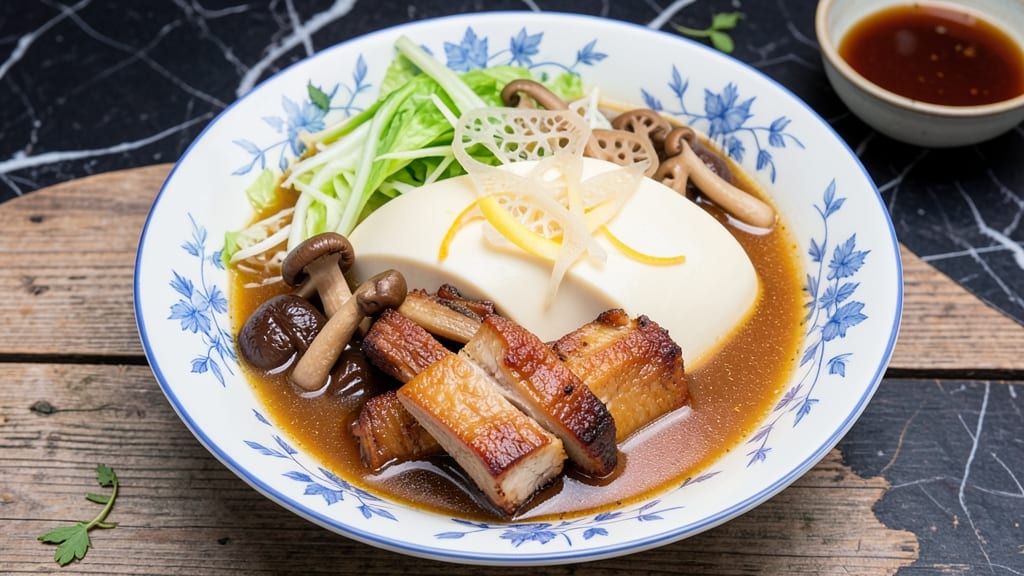
This 8 Treasure Soup recipe brings the warmth and tradition of mainland Chinese cuisine to your kitchen, blending eight essential ingredients into a nourishing elixir. 🌟 The soup's name reflects its symbolic richness—each ingredient, from tender pork to rehydrated mushrooms, contributes to its deep, savory broth and tender textures.
What sets this recipe apart is its balance of protein, vegetables, and medicinal herbs, making it both comforting and healthful. The foundation of any great 8 Treasure Soup lies in the broth, traditionally made from pork bones or a rich chicken stock.
I’ve included a foolproof method for achieving a flavorful base that simmers for hours, infusing every ingredient with aromatic depth. The key is patience—allowing the broth to develop layers of umami before adding the other components.
By the time you serve this soup, you’ll have a steaming bowl of tender meats, silky tofu, and vibrant vegetables, all harmonized in a fragrant broth. The recipe is versatile enough to adapt to dietary preferences, whether you’re using plant-based proteins or traditional ingredients.
It’s the kind of dish that feels like a hug on a cold day. Perfect for family gatherings, special occasions, or a comforting weeknight meal, this 8 Treasure Soup is a celebration of Chinese culinary tradition. Let’s get started on creating this timeless dish!
Ingredients for 8 treasure soup recipe mainland china
Eight traditional ingredients create this fragrant, nourishing Chinese soup elixir.
| Ingredient | Amount | Notes |
|---|---|---|
| Pork Bones 🍖 | 2 lb | Marrow-rich for flavorful broth |
| Dried Shiitake Mushrooms 🍄 | 8 whole | Rehydrated before using |
| Dried Wood Ear Mushrooms 🍄 | 4 pieces | Rehydrated before using |
| Silken Tofu 🧀 | 14 oz | Unopened package for texture |
| Chinese Cabbage 🥬 | 1 whole | Cut into 1-inch pieces |
| Fresh Ginger 🧄 | 1 ½ oz | Peeled and sliced thinly |
| Green Onions 🧅 | 4 whole | Cut into 2-inch pieces |
| Dried Scallops 🦪 | 4 pieces | Rehydrated before using |
| Dried Seaweed 🍃 | ½ oz | Cut into strips |
| Rock Sugar 🍯 | 2 tbsp | Or substitute white sugar |
| Salt 🧂 | 1 ½ tsp | Adjust to taste |
| White Peppercorns 🌶️ | ½ tsp | Ground for finish |
| Dried Tangerine Peel 🍊 | 1 tbsp | For aromatic depth |
The pork bones are essential for a rich, umami-packed broth—look for marrow-rich cuts at your local Asian market or butcher. Dried shiitake and wood ear mushrooms should be plump and free of debris; rinse briefly before rehydrating. For the tofu, Koyo brand from specialty stores delivers the silkiest texture. Fresh ginger should be firm and aromatic—no soft spots. The dried scallops and seaweed add depth but require proper rehydration time. If you can't find rock sugar, white sugar works identically.
No dried scallops? Rehydrated dried shrimp offers a similar briny depth. Substitute baby bok choy for Chinese cabbage if needed, though the texture differs slightly. For a vegetarian version, replace pork bones with mushroom broth and extra dried mushrooms. The tangerine peel can be skipped if unavailable, but it adds that signature floral note. Penzeys Spices sells high-quality dried tangerine peel if your local market lacks it. Always rehydrate dried ingredients in hot water for 20-30 minutes before adding to the broth.
Store dried ingredients like mushrooms, scallops, and seaweed in airtight containers for up to 1 year. Fresh ginger keeps 3 weeks in the fridge wrapped tightly. The broth itself reheats beautifully—simmer gently to preserve texture. For meal prep, store components separately and assemble when ready to serve. This soup actually tastes better the next day as flavors meld further. Freeze portions for up to 3 months if you'll need to reheat later.
Why You'll Love This Recipe
- One-Pot Magic: I swear by this soup for lazy nights—just toss the pork bones, dried mushrooms, and cabbage into a pot, cover with water, and let it simmer. The bones melt into rich broth while you chop tofu and prep veggies in under 10 minutes. No fancy techniques, no stress.
- Umami Bomb: That first sip? Chef’s kiss. The pork bones render into a deep, savory base, while the shiitake and wood ear mushrooms add layers of earthy, almost meaty depth. Silken tofu soaks up the flavor without overpowering—it’s the kind of soup that makes you forget takeout exists.
- Weeknight Workhorse: Between us, this is my go-to for busy weeks. Double the batch on Sunday—leftover soup only gets better as the flavors meld. Serve it over rice for a quick lunch or pair with dumplings for dinner. Even my picky roommate asks for seconds.
- Budget-Friendly Luxury: Pork bones and dried mushrooms stretch this recipe into a full meal without breaking the bank. A single batch feeds four for under $10, and the ingredients last for multiple cooks. Honestly, it’s the kind of dish that makes grocery shopping feel like a win.
Step-by-step instructions for 8 treasure soup
Master this traditional Chinese elixir with precise techniques for deep umami flavor and perfect texture.
🔥 Step 1: Prepare the Pork Bones and Aromatics
Rinse the 2 lb pork bones thoroughly under cold water to remove impurities, then place them in a large stockpot. Cover with cold water by about 2 inches and bring to a boil over high heat. Once boiling, reduce to medium-high heat and skim off any foam that rises to the surface for 10 minutes—this ensures a clear broth.
While the bones simmer, prepare the aromatics. Cut the 1 whole Chinese cabbage into 1-inch pieces and set aside. Peel and slice the 1.5 oz fresh ginger into thin coins. Cut the 4 whole green onions into 2-inch pieces, reserving the green tops for garnish later. Cut the 0.5 oz dried seaweed into ¼-inch strips and the 1 tbsp dried tangerine peel into small pieces using kitchen shears.
🍳 Step 2: Build the Broth with Dried Ingredients
After skimming, add the 8 whole dried shiitake mushrooms and 4 pieces dried wood ear mushrooms to the pot. Let them simmer for 20 minutes—this rehydrates them while infusing the broth. Then add the 4 pieces dried scallops, 2 tbsp rock sugar, and 1.5 tsp salt. Stir gently to dissolve the sugar and salt completely.
Increase heat to medium-high and bring the broth to a rolling boil. Once boiling, reduce heat to low and let it simmer uncovered for 1.5 hours. This slow cook time extracts maximum flavor from the bones and dried ingredients. The broth should reduce slightly, becoming rich and aromatic with a deep umami scent.
🥘 Step 3: Add Tofu, Ginger, and Seaweed
After 1.5 hours, add the 14 oz silken tofu (in its unopened package) to the simmering broth. The package prevents the tofu from breaking apart while allowing the broth to penetrate it. Add the sliced ginger, seaweed strips, and tangerine peel. Simmer for another 30 minutes on low heat—this ensures the tofu absorbs the flavorful broth while maintaining its delicate texture.
Add the Chinese cabbage pieces and green onion bottoms to the pot. Stir gently and simmer for an additional 15 minutes until the cabbage is tender but still holds its shape. The broth should now be a rich, golden color with visible layers of flavor from all the ingredients.
⏰ Step 4: Season and Finish
Remove the pot from heat and let it sit for 5 minutes to allow the flavors to meld. Discard the dried tangerine peel (it has served its purpose). Crumble the 0.5 tsp white peppercorns between your palms and sprinkle them evenly over the soup. Stir gently to distribute.
Taste the broth and adjust seasoning if needed—add a pinch more salt if it tastes bland, or a splash of water if the broth is too concentrated. Ladle the soup into bowls, garnishing each serving with 2 green onion tops for freshness and color. Serve immediately while hot for the best texture and flavor experience.
Pro Tips For Making 8 Treasure Soup Recipe Mainland China
- BLANCH BONES FIRST: I learned this the hard way—skipping the quick blanch in boiling water before simmering leaves your pork bones bitter. Just dip them for 30 seconds, then rinse under cold water. This removes impurities and ensures your broth stays clean and rich.
- SOAK MUSHROOMS SEPARATELY: Wood ear mushrooms need 30 minutes in warm water to rehydrate properly, while shiitakes only need 20. Soak them in different bowls—this prevents the wood ear from turning mushy and lets you control their texture. (Yes, even if you’re impatient like me.)
- ADD TOFU LAST: Silken tofu falls apart if simmered too long. Toss it in just 2-3 minutes before serving—it’ll absorb the broth’s flavor without turning to mush. Pro move: Slice it into bite-sized cubes first for even cooking.
- STIR THE CABBAGE: Chinese cabbage sinks to the bottom and steams instead of wilt. Give it a quick stir every 2 minutes in the final 5 minutes of cooking. This keeps it crisp and bright, not limp. (Your future self will thank you.)
Flavor customization for 8 treasure soup recipe mainland china
Spicy Sichuan Twist
For a bold, fiery variation, add 1 tbsp Sichuan peppercorns (toasted and crushed) and 1 tsp chili bean paste when building the broth. This transforms the soup into a Málà (numbing-spicy) version that’s popular in Sichuan province.
I like to add 2 slices of fresh chili for extra heat and visual drama. Garnish with extra green onions and a sprinkle of toasted sesame seeds for balance. 🌶️
Sweet and Tangy Cantonese Style
Cantonese households often sweeten their 8 Treasure Soup with an extra 1 tbsp rock sugar and add ½ cup preserved plum paste (lychee or salted plum) for tanginess. I also incorporate ½ cup canned water chestnuts (drained) for a subtle crunch.
Simmer the plum paste in the broth for 10 minutes before adding the tofu to let the flavors meld. This version feels luxurious and is perfect for celebrations.
Vegetarian Adaptation
Replace pork bones with 3 cups mushroom broth (made from shiitake, oyster, and king oyster mushrooms) and add 1 tbsp soy sauce for umami depth. Swap dried scallops for 4 oz rehydrated wood ear mushrooms and include ½ cup lotus seeds (pre-soaked) for texture.
I use Koyo brand silken tofu and add 1 tbsp goji berries for natural sweetness. This version is just as nourishing and packed with plant-based protein. 🌱
Winter Warmth Version
For colder months, boost the warming properties by adding 1 tbsp dried longan and 1 tbsp dried jujubes (red dates) to the broth. These ingredients add natural sweetness and are believed to strengthen immunity.
I also include ½ cup thinly sliced daikon radish for a peppery bite. Simmer the radish for the final 10 minutes to preserve its crispness. This version is especially comforting during China’s winter season.
Protein Swaps
Need to change up the protein? Swap pork bones for 1 lb chicken thighs (skin-on for extra flavor) or 1 lb firm tofu (pressed and cubed) for a vegetarian option. For seafood lovers, add ½ lb shrimp (peeled and deveined) in the last 5 minutes of cooking.
I’ve also seen versions with dried abalone (rehydrated) for a luxurious touch—just be sure to rehydrate it properly for 30 minutes before adding to the broth. 🦐
Herbal Infusion
For an extra health boost, add 1 tbsp dried goji berries and 1 tsp dried wolfberries to the broth during the initial simmer. These berries are rich in antioxidants and add a subtle sweetness. I also incorporate ½ inch sliced fresh turmeric (peeled) for its anti-inflammatory properties.
Simmer the turmeric with the ginger for 20 minutes** before adding the other ingredients. This version feels like a medicinal elixir but tastes delicious. ✨
Nutrition facts
Frequently asked questions
Why is this soup called "8 Treasure Soup"?
The name comes from its eight essential ingredients—each representing a "treasure" of flavor and nutrition. Traditionally, these include pork, mushrooms, tofu, cabbage, ginger, green onions, dried scallops, and seaweed. The number eight symbolizes prosperity in Chinese culture, making this dish especially meaningful for special occasions.
Can I make this soup without pork bones?
For a vegetarian version, use 3 cups mushroom broth (shiitake, oyster, and king oyster) plus 1 tbsp soy sauce for umami depth. Replace dried scallops with extra mushrooms and add ½ cup lotus seeds for texture. The broth will still be rich and flavorful, just plant-based.
How long can I store leftover 8 Treasure Soup?
Store leftovers in an airtight container in the fridge for up to 3 days. For longer storage, freeze portions for up to 3 months. Reheat gently on the stove—never microwave—to preserve the delicate textures of the tofu and vegetables.
What's the secret to a clear, flavorful broth?
The key is skimming foam for 10 minutes after boiling the bones and simmering uncovered for 1.5 hours on low heat. This slow process extracts collagen for richness while keeping the broth clear. Avoid covering the pot—steam creates cloudiness.
Can I use fresh mushrooms instead of dried?
Fresh mushrooms work, but dried ones develop deeper umami through rehydration. If substituting, use 2 cups fresh shiitake (sliced) and 1 cup wood ear mushrooms (torn), but add them later in cooking to prevent mushiness. The broth will be lighter but still delicious.