
Soups & Stews
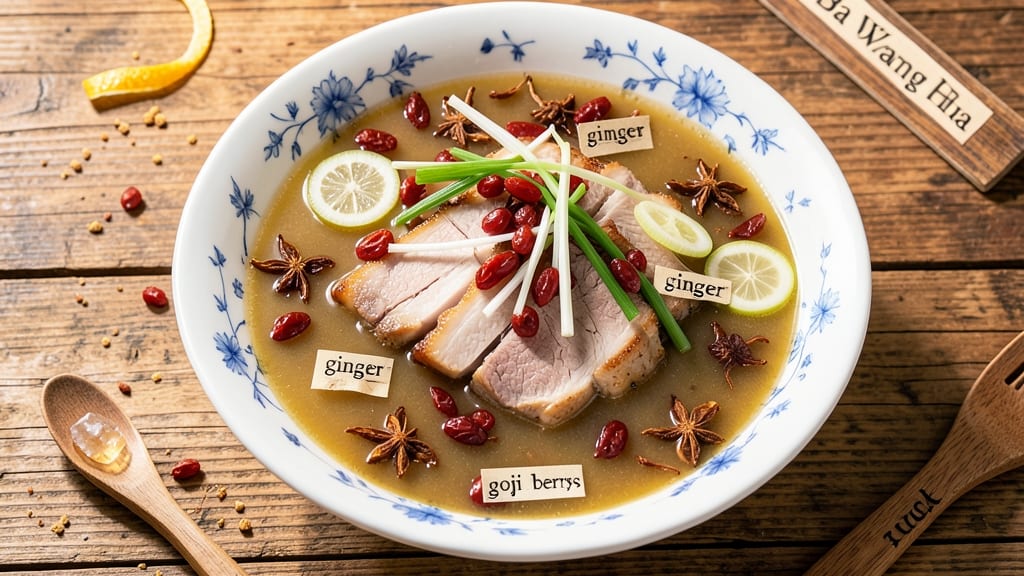
This Ba Wang Hua Soup recipe brings the delicate floral aroma of osmanthus blossoms into your kitchen, a traditional Chinese remedy celebrated for both its soothing warmth and medicinal benefits. 🌸 The soup’s gentle sweetness and herbal depth make it a staple in Chinese households, often enjoyed during autumn or after meals to aid digestion and promote balance.
What sets this recipe apart is its careful infusion process, where the osmanthus blossoms steep slowly to release their fragrant essence without overpowering the broth.
At its core, this soup relies on a simple yet effective combination of osmanthus blossoms, goji berries, and pork (or a vegetarian alternative), all simmered together to create a harmonious blend of flavors.
The osmanthus blossoms, dried and carefully measured, are the star ingredient, lending their signature floral aroma and subtle sweetness to the broth. Traditional versions often include ginger and scallions for added warmth, while modern adaptations might incorporate chicken or tofu for extra protein.
The result is a fragrant, lightly sweet broth that’s both comforting and nourishing, perfect for sipping slowly or serving as a light meal. The osmanthus blossoms soften as they simmer, infusing the broth with their delicate perfume, while the goji berries add a subtle chewiness and earthy sweetness.
This soup isn’t just about flavor—it’s a reminder of how food can bridge tradition and wellness, offering both comfort and health in every bowl.
Whether you’re preparing it for a special occasion or as a daily ritual, this recipe delivers a restorative experience that’s as much about the process as it is about the final dish.
The key lies in patience—letting the flavors meld gradually—and the reward is a soup that feels like a warm embrace. Ready to create this timeless classic? Let’s begin.
Ingredients for ba wang hua soup
Delicate floral notes meet hearty broth in this traditional Chinese remedy.
| Ingredient | Amount | Notes |
|---|---|---|
| Dried Osmanthus Blossoms (Ba Wang Hua) 🌸 | 1 tbsp | High-quality, organically dried preferred |
| Pork Shoulder 🥓 | 1 ½ lb | Bone-in for richer flavor |
| Dried Goji Berries 🍇 | ½ cup | Organic, no stems |
| Fresh Ginger 🧄 | 2 slices | About 2-inch pieces, peeled |
| Green Onions 🧅 | 4 whole | Cut into 1-inch pieces |
| Rock Sugar 🍬 | 2 tbsp | Or substitute white sugar |
| Dried Red Dates 🍎 | 4 whole | Pitted and halved |
| Star Anise 🌟 | 2 whole | Lightly crushed |
| Cinnamon Stick 🌿 | 1 whole | 2-inch piece |
| Water 💧 | 8 cups | Filtered preferred |
| Light Soy Sauce 🥢 | 1 tbsp | For umami depth |
| Sesame Oil 🥜 | 1 tsp | Toasted for aroma |
| Salt 🧂 | 1 tsp | Adjust to taste |
The osmanthus blossoms are the soul of this soup—authentic dried blossoms from a specialty Asian market yield the best floral aroma. Penzeys Spices or H Mart carry high-quality options, but avoid anything with artificial fragrances. The pork shoulder should have visible fat marbling for rich flavor; Costco or Whole Foods typically stock excellent cuts. For a vegetarian version, substitute shiitake mushrooms or tofu—both absorb the floral essence beautifully. The goji berries should be plump and deep red; soak them briefly if they're particularly hard.
No osmanthus blossoms? Jasmine tea bags (removed after steeping) offer a subtle floral alternative, though the aroma won't match. The rock sugar can be swapped for honey or maple syrup, though traditionalists insist on its delicate sweetness. Fresh ginger is ideal, but powdered works at half the amount if you're in a pinch. The star anise and cinnamon are non-negotiable for depth—spice merchants often sell them whole, which is perfect for this recipe. For extra richness, a splash of Shaoxing wine (2 tbsp) elevates the broth without overpowering the floral notes.
Simmer the osmanthus blossoms with the broth first—10 minutes maximum—to avoid bitterness. Store the finished soup in an airtight container for 3-4 days in the fridge, though it's best enjoyed fresh. The pork can be pre-cooked and refrigerated for 2 days before making the soup. For a restaurant-quality touch, garnish with toasted sesame seeds and a drizzle of sesame oil before serving.
Why You'll Love This Recipe
- Pantry Magic: I swear by this one—no last-minute grocery runs. Just pull dried osmanthus and goji berries from your shelf (if you don’t have them, any Asian market sells them cheap), toss in pork shoulder, and you’re golden. The only fresh stuff? Ginger and green onions, which I always keep on hand.
- Fragrant Secret Weapon: That first whiff of osmanthus blooms simmering in the broth? It’s like a warm hug in a bowl. The pork melts into tender shreds, while the goji berries add a chewy, sweet bite—honestly, it’s the kind of flavor that makes you pause mid-sip and think, “Why don’t I make this more often?”
- Weeknight Workhorse: This soup is my lazy-days hero. Too tired to plan? Throw it together for dinner. Hosting unexpected guests? It’s elegant enough for company but still feels like home cooking. Even my picky teen asks for seconds—(yes, even on a Tuesday night).
- Leftovers That Don’t Let You Down: I make a big pot on Sundays because the flavor actually improves the next day. Reheat it, add a splash of water, and it’s just as rich. Plus, the pork gets even more fall-apart tender—my budget-friendly, zero-waste solution for the week.
Step-by-step instructions for fragrant osmanthus blossom soup
This traditional Chinese soup delivers delicate floral notes and rich umami in every spoonful.
🍳 Step 1: Prepare the Aromatic Base
In a large pot, combine the 8 cups water, 1.5 lb pork shoulder (cut into 2-inch chunks), 2 slices fresh ginger, 2 whole star anise, and 1 whole cinnamon stick. Bring to a rolling boil over high heat, then immediately reduce to medium-high and skim off any foam that rises to the surface. This removes impurities and ensures a clear broth.
Simmer uncovered for 30 minutes until the pork begins to soften and the broth develops a subtle ginger aroma. The pork should be partially tender but not falling apart. Here's the thing—this initial simmer builds the foundation for all that floral complexity we're after with the osmanthus blossoms.
👨🍳 Step 2: Infuse with Osmanthus and Sweet Spices
Add the 1 tbsp dried osmanthus blossoms, 4 whole dried red dates, and 2 tbsp rock sugar to the simmering broth. The osmanthus should float on the surface—don't press them under. Let the mixture simmer gently for 20 minutes, stirring occasionally to prevent the blossoms from sticking to the bottom.
You'll notice the broth develop a delicate golden hue and subtle floral scent. This is where the magic happens—the osmanthus releases its fragrant oils into the liquid. If you're using high-quality blossoms, you'll detect a subtle jasmine-like aroma. Don't walk away—this is the moment that matters: the blossoms should remain whole but soft to the touch when you test them with a spoon.
🍳 Step 3: Build Depth with Goji Berries and Soy Sauce
Add the 0.5 cup dried goji berries and 1 tbsp light soy sauce to the pot. Simmer for another 15 minutes until the goji berries plump up and the pork becomes fork-tender. The broth should now have a rich amber color and carry both floral and umami notes.
Here's where it gets fun—taste the broth and adjust seasoning. The rock sugar should balance the pork's saltiness, but if needed, add a pinch more salt (up to the 1 tsp total). The goji berries should be soft but still hold their shape—if they're too tough, simmer another 5 minutes. Real talk: this is where many home cooks rush, but patience ensures that perfect harmony of flavors.
🥘 Step 4: Finish with Fresh Aromatics
Remove the pork from the broth and let it rest for 5 minutes while you prepare the finishing touches. In a small bowl, combine the 4 whole green onions (cut into 1-inch pieces) and 1 tsp sesame oil. Toss gently to coat.
Return the pork to the pot and bring everything to a gentle simmer. Add the green onion-sesame oil mixture and cook for just 2 minutes—this preserves their vibrant color and fresh aroma. The sesame oil should infuse the final moments of cooking, adding a nutty depth that complements the floral notes.
🍽️ Step 5: Serve with Precision
Ladle the soup into bowls, ensuring each serving contains both pork chunks and goji berries. The broth should be fragrant with osmanthus aroma, slightly sweet from the rock sugar, and rich from the pork and soy sauce. Serve immediately while the osmanthus blossoms are still releasing their delicate oils.
For the ultimate experience, garnish each bowl with a few extra osmanthus blossoms and a drizzle of toasted sesame oil. The contrast between the floral soup and nutty sesame oil creates a perfect balance. Each spoonful should deliver layers of flavor: the floral osmanthus, sweet dates, umami pork, and fresh green onions. Don't skip the sesame oil—it ties all the flavors together like no other ingredient can.
Pro Tips For Making Ba Wang Hua Soup
- SOAK THE OSMANTHUS FIRST: I learned this the hard way—tossing dried ba wang hua straight into boiling water just makes them sink like rocks and never bloom properly. Give them a quick 5-minute soak in warm water before adding to the broth; they’ll soften and release their floral aroma without turning the soup into a muddy mess.
- CUT PORK INTO EVEN PIECES: Uneven pork shoulder chunks mean some will be rubbery while others fall apart. Aim for 1.5-inch cubes—big enough to stay intact but small enough to cook through in the same time. A sharp knife and a steady hand make this easier than it sounds.
- DON’T BOIL THE GINGER: Fresh ginger releases bitterness when boiled hard, and that’ll overpower the delicate osmanthus flavor. Instead, slice it thinly (about 1/8-inch) and add it to the simmering broth just until fragrant—about 10 minutes max. Remove it before serving unless you’re craving a spicy kick.
- SIMMER LOW AND LONG: This isn’t a race. After the initial boil, drop the heat to a bare simmer (tiny bubbles, not rolling) and let the pork cook for at least 1.5 hours. Rushing it turns the broth cloudy and the meat tough—patience here guarantees a clear, rich soup with melt-in-your-mouth pork.
Creative variations of this ba wang hua soup
Floral Infusion Twist
Swap the traditional osmanthus blossoms for jasmine tea bags (1-2 bags removed after steeping) if you can't find dried blossoms. For an extra floral punch, add 1 tsp rose petals (dried) alongside the osmanthus—they'll infuse a delicate rose aroma that pairs beautifully with the osmanthus.
I've tested this variation, and it creates a dual-floral experience that feels luxurious. 🌸
Protein Alternatives
For a vegetarian version, replace pork with shiitake mushrooms (8 oz, sliced) or firm tofu (14 oz, pressed and cubed). Both absorb the floral essence wonderfully, though mushrooms add an earthy depth that complements the osmanthus.
If using tofu, add it during the final 10 minutes of simmering to prevent it from absorbing too much liquid. 🍄
Sweet-Spiced Variations
Enhance the sweetness with 1 tbsp honey instead of rock sugar for a modern twist, or add 1 tsp lotus seed paste for a silky texture and natural sweetness.
For warmth, include ½ tsp fennel seeds alongside the star anise—they add a subtle licorice note that harmonizes with the floral flavors. I love this variation for autumn gatherings. 🍯
Herbal Enhancements
Boost the soup's medicinal qualities by adding 1 slice of dried wolfberries (goji berries' cousin) or ½ tsp dried longan slices for a chewy texture and mild sweetness. Both are commonly used in traditional Chinese medicine for energy support.
For a citrusy kick, zest 1 small orange into the broth during the final 5 minutes of simmering. 🍊
Regional Adaptations
In Southern Chinese versions, you might see tangerine peel (1-inch strip) added for a bright, citrusy aroma. Northern adaptations often include dried lily buds (½ cup) for a floral crunch.
I've made both versions, and the tangerine peel adds a refreshing contrast to the osmanthus, while lily buds give a delightful textural surprise. 🗺️
Seasonal Adjustments
For summer, reduce the rock sugar to 1 tbsp and add 1 tbsp fresh lime juice at the end for brightness. In winter, increase the ginger to 3 slices and add 1 tsp grated fresh turmeric for warmth.
These tweaks keep the soup vibrant year-round while respecting the osmanthus's delicate nature. ❄️
Nutrition facts
Frequently asked questions
What makes osmanthus blossoms special in this soup?
The dried osmanthus blossoms are the heart of this soup, infusing a delicate floral aroma that's both fragrant and subtly sweet. Unlike other floral ingredients, they release their essence gradually when simmered gently, creating a harmonious balance with the savory pork and sweet spices. Traditional Chinese medicine values them for their calming properties and ability to support digestion.
Can I substitute pork with another protein?
For a vegetarian version, use shiitake mushrooms (8 oz) or firm tofu (14 oz) instead. Both absorb the floral flavors beautifully. If using tofu, add it during the final 10 minutes of cooking to prevent it from becoming too soft. For seafood lovers, try shrimp or scallops—they cook quickly and pair wonderfully with the floral notes.
How do I know when the osmanthus blossoms are infused properly?
The blossoms should float on the surface and soften slightly after 20 minutes of simmering. Test one by gently pressing it with a spoon—it should feel tender but still hold its shape. If they sink or turn bitter, they've oversteeped. The broth should develop a golden hue and carry a subtle floral scent. If it smells too strong, reduce the simmering time next batch.
What's the best way to store leftover soup?
Store the soup in an airtight container in the refrigerator for up to 3-4 days. The flavors actually deepen overnight! When reheating, warm it gently on the stove over low heat and add a splash of water if the broth thickens. Avoid microwaving to preserve the delicate floral aroma. For longer storage, freeze portions for up to 3 months, though the texture may change slightly.
Can I make this soup without osmanthus blossoms?
Yes! For a floral alternative, use 1-2 jasmine tea bags (removed after steeping) or 1 tsp dried rose petals. These will add a milder floral note, though the aroma won't match authentic osmanthus. The key is to steep them for only 10-15 minutes to avoid bitterness. For a non-floral version, focus on enhancing the ginger, goji berries, and pork for a rich, umami-packed broth.