
Soups & Stews
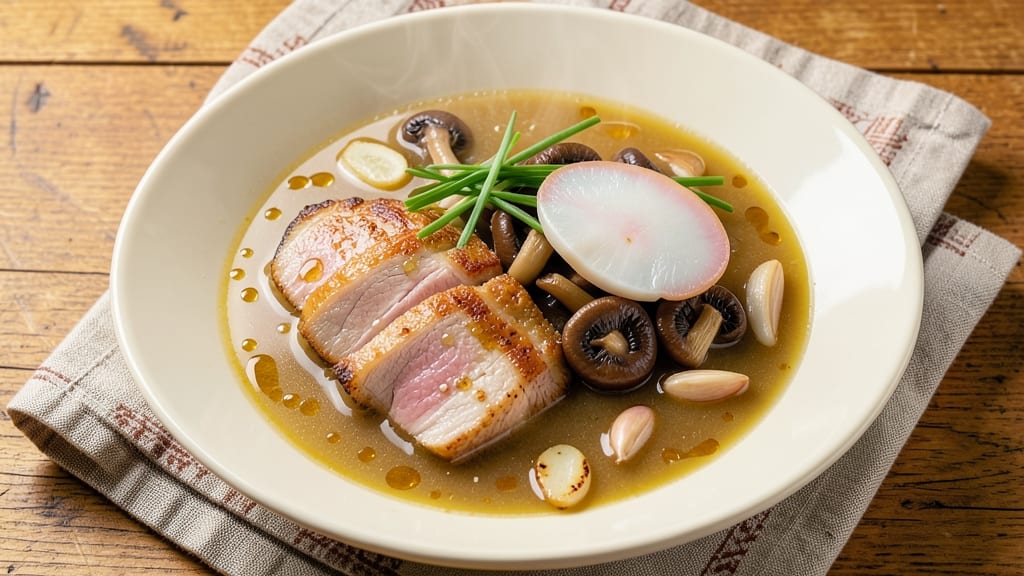
Abalone and pork soup delivers the ultimate luxury of seafood-meat harmony in a single pot, where tender abalone meets rich, savory pork in a velvety broth. This recipe transforms delicate ingredients into a restaurant-worthy dish that's surprisingly approachable for home cooks.
The secret lies in balancing textures—crisp edges on the abalone, melt-in-your-mouth pork, and a broth so rich it coats every spoonful.
What sets this soup apart is the technique: abalone is pre-cooked to maintain its delicate texture, while pork is marinated to develop deep flavor. The broth simmers low and slow, allowing all components to meld into a cohesive, deeply satisfying dish.
No special equipment is needed—just patience and attention to detail that pays off in every bite.
By the time you serve this soup, you'll have created a dish that feels like a special occasion—golden abalone pieces floating in a glossy broth, surrounded by tender pork that falls apart at the touch.
The aroma alone will have everyone gathering at the table, eager for their first taste of this luxurious combination.
Perfect for weekend dinners or impressing guests, this recipe scales beautifully while maintaining balance. The technique ensures restaurant-quality results without the complexity, making it ideal for home cooks ready to elevate their soup game.
Ingredients for abalone pork soup
Elevate your soup game with these premium ingredients designed for luxurious seafood-meat harmony.
| Ingredient | Amount | Notes |
|---|---|---|
| Abalone Meat 🐚 | 8 oz | Pre-cooked for delicate texture |
| Pork Shoulder 🥓 | 1 ½ lb | Cut into 1-inch cubes |
| Dried Shiitake Mushrooms 🍄 | ½ oz | Rehydrated for umami depth |
| Fresh Ginger 🧄 | 1 inch | Peeled, sliced thinly |
| Garlic Cloves 🧄 | 6 cloves | Minced for aromatic base |
| Green Onions 🧅 | ¼ cup | Sliced, white and green parts |
| Dried Scallops 🦪 | ¼ cup | Rehydrated for texture |
| Soy Sauce 🍶 | ½ cup | Dark soy preferred for color |
| Shaoxing Wine 🍷 | ¼ cup | Substitute with dry sherry |
| Sesame Oil 🫒 | 1 tbsp | Toasted for finishing aroma |
| Cornstarch 🌾 | 1 tbsp | For abalone velouté |
| Vegetable Oil 🫒 | 2 tbsp | High smoke point preferred |
| Dashi Stock 💧 | 4 cups | Homemade or quality store-bought |
| Water 💧 | 2 cups | For broth dilution |
| Salt 🧂 | 1 tsp | Adjust to taste |
The abalone demands special attention—freshness is non-negotiable for its delicate texture. Look for sushi-grade abalone at high-end seafood markets or specialty Asian grocers like H Mart. The meat should be translucent with a slight pearlescent sheen, never cloudy or discolored. For pork, bone-in shoulder provides superior flavor and collagen for the broth, though boneless works in a pinch. If using frozen abalone, thaw it overnight in the fridge—never at room temperature. The shiitake mushrooms should be dried, not fresh—they contribute unmatched umami depth when rehydrated.
No Shaoxing wine? Dry sherry or mirin work beautifully, though the flavor profile will differ slightly. Substituting dried scallops? Rehydrated abalone scraps provide a similar texture boost. For the ginger, fresh is essential—ground ginger lacks the bright, zesty aroma needed here. The soy sauce matters too—dark soy adds color and depth, while light soy provides the salty backbone. If you can't find dried scallops, extra-firm tofu pressed and cubed offers a vegetarian alternative, though the texture won't be identical. For the dashi stock, homemade with kombu and bonito flakes elevates the dish further than store-bought versions.
Store prepped ingredients strategically: the pork marinade keeps 3 days in the fridge, while the abalone should be used immediately after pre-cooking. Rehydrated mushrooms and scallops can be refrigerated for 2 days in sealed containers. The finished soup reheats beautifully—simmer gently to preserve its delicate textures. For optimal freshness, serve within 2 days of preparation, though the flavors deepen overnight. Portion into shallow containers to maintain the luxurious presentation when reheating.
Why You'll Love This Recipe
- One-Pot Magic: I swear by this recipe because it’s actually one-pot—no juggling pans or washing dishes mid-cook. Just toss the pork shoulder, abalone, shiitakes, and ginger into the broth, let it simmer, and walk away. The abalone turns tender on its own while the pork stays juicy, no babysitting required.
- Umami Bomb: That first sip? Chef’s kiss. The dried shiitakes soak up the broth, then release their deep, earthy flavor, while the garlic and ginger hit like a warm hug. Honestly, the abalone’s briny sweetness ties everything together—it’s the kind of soup that makes you groan in pleasure.
- Weeknight to Weekend: Between us, this is my go-to for lazy Mondays and Sunday dinners. Double the batch, and you’ve got leftovers that taste even better the next day—perfect for meal prep or feeding guests. (Yes, even on a Tuesday night.)
- Budget Luxury: Abalone might sound fancy, but here’s the secret: a little goes a long way, and the pork shoulder stretches the meal. I’ll be real—it’s not cheap, but it feels like a restaurant-quality dish without the price tag. Plus, the shiitakes add depth for pennies. Worth every bite.
Step-by-step instructions for abalone and pork soup
Master this luxurious fusion of delicate abalone and rich pork in one elegant pot.
Prepare the Umami Base
In a large pot, heat the 2 tablespoons vegetable oil over medium heat. Add the 1-inch fresh ginger and 6 cloves garlic cloves, cooking for 2 minutes until fragrant and the ginger turns golden at the edges. This aromatic foundation builds the soup's depth.
Add the 0.5 ounces dried shiitake mushrooms and 0.25 cup dried scallops, stirring constantly for 1 minute until the mushrooms rehydrate and release their earthy essence. Pour in the 0.25 cup Shaoxing wine and 0.5 cup soy sauce, scraping the bottom to incorporate any browned bits. This creates the rich, savory backbone of the soup.
Build the Broth and Cook the Pork
Add the 4 cups dashi stock and 2 cups water, bringing to a gentle boil. Lower the heat to medium-low and add the 1.5 pounds pork shoulder cut into 1-inch cubes. Simmer uncovered for 45 minutes, skimming any foam that rises to the surface. The pork should begin to tenderize while the broth develops layers of flavor.
After 45 minutes, check the pork for tenderness. If it's not fork-tender, continue simmering for another 10-15 minutes. The broth should reduce slightly, intensifying its umami character. This slow cooking transforms tough pork into melt-in-your-mouth bites.
Incorporate the Abalone and Thicken
In a small bowl, whisk together the 1 tablespoon cornstarch with 2 tablespoons water to create a smooth slurry. Add the 8 ounces abalone meat to the simmering broth and cook gently for 3 minutes to warm through without overcooking.
Slowly pour the cornstarch slurry into the pot while stirring constantly. The soup will begin to thicken immediately, creating a velvety texture that coats the abalone and pork. Cook for an additional 2 minutes until the soup reaches a luxurious consistency—silky but still light enough to sip.
Finish with Aromatics and Garnish
Remove the pot from heat and stir in the 1 tablespoon sesame oil and 1 teaspoon salt, adjusting to taste. The sesame oil adds a nutty aroma that elevates the dish, while the salt balances the rich flavors. Let the soup rest for 5 minutes to allow the ingredients to meld.
Just before serving, garnish each bowl with 0.25 cup sliced green onions, adding a fresh, crisp contrast to the rich soup. The white parts should be finely chopped for texture, while the green tops add a bright visual finish. Serve immediately with steamed rice to soak up every luxurious bite.
Pro Tips For Making Abalone Pork Soup
- Parboil Abalone First: Throw your abalone in boiling water for exactly 2 minutes before adding it to the soup—this stops it from turning rubbery later. I used to skip this and ended up with chewy chunks that ruined the whole dish. Trust me, the 2-minute blanch makes all the difference.
- Salt Pork Overnight: Toss your pork shoulder in a mix of salt, sugar, and Shaoxing wine at least 6 hours before cooking—preferably overnight. This keeps it tender and infuses flavor deep into the meat, not just on the surface. (Yes, even if you’re impatient like me.)
- Rehydrate Shiitakes Properly: Soak dried shiitakes in hot water for 20 minutes, then squeeze out every last drop before slicing—don’t just rinse them. Cold water won’t wake up their flavor, and leaving excess moisture in the pan dilutes the broth. Sounds weird, but it works.
- Simmer Low and Slow: Once everything’s in the pot, drop the heat to a bare simmer—just enough to see tiny bubbles at the edges. I was skeptical until I tried it: high heat turns the abalone tough and the pork greasy. Low and slow keeps the broth clear and the meat falling apart.
Best sauces and condiments for this abalone pork soup
Umami Depth Boosters
Elevate your abalone pork soup with dried shiitake mushrooms and dried scallops—these are my secret weapons for umami intensity. Rehydrate the mushrooms in hot water for 10 minutes before adding them to the broth, then squeeze out excess liquid to concentrate their flavor.
For extra depth, add 1 tsp fish sauce when combining the broth ingredients—it enhances the savory notes without overpowering the delicate abalone. 🍄
Broth Enhancers
Transform your broth from good to extraordinary with homemade dashi stock—simmer 1 piece kombu and 2 tbsp bonito flakes in 4 cups water for 15 minutes, then strain. This adds a clean, oceanic richness that complements the abalone perfectly.
If using store-bought, opt for high-quality seafood stock like Knorr Seafood Base for authentic flavor. For a vegetarian twist, substitute with mushroom broth and add 1 tbsp miso paste for umami complexity. 💧
Texture Upgrades
Create a silky velouté by whisking 1 tbsp cornstarch with 2 tbsp cold water before adding it to the simmering broth. For extra richness, blend ½ cup cooked pork with ½ cup broth and strain it back into the pot—this creates a luxurious, meat-infused sauce.
If you love crunch, stir in 1 tbsp toasted sesame seeds or crispy fried shallots just before serving. 🌾
Flavor Balancers
Balance the richness with 1 tsp rice vinegar or 1 tsp lime juice—this brightens the dish without overpowering. For a smoky note, add ½ tsp smoked paprika when sautéing the garlic.
If your soup tastes too salty, dilute with ½ cup hot water and adjust seasoning. A pinch of white pepper adds warmth without altering the color. ✨
Finishing Touches
Drizzle with 1 tsp toasted sesame oil right before serving to add a nutty aroma and glossy sheen. For a pop of color, sprinkle chopped cilantro or microgreens on top.
A few drops of chili oil (like Lao Gan Ma) add subtle heat, while toasted garlic oil enhances the savory depth. These final touches turn good soup into a showstopper. 🌟
Nutrition facts
Frequently asked questions
How do I properly prepare abalone for this soup?
Fresh abalone meat should be cleaned by removing the outer membrane and any remaining shell fragments. Rinse thoroughly under cold water and pat dry. For best results, pre-cook the abalone in simmering water for 3-4 minutes to maintain its delicate texture before adding it to the soup. Never overcook—it should stay tender and slightly translucent.
Can I substitute pork shoulder with another cut?
Yes, but choose wisely! Pork belly or pork butt work beautifully—they add extra fat for richness. Avoid lean cuts like tenderloin, as they won't develop the same depth of flavor. If using pork belly, reduce the cooking time by 10-15 minutes since it tenderizes faster.
What if I don't have Shaoxing wine?
No problem! Use dry sherry or mirin as substitutes—they'll add sweetness and depth. For a non-alcoholic option, try apple cider vinegar mixed with 1 tsp sugar. Avoid sweet wines like Riesling, as they can overpower the dish. The key is balance—adjust to taste after simmering.
How can I make this soup vegetarian?
Replace the pork with extra-firm tofu (pressed and cubed) or shiitake mushrooms for umami. Use vegetable broth instead of dashi and add 1 tbsp miso paste for depth. For texture, include rehydrated dried scallops or king oyster mushrooms. The abalone remains the star!
Why did my abalone turn rubbery?
Overcooking is the most common culprit! Abalone cooks in just 3 minutes in the soup—any longer and it toughens. Also, ensure you're using pre-cooked abalone (as in the recipe) and avoid boiling it. If it's still rubbery, try reheating with 1 tbsp extra broth to restore moisture. Freshness matters too—older abalone is more prone to toughness.