
Soups & Stews
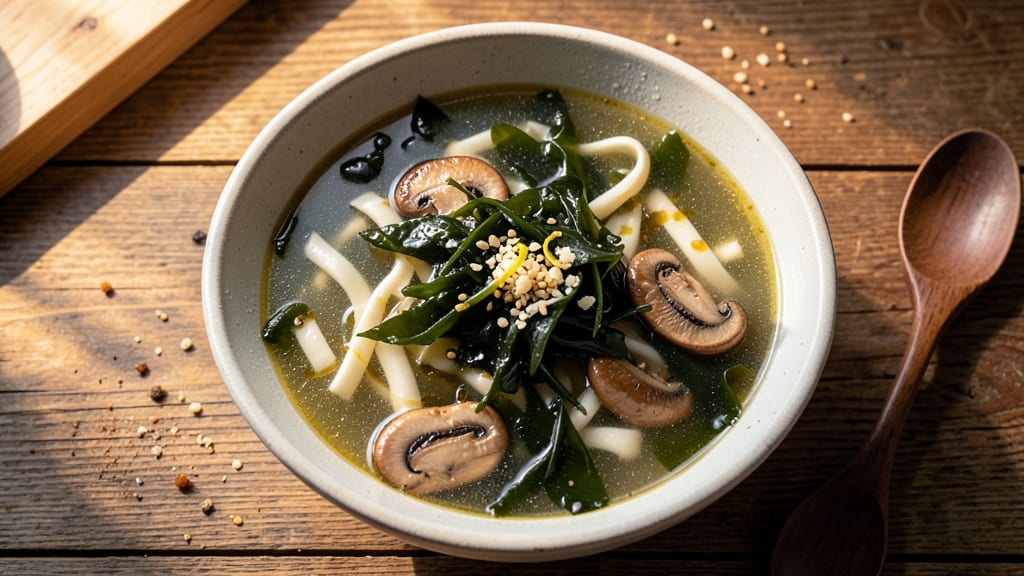
This algae soup recipe transforms simple ingredients into a deeply flavorful, umami-rich broth that balances earthy seaweed with delicate textures. The secret lies in properly preparing the algae—whether using nori, wakame, or spirulina—to unlock its natural depth without overpowering the dish.
What starts as a humble vegetable broth becomes a complex, restaurant-worthy soup with layers of savory and slightly briny notes.
The foundation is a slow-simmered broth infused with kombu or dashi powder, which extracts the algae's umami essence while keeping the soup light. Adding silken tofu, mushrooms, and seasonal vegetables creates a satisfying texture contrast—creamy, chewy, and crisp all in one bowl.
The result is a soup that feels both traditional and modern, perfect for plant-based eaters or anyone craving a nutrient-dense meal.
What makes this recipe stand out is its versatility—adjust the heat with chili oil, add miso for depth, or keep it clean with just garlic and ginger. The algae not only enhances flavor but also boosts nutrition, delivering minerals and antioxidants in every spoonful.
Serve it as a starter, light lunch, or comforting dinner, and watch how its complex taste profile elevates even the simplest meal.
For best results, soak dried seaweed properly and strain the broth carefully to avoid bitterness. The key to success is patience—letting flavors meld during simmering transforms this dish from ordinary to extraordinary.
Whether you're exploring vegan cuisine or simply seeking a new umami experience, this algae soup delivers depth and satisfaction in every bite.
Ingredients for algae soup
Simple yet sophisticated—these ingredients craft umami depth without complexity.
| Ingredient | Amount | Notes |
|---|---|---|
| Dried Kombu Seaweed 🍃 | 1 sheet | Cut into 2-inch pieces |
| Dried Wakame Seaweed 🍃 | 2 oz | Soaked for 10 minutes |
| Silken Tofu 🍱 | 1 block | Firm, cubed for texture |
| Vegetable Broth 💧 | 4 cups | Homemade or low-sodium |
| Shiitake Mushrooms 🍄 | 4 whole | Stemmed, sliced thin |
| Fresh Garlic 🧄 | 3 cloves | Minced for aromatic base |
| Fresh Ginger 🍋 | ½ inch | Peeled, julienned |
| Carrots 🥕 | 1 medium | Julienned for texture |
| Green Onions 🧅 | 3 whole | Sliced for garnish |
| Sesame Oil 🫒 | 1 tbsp | Toasted for aroma |
| White Miso Paste 🍶 | 1 tbsp | Dissolved in broth |
| Chili Oil 🌶️ | 1 tbsp | Optional for heat |
| Diamond Crystal Kosher Salt 🧂 | ½ tsp | Adjust to taste |
| Black Pepper 🌶️ | ¼ tsp | Freshly cracked |
The kombu and wakame are the heart of this soup. Look for high-quality dried sheets at Asian markets or well-stocked grocery stores like Whole Foods—avoid pre-packaged varieties with additives. The kombu should be dark, leathery, and free of holes or discoloration. For wakame, organic brands like Marukome are ideal, but any dried seaweed works if it's labeled 'food-grade.' Soaking times vary, but 10 minutes max prevents bitterness. If you can't find kombu, dashi powder is a decent substitute, though it lacks kombu's natural umami complexity.
No silken tofu? Extra-firm tofu pressed and cubed works, though texture will differ. Fresh ginger is non-negotiable here—ground ginger lacks the bright, citrusy notes this dish needs. Short on shiitake mushrooms? Cremini or oyster mushrooms provide a similar earthy depth. The miso paste should be white or shiro miso for mildness; red miso adds intensity. For extra richness, add 1 tbsp nutritional yeast when serving. The broth can be homemade (simmer veggie scraps with kombu) or store-bought (check labels for vegan certification).
Store the kombu sheets in a cool, dark place for up to 1 year, while dried wakame keeps 6-12 months in an airtight container. The broth base can be prepped ahead and frozen for 3 months—simply reheat and add fresh ingredients when serving. For maximum flavor, reheat gently on low and finish with a drizzle of sesame oil and fresh green onions. The soup's umami peaks after 24 hours of refrigeration, as flavors meld deeper over time.
Why You'll Love This Recipe
- No-Soaking Needed: I’ll admit, I was skeptical about dried seaweed—until I realized you just rinse the kombu and wakame, then toss them in boiling broth. No waiting, no fuss, just 10 minutes of hands-off magic while the umami builds.
- Umami Bomb: Between the shiitake mushrooms and kombu’s deep ocean notes, this soup hits harder than a coffee addiction. The silken tofu adds a creamy contrast that makes every spoonful feel like a little flavor victory.
- Weeknight to Party: Honestly, this is my lazy night and my "impress the in-laws" dish. For weeknights, I bulk it up with rice and pack it for lunch. For guests? Garnish with sesame oil and a sprinkle of nori—suddenly it’s fancy.
- Budget Meal Hero: A single bag of kombu stretches into three soups, and wakame costs pennies at Asian markets. The shiitake? Swap in store-brand dried mushrooms if needed. It’s the kind of recipe where the ingredients outlast your grocery list.
Step-by-step instructions for algae soup with seaweed depth
This method transforms simple ingredients into a complex, umami-rich broth where seaweed takes center stage.
Prepare the Kombu and Wakame for Maximum Flavor Extraction
Cut the 1 sheet dried kombu seaweed into 2-inch pieces and rinse briefly under cold water to remove any debris. Place the kombu in a clean pot and cover with the 4 cups vegetable broth. Bring to a gentle simmer over medium-low heat and let it steep for 10 minutes. The kombu will release its deep, oceanic umami into the broth—this is the foundation of your soup's complexity.
While the kombu infuses, soak the 2 oz dried wakame seaweed in cold water for 10 minutes to rehydrate. Drain and set aside. The wakame will contribute a delicate, briny sweetness that balances the kombu's intensity. Never skip this soaking step—dry wakame absorbs broth unevenly and can make the soup bitter.
Build the Aromatic Base with Mushrooms and Aromatics
In a separate pot or the same pot after removing the kombu, heat 1 tablespoon sesame oil over medium heat until shimmering. Add the 4 whole shiitake mushrooms (stemmed and sliced thin) and cook for 4-5 minutes until they release their moisture and develop golden edges. Remove the mushrooms and set aside—they'll return later for texture.
In the same oil, add the 3 cloves minced fresh garlic and 0.5 inch julienned fresh ginger. Cook for 30 seconds until fragrant but not browned—burnt garlic will overpower the delicate seaweed flavors. The aroma should fill your kitchen, signaling the base is ready for the broth.
Combine and Simmer the Broth
Return the kombu-infused broth to the pot and add the dissolved 1 tablespoon white miso paste (mixed with 2 tablespoons cold water to prevent clumping). Stir in the julienned 1 medium carrot and bring to a gentle simmer. Add the drained wakame seaweed and cook for 8-10 minutes until the carrots are tender but still hold their shape—you want texture, not mush.
Season with 0.5 teaspoon Diamond Crystal kosher salt and 0.25 teaspoon black pepper, then stir in the reserved shiitake mushrooms. The soup should now have layers of flavor: the kombu's deep umami, wakame's brininess, mushrooms' earthiness, and carrots' natural sweetness. Taste and adjust seasoning—this is where the soup comes together.
Finish with Tofu and Garnish for Texture
Cube the 1 block silken tofu into ½-inch pieces and gently fold them into the simmering soup. Heat through for 2 minutes—just enough to warm the tofu without breaking it down. The silken tofu adds a delicate, almost custard-like texture that contrasts beautifully with the seaweed's chew.
Ladle the soup into bowls and garnish with sliced 3 whole green onions and a drizzle of 1 tablespoon chili oil (if using). The green onions add a fresh, bright finish, while the chili oil introduces a subtle heat that cuts through the richness. Serve immediately while the broth is steaming hot—this soup is best enjoyed fresh from the pot.
Pro Tips For Making Algae Soup
- SOAK KOMBU FIRST: Dried kombu releases its umami punch faster if you give it a quick 10-minute soak in cold water before adding to the broth—don’t skip this, or your soup will taste flat and underseasoned. I used to ignore this step and wondered why my soup never had that deep, oceanic richness.
- SLICE SHIITAKES THIN: Thinly sliced shiitake mushrooms (about 1/8-inch thick) cook faster and absorb flavors better than thick chunks—no one wants rubbery mushrooms in their soup. Use a sharp knife and work in batches if needed; this isn’t the time to rush.
- DON’T BOIL WAKAME: Wakame turns slimy and mushy if boiled—simmer it gently for 3-4 minutes after adding to the pot. I learned this the hard way when I aggressively stirred a pot of soup and ended up with a sad, watery mess instead of tender, chewy strands.
- CUT TOFU LATE: Add silken tofu in the last 2 minutes of cooking so it stays creamy and doesn’t turn to mush—overcooking is the fastest way to ruin its texture. For extra flair, drizzle a little sesame oil over it after serving; it makes all the difference.
Flavor customization for this recipe
Spicy Miso Heat
Transform this soup into a fiery experience by blending 2 tablespoons red miso paste with 1 tablespoon gochujang (Korean chili paste) and 1 teaspoon rice vinegar. Stir this mixture into the simmering broth just before adding the wakame.
The result? A bold, spicy-sweet depth that contrasts beautifully with the seaweed's natural brininess. For extra heat, top each bowl with ½ teaspoon crushed chili flakes and a drizzle of Korean ssamjang sauce. 🌶️
Creamy Coconut Twist
Swap out the vegetable broth for a rich coconut milk base by simmering 2 cups light coconut milk with the kombu and wakame. Add ½ cup cashew cream (blend soaked cashews with water) for extra creaminess.
Garnish with toasted coconut flakes and lime zest to brighten the dish. This tropical-inspired version works beautifully with thai basil leaves for a fragrant finish. The coconut's natural sweetness complements the seaweed's umami perfectly.
Smoky Chipotle Infusion
For a smoky depth, blend 1 chipotle pepper in adobo sauce with 1 tablespoon olive oil and spread it on the bottom of your pot before adding the kombu broth. Simmer the soup with the chipotle mixture for 5 minutes before adding the wakame.
Top with crumbled cotija cheese (or vegan feta) and fresh cilantro for a smoky-Mexican fusion. The chipotle adds warmth without overpowering the delicate seaweed flavors.
Citrusy Yuzu Brightness
Elevate the soup with Japanese yuzu juice—add 1 tablespoon yuzu juice (or substitute with an equal mix of lemon and mandarin orange juice) to the finished broth. Pair this with thinly sliced daikon radish and a sprinkle of toasted sesame seeds.
The citrus cuts through the soup's richness while enhancing the seaweed's natural sweetness. For extra zing, serve with pickled ginger on the side. 💛
Earthy Mushroom Boost
Double down on umami by adding 4 oz dried porcini mushrooms (soaked in hot water for 20 minutes) to the broth along with the shiitake. Strain and use the soaking liquid to boost the broth's depth.
Stir in 1 teaspoon dried shiitake powder for an extra earthy punch. Garnish with thinly sliced enoki mushrooms for a delicate, crisp contrast. This version feels heartier and more complex, perfect for colder months.
Herbaceous Tarragon Finish
For a French-inspired twist, stir 1 tablespoon chopped fresh tarragon into the simmering broth during the final 5 minutes of cooking. The tarragon's anise-like notes pair surprisingly well with the seaweed's oceanic depth. Garnish with chopped chives and a sprinkle of toasted hazelnuts for crunch.
This version works beautifully with a drizzle of white wine reduction (simmer ½ cup dry white wine until reduced by half) before serving.
Nutrition facts
Frequently asked questions about seaweed soup
Can I use fresh seaweed instead of dried?
Fresh seaweed works, but it's trickier to balance flavors. Use 2-3 times more fresh seaweed than dried (e.g., 6 oz fresh wakame instead of 2 oz dried) since it's less concentrated. Rinse thoroughly and pat dry before using—fresh seaweed releases more water, which can dilute your broth. For best results, combine with a small amount of dried kombu to maintain depth.
How do I prevent the soup from tasting bitter?
Bitterness comes from over-soaking or overcooking the seaweed. Always soak dried wakame for no more than 10 minutes and remove kombu after 10 minutes of simmering. Use high-quality seaweed (avoid pre-packaged varieties with additives) and never boil—simmer gently to preserve delicate flavors. A splash of rice vinegar or lemon juice at the end can also brighten the taste.
What's the best way to store leftover seaweed soup?
Store in an airtight container in the fridge for 3-4 days or freeze for up to 3 months. For reheating, warm gently on the stove over low heat and add a splash of water if it thickens. The flavors actually improve after 24 hours of refrigeration as the umami develops further. Never microwave—it destroys the delicate seaweed textures.
Can I make this soup without tofu?
For a vegan version, try coconut milk (add ½ cup at the end for creaminess) or chickpeas (½ cup, mashed for texture). Non-vegan options include shredded chicken or shrimp—just add them during the final 2 minutes of cooking to avoid overcooking. The seaweed's flavor pairs beautifully with both plant-based and animal proteins.
Why does my broth look cloudy?
Cloudiness usually means the seaweed released too much starch or wasn't strained properly. To fix it, strain the broth through a fine-mesh sieve or cheesecloth before adding other ingredients. For a clearer broth, simmer the kombu in water first, then add vegetable broth separately. If you prefer some texture, leave it slightly cloudy—it adds body to the soup!