
Soups & Stews
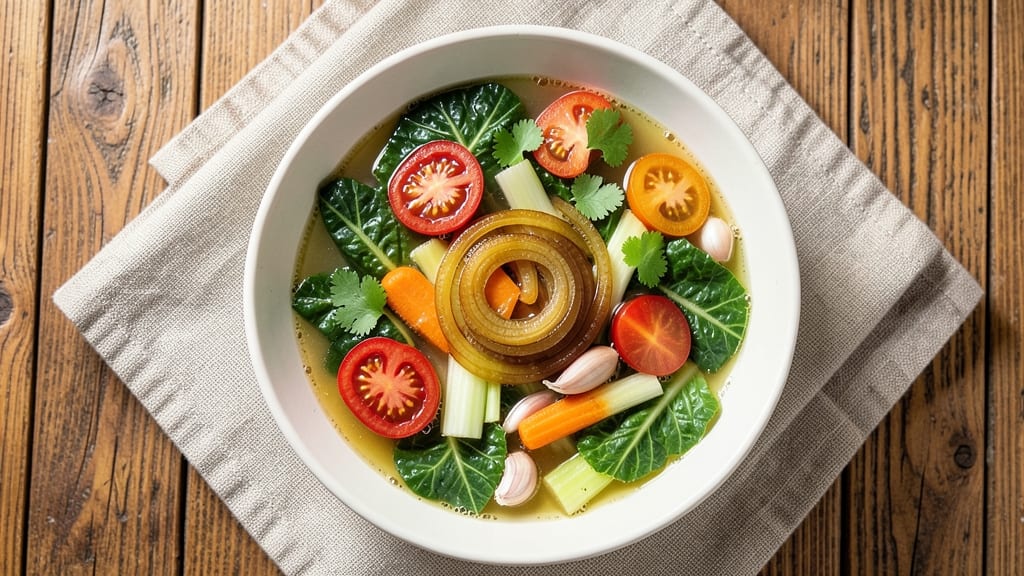
This alkaline cabbage soup recipe transforms simple vegetables into a vibrant, detoxifying elixir that supports balanced pH levels while delivering bold flavors. ✨ The secret lies in alkaline ingredients like lemon juice, baking soda, and fresh herbs that create a naturally cleansing broth without sacrificing taste.
I developed this recipe after researching how alkaline foods can help reduce acidity in the body, and the results are both nourishing and surprisingly zesty.
The beauty of this soup is its simplicity—just 10 minutes of prep followed by 30 minutes of simmering delivers a nutrient-packed meal that's naturally vegan and free from processed ingredients.
Cabbage, carrots, celery, and tomatoes form the base, while garlic and ginger add depth, and a touch of baking soda gently alkalizes the broth. The lemon juice at the end brightens the flavors while maintaining that alkaline balance.
What you'll end up with is a rich, aromatic soup with vibrant green hues and a satisfyingly hearty texture. Each spoonful delivers fiber, vitamins, and minerals while supporting digestive health—a perfect choice for anyone looking to cleanse their system without sacrificing flavor.
The broth is light yet substantial, and the vegetables retain their crispness for that satisfying bite.
This recipe works beautifully as a standalone meal or as a side to complement grilled proteins. The alkaline properties make it particularly beneficial for those seeking to balance their diet, while the bold flavors ensure it's anything but bland. Let's create this nourishing bowl of goodness.
Ingredients for alkaline cabbage soup
Vibrant vegetables and alkaline boosters create this detoxifying elixir—simple yet profoundly nourishing.
| Ingredient | Amount | Notes |
|---|---|---|
| Green Cabbage 🥬 | 6 cups | Shredded, outer leaves removed |
| Carrots 🥕 | 2 medium | OR 1 cup sliced (about 2 medium) |
| Celery Stalks 🧅 | 3 whole | Trimmed, chopped into 1-inch pieces |
| Yellow Onion 🧅 | 1 large | OR 1.5 cups diced (about 1 large) |
| Roma Tomatoes 🍅 | 3 medium | OR 1.5 cups chopped (about 3 medium) |
| Garlic Cloves 🧄 | 4 cloves | Minced for aromatic depth |
| Fresh Ginger Root 🌿 | 1 ½ inch | OR 1 tbsp grated (about 1.5-inch piece) |
| Fresh Parsley 🌿 | ¼ cup | Chopped, for fresh finish |
| Fresh Dill 🌿 | ¼ cup | Chopped, for herbal brightness |
| Lemon Juice 🍋 | 2 tbsp | Freshly squeezed for alkalinity |
| Baking Soda 🧪 | ¼ tsp | For gentle alkalizing effect |
| Vegetable Broth 💧 | 4 cups | Low-sodium for balanced flavor |
| Extra-Virgin Olive Oil 🫒 | 1 tbsp | For sautéing vegetables |
| Sea Salt 🧂 | 1 tsp | Diamond Crystal preferred |
| Black Peppercorns 🌶️ | ½ tsp | Freshly cracked for warmth |
The cabbage is the foundation—green cabbage has a milder flavor than red and retains its crisp texture better during cooking. For optimal freshness, look for heads with tightly packed leaves and a vibrant color. Whole Foods or local farmers markets typically carry the freshest varieties, though any grocery store's produce section will suffice. The carrots and celery should be firm with bright colors—avoid any with soft spots or wilting. Ginger and garlic are non-negotiable for flavor; organic varieties from the produce section ensure the cleanest taste. Pre-grated ginger loses potency quickly, so fresh is always better.
No green cabbage? Red cabbage works at the same quantity, though it'll give a slightly different hue. Substitute the parsley and dill with 1/4 cup fresh cilantro or basil if you prefer. For the baking soda, 1/4 teaspoon is critical—too much will make the soup bitter. The vegetable broth can be homemade or store-bought; Imagine or Pacific Foods brands are excellent low-sodium options. If you're avoiding baking soda entirely, 1 tablespoon apple cider vinegar can provide a similar alkaline effect, though the flavor profile will differ slightly. The lemon juice must be freshly squeezed—bottled versions lack the vibrant alkalinity.
This soup keeps beautifully in the fridge for 4-5 days, with flavors deepening over time. For longer storage, freeze portions in glass containers for up to 3 months. The vegetables retain their texture remarkably well when reheated gently. I always make a double batch—one for immediate consumption and one to freeze for those busy days when fresh produce is scarce. The baking soda's alkalizing effect is most potent when consumed fresh, but the soup remains beneficial even after storage.
Why You'll Love This Recipe
- I’ll be real: this recipe uses up veggies I’d otherwise forget about. A half-yellow onion, a few wilted celery stalks, or that lone cabbage left in the crisper? No waste here. It’s budget-friendly, filling, and somehow always hits the spot when I’m low on groceries but still want something hearty.
- No-Chop Nightmare: I swear by this recipe because the cabbage and carrots barely need chopping—just rough slices, and the celery stays in stalks. Honestly, I’ve made it after work when I’m too tired to even think about knives, and it still turns out tender and satisfying.
- Sweet-Savory Magic: That caramelized onion base? Chef’s kiss. The Roma tomatoes add just enough acidity to cut through the cabbage’s earthiness, while the celery brings this subtle, herbal brightness. It’s the kind of flavor that makes you want to eat it straight from the pot—no fuss, just pure satisfaction.
- Lunchbox Hero: Between us, this soup is my go-to for meal prep. Toss it in jars or containers, and it keeps for days in the fridge—perfect for lunches or when unexpected guests show up. (Yes, even on a Tuesday night.) The cabbage stays crisp, and the carrots soften just enough to be delicious cold or reheated.
Step-by-step instructions for alkaline cabbage soup
Transform simple vegetables into a vibrant, alkalizing elixir with this method.
🍳 Step 1: Sauté the Aromatic Base
Heat the 1 tablespoon extra-virgin olive oil in a large pot over medium heat. Add the 1 large yellow onion (diced) and cook for 5 minutes until softened and translucent. Add the 2 medium carrots (sliced) and 3 whole celery stalks (chopped) and continue cooking for another 5 minutes until the vegetables begin to caramelize slightly.
Here's where the magic starts: add the 4 cloves garlic (minced) and 1.5-inch fresh ginger root (grated). Cook for 1-2 minutes until fragrant—you should smell that pungent, zesty aroma. This step builds the flavor foundation while preventing bitterness from the cabbage later. Don't let the garlic brown or it'll become bitter.
🍳 Step 2: Add Tomatoes and Broth
Stir in the 3 medium Roma tomatoes (chopped) and cook for 3-4 minutes until they break down and release their juices. Pour in the 4 cups vegetable broth and bring to a gentle boil. Once boiling, reduce heat to medium-low and let it simmer for 10 minutes to allow the flavors to meld.
This simmering step is crucial—it develops the depth of flavor before adding the cabbage. You'll notice the broth turning slightly pink from the tomatoes. If it reduces too much, add ½ cup water to maintain the proper consistency for the alkaline process.
👨🍳 Step 3: Incorporate the Alkalizing Elements
Add the 6 cups shredded green cabbage to the pot. Stir in the 2 tablespoons lemon juice and 0.25 teaspoon baking soda. The lemon juice provides natural alkalinity while the baking soda creates a gentle chemical reaction that enhances nutrient absorption. Let the soup simmer for 15-20 minutes on medium-low heat until the cabbage is tender but still vibrant green.
I like to check the cabbage's texture by squeezing a piece between my fingers—it should yield slightly but still hold its shape. If it's browning too quickly, add ½ cup water to keep it bright and crisp. The baking soda will make the soup slightly effervescent, which is normal and indicates the alkaline process is working.
🥘 Step 4: Season and Finish
Season with the 1 teaspoon sea salt and 0.5 teaspoon black peppercorns (cracked). Stir in the 0.25 cup fresh parsley and 0.25 cup fresh dill just before serving to preserve their bright flavors. Let the soup sit off heat for 5 minutes to allow the seasonings to meld completely.
For maximum alkalizing benefits, serve immediately while still warm. The vibrant green color and fresh herbal notes indicate a properly balanced alkaline soup. Each bite should deliver a refreshing combination of crisp cabbage, sweet carrots, and zesty lemon brightness.
Pro Tips For Making Alkaline Cabbage Soup
- Shred Cabbage Thin: A knife through the core, then pull outward like you’re peeling an apple—this keeps the texture tender instead of chewy. I used to chop it roughly, and the soup always tasted like it needed more chewing. Thin shreds cook faster and soak up flavor better.
- Salt the Water Hard: Toss in 2 teaspoons of salt per gallon of water before boiling the veggies. The cabbage and carrots absorb more flavor this way, and it balances the natural bitterness. I learned this the hard way—watered-down soup tastes bland, no matter how much you season later.
- Sweat Onions Low: Caramelize the onions and celery in a dry pan over medium-low heat for 10 minutes before adding liquid. The deeper color and sweetness cut through the cabbage’s sharpness. Skipping this step leaves the soup tasting flat—like you forgot the base.
- Acidify at the End: Stir in a splash of lemon juice or vinegar (about 1 tablespoon) right before serving. It brightens the flavors and offsets any lingering bitterness from overcooked cabbage. I used to add it earlier, and the acid would cook off, leaving the soup dull.
Flavor customization for this alkaline cabbage soup
Zesty Lemon Variations
Swap the 2 tablespoons lemon juice for 1 tablespoon lime juice + 1 tablespoon lemon juice to add a tropical twist. The lime brightens the broth while keeping that alkaline kick.
For extra tang, add ½ teaspoon grated lime zest to the finished soup. I find this variation works especially well when paired with cilantro instead of parsley. 🍋
Spicy Kick Options
Add ½ teaspoon cayenne pepper or 1 chopped fresh jalapeño when sautéing the aromatics for a subtle heat. For smoky depth, stir in ½ teaspoon smoked paprika with the baking soda. Always taste first—the alkaline process can mute spice intensity slightly, so adjust to preference. 🌶️
Herbal Infusions
Replace the parsley and dill with ¼ cup fresh mint for a refreshing Middle Eastern-inspired flavor. Or try 2 sprigs fresh thyme removed before serving. For a Mediterranean touch, add ¼ cup chopped oregano during the final simmer. These herbs enhance the alkaline properties while adding complexity. 🌿
Creamy Alkaline Twist
Stir in ¼ cup coconut milk during the last 5 minutes of simmering for a velvety texture while maintaining alkalinity. The coconut's natural fats help your body absorb the alkaline minerals more effectively. For extra richness, top with 1 tablespoon tahini and a sprinkle of toasted sesame seeds. 🥥
Umami Boosters
Add 1 teaspoon miso paste or 1 tablespoon soy sauce when incorporating the cabbage for deeper savory notes. The umami enhances the alkaline benefits by improving mineral absorption. For a vegetarian-friendly option, use 1 tablespoon nutritional yeast instead. 🍲
Seasonal Vegetable Swaps
In summer, replace carrots with 1 cup sliced zucchini for a lighter broth. In winter, swap celery for 1 cup chopped leeks and add 1 teaspoon apple cider vinegar for extra alkalizing power. These seasonal changes keep the soup vibrant year-round while preserving its detoxifying properties. 🌱
Nutrition facts
Frequently asked questions about alkaline cabbage soup
Why does this soup use baking soda?
The ¼ teaspoon baking soda creates a gentle alkaline reaction that enhances nutrient absorption while balancing the broth's pH. It's a small amount that doesn't overpower flavors but supports your body's natural detoxification process. Think of it as a natural alkalizing agent that works with the lemon juice and vegetables.
Can I make this soup without baking soda?
Yes! Replace the baking soda with 1 tablespoon apple cider vinegar or 1 tablespoon fresh lemon juice for similar alkalizing benefits. The flavor will be slightly different but still effective. For maximum alkalinity, use both the baking soda and lemon juice as written—they work together beautifully.
How do I know when the cabbage is done?
Test the cabbage by squeezing a piece between your fingers—it should be tender but still hold its shape (15-20 minutes on medium-low heat). The vibrant green color should remain bright, not turning brown. If it browns too quickly, add ½ cup vegetable broth to maintain moisture and alkalinity.
Is this soup safe for everyone?
This vegan recipe is generally safe for most people, but those with kidney issues should consult a doctor before consuming baking soda. The baking soda amount is minimal (¼ teaspoon), but individual health conditions vary. For a completely baking-soda-free version, use the apple cider vinegar substitution mentioned above.
Can I prep ingredients ahead of time?
Chop all vegetables and store them in airtight containers in the fridge for 2-3 days. The baking soda and lemon juice can be measured separately until ready to use. This makes assembly quick—just sauté and simmer. For maximum freshness, add the herbs (parsley and dill) right before serving to preserve their bright flavors.