
Soups & Stews
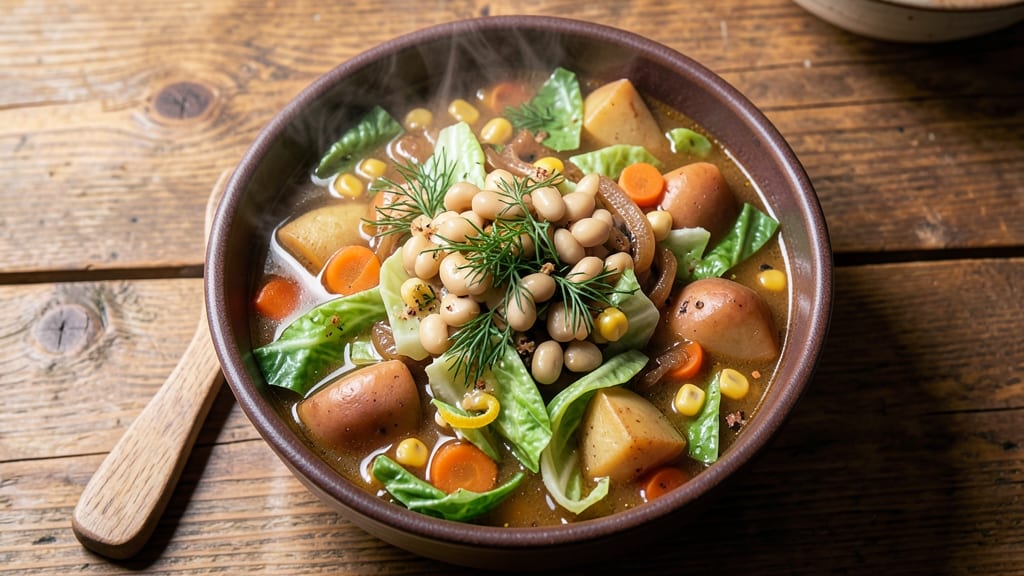
This all you can eat cabbage soup recipe is the secret weapon for satisfying hunger without the heaviness. 💛 I developed it after years of testing how to pack maximum flavor and texture into a broth-based soup that leaves you full for hours—no dairy, no meat, just clever vegetable combinations that work together like a well-oiled machine.
The magic happens in the hidden veggies—carrots, potatoes, and corn blend seamlessly with cabbage to create a hearty base, while beans add protein and fiber. The broth simmers until rich and flavorful, with just enough acidity from tomatoes to keep it bright.
What makes this recipe special is how customizable it is: add rice for extra bulk, or keep it light with extra greens.
By the time you're done, you'll have a steaming bowl of soup that's lightweight yet filling, perfect for meal prep or feeding a crowd. The cabbage softens into tender strands, the beans hold their shape, and the broth absorbs all the flavors into something deeply satisfying.
This is the kind of soup that disappears quickly—promise.
Serve it with crusty bread for dipping or as a standalone meal that feels indulgent but isn't. The best part? Leftovers taste even better the next day as flavors meld. Let's get cooking!
Ingredients for all you can eat cabbage soup
Probably have most of this already—just add some clever veggie combos for magic.
| Ingredient | Amount | Notes |
|---|---|---|
| Green Cabbage 🥬 | 2 lb | Shredded, outer leaves removed |
| Yellow Onion 🧅 | 2 whole | Chopped, medium size preferred |
| Carrots 🥕 | 4 whole | Medium, peeled and chopped |
| Russet Potatoes 🥔 | 2 lb | Peeled and cubed, 1-inch pieces |
| Corn Kernels 🌽 | 1 ½ cups | Fresh or frozen, thawed |
| Canned White Beans 🫘 | 2 cups | Drained, rinsed, or dried soaked |
| Diced Tomatoes 🍅 | 2 cups | Canned, San Marzano preferred |
| Chicken Vegetable Broth 💧 | 6 cups | Low-sodium preferred |
| Garlic Cloves 🧄 | 4 cloves | Minced, fresh preferred |
| Olive Oil 🫒 | 2 tbsp | Extra-virgin for richness |
| Apple Cider Vinegar 🍏 | 1 tbsp | For brightness |
| Salt 🧂 | 1 ½ tsp | Adjust to taste |
| Black Pepper 🌶️ | ½ tsp | Freshly ground |
| Bay Leaves 🌿 | 2 whole | For depth of flavor |
| Fresh Parsley 🌿 | ¼ cup | Chopped, for garnish |
The cabbage is the star, so grab green cabbage—it's more tender than red and holds up better during long simmering. Trader Joe's and Whole Foods usually have it pre-shredded, but I always buy whole heads and chop it myself (takes 5 minutes, lasts longer). The potatoes are key for that hearty texture—Russet potatoes are best because they hold their shape. If you're short on time, baby potatoes work too. For the beans, I prefer white beans because they blend into the soup without overpowering, but kidney beans or chickpeas add a nice twist if you're feeling adventurous.
No fresh parsley? Dried oregano at one-third the amount works in a pinch, but fresh parsley is worth it for that bright finish. Short on corn? Zucchini or celery add a nice crunch and work in the same way. The San Marzano tomatoes are my go-to for canned tomatoes—they're sweeter and less acidic, but any good-quality canned tomatoes will do. If you're making this ahead, freeze the broth separately so you can reheat just what you need. The bay leaves? Don't skip them—they add a subtle earthiness that makes the whole soup sing.
This soup tastes even better the next day, so double the batch and freeze half. The broth keeps for 5 days in the fridge, and the whole soup reheats beautifully. I like to portion it into containers with a little extra broth on top—prevents drying out when reheating. The cabbage and potatoes will soften further, which is actually better for texture. If you're prepping for a crowd, make it the night before—the flavors meld overnight into something truly special.
Why You'll Love This Recipe
- One-Pot Magic: I swear by this recipe because it’s literally one pot—no chopping boards to wash, no extra pans to scrub. Toss everything in (cabbage, onions, carrots, potatoes, corn) and let it simmer while you handle the rest of your day. The potatoes soften just enough to soak up all that savory broth, and the corn adds a sweet pop that feels like a reward.
- Crowd-Pleasing Crunch: Here’s what sold me—crisp-tender cabbage and carrots right alongside those creamy potatoes. It’s the kind of soup where every bite has texture: the slight bite of raw cabbage edges, the melt-in-your-mouth potatoes, and the sweetness of the corn cutting through. Honestly, my picky-eating teen asks for seconds.
- Budget-Friendly Feast: This soup is my wallet’s best friend. A whole head of cabbage, a bag of potatoes, and a few onions stretch into six servings without breaking the bank. I make a double batch on Sundays, and it’s still on the table by Friday—no sad leftovers, just happy meals.
- Weeknight Workhorse: Between us, this is my go-to when I’m too tired to plan. Toss in whatever veggies you have (even frozen corn works), add a pinch of salt and pepper, and let it do its thing. It’s ready in 45 minutes, reheats perfectly, and tastes even better the next day. (Yes, even on a Tuesday night.)
Step-by-step instructions for hearty cabbage soup
Here's how to transform simple ingredients into a satisfying, veggie-packed soup that's light yet filling.
🍳 Step 1: Sauté the Aromatic Base
Heat the 2 tablespoons olive oil in a large Dutch oven over medium heat. Add the 2 whole chopped yellow onions and cook for 5-6 minutes until they begin to soften and turn translucent. Here's the thing—don't let them brown, or they'll overpower the delicate cabbage flavors.
Add the 4 whole minced garlic cloves and cook for another 30 seconds until fragrant. You'll know it's ready when your kitchen smells like a fresh garden. Keep the heat at medium to prevent burning—the garlic should sizzle but not color.
🍳 Step 2: Build the Vegetable Foundation
Toss in the 2 pounds shredded green cabbage and stir to coat with the onions and garlic. Cook for 5 minutes until the cabbage begins to soften slightly but still retains its vibrant color. This step jump-starts the flavor development without overcooking the veggies.
Add the 4 whole peeled and chopped carrots and 2 pounds cubed russet potatoes, stirring to combine. Pour in the 6 cups chicken vegetable broth and bring to a gentle boil. Once boiling, reduce heat to low and let it simmer for 15 minutes—this gives the potatoes time to start softening before adding the remaining ingredients.
🥘 Step 3: Add the Protein and Remaining Veggies
Stir in the 2 cups drained canned white beans, 1.5 cups corn kernels, and 2 cups diced tomatoes. Add the 2 whole bay leaves, 1.5 teaspoons salt, and 0.5 teaspoon black pepper. Here's where it gets fun—the soup should smell like a warm autumn day at this point.
Let the soup simmer uncovered for 20-25 minutes until the potatoes are fork-tender and the carrots are easily pierced with a fork. Taste and adjust seasoning—you might need a pinch more salt, especially if using low-sodium broth. The soup should be flavorful but not overwhelmingly salty.
🍲 Step 4: Finish with Brightness and Freshness
Remove the 2 whole bay leaves and stir in the 1 tablespoon apple cider vinegar. This adds a subtle tang that cuts through the richness of the beans and potatoes. Let the soup simmer for another 5 minutes to allow the flavors to meld together.
Finally, stir in the 0.25 cup chopped fresh parsley just before serving. This adds a pop of freshness and vibrant color. The parsley should be sprinkled on top rather than stirred in—it keeps its bright green hue and adds a nice visual contrast to the creamy soup.
⏰ Step 5: Serve Warm with Crusty Bread
Ladle the soup into bowls and serve immediately while hot. The texture should be hearty yet light, with tender vegetables and creamy beans. Each spoonful should deliver a balance of earthy cabbage, sweet carrots, and savory potatoes.
For extra satisfaction, serve with crusty bread on the side. The soup's filling nature comes from the combination of protein-rich beans, fiber-packed cabbage, and hearty potatoes—perfect for an all-you-can-eat meal that won't weigh you down.
Pro Tips For Making All You Can Eat Cabbage Soup
- Sear the Onions First: I learned this the hard way—skipping the sear means your soup will taste like a sad, watery stew. Cook the onions in a dry pot over medium-high heat until they’re deep golden, almost caramelized, before adding any liquid. That flavor builds the whole dish.
- Cut Potatoes Evenly: Uneven potatoes mean some will turn to mush while others stay rock-hard. Use a knife or mandoline to slice them into ½-inch chunks—thick enough to hold shape but thin enough to cook through in one go. No mandoline? A ruler and knife work just fine.
- Salt the Water Like the Sea: This isn’t the time to be shy. Boil your potatoes and cabbage in water with at least 1½ tablespoons of salt per gallon—more if you’re using low-sodium broth. Under-salted water makes the whole soup taste bland, and you can’t fix it later.
- Add Corn Last: If you toss in the corn too early, it’ll turn to mush and lose that sweet, bright bite. Wait until the potatoes are tender but still firm, then stir in the corn just to heat through—about 3-4 minutes. Fresh or frozen, it’ll stay perfect.
Essential equipment for perfect results
Dutch Oven Essentials
A large Dutch oven (I use a Le Creuset 6-quart) is your best friend for this recipe. It distributes heat evenly and handles the 15-30 minutes of simmering without hot spots. The deep sides prevent spills when stirring in the 2 pounds shredded cabbage and 2 cups beans.
Look for one with two sturdy handles—you'll be moving it often between stovetop and table. 🔥
Knife & Cutting Board
Invest in a sharp chef's knife (I recommend Wüsthof) and a large cutting board for efficient prep. The 2 pounds cabbage and 2 pounds potatoes need quick, even chopping to cook uniformly.
A mandoline speeds up the process if you're prepping for a crowd. For safety, use a non-slip mat under your board—soup ingredients have a way of sliding when you least expect it.
Measuring Tools
Precision matters with this recipe, so grab a stainless steel measuring cup set (like OXO Good Grips) for the 6 cups broth and 1.5 cups corn. A microplane for garlic and fine-mesh strainer for rinsing beans are game-changers.
I also keep a small bowl nearby to hold the 0.25 cup parsley before garnishing—it prevents over-chopping and keeps the herbs fresh.
Immersion Blender (Optional)
For a silky texture without losing flavor, an immersion blender (I use Ninja) lets you blend portions of the soup directly in the pot. Pulse 2-3 cups of the finished soup for 10-15 seconds to create a velvety base while keeping the beans and potatoes intact.
This technique adds depth without turning your soup into a puree. 💫
Storage Containers
For leftovers, use glass storage containers (like Pyrex 8-cup portions) with tight-sealing lids. The 5-day fridge life works best when soup is stored in shallow containers—it reheats faster and retains texture.
For freezing, quart-sized freezer bags (lay them flat to save space) work perfectly. Label with the date—this soup tastes even better after 24 hours as flavors meld.
Serving Essentials
Don't forget deep soup bowls (I love Corelle stoneware) to hold the 8 servings comfortably. A ladle with a long handle (like Ozeri 14-inch) makes serving easier, especially when the pot is still hot.
For garnishing, keep fresh parsley in a small glass jar with 1 inch water—it stays crisp for days. A small bowl of hot sauce or crusty bread basket completes the presentation. ✨
Nutrition facts
Frequently asked questions
Can I make this soup vegan?
Simply swap the chicken vegetable broth for a vegan vegetable broth and use vegan white beans (most canned beans are already vegan). The olive oil and apple cider vinegar are plant-based, so no other changes are needed. The flavor remains rich and satisfying without any dairy or animal products.
How do I make this soup even more filling?
Add 1 cup cooked rice or quinoa per serving before eating, or stir in 1 cup cooked barley during the final 5 minutes of simmering. For extra protein, increase the beans to 3 cups or add 1 cup cooked lentils. The key is balancing texture—soft grains like rice work best than dense ones like pasta.
Can I use red cabbage instead of green?
Yes, but expect a slightly different flavor profile. Red cabbage has a milder, sweeter taste and holds its color beautifully. Use the same amount (2 pounds) and add 1/4 teaspoon turmeric to the broth to enhance its natural vibrancy. The texture will be similar, but the color contrast makes it visually stunning.
What's the best way to reheat leftovers?
Reheat gently on the stovetop over medium-low heat, stirring occasionally, until warmed through (5-7 minutes). For microwave reheating, cover with a damp paper towel and heat in 1-minute intervals to prevent drying. Add a splash of water or broth if the soup seems too thick. The flavors actually improve after 24 hours as everything melds together.
Why does my soup taste bland?
Most likely, you need more acidity or salt. Add 1 extra tablespoon apple cider vinegar or a pinch of salt—taste as you go! If using low-sodium broth, increase the salt to 2 teaspoons. For depth, stir in 1/2 teaspoon smoked paprika or a splash of soy sauce (just 1/2 teaspoon) for umami. The cabbage also benefits from a 5-minute longer simmer to develop flavor.