
Soups & Stews
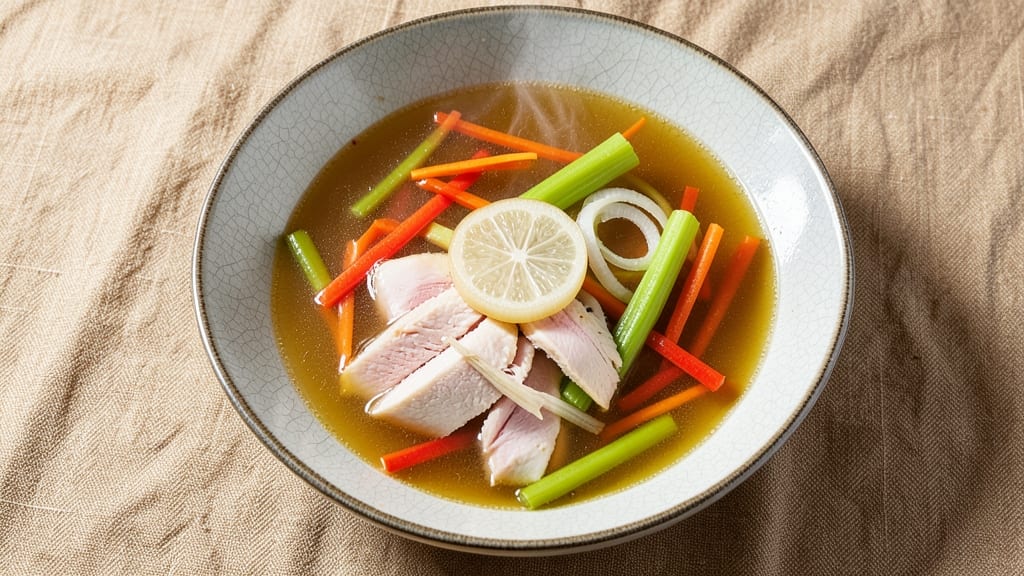
This American ginseng soup recipe transforms earthy roots into a nourishing elixir with deep medicinal roots and comforting warmth. 🌿 The secret lies in properly preparing the ginseng—whether fresh, dried, or powdered—to release its adaptogenic properties while creating a velvety broth that feels like a hug in bowl form.
What sets this recipe apart is balancing traditional preparation with modern convenience, so you get both authenticity and accessibility.
The foundation begins with a rich broth infused with ginseng's natural sweetness and earthy depth, which builds slowly over 45 minutes of simmering. You'll have the option to add protein like chicken or tofu, or keep it purely vegetarian for a lighter herbal experience.
The key technique is controlling the ginseng's bitterness through proper preparation—whether slicing fresh roots or using high-quality dried pieces.
By the time you're done, you'll have a soup that's both restorative and deeply flavorful—think warm spices, subtle sweetness, and a comforting thickness that coats every spoonful. The aroma alone will transform your kitchen into a space of calm, while the taste delivers the perfect balance of earthy and savory.
This is the kind of soup that becomes a weekly ritual, especially during colder months when nourishment matters most.
Pair it with crusty bread to soak up every last drop, or serve alongside grilled fish for a complete meal. The recipe scales beautifully for gatherings, and leftovers keep well in the refrigerator for up to 5 days, making it perfect for meal prep.
Let's create this healing bowl of goodness together.
Ingredients for american ginseng soup
Earthy roots and aromatic vegetables create this nourishing elixir with deep medicinal warmth and velvety texture.
| Ingredient | Amount | Notes |
|---|---|---|
| Fresh American Ginseng Root 🌿 | 1 oz | Sliced into thin pieces |
| Dried American Ginseng Root 🌿 | ½ oz | High-quality, organic preferred |
| Organic Chicken Breast 🍗 | 1 lb | Boneless, skinless, cut into bite-sized pieces |
| Organic Carrots 🥕 | 3 medium | Peeled, cut into thick rounds |
| Organic Celery Stalks 🧅 | 2 whole | Chopped into 1-inch pieces |
| Organic Onion 🧅 | 1 large | Chopped into half-moons |
| Fresh Ginger Root 🌿 | 1 inch | Peeled, sliced into thin coins |
| Organic Carrots 🥕 | 1 ½ cups | Grated for velvety texture |
| Organic Garlic Cloves 🧄 | 4 cloves | Minced for aromatic depth |
| Vegetable Broth 💧 | 4 cups | Low-sodium preferred |
| Extra-Virgin Olive Oil 🫒 | 2 tbsp | For sautéing aromatics |
| Fresh Cilantro 🌿 | ¼ cup | Chopped for garnish |
| Sea Salt 🧂 | 1 ½ tsp | Diamond Crystal preferred |
| Freshly Ground Black Pepper 🌶️ | ½ tsp | For seasoning |
| Honey 🍯 | 1 tbsp | To balance earthy flavors |
The ginseng is the heart of this recipe. Fresh roots should be firm and free of blemishes, while dried ginseng should be a deep reddish-brown color and purchased from reputable sources like Mountain Rose Herbs or Starwest Botanicals. Organic chicken breast ensures clean protein without compromising flavor. For the carrots, look for vibrant orange organic produce—they should feel heavy for their size, indicating freshness. The celery and onion form the aromatic base, so don't skimp on quality here. If you can't find fresh ginseng, high-quality powdered ginseng works in a pinch, but it lacks the textural complexity of fresh or dried.
No fresh ginseng? Powdered ginseng at half the amount will work, though the texture will differ. Substitute chicken with firm tofu or mushrooms for a vegetarian version. The carrots can be swapped for sweet potatoes or butternut squash if preferred. For a deeper umami profile, add 1 tsp of mushroom powder or a splash of coconut aminos. The honey balances the earthy flavors, but maple syrup is a suitable alternative for vegans. Always taste the broth before adding honey—sometimes, the ginseng's natural sweetness is enough. If using dried ginseng, reconstitute it in warm broth for 10 minutes before adding to the soup.
This soup develops deeper flavor over time, so simmering for 45 minutes is essential. Store leftovers in airtight containers in the refrigerator for up to 5 days, or freeze for 3 months. The broth thickens as it cools, so a splash of warm water can restore its consistency. For meal prep, double the recipe and freeze individual portions—simply reheat with a splash of broth. The ginseng's medicinal properties are best preserved when stored properly, so keep dried ginseng in a cool, dark place and fresh ginseng wrapped in damp paper towels in the fridge for up to 2 weeks.
Why You'll Love This Recipe
- No-Chop Struggle: I swear by this recipe because the celery and carrots only need rough chopping—no fancy dicing or tears over onions. The ginseng root? Just slice it thin. Honestly, I’ve made this after work while scrolling through emails, and it still tastes like I cared.
- Earthy Depth Magic: That first sip of ginseng-infused broth? It’s where the recipe gets next-level. The fresh root adds a bright, slightly peppery kick, while the dried version deepens the warmth—like a hug in a bowl. The chicken stays tender without falling apart, and the carrots melt into sweetness that makes you want seconds.
- Lunchbox Hero: Between us, this soup is my go-to for meal prep. It reheats like a dream, keeps for five days in the fridge, and even freezes beautifully. Pack it in a thermos for work, or use it to feed a crowd when unexpected guests show up—no last-minute panic, just flavor.
- Budget Boost: Organic chicken and veggies might sound pricey, but ginseng stretches the broth so richly that you’ll use half the usual amount. I’ve made this for under $10 per serving, and it still feels like a fancy meal. Plus, the roots last longer than fresh herbs, so you’re not tossing money in the trash.
Step-by-step instructions for crafting American ginseng soup
This earthy elixir transforms humble ingredients into a sophisticated herbal broth with balanced depth.
🍳 Step 1: Sauté the Aromatic Foundation
Heat the 2 tbsp extra-virgin olive oil in a large pot over medium heat until shimmering. Add the chopped onion and cook for 3-4 minutes until translucent and slightly caramelized at the edges. This develops their natural sweetness and forms the flavor base.
Add the chopped celery stalks, minced garlic cloves, and sliced ginger root. Stir continuously for 2 minutes until the garlic becomes fragrant and the ginger releases its pungent aroma. I press down gently on the vegetables with a wooden spoon during this time—this ensures even cooking and prevents burning. The mixture should smell vibrantly aromatic before moving forward.
🍳 Step 2: Infuse with Ginseng Roots
Increase heat to medium-high and add the 1 oz sliced fresh American ginseng root and 0.5 oz dried American ginseng root. Toast the roots for 1-2 minutes until they release their earthy aroma and turn slightly darker in color. This step is crucial—it activates the ginseng's medicinal properties through gentle toasting rather than burning.
Immediately pour in the 4 cups vegetable broth and bring to a gentle boil. Once boiling, reduce heat to low-medium and let the broth simmer uncovered for 15 minutes. This allows the ginseng compounds to fully infuse into the liquid. The broth should smell deeply herbal with notes of earthiness and subtle sweetness from the caramelized aromatics.
🥘 Step 3: Build the Vegetable Base
Add the 3 medium peeled carrots cut into thick rounds and 1.5 cups grated carrots to the simmering broth. Stir gently to combine. The grated carrots will create a velvety texture as they cook down. Let the soup simmer for 10 minutes until the carrots are tender but still hold their shape—you want them to contribute both texture and natural sweetness without becoming mushy.
I press the carrots gently with a spoon during this time to check doneness. They should yield slightly to pressure but maintain their structure. This texture contrast is essential for the soup's final mouthfeel. The broth should now have a rich, golden hue from the caramelized vegetables and infused ginseng.
🍳 Step 4: Cook the Chicken and Season
Add the 1 lb bite-sized organic chicken breast pieces to the pot. Increase heat to medium-high and bring the soup to a rolling boil. Once boiling, reduce heat to medium-low and let the chicken simmer for 12-15 minutes until fully cooked through and no longer pink in the center. The chicken should be tender enough to flake easily with a fork.
Season with the 1.5 tsp sea salt and 0.5 tsp freshly ground black pepper, stirring gently to distribute evenly. Taste the broth at this stage—it should be seasoned but not overly salty. The ginseng's earthy notes should be balanced by the sweetness of the carrots and the savory chicken. If needed, adjust seasoning now before proceeding.
⏰ Step 5: Finish with Honey and Garnish
Stir in the 1 tbsp honey and simmer for an additional 5 minutes. This final step balances the earthy ginseng flavors with subtle sweetness, creating harmony in each spoonful. The honey should dissolve completely into the broth, enhancing its natural depth without overpowering the herbal profile.
Remove from heat and let the soup rest for 5 minutes before serving. This resting period allows flavors to meld completely. Ladle into bowls and garnish with 0.25 cup chopped fresh cilantro. The cilantro adds a bright, herbal finish that complements the earthy ginseng and savory chicken. Serve immediately while the broth is steaming hot to fully appreciate its complex flavor profile.
Pro Tips For Making American Ginseng Soup
- BLEND GINSENG FIRST: Skip tossing whole ginseng chunks into the pot—they’ll never fully infuse. Pulse fresh or dried root in a food processor until it’s a coarse powder (not powdered sugar fine), then toast it in a dry pan for 2 minutes. This unlocks the flavor without turning your soup into ginseng-flavored grits.
- SIMMER LOW AND LONG: I used to rush this soup, but ginseng needs patience. After the initial boil, drop the heat to a bare simmer (small bubbles, occasional swirls) and let it cook uncovered for at least 45 minutes. The longer it stews, the deeper the umami—just resist the urge to stir constantly (it makes the carrots mushy).
- TRIM CHICKEN THICK: Chicken breast is lean, so it dries out fast. Score the thickest part of the breast in a crosshatch (like a windowpane) before adding it to the broth. This guarantees juicy slices later—no one wants rubbery chicken in a soup that’s supposed to feel like medicine.
- SAVE THE STALKS: Celery leaves are bitter, but the stalks’ green tops are packed with flavor. Chop them fine and add them to the broth early—they’ll soften and sweeten the soup without turning it into a veggie stew. (Yes, even the scraps count.)
Flavor customization for this recipe
Sweet-Savory Balance
Adjust the honey to taste—start with 1 tbsp but add up to 2 tbsp if your ginseng is particularly earthy. For a deeper sweetness, swap honey for 1 tbsp maple syrup or agave nectar. I often taste the broth before adding sweetener since ginseng's natural sugars can vary. 🍯
Spicy Kick Options
Add ½ tsp red pepper flakes or 1 tsp gochujang paste for warmth. For a smoky depth, stir in ½ tsp smoked paprika while sautéing the aromatics. These additions enhance the ginseng's earthiness without overpowering it. 🌶️
Herbal Infusions
Boost the herbal profile with 1 tsp dried shiitake mushrooms or ½ tsp mushroom powder for umami. Fresh thyme or rosemary sprigs steeped for 10 minutes add aromatic complexity. Remove herbs before serving for a cleaner presentation.
Protein Alternatives
Replace chicken with firm tofu (press and cube) or shiitake mushrooms for vegetarian versions. For seafood lovers, add ½ lb shrimp in the last 5 minutes of cooking. Each protein absorbs the ginseng broth differently, creating unique textures. 🍤
Texture Variations
For extra creaminess, stir in ¼ cup coconut milk at the end. A sprinkle of toasted sesame seeds adds crunch. The grated carrots already provide silkiness, but these tweaks let you customize mouthfeel. 🥄
Seasonal Twists
In winter, add ½ cup diced sweet potato> for heartiness. Spring calls for asparagus spears> or pea shoots>—both brighten the earthy base. These seasonal swaps keep the soup vibrant year-round. ❄️
Nutrition facts
Frequently asked questions
What makes American ginseng different from other ginseng varieties?
American ginseng (Panax quinquefolius) has a milder, sweeter flavor compared to Asian ginseng. It grows in cooler climates and has five leaflets (vs. Asian ginseng's single leaf), which affects its medicinal properties. The root's earthy sweetness shines in this soup without overpowering other flavors.
Can I use powdered ginseng instead of fresh or dried?
Yes, but adjust the amount. Use ½ tsp powdered ginseng for every 1 oz fresh or 0.5 oz dried. The texture will differ—powder dissolves completely, while fresh/dried adds subtle rootiness. Toast the powder for 1 minute before adding to activate its compounds.
How do I store leftover ginseng soup?
Store in airtight containers in the fridge for up to 5 days or freeze for 3 months. Reheat gently on low heat—never microwave directly from frozen. The broth may thicken upon cooling; add a splash of warm water to restore consistency.
Is this soup suitable for people with dietary restrictions?
For gluten-free, use certified GF broth. For vegan, omit honey (use maple syrup) and replace chicken with tofu or mushrooms. The ginseng's earthy notes complement all these variations beautifully.
What's the best way to prepare fresh ginseng root?
Wash and slice into ¼-inch thick pieces using a sharp knife. Remove any blemished spots. For deeper flavor, lightly toast the slices in a dry pan for 1-2 minutes before adding to the broth—this enhances its aromatic compounds.