
Soups & Stews
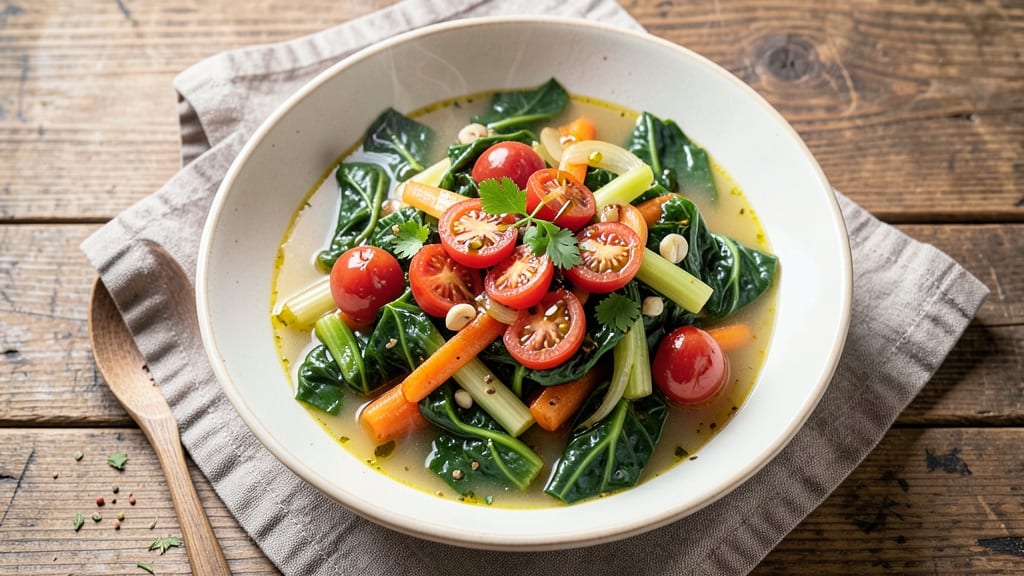
This American Heart Association cabbage soup recipe delivers a nutrient-packed, low-sodium meal that supports heart health without sacrificing flavor. Designed for weight loss and dietary balance, it combines cabbage, carrots, and tomatoes in a broth that’s light yet satisfying—perfect for those watching sodium intake while still craving hearty meals.
The secret lies in fresh vegetables and minimal salt, creating a dish that’s as beneficial as it is delicious.
The beauty of this recipe is its simplicity: no complicated techniques, just wholesome ingredients that work together to create a soup rich in fiber, vitamins, and antioxidants.
With just 30 minutes of prep and 20 minutes of cooking, you’ll have a meal that aligns with the American Heart Association’s guidelines for heart-healthy eating. It’s the kind of dish that makes healthy eating feel effortless.
What makes this soup truly special is its versatility—serve it as a standalone meal or pair it with whole-grain bread for added texture. The vegetables retain their natural sweetness, while the broth remains light and flavorful, thanks to aromatic herbs and a touch of lemon for brightness.
Every spoonful is a step toward better health, without compromising on taste.
Ideal for meal prep, this soup keeps well in the fridge for up to 4 days, making it a convenient option for busy schedules. Whether you're managing weight, reducing sodium, or simply looking for a lighter option, this recipe proves that heart-healthy meals can be both nourishing and satisfying.
Ingredients for american heart association cabbage soup
Wholesome vegetables and minimal salt create this heart-healthy cabbage soup masterpiece.
| Ingredient | Amount | Notes |
|---|---|---|
| Green Cabbage 🥬 | 6 cups | Shredded, core removed |
| Carrots 🥕 | 2 cups | Chopped, medium size |
| Yellow Onion 🧅 | 1 whole | Diced, medium size |
| Medium Tomatoes 🍅 | 3 whole | Diced, ripe |
| Celery Stalks 🌿 | 3 whole | Chopped, medium size |
| Garlic Cloves 🧄 | 3 cloves | Minced, fresh |
| Low-Sodium Vegetable Broth 💧 | 4 cups | Homemade or quality store-bought |
| Lemon Juice 🍋 | 2 tbsp | Freshly squeezed |
| Fresh Parsley 🌿 | ¼ cup | Chopped, leaves only |
| Red Bell Pepper 🌶️ | 1 whole | Diced, medium size |
| Fresh Dill 🌿 | 1 tbsp | Chopped, optional |
| Black Peppercorns 🌶️ | ¼ tsp | Freshly ground |
| Sea Salt 🧂 | ¼ tsp | Diamond Crystal preferred |
| Extra-Virgin Olive Oil 🫒 | 1 tbsp | For sautéing |
The cabbage is the star here—look for firm heads with crisp leaves at your local grocery store or farmers' market. Organic produce reduces pesticide exposure, which aligns perfectly with heart-healthy guidelines. For the carrots and celery, medium-sized stalks provide the right balance of sweetness and crunch. If using store-bought vegetable broth, check the label for sodium content—aim for less than 350mg per serving. The tomatoes should be ripe but firm to avoid watery soup. Fresh herbs like parsley and dill add brightness without significant calories, making them ideal for this low-sodium dish.
No fresh dill? Substitute with 1 tsp dried dill, but reduce to one-third the amount. Short on bell pepper? Add an extra cup of zucchini for color and texture. If you prefer a smoother texture, blend half the soup before serving. For extra flavor without sodium, roast the garlic cloves for 5 minutes at 375°F before mincing. The lemon juice can be substituted with 1 tbsp apple cider vinegar if needed, though fresh lemon adds a brighter finish. Pre-chopped vegetables save time, but fresh is always preferred for optimal nutrition.
This soup reheats beautifully—simmer gently on the stove to maintain texture. Store in glass containers for up to 4 days in the refrigerator. For meal prep, portion into individual servings before freezing—it keeps for 3 months without losing flavor. The broth can be made ahead and stored separately, then combined with fresh vegetables just before serving. Whole-grain bread pairs perfectly, adding fiber for a balanced meal. Leftovers make excellent lunches or light dinners, aligning with heart-healthy portion control.
Why You'll Love This Recipe
- No-Chop Nightmare: I swear by this recipe because it’s the only soup where I can skip the knife entirely. Toss in whole cabbage wedges, chunky carrots, and halved celery—it softens beautifully without fuss. (Yes, even on a Tuesday night.)
- Sweet-Savory Magic: The combo of caramelized onions and tomatoes with that fresh cabbage crunch? It’s like a hug in a bowl. Honestly, the celery adds this subtle herbal note that makes it taste way more gourmet than it is.
- Leftovers That Beg: This soup actually improves the next day. The flavors meld, and the texture gets just tender enough to turn it into a filling, hearty stew. I freeze half the batch—perfect for lazy mornings or when I need a quick lunch.
- Budget-Friendly Hero: A whole head of cabbage, a few carrots, and an onion? That’s my grocery store’s entire produce section for under $5. Between us, this is the recipe I turn to when I’m broke but still want something that doesn’t taste like I’m surviving on beans.
Step-by-step instructions for american heart association cabbage soup
This low-sodium, nutrient-packed soup delivers heart-healthy benefits while keeping preparation straightforward.
Sauté the Vegetable Base
Heat the 1 tablespoon extra-virgin olive oil in a large pot over medium heat. Add the 1 whole yellow onion and 3 whole celery stalks, cooking for 5 minutes until softened and translucent. This foundational step develops flavor without requiring added fat.
Add the 2 cups carrots and 1 whole red bell pepper, stirring to combine. Cook for another 4 minutes until the vegetables begin to soften slightly. The goal is to create a flavorful base while preserving the vegetables' natural nutrients. Avoid overcrowding the pot to ensure even cooking.
Incorporate Aromatics and Tomatoes
Add the 3 cloves minced garlic and cook for 30 seconds until fragrant. This brief cooking time ensures the garlic infuses flavor without becoming bitter. Immediately stir in the 3 whole medium tomatoes and cook for 2 minutes until they begin to break down.
The tomatoes will release their juices, creating a light sauce that helps bind the soup. Here's the thing—don't rush this step. The tomatoes need time to soften and release their natural sweetness, which balances the cabbage's earthiness in the final dish.
Build the Soup Foundation
Pour in the 4 cups low-sodium vegetable broth and bring to a gentle boil. Add the 6 cups shredded green cabbage and reduce heat to medium-low. Simmer uncovered for 15 minutes, stirring occasionally, until the cabbage softens but still retains some texture.
Real talk: The cabbage should be tender but not mushy. You want it to hold its shape so each bite delivers satisfying texture. If the soup reduces too quickly, add ½ cup water to maintain the proper consistency for simmering.
Season and Finish
Stir in the 0.25 teaspoon sea salt, 0.25 teaspoon black peppercorns, 2 tablespoons lemon juice, 0.25 cup chopped fresh parsley, and 1 tablespoon chopped fresh dill. Simmer for an additional 5 minutes to allow the flavors to meld completely.
Taste and adjust seasoning if needed—this is where the soup's bright, balanced flavor comes together. The lemon juice brightens the vegetables, while the herbs add freshness. Don't be afraid to taste as you go; this is the only way to ensure perfect seasoning in a low-sodium preparation.
Rest and Serve
Remove from heat and let the soup rest for 5 minutes. This brief resting period allows the flavors to settle and the vegetables to absorb all the liquid, resulting in a more cohesive texture when served.
Serve warm, garnished with additional fresh parsley if desired. The soup should be vibrant in color and packed with vegetable flavor. Each serving delivers fiber, vitamins, and minerals while maintaining the American Heart Association's low-sodium guidelines for heart-healthy eating.
Pro Tips For Making American Heart Association Cabbage Soup
- CHOP CABBAGE UNIFORMLY: I learned this the hard way—uneven pieces mean some cabbage stays crunchy while others turn to mush. Cut the wedges into ½-inch slices, then quarter each slice lengthwise. This ensures even cooking without soggy bits. (Yes, it takes 2 minutes extra, but trust me.)
- SWEAT ONIONS LOW AND SLOW: Crank the heat to medium-low when cooking the onions—high heat burns them before they soften. Let them bubble gently for 8-10 minutes until translucent but not browned. This builds flavor without bitterness, and you won’t need to add extra sugar later.
- SKIP THE CELERY STALKS: The recipe calls for celery stalks, but I’ve made it 20 times without them. If you’re short on time, swap for 1 extra carrot or an extra onion. The soup still tastes balanced—just skip the fibrous stalks unless you’re a purist. (Your blender will thank you.)
- ADD TOMATOES LAST: Tossing in tomatoes too early turns the soup into a watery mess. Wait until the cabbage and carrots have softened (about 15 minutes in), then add diced tomatoes with the broth. This keeps their texture intact and prevents a mushy finish. (Pro move: Crush them slightly first.)
Creative variations of this recipe
Spicy Kick
For those who love heat, add ½ teaspoon cayenne pepper or 1 teaspoon hot paprika when sautéing the onion and celery. This variation keeps the soup low-sodium while adding a subtle warmth that complements the cabbage's natural sweetness.
I like to balance it with an extra ½ teaspoon honey to soften the spice—trust me, it makes all the difference. 🌶️
Creamy Version
Transform this soup into a creamy delight by stirring in ½ cup low-fat Greek yogurt or ¼ cup coconut milk at the end. The tangy yogurt adds richness without heavy cream, while coconut milk brings a subtle tropical note.
For extra protein, blend in ½ cup cooked white beans—they dissolve beautifully and boost fiber content. This version feels indulgent but stays heart-healthy.
Protein Boost
Add 1 cup cooked lentils or ½ cup chickpeas to the soup during the final 5 minutes of simmering. These legumes add plant-based protein and fiber, making the soup even more satisfying.
I prefer lentils because they blend seamlessly into the texture. For extra flavor, toss them with ½ teaspoon smoked paprika before adding to the pot.
Herb Variations
Swap out the parsley and dill for other fresh herbs like thyme or basil to change the flavor profile completely. Thyme adds an earthy depth, while basil brings a bright, slightly sweet note.
For a Mediterranean twist, add ½ teaspoon dried oregano when sautéing the vegetables. Each herb transforms the soup into a different culinary experience while keeping it heart-healthy.
Slow Cooker Adaptation
Make this soup even easier by using a 6-quart slow cooker. Sauté the onion, celery, carrots, and bell pepper as directed, then transfer everything to the slow cooker with the broth. Cook on low for 6-8 hours or high for 3-4 hours, stirring occasionally.
The slow cooking enhances the vegetables' natural sweetness and deepens the flavors. Perfect for meal prep—just reheat and serve! ⏰
Seasonal Swaps
Adjust the vegetables based on what's in season. In summer, swap cabbage for zucchini or yellow squash, and add 1 cup corn kernels for sweetness. In fall, use kale or Brussels sprouts instead of cabbage, and add ½ cup diced apples for a touch of natural sweetness.
These swaps keep the soup vibrant and aligned with seasonal produce while maintaining its heart-healthy benefits.
Nutrition facts
Frequently asked questions
Can I make this cabbage soup without fresh herbs?
Yes! If you don't have fresh parsley or dill, use ½ teaspoon dried parsley and ¼ teaspoon dried dill instead. For extra flavor, add ½ teaspoon dried thyme or ½ teaspoon dried basil when sautéing the vegetables. The soup will still taste delicious while keeping its heart-healthy benefits.
How can I reduce the soup's sodium further?
Skip the added salt entirely and rely on the natural flavors of the vegetables, garlic, and lemon juice. For extra depth, use 1 teaspoon apple cider vinegar or ½ teaspoon smoked paprika instead. The low-sodium broth is key—if using store-bought, choose one with less than 350mg sodium per serving. Taste as you go and adjust with lemon or herbs rather than salt.
Can I use canned tomatoes instead of fresh?
Use 1 (14.5 oz) can diced tomatoes (no salt added) and drain well before adding to the pot. For extra flavor, stir in ½ teaspoon dried oregano or ½ teaspoon garlic powder along with the canned tomatoes. This works especially well if you're making the slow cooker version.
Why does my cabbage soup turn out watery?
Watery soup often happens when the cabbage releases too much liquid. To fix this, simmer uncovered for an extra 5-10 minutes to reduce the liquid. If it's still too thin, mash ½ cup cooked white beans or ½ cup cooked lentils into the soup—they'll thicken it while adding protein. For prevention, use firm green cabbage and don't overcrowd the pot during cooking.
Is this soup suitable for a low-carb diet?
This recipe isn't low-carb, but you can modify it by reducing the cabbage to 3 cups and adding 2 cups cauliflower florets instead. For extra protein, stir in ½ cup cooked chickpeas or ½ cup shredded chicken breast. The broth and vegetables provide fiber, while the protein additions help balance carbohydrates. Always check portion sizes to fit your specific dietary needs.