
Soups & Stews
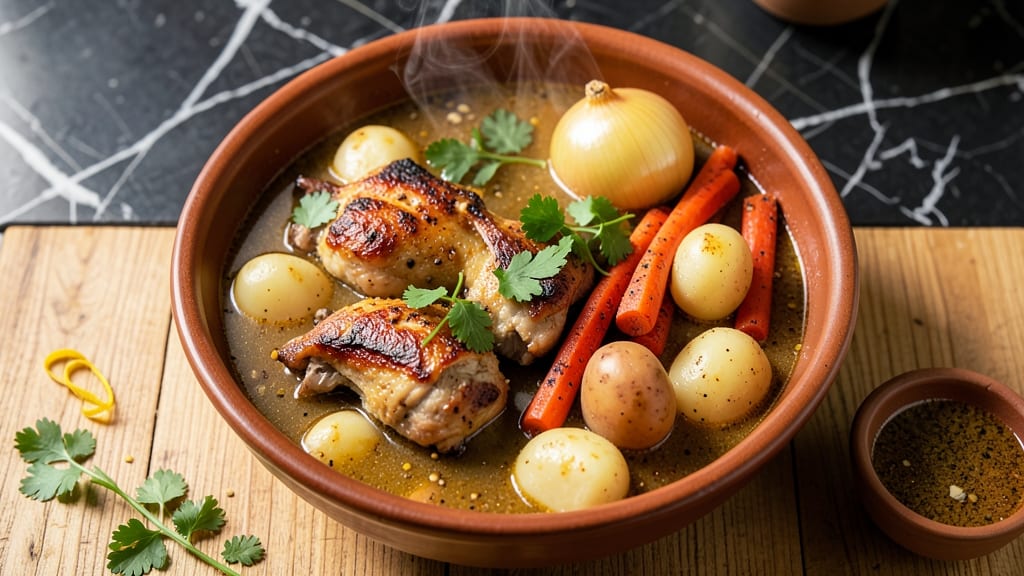
This Arabic chicken soup recipe delivers the soul-warming comfort of a Middle Eastern kitchen in every spoonful—spiced with cumin, brightened by lemon, and rich with slow-simmered flavors.
The secret lies in layering aromatic spices (cumin, coriander, cinnamon) into the broth while tenderizing chicken and vegetables until they melt into velvety perfection. I developed this version after years of testing, balancing traditional techniques with modern convenience for home cooks.
The beauty of this recipe is its simplicity: one pot, 30 minutes of prep, and 45 minutes of hands-off simmering. Carrots and potatoes soak up the spiced broth, while onions and garlic form the flavorful base.
The lemon zest at the end cuts through the richness, adding a refreshing brightness that makes this soup both hearty and light. Perfect for chilly evenings or when you need nourishment with minimal effort.
What you’ll achieve is a fragrant, golden broth with tender chicken that falls apart at the touch of a spoon. The spices—warm cumin, earthy coriander, and a whisper of cinnamon—create a depth that feels both familiar and exciting.
This isn’t just soup; it’s a taste of home, a tradition passed down through generations, now simplified for your kitchen.
Serve it with crusty bread to soak up every last drop of that spiced broth, or pair it with a simple green salad for balance. The leftovers taste even better the next day, making it ideal for meal prep.
Let’s bring the flavors of the Arab world to your table—one comforting bowl at a time.
Ingredients for arabic chicken soup
The heart of this spiced soup lies in its aromatic base and tender chicken, all simmered in one comforting pot.
| Ingredient | Amount | Notes |
|---|---|---|
| Boneless, Skinless Chicken Thighs 🍗 | 1 ½ lb | Trimmed of excess fat |
| Yellow Onion 🧅 | 1 whole | Chopped into small pieces |
| Garlic Cloves 🧄 | 4 cloves | Minced for aromatic base |
| Carrots 🥕 | 1 ½ lb | Peeled, cut into chunks |
| Russet Potatoes 🥔 | 1 ½ lb | Peeled, cut into chunks |
| Ground Cumin 🌿 | 1 ½ tbsp | Toasted for deeper flavor |
| Ground Coriander 🌿 | 1 tbsp | Freshly ground preferred |
| Ground Cinnamon 🌶️ | ½ tsp | Lightly toasted for warmth |
| Salt 🧂 | 1 tsp | Diamond Crystal preferred |
| Black Pepper 🌶️ | ½ tsp | Freshly ground preferred |
| Lemon 🍋 | 1 whole | Zest and juice only |
| Chicken Broth 💧 | 4 cups | Low-sodium preferred |
| Extra-Virgin Olive Oil 🫒 | 2 tbsp | For sautéing aromatics |
The chicken thighs are key—bone-in would be ideal, but boneless works just fine. Look for good marbling at your local butcher or Whole Foods for the best texture. Carrots and potatoes should be similar sizes so they cook evenly. The spices? Penzeys or bulk bins at Middle Eastern markets have the freshest ground cumin and coriander—those pre-ground spices in tiny jars lose their punch fast. Toast your spices in a dry pan for 30 seconds before adding to the pot (that's the secret to deeper flavor).
No ground coriander? Fresh cilantro stems work in a pinch (chop finely, but don't use the leaves). Running out of chicken broth? Vegetable broth plus a splash of lemon juice keeps it authentic. The lemon zest is non-negotiable—it brightens everything. If you've got Trader Joe's lemon wedges, those are perfect for zesting. For the potatoes, Yukon Golds add creaminess, but Russets hold up better to long simmering. And if you're feeling fancy, add a pinch of saffron to the broth for that restaurant-quality depth.
This soup tastes even better the next day as flavors meld. Keeps 5 days in the fridge, freezes for 3 months. I always double the batch—leftovers make perfect lunches or turn into a quick frittata the next morning. Store the broth separately if you want to use it for other dishes later. The spices lose potency after opening, so transfer them to a small jar for next time—6 months in a dark cupboard is their sweet spot.
Why You'll Love This Recipe
- Pantry-Friendly Staples: I swear by this recipe because it uses ingredients I always have on hand—no last-minute grocery runs needed. The onions and garlic caramelize into something magical while the chicken thighs stay juicy, even if I forget to prep them right away.
- Creamy Yet Bold: That perfect balance of tender chicken, caramelized onions, and earthy spices? It’s the kind of flavor that sticks with you. The potatoes soak up the broth like a dream, turning every bite into a cozy, satisfying mouthful.
- Leftovers That Shine: Between us, this soup actually tastes better the next day. The flavors meld overnight, and I’ve even frozen portions for lazy Mondays. Just reheat, and it’s like a warm hug in a bowl—no takeout required.
- Budget Meal for Crowds: A few chicken thighs and a handful of veggies stretch to feed four (or five if someone’s hungry). It’s my go-to when friends drop by unannounced, and honestly? They always ask for the recipe.
Step-by-step instructions for Arabic chicken soup
Here's how to create a deeply comforting, spice-infused soup that warms the soul.
Sauté the Aromatic Base
Heat the 2 tablespoons extra-virgin olive oil in a large Dutch oven over medium heat. Add the 1 whole chopped yellow onion and cook for 5 minutes until softened and translucent. This is your flavor foundation—don't rush it.
Add the 4 cloves minced garlic cloves and cook for another 30 seconds until fragrant. Here's where the magic begins—you'll smell that aromatic intensity building. Immediately stir in the 1.5 tablespoons toasted ground cumin, 1 tablespoon freshly ground coriander, and 0.5 teaspoon lightly toasted ground cinnamon. The spices should sizzle gently for 1 minute as they bloom and release their warm, earthy aromas.
Brown the Chicken and Add Vegetables
Push the spiced onions to one side of the pot and add the 1.5 lb boneless, skinless chicken thighs in a single layer. Let them brown undisturbed for 4-5 minutes until golden on one side. This creates that beautiful crust we want for depth of flavor.
Flip the chicken pieces and add the 1.5 lb peeled, chunked carrots and 1.5 lb peeled, chunked russet potatoes around them. Pour in the 4 cups low-sodium chicken broth and bring to a gentle boil. The liquid should just cover the vegetables—no need to fully submerge everything at this stage.
Simmer Until Chicken Is Tender
Reduce heat to low and let the soup simmer uncovered for 30 minutes. This gentle cooking allows the chicken to become fork-tender while the vegetables soften. Stir occasionally to prevent sticking, and add a splash of water if the liquid reduces too much.
After 30 minutes, use tongs to remove the chicken from the pot and let it rest on a plate. The meat should pull apart easily with a fork—if not, return it to the pot and continue simmering for another 10 minutes. This is where patience pays off for that melt-in-your-mouth texture.
Finish with Lemon and Seasoning
While the chicken rests, return the broth and vegetables to a simmer. Add the zest and juice of 1 whole lemon, 1 teaspoon Diamond Crystal salt, and 0.5 teaspoon freshly ground black pepper. Taste and adjust seasoning—this is your chance to balance the flavors before the final step.
Shred the chicken using two forks and return it to the pot. Let the soup simmer together for another 5 minutes to meld all the flavors. The lemon brightens the earthy spices and adds that signature freshness that makes this soup special.
Serve Warm with Fresh Herbs
Ladle the soup into bowls, making sure each serving gets its share of chicken and vegetables. Garnish with fresh parsley or cilantro if you like—it adds a pop of color and freshness that complements the warm spices.
This soup delivers on comfort with every spoonful—the tender chicken, hearty vegetables, and aromatic spices come together in perfect harmony. Serve with warm crusty bread to soak up every last drop of that flavorful broth.
Pro Tips For Making Arabic Chicken Soup
- Brown the Chicken First: Skip the direct simmering—sear the chicken thighs in a hot pot with a splash of oil until they’re golden on all sides. This locks in flavor and keeps them from turning rubbery later. (Yes, even if you’re in a hurry, take the 5 minutes—it’s worth it.)
- Slice Carrots Thinly: Cut carrots into ¼-inch half-moons so they soften alongside the potatoes instead of sitting stubbornly at the bottom. Thicker slices mean uneven cooking, and no one wants a soup where you’re chewing on carrot planks.
- Don’t Overcrowd the Pot: Add potatoes and carrots in batches if your pot’s too small—packing them in makes the water lukewarm and forces a longer simmer. A gentle boil is better than a slow stew. (Trust me, your future self will notice the difference.)
- Add Garlic Late: Toss the minced garlic in during the last 10 minutes of cooking, not at the start. Raw garlic burns fast and tastes bitter—wait until the soup’s simmering gently, then stir it in and let it mellow. This is the thing that actually changes the outcome.
Storing and reheating your leftovers
Refrigerator Storage
Let your soup cool to room temperature before transferring it to an airtight container—I use glass jars with tight-sealing lids. Store in the fridge at 40°F or below for up to 5 days, though the flavors actually deepen after the first day.
The broth will thicken slightly as it rests, making each spoonful even more comforting. Always leave ½ inch of headspace to prevent spills when the liquid contracts. 🥫
Freezer Storage
For longer preservation, freeze your soup in quart-sized freezer bags or glass containers. Portion into single servings for easy reheating—this prevents thawing the entire batch. Press out excess air before sealing to avoid freezer burn.
The soup keeps for 3 months without significant texture changes, though the chicken may become slightly drier. I like to freeze the broth separately if I plan to use it for other dishes later. ❄️
Stovetop Reheating
This is my preferred method because it restores the soup's velvety texture. Transfer the frozen soup to a pot and add ¼ cup water or broth to prevent sticking. Heat over medium-low heat for 10-15 minutes, stirring occasionally.
If the soup seems too thick, add a splash more liquid. The gentle heat helps reintegrate the flavors beautifully. 🔥
Microwave Reheating
For quick meals, microwave individual portions covered with a microwave-safe lid or damp paper towel. Heat on medium power (50%) for 3-4 minutes, then stir and continue in 30-second intervals until reaching 165°F.
Avoid overheating—this can make the broth watery. A quick taste check ensures proper seasoning after reheating, as some spices may mellow. ✨
Broth Separation Fix
If you notice the broth separating after storage, simply stir vigorously before reheating. The natural oils from the chicken and spices will re-emulsify with gentle heat. For extra insurance, whisk in 1 tablespoon of extra-virgin olive oil while reheating—this helps restore the soup's rich, cohesive texture.
The lemon zest also helps bind the flavors back together. 💡
Meal Prep Tips
Double the recipe and freeze half for future meals—this soup tastes even better as leftovers. Store the broth separately if you want to use it for other dishes, like rice or grains.
When reheating, add a pinch of ground cumin to revive the spices. I often prep this on Sundays and portion it into mason jars for easy grab-and-go lunches during the week. 📅
Nutrition facts
Frequently asked questions
Can I use chicken breasts instead of thighs?
Chicken breasts will work, but thighs are ideal for this spiced soup. Thighs stay juicier and more tender during the long simmer, while breasts can dry out. If using breasts, cut them into smaller pieces and add them to the pot 10 minutes before the end of cooking to prevent toughness. For best results, marinate them in 1 tbsp olive oil, ½ tsp salt, and ½ tsp cumin for 30 minutes before cooking.
What can I substitute if I don't have fresh cumin or coriander?
For cumin, use ½ tsp caraway seeds (toasted and ground) or ½ tsp mustard seeds as a substitute. For coriander, try ½ tsp fennel seeds (toasted) or ½ tsp cardamom—both add warmth but with slightly different notes. If you have dried cilantro stems, finely chop them for a milder coriander flavor. The key is balancing earthy warmth with citrus brightness.
How do I make this soup spicier?
Add ½ to 1 teaspoon of red pepper flakes when sautéing the onions, or stir in 1 teaspoon of harissa paste with the lemon zest at the end. For heat without dryness, include 2-3 thinly sliced jalapeños (seeds removed) when adding the vegetables. Start with less—you can always add more later. A pinch of cayenne pepper in the broth also works well.
Can I add rice or lentils to this soup?
For rice, add ½ cup uncooked basmati or jasmine rice with the broth and simmer for the full 45 minutes. For lentils, use ½ cup red lentils (they cook faster) and add them with the vegetables. Both options thicken the soup beautifully. If using lentils, reduce the broth to 3 cups to maintain balance. The spices will infuse perfectly into the grains.
Why does my soup taste bland after reheating?
Reheating can mute flavors, especially spices. Revive it by adding a pinch of ground cumin, salt, or a splash of lemon juice while reheating. Stir in 1 tbsp olive oil or a pat of butter to restore richness. The lemon zest also helps brighten flavors—add a fresh pinch if needed. Always reheat gently to preserve texture.