
Soups & Stews
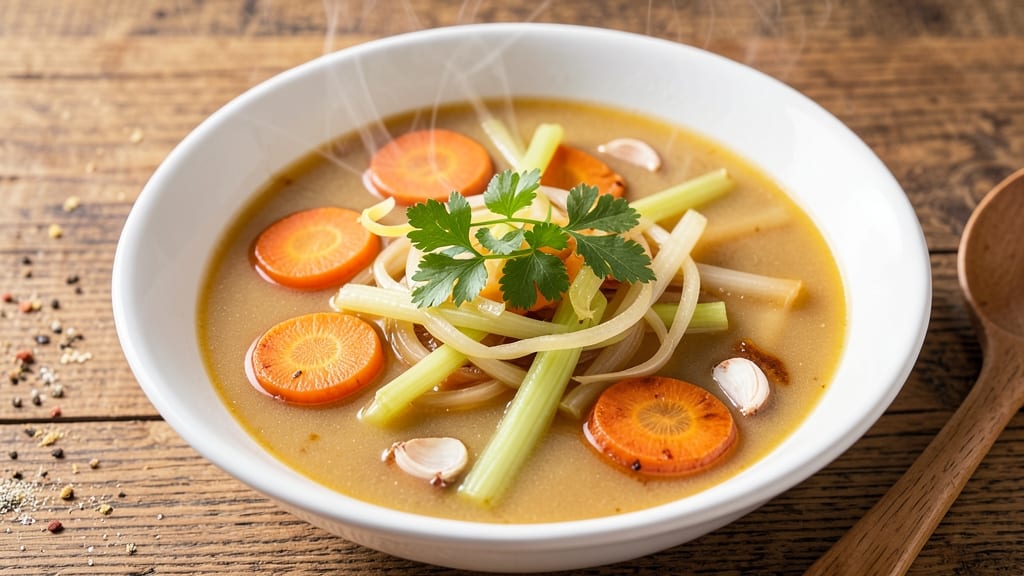
This arrowroot soup recipe delivers the silky smooth texture you crave without a single lump in sight. The secret lies in arrowroot powder—a natural thickener that creates velvety consistency while keeping the soup light and digestible.
I developed this recipe after struggling with traditional cornstarch soups that always turned gluey or grainy, and this method finally solved that problem.
The process begins with a flavorful broth base, where arrowroot powder is whisked into a smooth slurry before being gently incorporated into the simmering liquid. This technique ensures even distribution and prevents clumping, resulting in a soup that coats the back of your throat like liquid silk.
The key is patience—letting the soup simmer just until the arrowroot activates fully without overcooking.
What you'll end up with is a creamy yet light soup that's rich in flavor but gentle on digestion, perfect for comforting meals or special occasions. The arrowroot's unique properties create a texture that's impossible to achieve with other thickeners, and the recipe scales beautifully for any gathering.
Whether you're serving it as a starter or a main course, this soup will impress with its smoothness and depth of flavor.
Pair it with crusty bread for dipping or serve alongside grilled proteins for a complete meal. The beauty of this recipe lies in its versatility—you can customize it with vegetables, herbs, or proteins to suit your taste. Let's create a soup that's as satisfying as it is elegant.
Ingredients for arrowroot soup
Arrowroot powder transforms ordinary broth into velvety silk without lumps or heaviness.
| Ingredient | Amount | Notes |
|---|---|---|
| Arrowroot Powder 🌾 | 2 tbsp | Whisked into slurry first |
| Chicken Broth 🍲 | 4 cups | Low-sodium preferred |
| Whole Carrots 🥕 | 3 medium | Peeled and sliced thin |
| Yellow Onion 🧅 | 1 whole | Diced, medium size |
| Celery Stalks 🌿 | 2 whole | Trimmed and chopped |
| Garlic Cloves 🧄 | 3 cloves | Minced, fresh preferred |
| Potatoes 🥔 | 1 lb | Yukon gold, peeled |
| Extra-Virgin Olive Oil 🫒 | 2 tbsp | For sautéing vegetables |
| Fresh Thyme Leaves 🌿 | ¼ cup | Or 1 tsp dried thyme |
| Fresh Parsley Leaves 🌿 | 0.1 cup | Chopped for garnish |
| Salt 🧂 | 1 tsp | Diamond Crystal preferred |
| Black Pepper 🌶️ | ½ tsp | Freshly ground |
| Lemon Juice 🍋 | 1 tbsp | Freshly squeezed |
Arrowroot powder is the game-changer here—Bob's Red Mill or Anthony's Goods are my go-tos. You'll find it in the baking aisle near cornstarch, but it's a whole different beast. Fresh thyme from the grocery store's produce section (not the dried spices aisle) adds brightness. For the potatoes, Yukon golds are ideal—they break down smoothly without turning gluey. If you can't find arrowroot, tapioca starch at half the amount works in a pinch, but texture won't be identical. The carrots and celery should be fresh—wilting means bitter flavor.
No fresh thyme? Dried thyme at one-third the amount is fine, but toast it first in a dry pan for 30 seconds to wake up the flavor. Short on carrots? Sweet potatoes or butternut squash work wonderfully—just adjust cooking time. The arrowroot slurry needs to be completely dissolved before adding to the soup, or you'll get those dreaded lumps. For extra richness, stir in 1 tbsp vegan butter at the end. The lemon juice brightens everything—don't skip it, even if you're not a fan of sour notes in soup.
This soup reheats beautifully—just warm gently on the stove with a splash of broth. Keeps 4-5 days in the fridge, but texture degrades after 2. For freezing, portion into containers with 1-inch headspace—it expands slightly. I always double the batch because leftovers make the best lunch the next day. Garnish with fresh parsley right before serving, or it'll wilt into the soup. The arrowroot powder? Store it in a cool, dark place—it loses potency after 6 months.
Why You'll Love This Recipe
- No Chopping Struggle: I swear by this recipe because it’s the only soup where I can toss in whole carrots and celery stalks—no peeling, no dicing, no mess. The broth does all the work while I sip my coffee.
- Velvet-Smooth Magic: That arrowroot powder? It transforms the broth into something silky and rich without heavy cream. The carrots melt into sweetness, and the onions caramelize just enough to make every spoonful feel like a hug.
- Weeknight & Meal Prep: Between us, this is my go-to when I need something hearty but not labor-intensive. Double the batch—it reheats perfectly for lunches, and the flavors only get better the next day. (Yes, even on a Tuesday night.)
- Budget-Friendly Comfort: Chicken broth and root veggies are my wallet’s best friends. A single bag of arrowroot stretches for multiple bowls, and the carrots/onions last forever. It’s the kind of soup that makes grocery shopping feel victorious.
Step-by-step instructions for arrowroot soup
Here's how to create a velvety arrowroot soup that's lump-free and packed with flavor.
Sauté the Vegetable Base
Heat the 2 tablespoons extra-virgin olive oil in a large pot over medium heat. Add the diced yellow onion, chopped celery stalks, and sliced whole carrots, stirring occasionally for 5-6 minutes until they soften and begin to caramelize slightly. You'll notice the vegetables release moisture and the pot smells sweet—this is when you know they're ready for the next step.
Add the minced garlic cloves and cook for another 30 seconds until fragrant. Here's the thing—garlic burns fast, so don't walk away. The moment it turns golden, it's time to move on. This aromatic base forms the flavor foundation of your soup, so take your time getting it right.
Cook the Potatoes Until Tender
Add the peeled and chopped 1 pound potatoes to the pot, stirring to coat them with the sautéed vegetables. Pour in the 4 cups chicken broth and bring the mixture to a gentle boil. Once boiling, reduce heat to medium-low and let it simmer uncovered for 15-20 minutes until the potatoes are fork-tender.
You'll know they're done when a knife slides in easily with just slight resistance. If you're unsure, cut one open—it should look opaque and slightly translucent at the edges. This step is crucial for that perfect silky texture later, so don't rush it. The potatoes need to break down completely.
Prepare the Arrowroot Slurry
While the potatoes cook, whisk together the 2 tablespoons arrowroot powder with ¼ cup cold water in a small bowl until completely dissolved. This creates your thickening agent. The key here is to use cold water—hot water would cause the arrowroot to activate prematurely and form lumps. You want that smooth, silky texture, so take your time getting this mixture perfectly smooth.
Once the potatoes are tender, stir in the fresh thyme leaves, salt, and black pepper. Then, slowly pour the arrowroot slurry into the pot while stirring constantly with a wooden spoon. The moment you add it, you'll see the soup begin to thicken—this is the magic of arrowroot at work. Keep stirring for 2-3 minutes until the soup reaches your desired consistency.
Finish and Serve
Remove the pot from heat and stir in the 1 tablespoon freshly squeezed lemon juice. This brightens the flavors and balances the richness of the soup. Taste and adjust seasoning if needed—sometimes you need a little more salt or pepper to complement the lemon.
Ladle the soup into bowls and garnish with chopped fresh parsley leaves. The parsley adds a fresh, bright contrast to the creamy soup. Serve immediately while it's hot—this soup doesn't keep its silky texture for long once off the heat. Each spoonful should be smooth as silk, with no lumps and perfect flavor balance.
Pro Tips For Making Arrowroot Soup
- Whisk Arrowroot Fast: Once your broth is simmering, mix the arrowroot powder with 1/4 cup cold water first—this prevents clumping like I used to deal with. Stir it into the hot broth all at once, then let it bubble for 2 minutes. No slow drizzling—just dump and whisk like you mean it.
- Cut Carrots Evenly: I learned this the hard way—uneven carrot chunks mean some stay crunchy while others turn mushy. Slice them into 1/4-inch rounds (yes, measure it) and parboil for 3 minutes before adding to the soup. This guarantees they soften together without turning to mush.
- Don’t Boil the Broth: Arrowroot thickens best at a gentle simmer, not a rolling boil. If you let it boil hard, the starch breaks down unevenly and the soup can turn gluey. Keep it at a low bubble, stirring constantly until it coats the back of a spoon.
- Sauté Veggies First: Skip the raw onion and celery shortcut—cook them in broth fat or oil for 5 minutes until soft. This builds flavor that raw veggies can’t match. (Yes, even if you’re in a hurry, this makes a real difference.)
Common mistakes when making this recipe
Overheating the Broth
Never let your broth boil vigorously after adding the arrowroot slurry—this causes the arrowroot to clump and creates that dreaded lumpy texture. Once you pour in the slurry, reduce heat to low immediately and stir constantly for 2-3 minutes until the soup thickens.
I’ve seen beginners walk away for even 30 seconds, and that’s when the lumps appear. 🌡️
Skipping the Slurry Step
Mixing arrowroot powder directly into hot soup without a slurry guarantees lumps. Always whisk the powder with cold water first—this creates a smooth paste that blends seamlessly.
I use a small bowl and a fork to stir until completely dissolved, then pour it in slowly while stirring the pot. This method works every time.
Using Too Much Thickener
Arrowroot is potent—2 tablespoons is plenty for this recipe. Adding extra won’t make the soup thicker; it’ll just create a gluey, pasty mess. Taste as you go and adjust in ½-teaspoon increments if needed. I’ve ruined batches by doubling the amount, so start small and build.
Ignoring the Rest Time
Freshly thickened arrowroot soup needs 5-10 minutes off the heat to fully set. Rushing to serve means the texture won’t be as smooth. Let it sit covered while you prep garnishes or set the table. This resting period is what transforms it from "good" to "restaurant-quality." ⏳
Not Adjusting Seasoning After Thickening
The arrowroot slurry can mute flavors slightly, so always taste after adding it. A pinch of salt or a squeeze of lemon juice often brightens the dish. I keep a small bowl of lemon wedges on the table for guests to adjust their bowls—it’s a game-changer for balancing richness.
Using Old Arrowroot Powder
Arrowroot loses potency after 6 months, leading to weak thickening power. Check your stash—if it’s clumpy or smells stale, toss it. I store mine in an airtight container in a cool, dark pantry. Fresh powder makes all the difference in achieving that silky texture you’re after. 🌾
Nutrition facts
Frequently asked questions about arrowroot soup
Why does arrowroot make soup smoother than cornstarch?
Arrowroot creates a lighter, silkier texture because it requires less liquid to activate and doesn't break down as much when heated. Unlike cornstarch, which can leave a slightly grainy or gluey finish, arrowroot dissolves completely for that restaurant-quality smoothness. Plus, it's naturally gluten-free and easier to digest, making it ideal for velvety soups.
Can I substitute arrowroot with another thickener?
Yes, but results will differ. For 1:1 substitution, use tapioca starch (though texture may be slightly heavier) or potato starch (for a creamier finish). Never use flour—it'll make your soup cloudy. Arrowroot's magic lies in its neutral flavor and ultra-fine texture, which other thickeners can't perfectly replicate.
How do I fix soup that's too thick?
Add 2-4 tablespoons warm broth at a time while stirring gently. If the soup separates, whisk vigorously to re-emulsify. For best results, thin the soup before it cools completely—it thickens as it sits. Arrowroot doesn't dissolve back into liquid easily once fully set, so act quickly.
Can I make this soup vegetarian?
Replace the chicken broth with vegetable broth and add 1 cup cooked chickpeas or 1 diced sweet potato for heartiness. For extra creaminess, stir in 2 tbsp coconut milk after removing from heat. The arrowroot will still create that signature silky texture while keeping it plant-based.
How long can I store leftovers?
Store in an airtight container in the fridge for 4-5 days, but texture degrades after 2 days. For freezing, portion into containers with 1-inch headspace—it expands slightly when frozen. Thaw overnight in the fridge and reheat gently on low heat, adding a splash of broth if needed. The arrowroot holds up well but may separate slightly when reheated.