
Soups & Stews
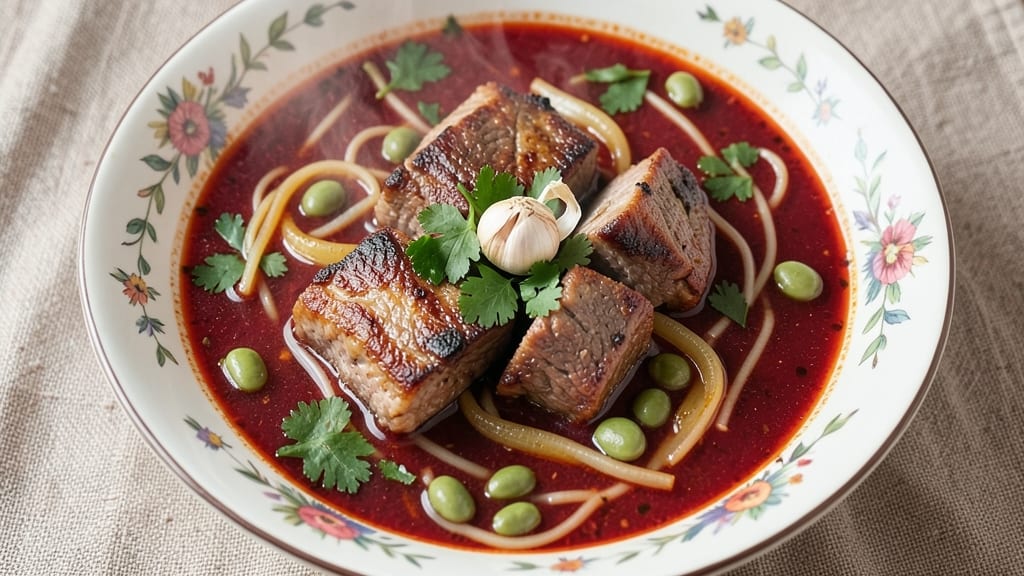
This Ash Persian soup recipe brings the heart of Iranian cuisine to your kitchen with its fragrant blend of slow-simmered lamb, tender noodles, and bright lemon-herb infusion.
The secret lies in layering flavors—starting with a rich meat broth, then weaving in dried lentils, fresh herbs, and a touch of saffron for that signature golden hue. What sets this dish apart is the balance of earthy spices and citrusy freshness, creating a soup that’s both comforting and vibrant.
Traditionally made with lamb or beef, this soup transforms tough cuts into melt-in-your-mouth tenderness through hours of gentle simmering. The addition of reshteh (thin noodles) and dried lentils adds texture and heartiness, while a splash of lemon juice at the end brightens every spoonful.
It’s a dish that feels like a hug—warm, aromatic, and deeply satisfying. Perfect for chilly evenings or family gatherings, this recipe delivers restaurant-quality results with a few simple techniques.
The beauty of Ash Persian soup is in its adaptability. While the classic version calls for meat, a vegetarian twist using mushrooms or chickpeas works beautifully. Garnish with fresh herbs, a drizzle of olive oil, or a sprinkle of sumac for that final touch of authenticity.
Each bowl is a celebration of Persian flavors—rich, aromatic, and impossibly comforting. Ready in under 2 hours (including simmering time), it’s a dish worth the wait.
Serve with warm pita bread or crusty naan to soak up every last drop of that fragrant broth. The key to success? Patience—letting the flavors meld slowly over time. This is the kind of soup that tastes even better the next day, making it ideal for meal prep.
Let’s get started on creating a bowl that’s pure comfort in every bite.
Ingredients for ash persian soup
Sixteen ingredients transform into a fragrant Persian masterpiece—slow-simmered lamb, bright herbs, and saffron's golden touch.
| Ingredient | Amount | Notes |
|---|---|---|
| Lamb Shoulder 🥩 | 2 lb | Bone-in for richer flavor |
| Reshteh (Thin Noodles) 🍝 | ½ cup | Dried Persian noodles (substitute angel hair pasta) |
| Dried Green Lentils 🌾 | 1 cup | Rinsed before adding |
| Yellow Onion 🧅 | 1 whole | Medium size, chopped |
| Garlic Cloves 🧄 | 4 cloves | Peeled, minced |
| Fresh Parsley 🌿 | ½ cup | Chopped, stems removed |
| Fresh Dill 🌿 | ¼ cup | Chopped, stems removed |
| Lemon Juice 🍋 | 2 tbsp | Freshly squeezed |
| Saffron Threads 🌼 | ¼ tsp | High-quality, soaked in 1 tbsp warm water |
| Ground Cumin 🌿 | 1 tsp | Toasted for deeper flavor |
| Ground Coriander 🌶️ | 1 tsp | Freshly ground preferred |
| Turmeric Powder 🧂 | ½ tsp | Bright yellow for color |
| Salt 🧂 | 1 ½ tsp | Kosher or sea salt |
| Black Pepper 🌶️ | ½ tsp | Freshly ground preferred |
| Olive Oil 🫒 | ¼ cup | Extra-virgin for richness |
The lamb shoulder is the heart of this dish—bone-in adds depth to the broth. Look for well-marbled cuts at your local butcher or Middle Eastern markets, where they often carry lamb specifically for Persian cooking. If you can't find reshteh, angel hair pasta works perfectly, though it won't have the same texture. For the saffron, avoid the tiny plastic packets—opt for whole threads in small jars, which deliver superior flavor. Fresh herbs are non-negotiable here; dried versions simply can't replicate the bright, citrusy notes that make this soup special.
No lamb? Beef chuck or even hearty mushrooms work beautifully for a vegetarian twist. The spices are the soul of Ash Persian soup—toast your cumin and coriander in a dry pan for 30 seconds before adding to the pot for maximum aroma. If you're missing any herbs, parsley alone can cover most of the base flavor, though dill adds that signature Persian brightness. For the saffron, if you can't find it, turmeric plus a pinch of paprika mimics the golden hue (though purists will notice the difference). The olive oil should be extra-virgin and fruity—none of that cheap cooking oil.
This soup tastes even better the next day as flavors meld. Store in an airtight container in the fridge for up to 5 days, or freeze portions for 3 months. For meal prep, cook a double batch—the extra effort saves time on busy weeknights. Garnish with fresh herbs and a drizzle of olive oil just before serving to preserve the vibrant colors. Leftovers reheat beautifully—just add a splash of water to restore the broth's richness.
Why You'll Love This Recipe
- One-Pot Magic: I swear by this recipe because it’s literally one pot—no chopping boards left in a mess, no extra dishes to wash. Just toss in the lamb, lentils, and onions, let it simmer, then stir in the reshteh at the end. That’s it. My lazy Sundays thank me.
- Deep Umami Bomb: The lamb shoulder melts into the broth, turning it rich and savory, while the garlic and lentils add that earthy, satisfying depth. Honestly, the first time I tasted it, I thought, "This is why people cook." The reshteh gives it that perfect chewy texture that makes it irresistible.
- Weeknight to Party Ready: Between us, this soup is my go-to for both exhausted weeknights and when unexpected guests show up. Serve it with crusty bread for a cozy meal, or ladle it into bowls with a sprinkle of herbs for a restaurant-worthy dish. It’s that kind of recipe—always works, always impresses.
- Budget-Friendly Leftovers: Lamb shoulder stretches across multiple meals, and the dried lentils? A total steal. I make a big batch on Sundays, and by Wednesday, I’m still eating it—better than takeout, costs a fraction, and tastes like I put in effort. (Spoiler: I didn’t.)
Step-by-step instructions for Ash Persian soup
This slow-simmered Persian classic delivers rich lamb, aromatic herbs, and bright citrus in every spoonful.
Sear the Lamb Shoulder for Deep Flavor
Pat the 2 lb lamb shoulder completely dry with paper towels. Heat the 0.25 cup olive oil in a large Dutch oven over medium-high heat until shimmering. Add the lamb and sear on all sides for 8-10 minutes until it develops a deep golden-brown crust. This step builds the foundation of flavor through the Maillard reaction.
Once browned, remove the lamb from the pot and set it aside. You'll notice the bottom of the pot has a beautiful caramelized layer—this is called the fond, and it's packed with flavor. Don't scrape it away; we'll deglaze it in the next step. The lamb will continue cooking gently in the broth, so no need to worry about overcooking it at this stage.
Sauté Aromatics and Build the Spiced Base
In the same Dutch oven, add the 1 whole yellow onion and cook over medium heat for 5-6 minutes until softened and translucent. Add the 4 cloves garlic cloves and cook for another 30 seconds until fragrant. You'll smell the garlic release its sweet aroma—this is when the flavors truly start to meld.
Stir in the 1 tsp ground cumin, 1 tsp ground coriander, and 0.5 tsp turmeric powder, cooking for 1 minute to toast the spices. This step deepens their flavors and removes any raw taste. Add the 1 cup dried green lentils and stir to coat them in the spice mixture. The lentils will absorb these flavors as they simmer.
Simmer the Lamb and Lentils
Return the lamb to the pot and add 8 cups water (or enough to cover the lamb by about 1 inch). Bring to a gentle boil, then reduce heat to low and cover partially. Simmer for 1.5 hours, skimming off any foam that rises to the surface. This slow cooking breaks down the connective tissue in the lamb, making it tender and falling-apart easy.
After 1.5 hours, check the lamb for tenderness. It should be fork-tender, with the meat easily separating from the bone. If it's not quite there, continue simmering for another 30 minutes. The broth should now have a rich, golden color and a complex aroma from the lamb and spices. This is where the magic happens—the flavors meld into a harmonious broth.
Infuse with Herbs and Saffron
Add the 0.5 cup fresh parsley, 0.25 cup fresh dill, 2 tbsp lemon juice, and the soaked 0.25 tsp saffron threads (with their soaking liquid) to the pot. Stir gently to combine. The herbs will brighten the dish, while the saffron adds its signature floral note and vibrant color. Simmer uncovered for another 20 minutes to allow the saffron to fully infuse into the broth.
Taste the broth and adjust seasoning with the 1.5 tsp salt and 0.5 tsp black pepper if needed. The soup should be well-seasoned but not overly salty. The lemon juice adds a bright contrast to the rich lamb and lentils, balancing the flavors beautifully. This is the moment where all the elements come together—herbs, spices, citrus, and lamb—creating a symphony of tastes.
Finish with Reshteh and Rest
Add the 0.5 cup reshteh (thin noodles) to the pot and simmer for 5-7 minutes until the noodles are tender but still slightly al dente. They should hold their shape but be soft enough to eat easily. Overcooking them will turn them mushy, so keep an eye on them during this final step.
Remove the lamb from the pot and shred it into bite-sized pieces using two forks. Return the shredded lamb to the pot and stir gently to combine. Let the soup rest for 10 minutes before serving. This resting period allows the flavors to settle and the noodles to absorb the broth fully. Serve the soup hot, garnished with additional fresh herbs if desired. Each spoonful should deliver a perfect balance of tender lamb, hearty lentils, and bright, aromatic broth.
Pro Tips For Making Ash Persian Soup
- Brown the Lamb First: Don’t skip the golden crust—sear the lamb shoulder in batches over medium-high heat until deep brown in spots. This locks in flavor and prevents the soup from tasting bland later, especially since Persian ash soup relies on slow-cooked richness.
- Soak Lentils 30 Minutes: I learned this the hard way—dried green lentils stay rock-hard if you toss them straight into the pot. A quick 30-minute soak in warm water softens them just enough to cook through without turning mushy. Drain well before adding.
- Simmer, Don’t Boil: After the initial sear and sauté, keep the heat low enough that tiny bubbles just break the surface. Boiling burns the lamb and scatters the reshteh noodles everywhere—this soup needs gentle heat to meld flavors, not a violent pot.
- Add Reshteh Last: The noodles cook in seconds—wait until the very end to toss them in. If you add them early, they’ll turn to mush and ruin the texture. Stir them in for 1-2 minutes max, then serve immediately.
Essential equipment for perfect results
Dutch Oven Essentials
A large Dutch oven is non-negotiable for Ash Persian soup—it’s the workhorse of Persian cooking. I recommend a 5-6 quart enameled cast iron Dutch oven like the Le Creuset Signature or Lodge Pre-Seasoned for even heat distribution and durability.
The enameled version prevents flavor transfer and makes cleanup easier. If you’re on a budget, the Amazon Basics Dutch Oven works well for occasional use. 🔥
Heavy-Bottomed Pot
If you don’t own a Dutch oven, a heavy-bottomed stainless steel pot (like the All-Clad D5) will work, though it may require more attention to prevent scorching. The key is maintaining low and slow heat—this soup rewards patience.
Avoid thin aluminum pots; they heat unevenly and can’t handle the long simmering time required for tender lamb.
Meat Thermometer
A meat thermometer is your best friend for perfect lamb tenderness. I use the Thermoworks Smoke—it’s precise and has a long probe for monitoring the center of the lamb shoulder.
Insert it into the thickest part of the meat; it should reach 195°F for fall-apart tenderness. Without one, you risk overcooking the lamb or leaving it tough. 🌡️
Wooden Spoon and Ladle
Use a wooden spoon for stirring—it won’t scratch the pot or react with the acidic lemon juice. A stainless steel ladle (like the OXO Good Grips) is perfect for serving without disturbing the noodles or lentils at the bottom.
Avoid metal utensils that can scratch enameled surfaces or react with the spices.
Fine-Mesh Skimmer
A fine-mesh skimmer (such as the OXO Good Grips) helps remove foam and impurities from the broth as it simmers. This keeps your soup clear and prevents a cloudy finish.
Skim for the first 10 minutes of simmering to remove any scum that rises to the surface. It’s a small step that makes a big difference in texture.
Mortar and Pestle
For maximum flavor, toast your cumin and coriander in a dry mortar and pestle (or a small skillet) before adding them to the pot. This step deepens their aroma and removes any bitterness.
A marble mortar works best—it’s heavy enough to crush seeds effectively. If you don’t have one, a spice grinder in short bursts will work in a pinch.
Nutrition facts
Frequently asked questions
Can I make this Persian soup with beef instead of lamb?
Beef chuck or stew meat works beautifully as a substitute for lamb. Use the same cut weight (2 lb) and follow the same searing and simmering instructions. Beef will develop a slightly deeper, richer flavor that pairs wonderfully with the bright herbs and citrus. For extra tenderness, consider adding a 1-inch piece of kombu seaweed to the broth while simmering—it breaks down collagen beautifully.
What can I use if I can't find reshteh noodles?
Don't worry—angel hair pasta or fine vermicelli noodles make excellent substitutes. Use the same 0.5 cup measurement and cook them for 3-4 minutes less than package instructions since they'll finish in the hot broth. For an even closer texture, try rice noodles or thin spaghetti, but avoid thick noodles like fettuccine that won't blend well with the soup's delicate texture.
How do I make this soup vegetarian?
Swap the lamb for 1.5 lb mushrooms (cremini or portobello) or 1 can chickpeas (drained). For depth, add 1 tbsp soy sauce or 1 tsp smoked paprika to mimic the umami from meat. Simmer the mushrooms for 10 minutes first to remove bitterness, then proceed with the recipe. The saffron and lemon will still create that signature Persian brightness in every spoonful.
Why does my soup taste bland after resting?
This usually happens when the broth lacks sufficient seasoning or wasn't reduced enough. First, ensure you toasted your spices properly—they should smell deeply aromatic before adding to the pot. For extra richness, reduce the broth uncovered for 10-15 minutes at the end to concentrate flavors. A final squeeze of lemon juice and sprinkle of sumac or flaky salt can also brighten flavors dramatically.
Can I prepare this soup ahead of time?
This soup actually tastes better the next day! Store in an airtight container in the fridge for up to 5 days or freeze portions for 3 months. Reheat gently on the stove, adding a splash of water if the broth thickens too much. The flavors meld beautifully overnight, making it perfect for meal prep. Garnish with fresh herbs just before serving to keep colors vibrant.