
Soups & Stews
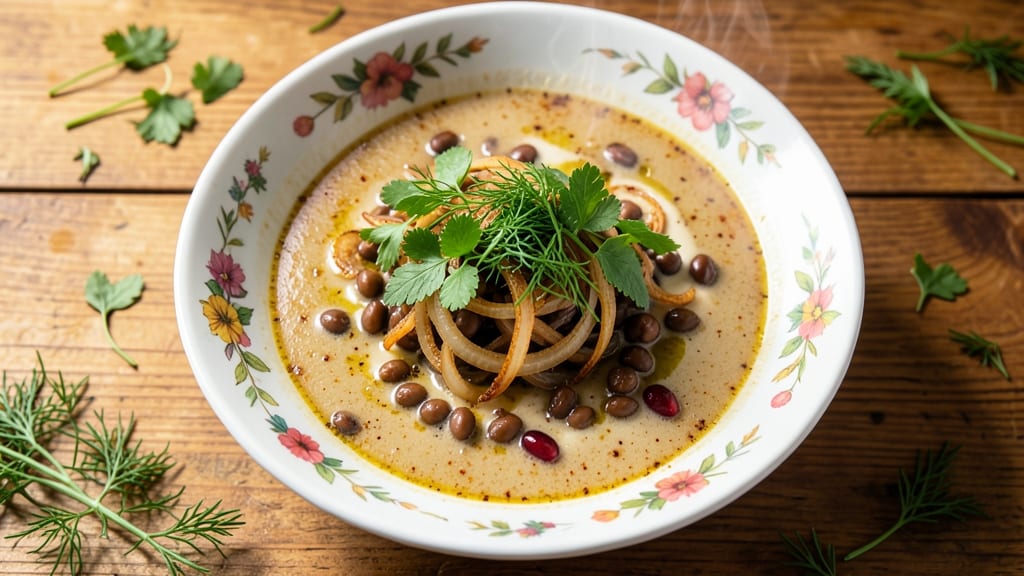
This ash reshteh soup recipe brings the comforting warmth of Persian home cooking to your table with its fragrant blend of herbs, tender noodles, and tangy lime zest. ✨ The secret lies in the slow-simmered broth, where dried lentils and aromatic herbs infuse the liquid with deep, earthy flavors that create a soul-soothing experience.
I first discovered this dish during a trip to Iran, where it’s traditionally served as a nourishing starter or light meal—perfect for cooler evenings or when you crave something hearty yet simple.
The beauty of ash reshteh is its simplicity: just a handful of ingredients—dried lentils, fresh herbs, noodles, and a touch of lime—come together to create a dish that’s both elegant and approachable.
The key is soaking the noodles properly and simmering the lentils until they’re tender but still hold their shape, ensuring the broth remains rich and flavorful without turning mushy.
This vegetarian version is naturally gluten-free if you use rice noodles, making it adaptable to various dietary needs while staying true to its traditional roots.
What makes this soup truly special is the balance of flavors—herbaceous, tangy, and slightly savory—all tied together by the bright pop of lime zest.
The result is a bowl of warmth that’s as comforting as it is delicious, with each spoonful offering a harmonious blend of textures: tender lentils, delicate noodles, and fragrant herbs.
It’s the kind of dish that feels like a hug in a bowl, perfect for sharing with family or enjoying on your own.
Serve it garnished with crispy fried onions or fresh parsley for added texture and color, and pair it with warm bread or a simple salad to round out the meal.
The leftovers keep well in the refrigerator for up to three days, allowing the flavors to deepen even more over time. Let’s bring a taste of Persia into your kitchen with this timeless recipe.
Ingredients for ash reshteh soup
Herbs, lentils, and noodles—just a handful of ingredients for this soul-warming Persian soup.
| Ingredient | Amount | Notes |
|---|---|---|
| Dried Brown Lentils 🍲 | ½ cup | Rinsed before cooking |
| Fresh Parsley 🌿 | ¼ cup | Chopped, stems removed |
| Fresh Dill 🌿 | ¼ cup | Chopped, stems removed |
| Fresh Cilantro 🌿 | ¼ cup | Chopped, stems removed |
| Fresh Mint Leaves 🌿 | ⅛ cup | Chopped, stems removed |
| Medium Onion 🧅 | 1 whole | Thinly sliced, white or yellow |
| Garlic Cloves 🧄 | 4 cloves | Minced, peeled |
| Rice Noodles 🍜 | 4 oz | Fine or medium width |
| Lemon Juice 🍋 | 2 tbsp | Freshly squeezed |
| Lime Zest 🍋 | 1 tsp | Finely grated |
| Vegetable Oil 🫒 | 2 tbsp | For sautéing |
| Salt 🧂 | 1 ½ tsp | Adjust to taste |
| Black Pepper 🌶️ | ½ tsp | Freshly ground |
| Ground Cumin 🌿 | ½ tsp | Toasted for depth |
| Turmeric Powder 🌶️ | ¼ tsp | For golden color |
The herbs are non-negotiable here. Fresh is a must—none of that dried stuff unless you're desperate. I grab mine from the Middle Eastern market near my place, where they sell bundles of parsley, dill, and cilantro still tied together. If you can't find mint, skip it—this soup still shines. The lentils? Brown or green work best; they hold their shape better than red. Soak the rice noodles for 10 minutes before adding to the broth—they cook faster that way, and you avoid a mushy mess.
No fresh herbs? Dried works at half the amount, but the flavor won't be the same. Short on parsley? Cilantro or basil stretches it, but you'll notice the difference. The onion can be swapped for leeks or shallots if you're feeling fancy. For the noodles, egg noodles work too—just don't use wheat if you're keeping it gluten-free. The lime zest is where the magic happens; if you're out, extra lemon juice gets you close. And trust me, toast the cumin and turmeric in the oil for 30 seconds—they'll sing with flavor.
This soup tastes even better the next day as the flavors meld. Keeps in the fridge for 3-4 days, covered. For leftovers, I like to portion into containers with a little extra broth—freezes beautifully for up to 3 months. Garnish with crispy fried onions or extra herbs before serving; store-bought fried onions from the international aisle work in a pinch. Serve with warm Persian flatbread or crusty bread to soak up every last drop.
Why You'll Love This Recipe
- Throwaway Pantry Staples: I swear by this soup because it uses what I always have: dried lentils, a few herbs, and whatever onions are lurking in my fridge. No fancy shopping required—just open the cabinet, measure, and go.
- Herb Bomb Flavor: That bright mix of parsley, dill, cilantro, and mint? It’s like a fresh breeze in a bowl. The lentils soak up the herby goodness while staying tender, and honestly, the aroma alone makes me forget about takeout.
- Leftover Hero: This soup actually improves the next day—yes, really. The flavors meld even better, and it’s perfect for packing lunches or reheating when you’re too tired to cook. (I’ve lived on this for three days straight.)
- Weeknight Workhorse: Simmer it while you prep dinner or let it cook on low heat all day. It’s the kind of soup that doesn’t demand attention but still delivers—no last-minute stress, no burnt edges, just reliable comfort.
Step-by-step instructions for Persian herb-infused noodle soup
Here's how to create this fragrant, herb-packed Persian classic with tender lentils and delicate noodles.
🍳 Step 1: Toast Spices and Sauté Aromatics
Heat the 2 tablespoons vegetable oil in a large pot over medium heat. Add the 0.5 teaspoon ground cumin and 0.25 teaspoon turmeric powder, stirring constantly for 30 seconds until fragrant. You'll smell that warm, earthy cumin aroma—this is where the soup's depth begins.
Add the 1 whole medium onion (thinly sliced) and cook for 5-6 minutes until softened and translucent. Stir in the 4 cloves garlic cloves (minced) and cook for another 30 seconds until golden. Don't let the garlic brown—just until it releases its aroma. This aromatic base forms the flavor foundation for your soup.
👨🍳 Step 2: Cook Lentils Until Tender
Add the 0.5 cup dried brown lentils (rinsed) to the pot along with 6 cups water and the 1.5 teaspoons salt. Bring to a boil, then reduce heat to medium-low and simmer for 20-25 minutes until the lentils are fork-tender but not mushy. You want them to hold their shape while still being tender.
While the lentils cook, toast the remaining spices: add the 0.5 teaspoon black pepper and stir for 10 seconds. The pepper will darken slightly—this enhances its flavor. Taste the broth now. It should be savory but not overly bitter. If needed, add a pinch more salt or a splash of water to adjust consistency.
🍳 Step 3: Prepare and Cook the Rice Noodles
Bring a separate pot of water to a boil and add the 4 ounces rice noodles. Cook according to package instructions (usually 3-4 minutes) until al dente. They should be tender but still slightly firm to the bite. Drain and set aside, tossing with a bit of the cooking water to prevent sticking.
Here's the thing—rice noodles cook faster than you might expect. Start checking at 2 minutes and taste test frequently. Overcooked noodles turn mushy and ruin the texture. The perfect noodle should have a slight bite when you bite into it—this is what makes Ash Reshteh so satisfying.
🥘 Step 4: Combine and Finish with Herbs
Return the lentils and broth to a simmer. Add the cooked rice noodles and stir gently to combine. Cook for another 2-3 minutes just to heat through. This is where everything comes together—don't skip this step or the noodles will be cold.
Remove from heat and stir in the 0.25 cup fresh parsley, 0.25 cup fresh dill, 0.25 cup fresh cilantro, and 0.125 cup fresh mint leaves (all chopped). Add the 2 tablespoons lemon juice and 1 teaspoon lime zest. The herbs should be distributed evenly throughout the soup—this is what gives Ash Reshteh its signature fresh, vibrant flavor.
🍽️ Step 5: Serve with Fresh Garnish
Ladle the soup into bowls immediately. Garnish each serving with an additional sprinkle of chopped herbs and a pinch of lime zest. The bright citrus notes cut through the earthy lentils and warm spices, creating perfect balance. Serve with warm crusty bread to soak up every last drop of that fragrant broth.
This soup tastes even better the next day as the flavors meld together. The herbs will soften slightly but maintain their fresh character. The secret to authentic Ash Reshteh lies in that perfect harmony of earthy spices, tender lentils, delicate noodles, and bright herbs—each element playing its part in this Persian comfort classic.
Pro Tips For Making Ash Reshteh Soup
- SOAK LENTILS 4 HOURS: I learned this the hard way—skipping the soak makes the lentils split into mush. Toss them in cold water for at least 4 hours (or overnight if you’re planning ahead), then drain before cooking. The texture stays firm and holds up to the long simmer, which is crucial for this soup’s hearty consistency.
- CHOP HERBS FINE: Don’t just roughly chop the parsley, dill, cilantro, and mint—give them a proper pulse in the food processor or a sharp knife. The herbs should be almost paste-like because they’re the soul of ash reshteh. If you’re lazy and leave them chunky, the flavor will hide in the background instead of singing.
- SIMMER LOW AND SLOW: This isn’t a race. After the initial boil, drop the heat to the lowest setting that keeps a gentle bubble—think lazy steam, not a rolling boil. I used to rush it, and the lentils turned to paste while the broth stayed watery. Patience here guarantees a rich, velvety soup where every bite has weight.
- ADD ASH LATE: If you’re using traditional ash (the smoked residue from burning wood or vine shoots), stir it in only during the last 10 minutes of cooking. Any earlier, and the bitterness overpowers the delicate herb and lentil flavors. Taste first—you want just a whisper of smokiness, not a campfire in your bowl.
Dietary considerations for this ash reshteh soup
Vegetarian-Friendly Base
This ash reshteh is naturally vegetarian, making it perfect for plant-based diets while still delivering satisfying protein from the ½ cup dried brown lentils. The lentils provide a hearty texture that mimics meaty dishes, while the 4 oz rice noodles add delicate chew.
For extra protein, you could stir in ½ cup cooked chickpeas at the end—just heat them through with the soup. 🌱
Gluten-Free Adaptation
The original recipe uses rice noodles, which are naturally gluten-free, but always double-check the package label. If you prefer wheat noodles, swap for gluten-free egg noodles (like Barilla brand) or buckwheat noodles for a nutty twist.
The soup's flavor profile remains unchanged—just ensure your noodles are certified gluten-free to avoid cross-contamination. ✨
Dairy-Free by Design
Unlike many Persian soups that include yogurt or cream, ash reshteh is completely dairy-free from the start. The richness comes from the lentils and herbs rather than dairy, making it safe for lactose-intolerant eaters.
For extra creaminess, stir in 1 tablespoon tahini or a splash of coconut milk when serving—both add depth without dairy. 🥛
Spice Sensitivity Options
While the recipe includes ground cumin and black pepper, you can easily adjust the heat. For sensitive palates, reduce the cumin to ¼ teaspoon and omit the pepper entirely. The turmeric adds color without heat, so keep that at ¼ teaspoon for a golden hue.
The lime zest and fresh herbs provide plenty of bright flavor without spice. 🌶️
Allergen Awareness
This soup contains no common allergens like nuts, shellfish, or soy, but always verify ingredient labels. The only potential concern is the rice noodles—some brands process in facilities that handle soy or wheat.
For extra caution, choose certified allergen-free noodles or opt for quinoa noodles as a gluten-free, soy-free alternative. The dish remains safe for most dietary restrictions with these simple swaps. 💡
Nutrition facts
Frequently asked questions
Can I make ash reshteh with dried herbs instead of fresh?
Fresh herbs are ideal for that vibrant flavor, but you can use dried herbs in a pinch! Use ⅓ the amount (e.g., 1 tablespoon dried parsley instead of ¼ cup fresh) and add them at the very end to prevent bitterness. The flavor won't be as bright, but it will still taste delicious. For best results, combine dried parsley with ½ teaspoon dried dill—this mimics the fresh herb blend.
How do I prevent the noodles from turning mushy?
Rice noodles cook quickly and turn mushy if overcooked. Soak them for 10 minutes before adding to the broth, then cook them separately for only 2-3 minutes in boiling water—just until tender. Add them to the hot broth for the final 2-3 minutes of simmering to warm through without overcooking. Always drain them well and toss with a bit of cooking water to prevent sticking.
Can I make ash reshteh ahead of time?
This soup actually tastes better the next day as the flavors meld! Store it in an airtight container in the fridge for up to 3 days. Reheat gently on the stove, stirring occasionally, and add a splash of water if it thickens too much. For freezing, portion into containers and freeze for up to 3 months. Thaw overnight in the fridge and reheat slowly—this preserves the texture of both lentils and noodles.
What if I don't have lime zest?
No problem! The lime zest adds brightness, but you can substitute with 1 extra tablespoon lemon juice or even ½ teaspoon bottled lime juice concentrate. For a different twist, add ½ teaspoon orange zest instead—it pairs beautifully with the herbs. The key is balancing the acidity, so adjust to taste. The soup will still be delicious without it!
How can I make this soup more flavorful?
For an extra depth of flavor, sauté the onions until they're caramelized (about 10 minutes) before adding garlic. You can also toast the cumin and turmeric in the oil for 1 minute until fragrant. For a richer broth, add 1 teaspoon tomato paste with the spices or stir in ½ cup cooked white beans at the end. Finally, finish with a sprinkle of crispy fried shallots for texture and aroma.