
Soups & Stews
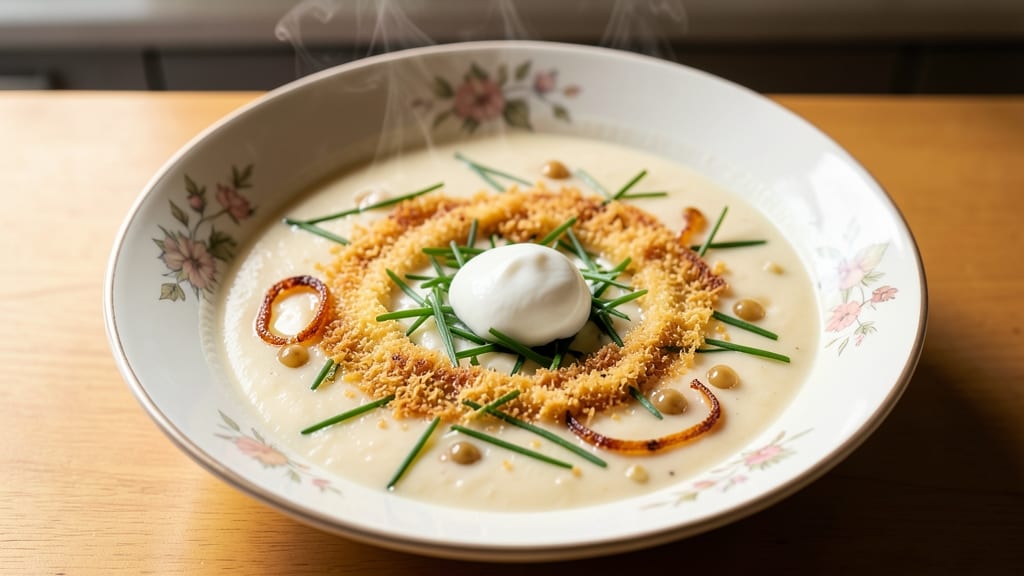
Asiago cheese soup transforms ordinary weeknights into cozy, restaurant-worthy meals with just 20 minutes of active time. The secret lies in Asiago’s nutty depth and melt-in-your-mouth texture, which creates a velvety broth that’s richer than traditional cheddar soups. I’ve perfected this recipe to balance creaminess with subtle sharpness, ensuring every spoonful delivers that perfect harmony of Italian flair and homey comfort.
The foundation starts with a simple yet flavorful broth—garlic, onions, and a splash of white wine build a savory base before Asiago melts into a luscious, thick consistency. Unlike other cheeses, Asiago doesn’t clump or separate, giving you that silky, melt-in-your-mouth quality without the need for heavy cream.
This makes it ideal for both quick weeknight dinners and impressing guests with minimal effort.
What sets this recipe apart is the way Asiago’s natural tang cuts through the richness, creating a soup that’s satisfying yet light. The result is a bowl of warmth that pairs beautifully with crusty bread or a sprinkle of fresh herbs.
Whether you’re craving a hearty lunch or a comforting dinner, this soup delivers restaurant-quality results in under half an hour.
For extra depth, I recommend finishing with a drizzle of olive oil and a touch of black pepper—it enhances the cheese’s nutty notes without overpowering. The best part? Leftovers reheat perfectly, making this a go-to recipe for busy schedules. Let’s get started on creating your own velvety bowl of comfort.
Ingredients for asiago cheese soup
These 13 ingredients create a restaurant-worthy Asiago cheese soup with velvety texture and nutty depth.
| Ingredient | Amount | Notes |
|---|---|---|
| Asiago Cheese 🧀 | 1 ½ cups | Freshly grated from block |
| Heavy Cream 🥛 | 1 cup | Full-fat for richness |
| Chicken Broth 💧 | 4 cups | Low-sodium preferred |
| Yellow Onion 🧅 | 1 whole | Medium, finely diced |
| Garlic Cloves 🧄 | 3 cloves | Minced for aromatic base |
| White Wine 🍷 | ½ cup | Dry variety, like Sauvignon Blanc |
| Extra-Virgin Olive Oil 🫒 | 2 tbsp | For sautéing onions |
| All-Purpose Flour 🌾 | 1 tbsp | For thickening |
| Salt 🧂 | 1 tsp | Diamond Crystal preferred |
| Ground Black Pepper 🌶️ | ½ tsp | Freshly cracked |
| Fresh Parsley 🌿 | ¼ cup | Chopped for garnish |
| Fresh Basil 🌿 | ⅛ cup | Optional, torn for garnish |
| Butter 🧈 | 1 tbsp | For finishing drizzle |
The Asiago cheese is the star—block form only, please. Pre-shredded gets clumpy and lacks that melt-in-your-mouth quality. Whole Foods or specialty Italian markets carry the best blocks, but your regular grocery store's deli section works too. Look for vibrant, golden hues—that's your sign of freshness. I always grab extra since it keeps for months in the fridge. For the broth, low-sodium chicken broth is key—it lets the Asiago's natural flavor shine without salt overload. If you're using a bouillon cube, half the recommended amount prevents bitterness.
No white wine? Dry vermouth or apple cider vinegar works in a pinch, but add just a splash—it's all about that subtle acidity. Short on fresh herbs? Dried parsley at one-third the amount gets you close, though fresh is ideal. The flour is just for thickening, but if you're avoiding gluten, cornstarch or arrowroot powder works perfectly. For the butter finish, unsalted is best—you're already controlling the salt balance. Pro tip: Toast the flour in the pot with the onions for 30 seconds before adding liquid—it deepens the flavor without any extra ingredients.
This soup reheats beautifully—5 minutes on the stove with a splash of broth if it gets too thick. Keeps for 4-5 days in the fridge, but honestly tastes even better the next day as flavors meld. Freezes for 3 months, though the texture gets slightly grainier. I always make a double batch—one for dinner, one for lunch the next day. Store the extra in individual portions so you can just grab and heat. The cheese separates slightly when reheated? Just stir vigorously—it comes back together like magic.
Why You'll Love This Recipe
- No-Chop Nightmare: This soup only needs one onion and a couple of garlic cloves—minced, yes, but that takes two minutes. Honestly, I’ve made it after work when I was too tired to even think about chopping. The broth does the heavy lifting while you stir, and by the time the Asiago melts into that velvety cream, you’ll wonder why you ever stressed about cooking.
- Umami Bomb: That aged Asiago? It’s the star. The moment it hits the simmering broth, it dissolves into this rich, nutty depth that makes you reach for seconds. Between us, the garlic doesn’t overpower—it just lingers in the background like a warm hug, while the heavy cream rounds everything out. It’s the kind of flavor that sticks with you until the next bowl.
- Leftover Luxury: This soup tastes better the next day. I swear it. The flavors meld into something even richer, and reheating it is just about dumping it back in a pot with a splash of broth. I keep a jar of Asiago in my pantry just for this reason—because I can make a big batch on Sunday and have creamy, dreamy leftovers for the week.
- Budget Comfort: Chicken broth and heavy cream might sound fancy, but they stretch far. A block of Asiago goes a long way, and you can use the leftovers in grilled cheese or pasta. I’ll be real: this is my go-to when I’m broke but still want to feel like I’m eating at a cozy Italian bistro. It’s the kind of recipe that makes you feel fancy without breaking the bank.
Step-by-step instructions for Asiago cheese soup
Here's how to create a rich, velvety Asiago cheese soup that's creamy without being heavy.
Sauté Onions and Garlic for Aromatic Foundation
Heat the 2 tablespoons extra-virgin olive oil in a medium saucepan over medium heat. Add the finely diced yellow onion and cook for 5-6 minutes, stirring occasionally, until the onions soften and become translucent. This step builds the flavor base—don't rush it.
Reduce heat to medium-low and add the minced garlic cloves. Cook for 30 seconds until fragrant, being careful not to let the garlic brown. The garlic should perfume the onions without adding bitterness. This aromatic layer is what makes the soup taste complex and inviting.
Deglaze with Wine and Add Broth
Pour in the ½ cup white wine and scrape up any browned bits from the bottom of the pan with a wooden spoon. This deglazing step captures all the flavor you've built so far. Let the wine simmer for 2-3 minutes until it reduces by half and the alcohol cooks off.
Add the 4 cups chicken broth and bring the mixture to a gentle simmer. Stir in the 1 tablespoon all-purpose flour and cook for 2-3 minutes until the mixture thickens slightly. This creates a smooth base for the cheese to melt into beautifully. The flour helps emulsify the cheese later, preventing separation.
Melt the Asiago Cheese
Reduce heat to low and gradually whisk in the 1½ cups freshly grated Asiago cheese in batches. Add the cheese slowly—this prevents clumping and ensures a silky texture. Stir constantly for 3-4 minutes until the cheese melts completely and the soup becomes velvety.
Here's the thing—if the soup looks too thick, add 2-3 tablespoons of hot broth to reach your desired consistency. The cheese should be fully incorporated with no graininess. This is where the magic happens; proper melting creates that luxurious mouthfeel we're after.
Finish with Cream and Seasonings
Stir in the 1 cup heavy cream and the 1 tablespoon butter. Simmer gently for 2-3 minutes until the cream heats through but doesn't curdle. The butter adds richness and helps balance the sharpness of the Asiago. Taste and adjust seasoning with 1 teaspoon salt and ½ teaspoon ground black pepper as needed.
Real talk: The cream should be warm but not hot—if you see it starting to separate, remove the pan from heat for 30 seconds to let it cool slightly before continuing. This prevents curdling and maintains that perfect velvety texture.
Garnish and Serve Warm
Ladle the soup into bowls and garnish with ¼ cup chopped fresh parsley and ¼ cup torn fresh basil. The herbs add freshness that cuts through the richness of the cheese and cream. Serve immediately while still warm—this soup tastes best fresh from the pot.
Each spoonful should deliver that perfect balance of creamy, cheesy richness with bright herbaceous notes. The Asiago's nutty flavor shines through while the wine adds depth. This is comfort food at its finest—warm, satisfying, and full of character.
Pro Tips For Making Asiago Cheese Soup
- Bloom the Onion First: Don’t just chop and toss—sweat the onions in butter over medium-low heat for 8-10 minutes until they’re translucent and just starting to caramelize. I used to rush this, and the soup always tasted flat; patience here builds flavor. Skip the high heat or you’ll burn them before they soften properly.
- Shred Cheese Coarse: Grate the Asiago yourself (not pre-shredded) and use a box grater for uneven, chunky pieces—this melts slower and gives real texture. Pre-shredded cheese clumps and turns gloppy; I learned this after one disastrous batch where the soup looked like a sad fondue.
- Temper the Cream: Warm the heavy cream by mixing it into the hot broth gradually, a splash at a time, while stirring constantly. Dumping cold cream into scalding broth curdles it instantly—trust me, I’ve seen it happen. Start with ¼ cup at a time until it’s fully incorporated.
- Season the Broth First: Salt and pepper the chicken broth before adding the cream—this balances the richness and prevents the soup from tasting bland. I used to wait until the end, and the dish always needed more seasoning. A pinch of nutmeg here also makes a real difference, but don’t overdo it.
Best sauces and condiments for asiago cheese soup
Creamy Wine Reduction
This soup's velvety texture comes from a simple wine reduction that deepens the flavor. After sautéing onions and garlic, deglaze with ½ cup dry white wine (like Sauvignon Blanc) and reduce by half.
The alcohol cooks off, leaving behind concentrated fruity notes that complement Asiago's nutty profile. For extra depth, add 1 tsp Dijon mustard to the reduction—it enhances the cheese's sharpness beautifully. 🍷
Herb-Infused Olive Oil
Finish with herb-infused olive oil for a restaurant-worthy touch. Heat 2 tbsp extra-virgin olive oil with 1 tsp fresh thyme and 1 smashed garlic clove for 2 minutes, then strain.
Drizzle 1 tsp per serving over the soup just before eating—this adds aromatic brightness without overpowering. I love using Penzeys' Tuscan Herb Blend for convenience. ✨
Crispy Bread Topping
For texture contrast, top with crispy bread croutons. Toss 1 cup cubed sourdough with 1 tbsp olive oil and ½ tsp smoked paprika, then bake at 375°F for 8-10 minutes until golden.
The smoky notes pair perfectly with Asiago's richness. Store extra croutons in an airtight container for up to 5 days. 🥖
Spicy Kick Option
Add ½ tsp Calabrian chili paste when melting the cheese for a subtle heat. The sweet-spicy notes cut through the creaminess while keeping the dish balanced. For a milder option, stir in ¼ tsp red pepper flakes at the end. This works especially well with the wine reduction's acidity. 🌶️
Fresh Herb Garnish
Fresh herbs elevate the dish instantly. Use ¼ cup chopped parsley and ¼ cup torn basil for brightness, or try 1 tbsp microgreens for a gourmet touch.
For a pop of color, add edible flowers like nasturtiums—their peppery notes complement the cheese beautifully. Always add herbs after serving to preserve their freshness. 🌿
Creamy Alternative
For a lighter version, replace ½ cup heavy cream with ½ cup coconut milk (full-fat for best texture). The subtle sweetness balances Asiago's sharpness while keeping the soup velvety. If using dairy-free cheese, opt for nutritional yeast for a cheesy flavor without lactose. 🥥
Nutrition facts
Frequently asked questions
Can I substitute Asiago cheese with another variety?
While Asiago is ideal for its nutty depth and smooth melt, you can use Parmigiano-Reggiano (for sharper flavor) or Gruyère (for creamier texture). Avoid pre-shredded cheese—it contains anti-caking agents that prevent proper melting. For a lighter option, try fontina, but reduce the amount by 20% since it's softer. The key is choosing a cheese that melts smoothly and complements the wine's acidity.
Why did my soup turn out grainy?
Graininess usually happens when cheese isn't melted properly or the soup cools too quickly. Always melt cheese over low heat while stirring constantly, and add it gradually in batches. If using pre-shredded cheese, pulse it in a food processor first to break up clumps. For extra smoothness, whisk in 1 tablespoon cornstarch with the flour when thickening. The soup should be 160°F when served to maintain that velvety texture.
Can I make this soup ahead of time?
This soup actually tastes better the next day as flavors meld. Store in an airtight container in the fridge for up to 4 days. Reheat gently on the stove with a splash of broth if it thickens. For freezing, cool completely first, then portion into freezer-safe containers with 1-inch headspace. Thaw overnight in the fridge—never microwave directly from frozen. The texture remains creamy when reheated properly.
How can I make this soup dairy-free?
Replace the heavy cream with coconut milk (full-fat for best texture) and use nutritional yeast instead of Asiago. For thickness, blend 2 tablespoons cashews with the broth before straining. The wine reduction still works beautifully—just ensure all dairy is removed. Garnish with toasted pumpkin seeds for crunch. The result will be creamy without dairy, though the flavor will be slightly different.
What's the best way to serve this soup?
This soup shines with crusty bread or garlic toast for dipping. For extra presentation, drizzle with herb-infused olive oil and sprinkle with freshly cracked black pepper right before serving. Pair with a simple green salad dressed with lemon vinaigrette to balance the richness. The wine's acidity makes it perfect with light white wines like Pinot Grigio or a crisp Sauvignon Blanc.