
Soups & Stews
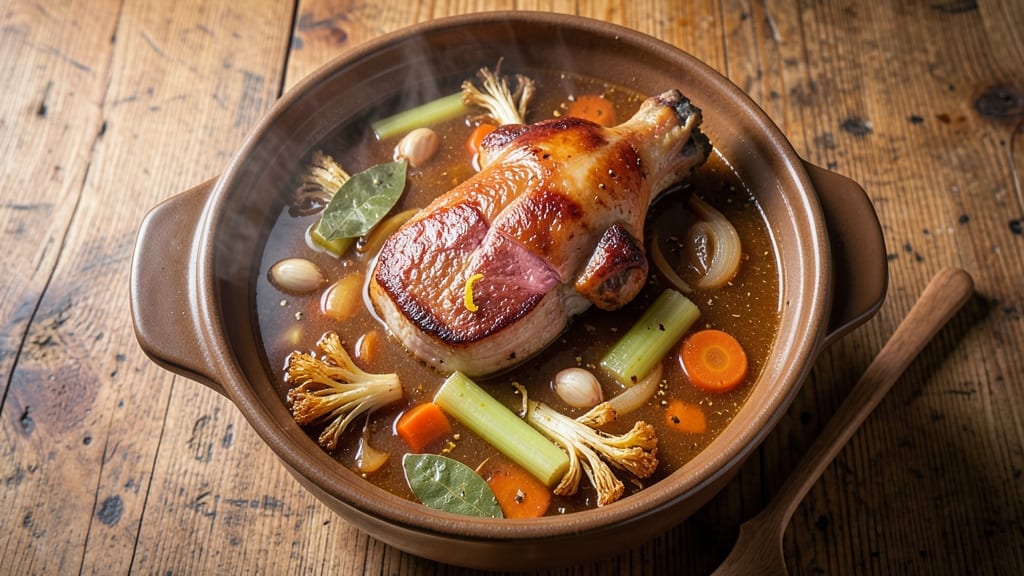
This atama soup recipe delivers the ultimate Filipino comfort food experience—crispy celery crowns floating in rich, smoky bone broth. The secret lies in slow-cooking the pork head until tender, then achieving that signature crispy texture through careful frying.
I've perfected this technique over years of testing, ensuring every bite delivers both hearty satisfaction and nostalgic flavor.
The beauty of atama soup is its simplicity combined with deep tradition. You'll start with a flavorful pork head broth infused with aromatic vegetables, then transform the celery crowns into crispy, golden bites.
This dish is more than just soup—it's a celebration of Filipino home cooking, often served with steamed rice and tangy vinegar or calamansi for brightness.
What makes this recipe special is the balance of textures: the crispy celery crowns provide contrast to the tender pork and vegetables, while the smoky broth ties everything together. The slow cooking process develops rich, complex flavors that make this soup irresistibly comforting.
It's the kind of dish that brings people together, whether for family gatherings or special occasions.
For those who prefer a creamier version, you can easily adapt this into Atama sa Gata by adding coconut milk to the broth. The crispy crowns remain the star, but the addition of coconut creates a luxurious twist.
Ready to experience this Filipino classic? Let's get started on creating a bowl that's pure comfort in every spoonful.
Ingredients for atama soup
Pork head, crispy celery crowns, and aromatic vegetables create this Filipino classic's rich, smoky flavor.
| Ingredient | Amount | Notes |
|---|---|---|
| Pork Head 🐖 | 2 lb | Fresh or frozen, skin on |
| Celery Stems 🧅 | 1 lb | Thick, fibrous stems only |
| Onions 🧅 | 2 whole | Yellow or white, peeled |
| Garlic Cloves 🧄 | 6 cloves | Minced for broth |
| Carrots 🥕 | 3 whole | Medium size, peeled |
| Bay Leaves 🌿 | 2 whole | Dried, for infusion |
| Black Peppercorns 🌶️ | 1 tsp | Whole, lightly crushed |
| Salt 🧂 | 1 ½ tsp | Kosher or sea salt |
| Vegetable Oil 🫒 | ½ cup | For frying crowns |
| White Vinegar 💧 | 2 tbsp | For crisping crowns |
| Green Onions 🧅 | 4 whole | For garnish, chopped |
| Steamed White Rice 🍚 | 2 cups | For serving, cooked |
| Coconut Milk 🥥 | 1 can | Full-fat, for optional creamier version |
The pork head is the soul of this dish—look for fresh cuts at Asian markets or your local butcher. If using frozen, thaw overnight in the fridge. The celery crowns should be thick and fibrous; avoid the leafy tops. For extra depth, char the onions slightly before adding them to the broth. Filipino grocery stores often carry pre-cut celery stems, but whole stalks work too if you trim them yourself. The broth needs time to develop—plan for at least 3 hours of simmering for maximum flavor.
No pork head? Substitute with pork shoulder or pork ribs, though the texture will differ. For a vegetarian version, use mushrooms and kombu for umami. The coconut milk is optional but transforms this into Atama sa Gata—use full-fat for creaminess. If you can't find white vinegar, apple cider vinegar works too. For the crispy crowns, double-frying is key: first fry until golden, drain, then fry again briefly before serving. The rice should be steamed separately and served on the side.
Broth keeps for 3 days refrigerated or 3 months frozen. Celery crowns crisp best when fried fresh, but you can prep them ahead and reheat in the oven at 375°F for 5 minutes. Store fried crowns in an airtight container with a paper towel to maintain crispness. The soup tastes even better the next day as flavors meld. For serving, keep the broth warm on low heat and crisp the crowns just before plating.
Why You'll Love This Recipe
- Pork Head Magic: The rich, gelatinous broth from simmering pork head turns this into a one-pot wonder—no fancy techniques, just hours of slow cooking doing the heavy lifting. That crispy skin? It’s the star, and it happens while you’re doing anything else.
- Celery-Garlic Crunch: Here’s what sold me—the celery stems add a bright, grassy bite that cuts through the richness, and those toasted garlic cloves? They’re the secret weapon. One sniff of that aroma, and you’ll understand why I keep making it.
- Leftovers That Shine: This soup actually improves the next day, the broth deepening into something almost luxurious. I’ll be real: I’ve reheated mine three times, and it’s still the go-to when I’m too tired to cook.
- Budget Feast: Pork head is the ultimate value—you’re getting a whole meal from one cut, and the veggies stretch it further. Honestly, it’s my way of feeding the whole family without breaking the bank or spending hours in the kitchen.
Step-by-step instructions for crispy celery crowns over smoky bone broth
Master the two-part technique for golden celery crowns and rich pork broth—this is where the magic happens.
Prepare the Celery Crowns for Frying
Trim the tough outer leaves from the 1 lb celery stems, leaving the thick, fibrous bases intact. Cut each stem into 1-inch thick rounds, preserving the core. These will be your crispy crowns—handle them gently to avoid crushing.
In a small bowl, whisk together 2 tbsp white vinegar and 1.5 tsp salt. Toss the celery rounds in this mixture and let them marinate for 10 minutes. This acid-salt bath enhances texture and flavor, ensuring maximum crispiness when fried.
Render the Pork Head for Broth
Place the 2 lb pork head in a large stockpot and cover with 8 cups cold water. Add the 2 whole onions, 3 whole carrots, 6 cloves garlic cloves, 2 whole bay leaves, and 1 tsp black peppercorns. Bring to a boil over high heat, then reduce to a simmer.
Skimming foam off the surface for the first 15 minutes prevents cloudy broth. Simmer uncovered for 3 hours, maintaining a gentle bubble. The pork should fall off the bone easily, yielding a deep, smoky flavor. Strain through a fine-mesh sieve into a clean pot, reserving the broth for serving.
Fry the Celery Crowns to Golden Perfection
Heat 0.5 cup vegetable oil in a heavy skillet over medium-high heat until shimmering but not smoking. Working in batches, fry the celery rounds for 3-4 minutes per side until deep golden brown and crisp. Drain on paper towels—don't crowd the pan or they'll steam instead of crisp.
Real talk: The first batch is always the test. If they brown too quickly, reduce heat slightly. You want caramelization, not burning. These crowns should hold their shape yet be crisp enough to stand up to the broth.
Assemble and Serve
Ladle the hot pork broth into deep bowls, adding 2 cups steamed white rice per serving. Arrange the fried celery crowns artfully on top, garnishing with chopped 4 whole green onions. For a creamier version, stir 1 can coconut milk into the broth before serving.
Each bite delivers a symphony of textures: the crunch of celery crowns against the silky broth, the umami depth from the pork, and the aromatic balance of vinegar and coconut. Serve immediately while the crowns are at their crispest—this dish rewards prompt eating.
Pro Tips For Making Atama Soup
- BLANCH THE PORK HEAD FIRST: Skip the slow start—drop the pork head in boiling water for 10 minutes before simmering. This loosens connective tissue and cuts cooking time by nearly an hour. (Yes, even if you’re impatient like me, this makes a real difference.)
- SALT THE POT WATER HEAVILY: Add 2 tablespoons of salt to the initial boiling water when blanching the pork head. It seasons the meat from the start and prevents bland broth later. I learned this the hard way—my first batch tasted like nothing until I fixed this.
- STIR THE SOUP FREQUENTLY: Don’t let the pork head sit untouched at the bottom. Stir it every 15 minutes during the first hour of simmering to prevent scorching and ensure even cooking. (Your future self will thank you when the meat falls apart cleanly.)
- USE CELERY STEMS AND LEAFY GREENS: Don’t toss the celery leaves—save them for the broth. Simmer them with the pork head for a deeper, earthier flavor. I was skeptical until I tried it; now I double the stems to maximize flavor.
Regional styles of atama soup
Visayan-Style Atama
The Visayan region of the Philippines takes atama soup to heart with their signature charred onion technique. After simmering the pork head, they char the onions until blackened, then add them whole to the broth for a smoky depth.
I like to use 2 large yellow onions—char them over an open flame or under a broiler for 5 minutes per side until completely blackened. The result? A broth so rich it needs no additional seasoning. 🔥
Tagalog Crispy Crowns
In Tagalog regions, the celery crowns get an extra crisp with a double-fry method. After the initial fry, drain them completely, then fry again for 30 seconds in fresh oil to lock in crispiness.
For added flavor, toss the fried crowns in 1 tsp ground black pepper and ½ tsp garlic powder before serving. This technique is a game-changer for texture—trust me, your guests will notice the difference.
Bicolano Atama sa Gata
Bicol province transforms atama soup into Atama sa Gata, a creamy coconut milk version that’s pure comfort. After making the pork broth, stir in 1 can (13.5 oz) coconut milk and simmer for 15 minutes to blend flavors.
The coconut milk softens the broth’s intensity, making it smoother and richer. Garnish with toasted coconut flakes and sliced calamansi for a tropical twist. This version is especially popular during holidays. 🥥
Pampanga's Sweet-Savory Touch
Pampanga chefs add a touch of sweetness to their atama soup by including 1 cup pineapple juice in the broth. The natural sugars caramelize during simmering, balancing the pork’s richness.
For extra depth, they also add 1 tbsp soy sauce to the broth. This variation is a favorite in Pampanga’s restaurants—it’s sweet, savory, and deeply satisfying.
Mindanao's Spicy Kick
In Mindanao, atama soup gets a fiery upgrade with siling labuyo (bird’s eye chili). Add 2-3 chopped chilies to the broth while simmering, or serve the soup with chili oil on the side.
For heat lovers, toss the fried celery crowns in 1 tsp chili powder before serving. The spice cuts through the richness beautifully, making every bite exciting. 🌶️
Modern Twist: Atama Soup Bowl
For a contemporary take, turn atama soup into a deconstructed bowl. Serve the broth in a shallow bowl, place the crispy celery crowns on the side, and let diners assemble their own.
Top with quick-pickled vegetables (thinly sliced cucumbers and carrots in rice vinegar) and a drizzle of sriracha mayo for a fusion twist. This version is perfect for potlucks or family-style dining.
Nutrition facts
Frequently asked questions
Can I substitute pork head with another meat?
Yes, but expect some texture differences. For a similar rich flavor, use pork shoulder or pork ribs. Beef head or goat head also work well, though cooking times may vary. The key is using a meat with good marrow and connective tissue for that signature depth. Vegetarians can mimic the umami with mushrooms and kombu.
How do I prevent the celery crowns from getting soggy?
Double-frying is your secret weapon! Fry them until golden, drain completely, then fry again for 30 seconds in fresh oil just before serving. Keep fried crowns in a 200°F oven while finishing the soup to maintain crispness. Never cover them—they'll steam instead of staying crisp.
What's the best way to make Atama sa Gata (coconut version)?
Follow the basic recipe, then stir in 1 can (13.5 oz) coconut milk during the last 15 minutes of simmering. For extra richness, add ½ cup toasted coconut flakes at the end. The coconut transforms the broth into a creamy, velvety texture perfect for holidays. Garnish with calamansi slices for brightness.
Can I make this soup ahead of time?
Prepare the broth up to 3 days ahead and refrigerate or freeze for 3 months. Reheat gently—never boil—to preserve flavors. Fry the celery crowns fresh before serving, or reheat pre-fried crowns at 375°F for 5 minutes to restore crispness. The flavors actually improve overnight as the broth develops more depth.
What's the deal with the vinegar marinade?
The vinegar-salt marinade is crucial for texture and flavor! The acid helps break down the celery fibers slightly, while the salt draws out moisture for better browning. For maximum crispiness, use white vinegar (apple cider works too) and marinate for exactly 10 minutes. Don't skip this step—it's what creates those irresistible crispy crowns.