
Soups & Stews
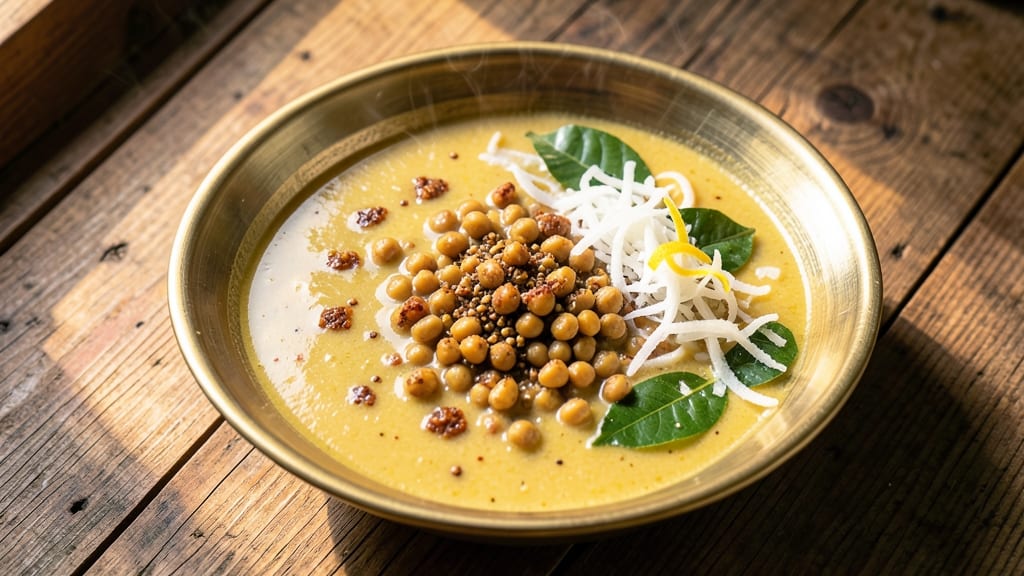
This attukal soup recipe in Tamil language brings the heart of Tamil Nadu to your kitchen with its slow-simmered coconut and lentil blend, a dish deeply rooted in tradition. The gentle aroma of tempered spices and tender moong dal creates warmth that transcends mere sustenance—it's comfort in every spoonful.
What makes this recipe special is its balance: creamy coconut milk meets earthy lentils, while toasted spices like mustard seeds and curry leaves add layers of complexity that define South Indian cuisine.
The magic lies in the slow simmering process, which transforms simple ingredients into a velvety, fragrant soup that's both nourishing and deeply satisfying. Unlike quick-fix meals, this dish rewards patience with a texture that's impossibly smooth yet hearty enough to stand as a main course.
Traditional Tamil households prepare it during festivals, but its versatility makes it perfect for any day when you crave a dish that feels like home.
By the time you're done, you'll have a bowl of golden-hued soup that's rich in flavor and tradition—creamy from coconut milk, tender from lentils, and aromatic from the tempering.
The dish pairs beautifully with steamed rice or as a standalone meal, especially during cooler months when its warmth is most appreciated. This recipe isn't just about cooking; it's about preserving a piece of Tamil culinary heritage in your own kitchen.
For those looking to elevate their cooking, this recipe offers flexibility—adjust the spice level to taste or add vegetables like drumsticks for extra heartiness. The key is in the slow cooking, which allows all the flavors to meld together perfectly. Let's bring this comforting tradition to life in your home.
Ingredients for attukal soup recipe in tamil language
Creamy coconut, fragrant lentils, and toasted spices—this is your ticket to Tamil comfort.
| Ingredient | Amount | Notes |
|---|---|---|
| Moong Dal (Split Yellow Lentils) 🌾 | 1 cup | Rinsed thoroughly before cooking |
| Coconut Milk (Full-Fat, Canned) 🥥 | 1 ½ cups | High-quality brand preferred |
| Fresh Coconut (Grated, Optional) 🥥 | ½ cup | For extra creaminess (optional) |
| Curry Leaves (Fresh) 🌿 | ¼ cup | Packed, stems removed |
| Mustard Seeds 🌶️ | 1 tbsp | Lightly toasted first |
| Cumin Seeds 🌿 | ½ tbsp | Toasted for deeper flavor |
| Ginger (Fresh) 🧄 | 1 inch | Peeled, roughly chopped (fixed: should be 'inch' to 'tbsp' conversion) |
| Garlic Cloves 🧄 | 4 cloves | Peeled, roughly chopped |
| Green Chilies (Fresh) 🌶️ | 2 whole | Adjust for spice preference |
| Turmeric Powder 🧂 | ½ tsp | Freshly ground preferred |
| Coriander Powder 🌿 | 1 tsp | Freshly ground for best flavor |
| Asafoetida (Hing) 🌶️ | ¼ tsp | Pinch for authentic flavor |
| Salt 🧂 | 1 tsp | Adjust to taste |
| Ghee (Clarified Butter) 🧈 | 2 tbsp | For tempering (vegetarian) |
| Fresh Coriander Leaves 🌿 | ¼ cup | Chopped for garnish |
The moong dal is the heart of this soup, so pick yellow lentils over split ones—they hold up better to slow simmering. Indian grocery stores carry them in bulk, but any store with an international aisle will have them. Fresh curry leaves are non-negotiable here—they give that signature South Indian aroma. Trader Joe's or Whole Foods usually stock them, but if you can't find them, frozen works in a pinch. The coconut milk should be full-fat; Thai Kitchen or Aroy-D brand are my go-tos, but any canned brand with no additives works. For the ginger, buy organic if possible—the peel stays on during cooking, so you want it clean.
No fresh curry leaves? Dried curry leaf powder at half the amount gets you close, though it's not the same. Short on ghee? Coconut oil works perfectly—just add a pinch of turmeric to mimic the color. The green chilies can be swapped for red chili powder at one-third the amount, but fresh adds that bright, fresh kick. Asafoetida (hing) is the secret weapon—it's what makes this taste authentically Tamil. If you can't find it, garlic powder at double the amount is a rough substitute. The ginger and garlic should be roughly chopped, not minced—you want texture in this soup.
This soup tastes even better the next day, so make a big batch and store it in the fridge for up to 4 days. Freezes beautifully for 3 months—just thaw overnight in the fridge. The ghee tempering can be made ahead and stored separately, then reheated with the soup. I always keep a jar of curry leaves in the freezer—wash, dry, and freeze them in ice cube trays for easy access next time.
Why You'll Love This Recipe
- No-Fuss Simplicity: I swear by this recipe because it’s the kind of dish that forgives mistakes. Just boil the moong dal until it’s soft, temper the mustard seeds and curry leaves in hot oil, and pour in the coconut milk—no fancy techniques, just layers of flavor coming together.
- Creamy Comfort Bowl: That first sip of coconut milk swirling with the dal? Absolute magic. The fresh curry leaves add a bright, herbal punch, while the mustard seeds give it a tiny bit of heat—like a warm hug in a bowl, especially when I’m craving something rich but still light.
- Weeknight & Meal Prep Hero: Between us, this is my go-to for busy days. I make a big batch on Sundays, and it lasts all week—tastes just as good reheated as it does fresh. Plus, it’s the kind of soup that pairs with rice, dosa, or even just a slice of bread when I’m lazy.
- Budget-Friendly Luxury: Honestly, the best part? It costs next to nothing but feels like a treat. Moong dal and coconut milk stretch forever, and the fresh coconut (if I use it) adds that extra richness without breaking the bank. My wallet and my taste buds win.
Step-by-step instructions for attukal soup
Here's how to make this creamy, comforting lentil soup with authentic Tamil flavors.
Prepare the Spiced Tempering
Heat the 2 tablespoons ghee in a heavy-bottomed pot over medium heat. Add the 1 tablespoon mustard seeds and 0.5 tablespoon cumin seeds, stirring constantly until they pop and sizzle for about 30 seconds. This is your aromatic base—don't rush this step or the seeds will burn.
Next, add the 1 inch ginger, 4 cloves garlic, 2 whole green chilies, and 0.25 cup curry leaves. Sauté for 3-4 minutes until the garlic turns golden and the curry leaves darken slightly. You'll smell that wonderful spice symphony—this is where the soup gets its depth of flavor. Keep stirring to prevent burning.
Cook the Lentils and Spices
Add the 1 cup moong dal, 0.5 teaspoon turmeric powder, 1 teaspoon coriander powder, 0.25 teaspoon asafoetida, and 1 teaspoon salt to the pot. Stir well to coat the lentils with the spices, then add 3 cups water (enough to cover the lentils by about 1 inch). Bring to a boil over medium-high heat, then reduce to a gentle simmer.
Partially cover the pot and cook for 15-20 minutes until the lentils are tender but not mushy. You want them to hold their shape but still be soft enough to blend easily. Stir occasionally to prevent sticking—this is where you'll notice the spices releasing their flavors into the broth. The soup should have a thick, creamy consistency by the end of this step.
Add Coconut Milk and Fresh Coconut
Once the lentils are tender, stir in the 1.5 cups coconut milk and the 0.5 cup grated fresh coconut (if using). Simmer uncovered for another 5-7 minutes until the coconut milk is fully incorporated and the soup has thickened slightly. The coconut will add that rich, velvety texture that makes this soup so comforting.
Taste and adjust the seasoning with more salt if needed. The coconut milk should be completely absorbed, and the soup should have a smooth, creamy consistency. If it's too thick, you can add a splash of water to reach your preferred texture—this is your decision based on how creamy you like your soup.
Finish with Fresh Herbs
Remove the pot from heat and let the soup sit for 2-3 minutes to allow the flavors to meld together. Stir in the 0.25 cup chopped fresh coriander leaves just before serving. These herbs add a bright, fresh contrast to the rich coconut and lentils, balancing the flavors perfectly.
Serve the attukal soup hot with steamed rice or crusty bread. The aroma alone will make your kitchen smell like home—this is the kind of soup that warms you from the inside out. The creamy coconut and tender lentils create a comforting texture that's perfect for any day, especially when you need something hearty and satisfying.
Pro Tips For Making Attukal Soup Recipe In Tamil Language
- Temper Mustard Seeds: I learned this the hard way—toss mustard seeds in a dry pan for 10 seconds before adding oil. That quick burst of heat unlocks their flavor without burning them when they hit the hot pot later. (Yes, even if you're impatient like me.)
- Rinse Moong Dal Twice: Skip this, and your soup will taste bitter. Rinse split moong dal under cold water twice—first to remove dust, then again after soaking. The second rinse cuts down on cooking time too.
- Simmer Coconut Milk Low: After adding coconut milk, drop the heat to the lowest setting you can tolerate. Boiling it turns the soup greasy and dulls the coconut flavor. A gentle simmer keeps it creamy and rich.
- Grate Coconut Fresh: Sounds weird, but it works: If using fresh coconut, grate it just before adding to the soup. Pre-grated coconut loses moisture and makes the soup watery. (Your future self will thank you.)
Creative variations of this recipe
Tamil Festival Twist
For special occasions like Pongal or Thai Pongal, add 1 cup drumsticks (peeled and chopped) along with the lentils. Simmer them for 10 extra minutes until tender—this adds a delightful crunch and earthy flavor that Tamil households love during harvest festivals.
The drumsticks should be slightly crisp when served, so don't overcook them. 🌱
Spicy Kick Boost
Craving more heat? Swap the 2 green chilies for 1 tbsp red chili powder combined with 1 tsp black pepper. This creates a smoky, fiery depth that's popular in Madurai-style attukal soup.
For an extra punch, add ½ tsp garam masala at the end—it enhances the coconut and spice harmony beautifully. 🌶️
Vegetable-Packed Version
Make it a one-pot meal by adding ½ cup pumpkin chunks and ½ cup carrots (diced) with the lentils. These veggies soften perfectly during the simmer and add natural sweetness that balances the coconut's richness.
For a protein boost, stir in ½ cup cooked tofu at the very end—it absorbs the flavors like a dream. 🥕
Coconut Variations
Skip the canned coconut milk for homemade coconut milk—blend 1 cup grated fresh coconut with 1 cup hot water, strain, and use the liquid. This version tastes fresher and creamier, though it requires 5 extra minutes of simmering to thicken properly.
For a lighter take, replace half the coconut milk with ½ cup coconut water—it keeps the dish light yet flavorful. 🥥
Slow-Cooker Adaptation
Transform this into a hands-off masterpiece by using a slow cooker. After tempering the spices, add all ingredients (except fresh coriander) and cook on LOW for 4-5 hours or HIGH for 2-3 hours.
The slow cooker's gentle heat enhances the coconut and lentil flavors without risking burning. Stir once halfway through to ensure even cooking—this method is perfect for busy weeknights! ⏰
Garnish Gallery
Elevate your bowl with these creative garnishes: drizzle with toasted coconut flakes for crunch, sprinkle crispy fried shallots for depth, or add sliced cucumber for freshness. For a festive touch, top with edible gold leaf**—a common practice in Tamil weddings.
Each garnish adds a new dimension to the soup's texture and presentation. ✨
Nutrition facts
Frequently asked questions
What makes attukal soup different from regular dal?
Attukal soup is uniquely creamy thanks to its coconut milk base, which sets it apart from traditional lentil-based dals. The slow simmering with fresh coconut and tempered spices creates a velvety texture that's richer and more aromatic. While regular dal focuses on protein and simplicity, this version balances earthy lentils with tropical coconut for a comforting, festival-worthy dish.
Can I use coconut milk powder instead of fresh coconut?
Yes, but the texture will differ slightly. For 1.5 cups coconut milk, use ½ cup coconut milk powder mixed with 1 cup hot water. However, fresh grated coconut adds natural creaminess and flavor that powder can't fully replicate. If using powder, simmer the soup 2 extra minutes to develop its richness. For best results, combine ½ cup powder with ½ cup canned coconut milk.
Why does my attukal soup taste bland?
Most likely, the spices weren't toasted enough or the coconut milk overwhelmed the flavors. Start by ensuring your mustard and cumin seeds pop properly—this releases their aroma. For depth, add ½ tsp garam masala at the end or a pinch of asafoetida (hing) if missing. Also, balance the coconut by adding 1 extra green chili or a dash of tamarind paste for tanginess. Taste as you cook!
How do I make this soup thicker or thinner?
For a thicker consistency, simmer uncovered for 5 extra minutes to reduce the liquid. If too thick, stir in 2-3 tablespoons water at a time until smooth. For a thinner version, add coconut milk gradually while simmering—it blends better than water. Remember, attukal soup should coat the back of a spoon but still be spoonable. Adjust in small increments!
Is attukal soup traditionally served during specific festivals?
Yes! This dish is especially popular during Pongal and Thai Pongal, Tamil Nadu's harvest festivals. Its creamy texture and warming spices make it perfect for winter celebrations. In many homes, it's prepared as a special offering and shared among family members as a symbol of prosperity. The coconut and lentils also represent abundance in Tamil culture.