
Soups & Stews
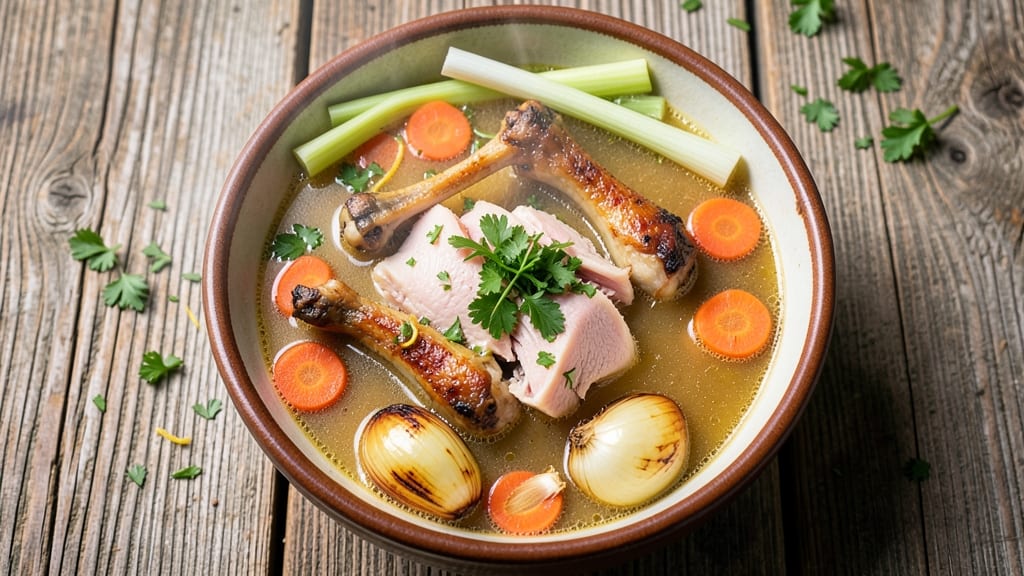
This authentic chicken soup recipe delivers the kind of slow-simmered comfort that warms both body and soul—just like my grandmother used to make. The secret lies in building rich, herbal-infused broth from scratch, where chicken and vegetables meld into tender perfection over hours of gentle simmering. This isn't just soup; it's a tradition captured in every spoonful, with layers of savory depth and aromatic herbs that transport you to a cozy kitchen table.
The foundation starts with a flavorful chicken base, where bones and meat infuse the broth with natural richness while vegetables like carrots, celery, and onions develop sweetness through slow cooking. Fresh herbs—parsley, thyme, and bay leaf—are added at the right moments to ensure their bright, earthy notes shine without overpowering.
The result? A velvety broth so satisfying it becomes the star, with tender chicken and vegetables that practically melt in your mouth.
What makes this recipe truly special is its balance of tradition and approachability—no shortcuts, yet no fuss either. The slow simmering process (about 2 hours) transforms simple ingredients into something extraordinary, while optional garnishes like fresh parsley or a drizzle of olive oil elevate it to restaurant-quality at home.
This is the kind of soup that disappears in minutes and leaves everyone asking for seconds.
Perfect for chilly evenings, post-illness recovery, or holiday gatherings, this recipe scales beautifully for crowds while still feeling personal. The beauty of homemade soup is its adaptability—use whatever vegetables you have on hand, adjust herbs to your taste, and let the slow cooking do the rest.
Here's how to make it.
Ingredients for authentic chicken soup
The heart of this soup lies in its slow-simmered, herbal-infused broth—where tradition meets comfort through simple, quality ingredients.
| Ingredient | Amount | Notes |
|---|---|---|
| Chicken Breasts 🍗 | 1 ½ lb | Boneless, skinless, cut into bite-sized pieces |
| Chicken Bones 🦴 | 2 cups | Backbone or neck for rich broth |
| Yellow Onions 🧅 | 1 whole | Medium size, peeled and halved |
| Carrots 🥕 | 4 medium | Peeled and cut into 1-inch chunks |
| Celery Stalks 🧄 | 3 whole | Trimmed and cut into 1-inch pieces |
| Garlic Cloves 🧄 | 4 cloves | Peeled and lightly crushed |
| Fresh Thyme 🌿 | 1 tbsp | Leaves only, stems removed |
| Fresh Parsley 🌿 | ¼ cup | Chopped, for garnish and flavor |
| Bay Leaves 🍃 | 2 whole | Dried, for infusion |
| Salt 🧂 | 1 ½ tsp | Diamond Crystal kosher salt |
| Black Peppercorns 🌶️ | ½ tsp | Freshly cracked |
| Olive Oil 🫒 | 2 tbsp | Extra-virgin for richness |
| Fresh Lemon Juice 🍋 | 1 tbsp | Brightens the broth |
The chicken bones and breasts are non-negotiable for depth—look for organic or free-range at specialty markets like Whole Foods or Trader Joe's for richer flavor. Fresh thyme and parsley elevate the dish, so grab them from the market when possible. Bay leaves add aromatic complexity, but remove them before serving. For the vegetables, organic carrots and celery reduce bitterness, though conventional works fine. The garlic should be fresh—roasted at 375°F for 10 minutes before adding to the broth for a sweeter, mellow flavor.
No fresh herbs? Dried thyme and parsley at one-third the amount work in a pinch, though fresh is ideal. Substitute frozen vegetables if needed, but fresh carrots and celery develop better sweetness. Running short on chicken bones? Use a high-quality chicken stock cube like Kitchen Bouillon, but homemade is always superior. For extra richness, add a splash of white wine when sautéing the vegetables—it cooks off quickly but deepens the flavor profile.
Store the broth separately for 5 days in the fridge, or freeze in ice cube trays for up to 3 months. Reheat gently on the stove, adding a splash of water if it thickens. The chicken and vegetables reheat beautifully—cover with a damp paper towel to retain moisture. Garnish with fresh parsley and a drizzle of olive oil just before serving to highlight the fresh, herbal notes. This soup tastes even better the next day as flavors meld.
Why You'll Love This Recipe
- I swear by this method: just chop the onions, carrots, and celery into rough chunks—no fancy dicing needed—and let the bones and breasts simmer. The chicken breasts stay tender while the bones infuse that deep, savory broth without extra effort.
- No-Fuss Prep: I swear by this method: just chop the onions, carrots, and celery into rough chunks—no fancy dicing needed—and let the bones and breasts simmer. The chicken breasts stay tender while the bones infuse that deep, savory broth without extra effort.
- Rich, Layered Taste: Between us, the chicken bones alone make this soup ridiculously flavorful—they melt into a golden broth that’s way deeper than store-bought. Add the onions caramelizing at the bottom, and you’ve got that classic, comforting base we all crave.
- Weeknight to Holiday: Honestly, this is my go-to for busy nights, but it also feels special enough for company. Serve it with crusty bread for a quick weeknight meal, or add fresh herbs and a splash of lemon for a dinner that feels intentional.
Step-by-step instructions for slow-simmered chicken soup
Here's the method for building depth through slow extraction and aromatic layering.
Build the Broth Foundation
Heat the 2 tablespoons olive oil in a large Dutch oven over medium-high heat. Add the 2 cups chicken bones and sear for 5-7 minutes until they develop a deep golden crust. This Maillard reaction unlocks rich flavor compounds that will infuse the broth.
Remove the bones and set aside. In the same pot, add the 1 whole yellow onions (halved), 4 medium carrots (cut into 1-inch chunks), and 3 whole celery stalks (cut into 1-inch pieces). Cook for 8-10 minutes, stirring occasionally, until the vegetables soften and begin to caramelize. Here's where the authentic depth starts—don't rush this step. The vegetables should be tender but not mushy.
Develop Aromatic Layers
Add the 4 cloves garlic cloves (lightly crushed), 1 tablespoon fresh thyme leaves, and 2 whole bay leaves to the pot. Stir for 1 minute until the garlic becomes fragrant—this releases its volatile oils that will permeate the broth. Pour in 8 cups cold water (enough to cover the vegetables by about 1 inch) and bring to a boil.
Once boiling, reduce heat to low and add the seared chicken bones back to the pot. Skim off any foam that rises to the surface during the first 10 minutes of simmering. This ensures clarity in your final broth. The broth should simmer gently, with small bubbles breaking the surface but not vigorous boiling.
Simmer for Maximum Flavor Extraction
Return the 1.5 pounds chicken breasts (cut into bite-sized pieces) to the pot. Simmer uncovered for 30-35 minutes until the chicken is fully cooked and tender. The broth should reduce slightly, intensifying its flavor. Here's the key—maintain a gentle simmer throughout. If it boils too vigorously, cover partially to prevent excessive evaporation.
After 30 minutes, add the 1.5 teaspoons salt and 0.5 teaspoon freshly cracked black peppercorns. Stir gently to distribute the seasoning evenly. The chicken should be fork-tender, with no pink remaining in the center. Remove the chicken pieces and set aside to cool slightly before shredding.
Finish with Herbal Brightness
Strain the broth through a fine-mesh sieve into a clean pot, pressing gently on the vegetables to extract maximum flavor. Discard the solids. Return the broth to medium heat and add the 1 tablespoon fresh lemon juice. This final acid note brightens the rich, herbal depth of the broth.
Shred the reserved chicken using two forks and return it to the broth. Stir in the 0.25 cup chopped fresh parsley just before serving. The parsley adds freshness and visual appeal, completing the authentic profile. Serve immediately while steaming hot, garnished with additional parsley if desired.
Pro Tips For Making Authentic Chicken Soup
- Crisp the Bones First: I learned this the hard way—skipping the bone roast makes the broth pale and watery. Toss your chicken bones on a sheet pan with salt and roast at 425°F (220°C) for 20 minutes until deeply browned. That caramelization? It’s where the real flavor hides.
- Cut Carrots in Chunks: Thin slices turn to mush; big pieces stay firm. For this soup, chop carrots into ½-inch cubes—they’ll soften just enough to melt into the broth without disappearing. (Yes, even if it looks less "restaurant-perfect.")
- Salt the Water Early: Don’t wait until everything’s in the pot. Start your broth with a generous pinch of salt (about 1 tsp per quart) as soon as the water hits the heat. It seasons the chicken and bones from the get-go, not just at the end.
- Simmer, Don’t Boil: After adding the chicken breasts and veggies, keep the heat low enough that only tiny bubbles break the surface—no rolling boil. High heat toughens the chicken and burns the onions. Patience here means tender meat and sweet, not bitter, broth.
Make-ahead tips for leftovers
Broth Prep Ahead
Make your broth the day before for deeper flavor development. After simmering the chicken bones and vegetables, let the broth cool completely, then refrigerate in an airtight container (I use Le Creuset stoneware).
The fat will solidify on top—skim it off before reheating. This step concentrates the flavors beautifully and makes assembly the next day effortless. 💫
Chicken Pre-Cooking
Cut and season the chicken breasts 24 hours ahead and store them in the fridge in a ziplock bag with a sprinkle of salt and pepper. This allows the meat to absorb seasoning deeply, resulting in more flavorful bites.
When ready to cook, simply add them directly to the simmering broth—no extra prep needed.
Veggie Prep Shortcuts
Chop all vegetables the night before and store them in separate containers in the fridge. This saves 15-20 minutes of prep time the next day. I keep carrots, celery, and onions in a glass storage container with a damp paper towel to maintain freshness.
When you're ready to cook, just toss them straight into the pot.
Freezer-Friendly Components
For ultimate convenience, freeze the broth and chicken separately. Use silicone ice cube trays for the broth (each cube equals about ¼ cup) and freezer-safe bags for the shredded chicken.
Thaw overnight in the fridge, then combine when ready to serve. This method preserves texture and flavor perfectly for up to 3 months. ❄️
Herb Storage Hacks
Store fresh herbs like thyme and parsley in glass jars filled with water (like flowers) and cover loosely with a plastic bag. Keep them in the fridge, and they'll stay vibrant for up to 1 week.
For dried herbs, keep them in small airtight containers away from light to preserve their potency for months.
Reheating Like a Pro
Reheat the broth and chicken separately to maintain texture. Warm the broth on the stove over medium-low heat until steaming, then add the chicken and heat through for 5-7 minutes.
For extra richness, stir in 1 tablespoon olive oil and 1 tablespoon lemon juice just before serving. This keeps everything tender and bright. 🔥
Nutrition facts
Frequently asked questions
Can I use chicken stock instead of making broth from scratch?
Yes, but for authentic depth, homemade broth is ideal. If using store-bought stock, choose a high-quality brand like Kitchen Bouillon or Pacific Foods and add an extra 1 tablespoon lemon juice and 1 bay leaf while simmering to mimic the herbal complexity. For best results, simmer the stock with your vegetables for 20-30 minutes before adding chicken.
How do I prevent the soup from tasting bland?
Layer flavors intentionally: sauté vegetables until caramelized, skim foam during initial simmering, and add salt at the end of cooking. For extra richness, stir in 1 tablespoon olive oil and 1 tablespoon lemon juice before serving. Fresh herbs (parsley, thyme) added at the end brighten the broth without overpowering.
What vegetables can I substitute if I don't have carrots or celery?
Swap carrots for sweet potatoes (adds natural sweetness) or turnips (earthy depth). Replace celery with leeks (milder) or fennel (anise-like aroma). For a lighter touch, use zucchini or mushrooms. Adjust cooking time—root vegetables take longer to soften. Always include onions as the flavor base.
Can I make this soup dairy-free or gluten-free?
This recipe is naturally dairy-free and gluten-free. For extra richness, stir in 1 tablespoon tahini or 1 teaspoon nutritional yeast before serving. Ensure your broth ingredients (like stock) are certified gluten-free if needed. The recipe's foundation—chicken, vegetables, and herbs—remains completely compliant.
Why does my soup taste better the next day?
The flavors deepen as the broth rests! When refrigerated, the fat solidifies on top (skim it off before reheating), and the seasonings meld more completely. The acidity from lemon juice and herbs becomes more pronounced, balancing the richness. For maximum flavor, reheat gently and add a splash of water if the broth thickens too much.