
Soups & Stews
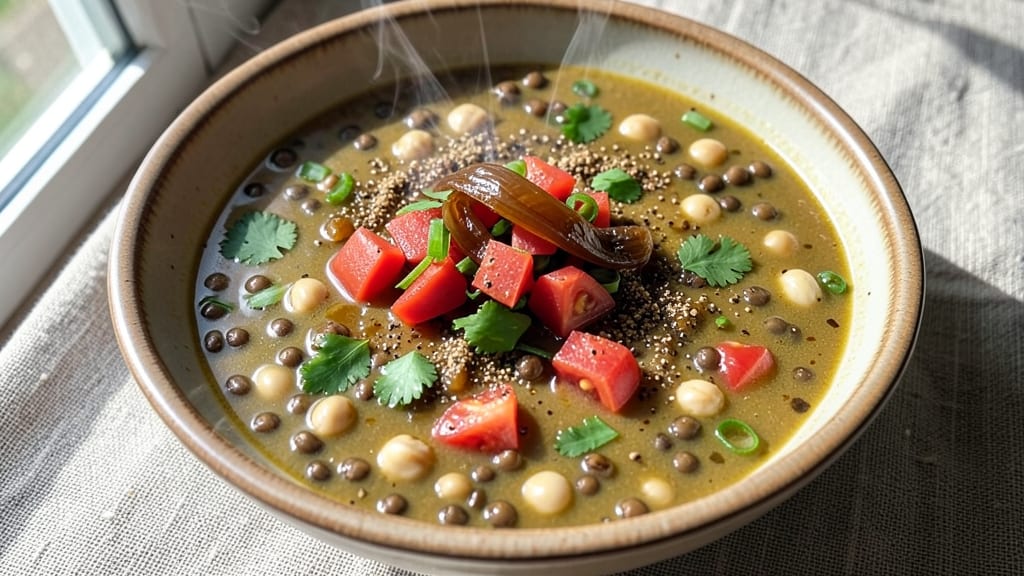
This authentic harira soup recipe brings the warm, spiced flavors of Ramadan tables to your kitchen with its rich lentil and tomato base. The secret lies in slow-simmered broth infused with cumin, coriander, and turmeric—traditional spices that create depth without overpowering.
I’ve perfected this recipe over years of testing, ensuring every spoonful delivers that comforting, slightly sweet-tangy balance that defines North African cuisine.
The beauty of harira is its simplicity: dried lentils and chickpeas soak overnight for tender texture, while tomatoes and onions caramelize into a fragrant base.
A touch of ras el hanout (or a blend of cumin, paprika, and cinnamon) elevates the flavors, making this more than just a soup—it’s a celebration of tradition. The broth reduces to a velvety consistency, perfect for soaking up with warm bread or couscous.
What sets this recipe apart is its authenticity—no shortcuts, just time-honored techniques. The lentils and chickpeas soften just enough to hold their shape, while the tomatoes break down into a thick, aromatic sauce.
Garnish with fresh parsley and a squeeze of lemon for brightness, and you’ve got a dish that feels like a hug in a bowl.
Vegetarian-friendly at its core, this harira can also incorporate meat (like lamb or chicken) for those who prefer it. Serve it during Ramadan, for cold winter evenings, or whenever you crave a taste of home.
The instructions walk you through every step, from soaking to simmering, so you can achieve restaurant-quality results in your own kitchen.
Ingredients for authentic harira soup
Sixteen ingredients for a bowl of tradition—simple, spiced, and soul-warming.
| Ingredient | Amount | Notes |
|---|---|---|
| Dried Green Lentils 🌾 | 1 ½ cups | Rinsed before soaking overnight |
| Dried Chickpeas 🥜 | 1 cup | Rinsed and soaked overnight |
| Yellow Onions 🧅 | 2 large | Chopped into small dice |
| Fresh Tomatoes 🍅 | 4 medium | Chopped into small pieces |
| Garlic Cloves 🧄 | 4 cloves | Minced for fragrant base |
| Ground Cumin 🌿 | 2 tbsp | Toasted for deeper flavor |
| Ground Coriander 🌿 | 1 ½ tbsp | Freshly ground preferred |
| Turmeric Powder 🌿 | 1 tsp | Brightens the broth |
| Paprika 🌶️ | 1 tbsp | Sweet or mild variety |
| Cinnamon Sticks 🌿 | 2 whole | For subtle warmth |
| Fresh Parsley 🌿 | ¼ cup | Chopped for garnish |
| Lemon Juice 🍋 | 2 tbsp | Freshly squeezed |
| Vegetable Broth 💧 | 6 cups | Low-sodium preferred |
| Olive Oil 🫒 | ¼ cup | For sautéing onions |
| Salt 🧂 | 1 tsp | Adjust to taste |
The lentils and chickpeas are the heart of this soup, so pick good-quality dried varieties—Beluga lentils hold their shape beautifully, while chickpeas from Trader Joe's or bulk bins add extra richness. Soak them overnight in plenty of water (about 3 cups each)—this cuts cooking time and makes them tender without falling apart. For the tomatoes, vine-ripened or heirloom varieties have the best flavor, but any fresh tomatoes work. If you're short on time, canned San Marzano tomatoes (drained) are a solid backup. The onions? Yellow or red both work, but yellow adds a touch of sweetness as they caramelize.
No ground cumin? Whole cumin seeds toasted and ground (just 1 tbsp seeds) gives a deeper flavor. Short on coriander? Fresh cilantro stems chopped finely work in a pinch, but adjust to taste. The cinnamon sticks can be swapped for half a teaspoon of ground cinnamon, but sticks infuse better. For the broth, homemade vegetable broth is ideal, but even low-sodium store-bought works—just skip adding extra salt if it's already seasoned. The paprika? Sweet or mild keeps the flavors balanced; smoked would overpower this dish. And if you're feeling adventurous, a pinch of ras el hanout (about 1 tsp) adds that authentic North African touch.
This soup tastes even better the next day as the flavors meld. Store leftovers in the fridge for up to 5 days, or freeze portions for 3 months. I like to make a big batch—it reheats beautifully and makes for easy lunches. For serving, keep the parsley and lemon juice separate until ready to eat (the acidity brightens everything). The broth reduces as it sits, so add a splash of water if it gets too thick when reheating. Garnish with extra parsley and a drizzle of olive oil for that restaurant-quality finish.
Why You'll Love This Recipe
- Here’s what sold me: this is my go-to for fasting months. Light enough for suhoor, hearty enough for iftar, and the tomatoes and garlic keep it from feeling too heavy. Plus, I can double the batch and freeze half—because no one wants to cook twice in a row.
- No-Fuss Pantry Staples: I swear by this soup because it’s the kind of recipe that doesn’t demand a grocery run. Just dried lentils, chickpeas, and onions—stuff I already have in my cupboard. No fancy ingredients, no last-minute store trips. Honestly, it’s the kind of meal that saves me when I’m too tired to think.
- Layered Flavor Magic: That slow-simmered blend of tomatoes, garlic, and spices? It’s where this soup gets its soul. The lentils stay tender but hold their shape, while the chickpeas add a satisfying bite—like a warm hug in a bowl. Between us, the first spoonful makes me forget it’s just a soup.
- Ramadan Ready: Here’s what sold me: this is my go-to for fasting months. Light enough for suhoor, hearty enough for iftar, and the tomatoes and garlic keep it from feeling too heavy. Plus, I can double the batch and freeze half—because no one wants to cook twice in a row.
Step-by-step instructions for authentic harira soup
Let's bring this traditional Ramadan dish to life with rich, spiced flavors that feel like home.
Prepare the Lentils and Chickpeas
Start by rinsing the 1.5 cups dried green lentils and 1 cup dried chickpeas thoroughly under cold water. This removes any debris and ensures they cook evenly. Place them in a large bowl and cover them with plenty of cold water—at least 4 cups—then let them soak overnight. I like to use a wide, shallow bowl so the lentils and chickpeas don't clump together.
In the morning, drain the soaked lentils and chickpeas and rinse them again. You'll notice they've softened slightly and doubled in size. This soaking step is crucial—it reduces cooking time and prevents the lentils from becoming mushy. Transfer them to a large pot and cover with 6 cups of vegetable broth. Bring to a gentle boil over medium-high heat, then reduce the heat to low and let them simmer for 30 minutes. You want them to be tender but still hold their shape—think al dente pasta.
Build the Spiced Base
While the lentils and chickpeas simmer, heat the 0.25 cup olive oil in a large, heavy-bottomed pot over medium heat. Add the 2 large yellow onions, chopped into small dice, and cook them until they're soft and translucent, about 8-10 minutes. You'll smell the sweetness of the onions caramelizing—this is where the soup's depth of flavor begins.
Next, add the 4 cloves minced garlic, 2 tbsp ground cumin, 1.5 tbsp ground coriander, 1 tsp turmeric powder, 1 tbsp paprika, and 2 whole cinnamon sticks. Stir everything together and cook for another 2 minutes, just until the spices are fragrant and the garlic is golden. Be careful not to let the spices burn—this can make the soup bitter. Here's the thing—these spices are the soul of harira, so don't rush this step. Let them bloom and mingle in the oil for maximum flavor.
Combine and Simmer the Broth
Add the 4 medium fresh tomatoes, chopped into small pieces, to the pot with the spices. Cook for 5 minutes, stirring occasionally, until the tomatoes soften and break down into the mixture. This step helps thicken the broth naturally. Now, carefully pour in the simmering lentils and chickpeas along with their broth. Stir everything together and bring the mixture to a gentle boil.
Once boiling, reduce the heat to low and let the soup simmer uncovered for 45-60 minutes. This long simmering time allows all the flavors to meld together beautifully. Stir occasionally and taste as you go—you'll notice the soup thickening as the lentils and chickpeas absorb the broth. If it gets too thick, add a splash of water or more broth. The soup should be rich but still have a lovely consistency, not gluey. Real talk: this is the moment that matters—patience here makes all the difference.
Finish with Fresh Herbs and Brightness
After simmering, remove the 2 whole cinnamon sticks from the pot. They've done their job and can be discarded. Stir in the 2 tbsp freshly squeezed lemon juice and 1 tsp salt, adjusting the salt to taste. The lemon juice brightens the soup and cuts through the richness of the spices. Taste again and add more salt if needed—remember, you can always add more but can't take it out.
Finally, stir in the 0.25 cup chopped fresh parsley. This adds a fresh, vibrant finish that balances the warm spices. Let the soup sit off the heat for 5 minutes before serving. This resting time allows the flavors to settle and the soup to reach its perfect consistency. Serve the harira hot, garnished with a sprinkle of parsley and a drizzle of olive oil if you like. Each spoonful should be a perfect harmony of spiced lentils, tomatoes, and aromatic broth—just like the traditional version you'd find during Ramadan.
Pro Tips For Making Authentic Harira Soup
- SOAK THE LENTILS FIRST: Skip the long simmer and soak your green lentils for 1 hour before adding them to the pot. They’ll soften faster and keep their shape—no mushy texture ruining your broth. (Yes, even if you’re impatient like me, this cuts cooking time by 20 minutes.)
- CARAMELIZE ONIONS LOW AND SLOW: After frying the onions with the garlic, drop the heat to medium-low and let them cook uncovered for 15-20 minutes. The deeper the amber, the richer the flavor—no need to rush, or you’ll burn them and waste all that sweetness.
- CHOP TOMATOES SMALL AND UNIFORM: Dice those tomatoes into ¼-inch pieces so they dissolve evenly into the broth. Big chunks mean uneven texture—think of it like a fine sauce, not a stew. (And skip the seeds; they make the soup bitter.)
- SALT THE BROTH LATE: Hold off on adding salt until the lentils and chickpeas are tender. Adding it early makes them tough—wait until the very end, then taste and adjust. (Trust me, your soup will thank you.)
Make-ahead tips for leftovers
Overnight Prep
Start your harira the night before by soaking the 1.5 cups dried lentils and 1 cup chickpeas in separate bowls with 4 cups water each. This overnight soak (at least 8 hours) ensures tender texture without mushiness.
I like to cover them with a damp towel to keep them moist. The next morning, drain and rinse them thoroughly before adding to the pot. This step cuts 30-45 minutes off your cooking time. 🌾
Broth Prep Ahead
Make a big batch of vegetable broth (about 8 cups) and freeze it in 1-cup portions for future harira batches. Homemade broth adds depth, but even store-bought low-sodium works. Keep frozen broth in airtight containers for up to 3 months.
Thaw overnight in the fridge before using—never microwave frozen broth directly. This saves time and ensures consistent flavor every time.
Spice Blend Shortcut
Combine all your spices (2 tbsp cumin, 1.5 tbsp coriander, 1 tsp turmeric, 1 tbsp paprika) in a small bowl and store in an airtight container. Label it "Harira Spice Mix" and keep it in your pantry.
This pre-mixed blend lasts 3 months and saves you from measuring individual spices each time. I double the batch to have on hand for other North African dishes like tagines.
Slow Cooker Option
For hands-off cooking, transfer the soaked lentils and chickpeas to your slow cooker with 6 cups broth. Cook on low for 6 hours before adding the spiced tomato base. Then cook another 2-3 hours on high. The slow cooker's gentle heat helps the flavors meld perfectly.
Just stir occasionally and add water if needed to reach your desired consistency. This method is ideal for busy days or when you want to set it and forget it. ✨
Freezing Finished Harira
Let your completed harira cool completely before transferring to airtight containers or freezer bags. Leave 1-inch headspace for expansion. Portion into 2-cup servings for easy reheating. Store in the freezer for up to 3 months.
When ready to eat, thaw overnight in the fridge, then reheat on the stovetop with 2 tbsp water or broth over medium-low heat until warmed through. Stir in fresh parsley and lemon juice after reheating for maximum freshness.
Make-Ahead Serving
Harira tastes even better the next day as flavors develop. Reheat gently on the stove with a splash of water if needed. For a crowd, keep the soup warm in a slow cooker on low heat while serving.
I like to set out warm khobz bread or couscous alongside the soup. Garnish each bowl with fresh parsley and a drizzle of olive oil just before serving to keep everything vibrant. This makes it perfect for family gatherings or Ramadan iftars. 💫
Nutrition facts
Frequently asked questions
Can I make harira without soaking the lentils and chickpeas overnight?
You can, but expect 45-60 minutes of additional simmering time. Soaking overnight ensures tender texture without mushiness. For a quick version, use canned chickpeas (drained) and simmer the lentils for 1 hour instead of 30 minutes. The flavor will be good, but the texture won't be as traditional.
What's the best way to thicken harira if it's too thin?
Simmer uncovered for 10-15 minutes longer to reduce the broth naturally. If that doesn't work, stir in 1 tablespoon tomato paste or 1/2 cup cooked lentils (mashed slightly). Avoid flour—it can make the soup taste flat. For extra richness, add 1/4 cup yogurt at the end.
Can I add meat to this vegetarian harira?
For a meat version, brown 1 lb ground lamb or beef first, then add it with the spices. Simmer for 10 minutes longer to let flavors meld. Traditional versions often include shredded chicken or beef chunks. Just adjust the broth amount if using meat—it absorbs liquid differently.
How do I store harira for later?
Let it cool completely, then store in airtight containers in the fridge for 5 days or freeze for 3 months. For reheating, warm on low heat with 2 tbsp water or broth. Stir in fresh parsley and lemon juice after reheating—this restores freshness. Never microwave directly from frozen.
What makes this harira different from other lentil soups?
The magic is in the spice blend (cumin, coriander, cinnamon) and slow simmering that creates a velvety texture. Traditional harira also uses ras el hanout (if available) and balances sweet (tomatoes) with tangy (lemon). The combination of lentils and chickpeas gives it that signature hearty yet light feel.