
Soups & Stews
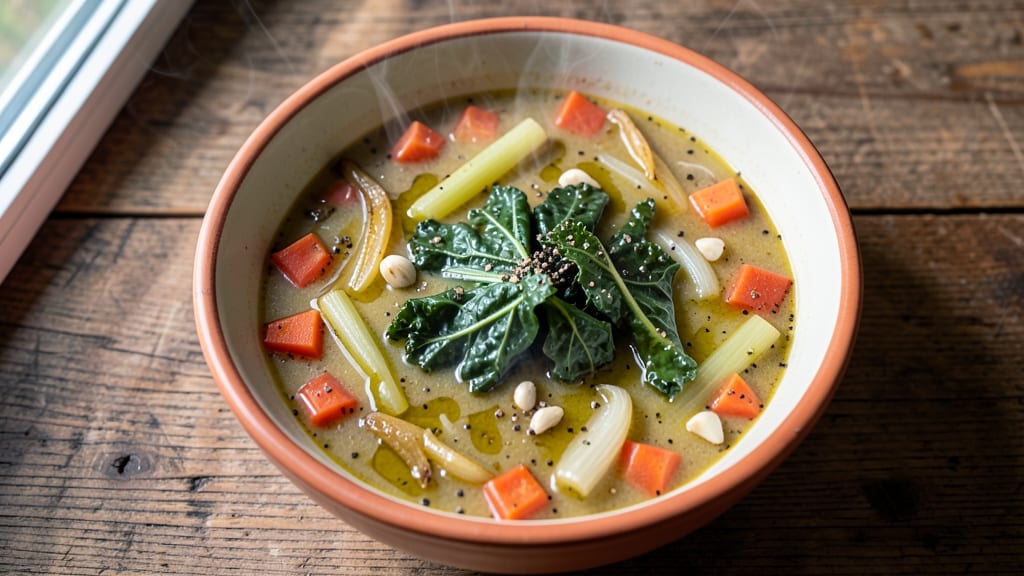
This authentic Tuscan soup recipe brings the hearty flavors of Italy straight to your kitchen, where rustic bread crumbs meet herb-infused broth. 🌿 The secret lies in slow-simmered vegetables, cannellini beans, and Tuscan kale—traditional ingredients that transform a simple pot into a soul-warming meal.
What sets this apart is the crispy bread topping, a nod to Italy’s peasant roots where nothing went to waste.
The magic happens in the simmering—45 minutes of gentle cooking lets flavors meld into a rich, aromatic broth. I’ve perfected this version to balance earthy kale, creamy beans, and tender vegetables, all while keeping the method simple enough for weeknight dinners.
The bread crumbs add a satisfying crunch that contrasts beautifully with the velvety soup below.
What you’ll end up with is a restaurant-quality Tuscan soup that’s rustic yet refined—perfect for chilly evenings or family gatherings. The broth is deeply flavorful, the beans tender, and the bread topping crispy enough to stand up to the hearty filling.
Serve it with a drizzle of olive oil and a sprinkle of fresh parsley for that final touch.
This recipe is foolproof and adaptable—vegetarian-friendly, freezer-ready, and packed with the kind of comfort that makes you feel like you’re dining in a Tuscan trattoria. Let’s get cooking!
Ingredients for authentic tuscan soup
Rustic ingredients that bring Tuscan trattoria flavors to your pot—simple but soulful.
| Ingredient | Amount | Notes |
|---|---|---|
| Extra-Virgin Olive Oil 🫒 | ½ cup | High-quality, fruity variety |
| Yellow Onion 🧅 | 1 whole | Diced, medium size |
| Carrots 🥕 | 2 medium | Peeled, sliced into rounds |
| Celery Stalk 🧅 | 2 whole | Diced, fresh and crisp |
| Garlic Cloves 🧄 | 4 cloves | Minced, fresh preferred |
| Tuscan Kale 🌿 | 4 cups | Chopped, stems removed |
| Cannellini Beans 🌱 | 1 ½ cups | Cooked, drained, or canned |
| Vegetable Broth 💧 | 4 cups | Low-sodium preferred |
| Dried Thyme 🌿 | 1 tsp | Or 1 tbsp fresh |
| Dried Rosemary 🌿 | ½ tsp | Crushed between fingers |
| Salt 🧂 | 1 ½ tsp | Kosher or sea salt |
| Black Pepper 🌶️ | ½ tsp | Freshly ground preferred |
| Stale Bread 🍞 | 1 cup | Crusts removed, cubed |
| Parmesan Cheese 🧀 | ¼ cup | Freshly grated, optional |
| Fresh Parsley 🌿 | ¼ cup | Chopped, for garnish |
The Tuscan kale is non-negotiable for that earthy, slightly bitter depth—look for dark green, crisp leaves at the grocery store's produce section. Whole Foods or local farmers markets usually have the best quality, but any well-stocked supermarket works. Cannellini beans should be tender but hold their shape—canned is fine, just rinse them well. The vegetable broth matters too; Pacific Foods or Imagine brands are my go-to for rich flavor. For the bread crumbs, grab whatever's stale—ciabatta or sourdough works best, but day-old baguette is perfect too.
No Tuscan kale? Lacinato or regular kale works in a pinch, but it won't be quite the same. Short on cannellini? Great Northern beans or chickpeas stretch it out. The dried herbs can be swapped for fresh—use three times the amount—but toasting them first in the olive oil brings out their flavor. For the bread crumbs, if you don't have stale bread, toast regular bread until crispy and pulse in a food processor. The Parmesan is optional but adds that authentic trattoria touch—grate it fresh if you can.
This soup tastes even better the next day—4-5 days in the fridge, 3 months frozen. For the bread topping, make it fresh or store it separately in an airtight container for 2 days. I always double the batch and freeze half—perfect for quick lunches. The parsley keeps best wrapped in damp paper towels in the fridge for up to 5 days, but add it fresh when serving for that bright finish.
Why You'll Love This Recipe
- I’ll be real: I keep cans of tomatoes and beans on hand just for this. The base ingredients cost pennies, and the olive oil makes even the simplest version feel luxurious. Not the prettiest, but the taste makes up for it.
- One-Pot Magic: I swear by this recipe—just chop, sauté, and simmer. The onions and celery soften into the broth while you stir, and by the time the garlic hits that olive oil, the kitchen smells like a Tuscan market.
- Savory Depth: That slow simmer lets the carrots caramelize just enough to balance the garlic’s punch. Honestly, the first time I tasted it, I grabbed a spoon and forgot I was supposed to be plating it.
- Weeknight & Potluck: Between us, this is my go-to for both lazy nights and holiday gatherings. It reheats beautifully, so I make a big batch—leftovers taste just as rich, and it’s the kind of dish that disappears fast at parties.
Step-by-step instructions for authentic Tuscan soup
This is how Tuscans make their rustic soup—simple ingredients, bold flavors, and that perfect bread crumb topping.
🍳 Step 1: Sauté the Vegetable Base
Heat the 0.5 cup extra-virgin olive oil in a large pot over medium heat. Add the 1 whole diced yellow onion, 2 medium sliced carrots, and 2 whole diced celery stalks. Cook for 8-10 minutes until the vegetables soften and begin to caramelize slightly—that golden color means they're releasing their sweetness.
Here's the thing—don't rush this step. You want those vegetables to break down and develop flavor before adding the rest. If they stick, just stir them gently with a wooden spoon. Add the 4 cloves minced garlic and cook for another 30 seconds until fragrant. That garlic should smell amazing, not burnt.
🍳 Step 2: Build the Herb-Infused Brodo
Stir in the 1 tsp dried thyme, 0.5 tsp crushed dried rosemary, 1.5 tsp salt, and 0.5 tsp black pepper. Let these spices toast in the vegetables for 1 minute—this wakes up their flavors. Then pour in the 4 cups vegetable broth and bring everything to a gentle boil.
Once boiling, add the 4 cups chopped Tuscan kale and 1.5 cups cooked cannellini beans. Reduce heat to low and let it simmer for 15-20 minutes until the kale is tender and the flavors meld together. Taste and adjust seasoning—you want it to be rich but not salty, with bright herb notes.
🥘 Step 3: Prepare the Bread Crumb Topping
While the soup simmers, pulse the 1 cup stale bread in a food processor until you get fine crumbs—about 10-15 seconds. Transfer these to a small bowl and mix in 0.25 cup freshly grated Parmesan cheese. This is what gives the soup that signature Tuscan crunch and cheesy depth.
Don't skip the stale bread—fresh bread would turn mushy. If you don't have stale bread, dry out fresh bread in the oven at 300°F for 10 minutes first. This step is crucial for that perfect texture contrast against the creamy soup.
🔥 Step 4: Finish and Serve with Crunch
When the soup is ready, ladle it into bowls. Here's where it gets good—sprinkle the bread crumb mixture evenly over each serving. To toast it, place the bowls under a broiler for 2-3 minutes until the crumbs turn golden brown and crispy. Watch them closely—they go from perfect to burnt in seconds.
Garnish with 0.25 cup chopped fresh parsley right before serving. The parsley adds freshness that cuts through the richness of the soup and cheese. Serve immediately while the crumbs are still crisp—this isn't a soup that waits. Each spoonful should give you that perfect balance of creamy, herby, and crunchy textures.
Pro Tips For Making Authentic Tuscan Soup
- SOFTEN VEGETABLES FIRST: I learned this the hard way—if you toss raw carrots and celery into the pot with the onion, they’ll turn mushy and release starch before the onion even gets sweet. Instead, parboil the carrots and celery in salted water for 5 minutes first, then drain and add them to the pot with the onion. The onion will caramelize properly, and the veggies will hold their shape.
- SWEEP THE POT: After sautéing the garlic, resist the urge to rush—let those cloves sizzle until they’re golden, not burned. Then, tilt the pot and scrape up every last bit of fond with a wooden spoon. That’s where the flavor lives, and skipping it means losing half the depth of your soup.
- SALT THE WATER: Yes, even if you’re using broth later, salt the water when you parboil the carrots and celery. It seasons them from the inside out, and the flavor carries through the whole soup. I used to skip this, and the dish always tasted a little flat until I started.
- USE THE RIGHT OIL: Extra-virgin olive oil isn’t just for drizzling—it’s the backbone of Tuscan flavor. Heat it slowly over medium-low until it shimmers but doesn’t smoke (around 325°F). If you crank it too high, the oil will burn before the onion softens, and the soup will taste bitter. Patience here makes all the difference.
Creative variations of these flavors
Classic Ribollita Twist
Transform this soup into a ribollita-inspired version by adding 1 cup chopped cabbage and ½ cup diced potatoes to the vegetable base. Simmer the potatoes for 15 minutes before adding the kale and beans—they’ll soak up the broth beautifully.
For extra richness, stir in ½ cup tomato passata with the broth, giving it that classic Tuscan red hue. Serve with a side of crusty bread for dipping. 🥬
Pappa al Pomodoro Fusion
For a pappa al pomodoro twist, replace the vegetable broth with 4 cups crushed tomatoes (San Marzano preferred) and add 1 cup stale Tuscan bread directly to the pot during simmering.
Mash the bread into the soup until creamy, then finish with a drizzle of extra-virgin olive oil and fresh basil. The bread becomes the star, creating a thick, rustic texture that’s perfect for spooning. 🍅
Winter Vegetable Upgrade
Swap summer veggies for hearty winter ingredients: replace carrots with ½ cup diced fennel and add 1 cup chopped Swiss chard alongside the kale. Boost umami with 1 tsp red pepper flakes and a splash of white wine (deglaze the pot after sautéing the garlic).
The fennel adds a subtle licorice note, while the chard keeps the soup vibrant. Perfect for cold-weather comfort. ❄️
Protein-Packed Additions
Make it heartier with 1 cup cooked Italian sausage (crumbled) or ½ cup pancetta (diced and crisped first). For vegetarians, stir in ½ cup white beans alongside the cannellini.
Brown the sausage or pancetta in the olive oil before adding the onions—this builds deep, savory layers. The bread crumbs will cling to the meat, creating irresistible bites. 🍖
Cheesy Crust Alternative
Skip the Parmesan in the bread crumbs and mix in ½ cup grated Pecorino Romano instead. For a gooey finish, top the soup with a sprinkle of mozzarella pearls (baked under the broiler for 1-2 minutes until melted).
The Pecorino adds a sharp, tangy kick, while the mozzarella creates pockets of creamy goodness. 🧀
Herb Variations
Swap the thyme and rosemary for 1 tbsp fresh sage (torn) and ½ tsp fennel seeds (toasted in the olive oil). For a bright twist, add 1 tbsp lemon zest to the broth.
Sage brings earthy warmth, while fennel seeds add a subtle anise note. Finish with a drizzle of lemon oil** for a refreshing contrast. 🍋
Nutrition facts
Frequently asked questions
What makes this Tuscan soup different from other Italian soups?
This recipe captures Tuscan traditions with its rustic bread crumb topping and focus on simple, earthy ingredients like Tuscan kale and cannellini beans. Unlike creamy northern Italian soups, it relies on herb-infused broth and a satisfying crunch from toasted bread—no heavy cream or dairy. The slow simmering (45 minutes) lets flavors meld deeply, creating that authentic peasant-meets-trattoria balance.
Can I make this soup vegetarian?
This recipe is already vegetarian-friendly, but you can enhance it further by omitting any meat additions (like pancetta) and using only vegetable broth. For extra protein, add ½ cup white beans alongside the cannellini. The bread crumbs with Parmesan or Pecorino provide plenty of cheesy satisfaction without meat.
Why does the bread topping need to be stale?
Stale bread is essential because fresh bread absorbs too much moisture and becomes soggy when mixed with broth. The dry, crisp texture is what creates that satisfying crunch when toasted. If you only have fresh bread, dry it in the oven at 300°F for 10 minutes first—this mimics the same effect. The toasting step (2-3 minutes under the broiler) is what makes it crispy and golden.
How do I store leftovers?
Store the soup (without the bread topping) in an airtight container in the fridge for 4-5 days or freeze for 3 months. Keep the bread crumbs separate in a sealed container—they stay fresh for 2 days at room temperature or freeze them for up to 1 month. Reheat the soup gently on the stove, then toast fresh bread crumbs before serving. The flavors actually improve after the first day!
What if I can't find Tuscan kale?
No problem! Use lacinato (Dinosaur) kale or regular curly kale as a substitute—they'll work just as well. For a slightly different texture, try Swiss chard or spinach, but reduce the cooking time by 5 minutes since they soften faster. The key is to chop them finely so they blend seamlessly into the soup.