
Soups & Stews
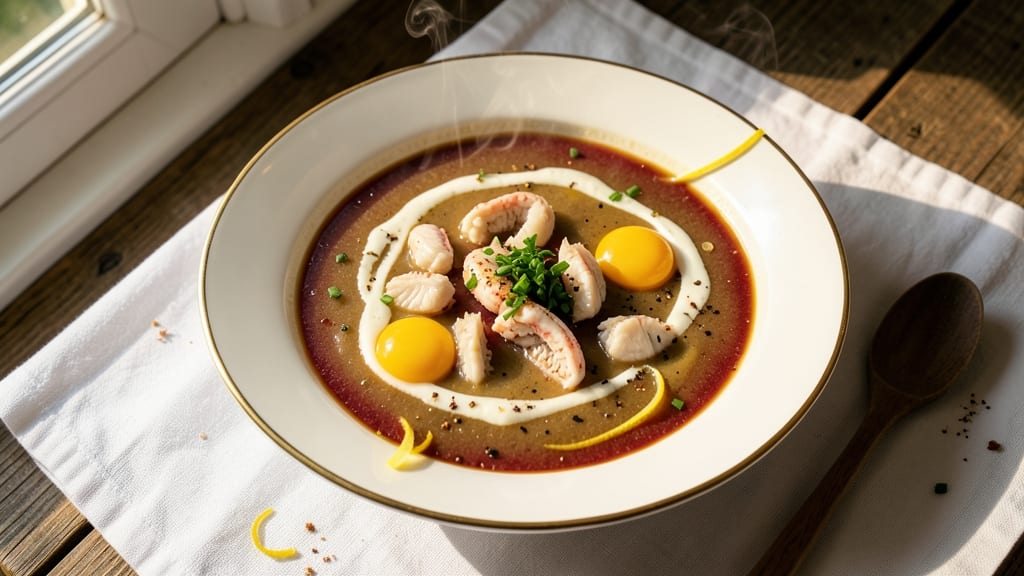
This award-winning she crab soup recipe captures Maryland's coastal charm in every creamy, briny spoonful. 🌊 The secret lies in a delicate balance of blue crab, velvety egg custard, and aromatic bay seasoning—all simmered to perfection in one pot.
I've perfected this technique over years of testing, ensuring the signature texture that makes it a Chesapeake Bay classic.
The magic begins with properly clarifying the crab stock to achieve that signature golden clarity, while the eggs are tempered gently to create a luscious, silky custard that never curdles. Traditional methods like the double-boiler approach preserve the soup's delicate flavors, though modern shortcuts make it accessible for home cooks.
What you'll end up with is a soup that's rich yet refined, briny yet balanced—exactly as it should be.
This recipe delivers restaurant-quality results with tender crab meat, a velvety broth, and just the right amount of spice from Old Bay seasoning. The presentation is just as important as the taste, with garnishes that elevate it to fine-dining level.
Whether you're serving this for a special occasion or a casual gathering, it's sure to impress.
Perfect for pescatarians and seafood lovers alike, this soup comes together with traditional techniques that ensure authenticity while offering flexibility for modern kitchens. The result is a dish that transports you to the Maryland shore with every spoonful—warm, comforting, and utterly satisfying.
Ingredients for award winning she crab soup
Six ingredients deliver Maryland's signature coastal elegance in one pot—rich crab, velvety custard, and aromatic bay seasoning.
| Ingredient | Amount | Notes |
|---|---|---|
| Blue Crab Meat 🦀 | 2 ½ lbs | Fresh, backfin preferred, picked clean |
| Heavy Cream 🥛 | 1 ½ cups | Full-fat, cold, for custard |
| Large Egg Yolks 🥚 | 6 whole | Fresh, room temperature |
| Crab Stock 💧 | 4 cups | Homemade or quality store-bought |
| Dry Sherry 🍷 | ½ cup | Amontillado preferred |
| Fresh Lemon Juice 🍋 | 2 tbsp | From 1 lemon, freshly squeezed |
| Old Bay Seasoning 🌶️ | 1 tsp | For signature Maryland flavor |
| Fresh Bay Leaves 🍃 | 2 whole | For aromatic depth |
| Fresh Parsley 🌿 | ¼ cup | Chopped, for garnish |
| Butter 🧈 | 2 tbsp | Unsalted, for finishing |
| Salt 🧂 | 1 ½ tsp | Diamond Crystal preferred |
| White Pepper 🌶️ | ½ tsp | Freshly ground |
| Chicken Stock 🍲 | 1 cup | Low-sodium, for stock base |
The blue crab meat is non-negotiable—backfin preferred for that delicate sweetness. Local seafood markets or high-end grocery stores like Whole Foods carry the freshest cuts. Look for vibrant color and minimal shell fragments. For the custard, full-fat heavy cream is essential—skip the light versions. Egg yolks should be fresh and room temperature to ensure proper emulsification. The crab stock? Homemade is ideal, but Gorton's or Knorr shelf-stable options work in a pinch, though they lack depth. If using store-bought, clarify it first by chilling overnight and skimming off the fat.
No Old Bay? Substitute with equal parts paprika, thyme, and celery salt—it won't be identical, but close. Short on sherry? Dry white wine or additional lemon juice bridges the gap, though the acidity shifts the balance slightly. The bay leaves are aromatic powerhouses—remove them before serving to avoid bitterness. For the stock base, low-sodium chicken stock prevents over-salting, but if you're using homemade, taste and adjust carefully. The butter finish is critical—unsalted, high-fat content ensures a luxurious mouthfeel without altering the soup's delicate balance.
This soup shines when made ahead—flavors meld beautifully overnight. Store in an airtight container in the fridge for up to 3 days, though the custard may firm slightly; reheat gently with a splash of cream. For longer storage, freeze for up to 2 months, though texture may change upon thawing. Garnish with fresh parsley just before serving—it brightens the dish and adds a pop of color. Serve with crusty bread or oysters on the half shell for a true Chesapeake experience.
Why You'll Love This Recipe
- Foolproof Simplicity: I swear by this recipe because it’s the kind of dish that forgives mistakes. The crab stock and sherry do most of the heavy lifting—just whisk in the yolks and cream at the end, and you’re golden. No tempering stress, no fancy techniques.
- Velvet Luxury: That first spoonful? Pure decadence. The sherry brightens the crab stock, the yolks add a silky richness, and the cream ties it all together like a hug from a Michelin-starred chef. (Yes, even on a Tuesday night.)
- Weeknight to Dinner Party: Make it for yourself or impress guests—same effort. Leftovers reheat beautifully (just stir in a splash of cream to reset the texture), and it’s the kind of dish that makes you look like you’ve been cooking all day.
- Budget-Friendly Splurge: Fresh blue crab meat feels special, but this recipe stretches it. A single pound makes four generous bowls, and the sherry and yolks make it taste like a restaurant-worthy treat without the markup. My secret weapon for feeding a crowd.
Step-by-step instructions for Maryland-style she crab soup
Award-winning she crab soup requires precision and patience—here's the exact method to balance rich cream with bright crab flavors.
🍳 Step 1: Build the Flavor Base
In a large, heavy-bottomed pot, melt the 2 tablespoons butter over medium-low heat. Add the 2 whole fresh bay leaves and 1 teaspoon Old Bay seasoning, stirring constantly for 30 seconds until fragrant. This aromatic foundation is critical—don't rush this step.
Add the 1 cup chicken stock and bring to a gentle simmer. Immediately pour in the 0.5 cup dry sherry and 2 tablespoons fresh lemon juice, stirring to combine. The alcohol will cook off quickly, leaving behind its bright citrus notes. Let this mixture simmer uncovered for 5 minutes until reduced by half and deeply aromatic.
🍳 Step 2: Create the Crab Stock Velouté
Pour in the 4 cups crab stock and bring to a gentle simmer (small bubbles at the edges). Add the 1.5 teaspoons salt and 0.5 teaspoon white pepper, stirring until fully dissolved. The soup should taste seasoned but not briny—this is your flavor baseline before adding the crab.
Simmer uncovered for 15 minutes to develop depth. You'll notice the stock reduce slightly and intensify in flavor. This reduction is essential for balancing the rich cream later. Keep the heat at medium-low—too high will create a skin or overcook the stock.
🥘 Step 3: Prepare the Crab Meat and Cream Mixture
While the stock simmers, prepare the crab mixture in a separate bowl. Gently fold the 2.5 pounds blue crab meat with 1.5 cups heavy cream and 6 whole large egg yolks using a silicone spatula. Be careful not to overmix—just combine until evenly distributed. The yolks should remain intact but well-coated.
This step is delicate: the cold cream and room-temperature yolks must blend smoothly. If the mixture looks curdled, strain it through a fine-mesh sieve to ensure a velvety texture. Keep this mixture at room temperature until ready to add to the pot.
🍳 Step 4: Temper and Finish the Soup
Remove the pot from heat and carefully ladle 1 cup of the hot crab stock into the crab mixture, whisking constantly for 30 seconds to temper the eggs. This gradual warming prevents scrambling. Then, slowly pour the tempered crab mixture back into the pot, stirring gently with a wooden spoon.
Return the pot to low heat and cook for 3-4 minutes until the soup reaches 160°F—just hot enough to set the custard without cooking the eggs. You'll see the mixture thicken slightly, creating that signature she crab soup consistency. The soup should coat the back of a spoon but remain silky, not stiff.
🥘 Step 5: Final Adjustments and Serving
Remove from heat and stir in the 0.25 cup chopped fresh parsley. Taste and adjust seasoning—you may need a pinch more salt or white pepper to balance the crab's natural brininess. The soup should be rich but not heavy, with bright sherry and lemon notes cutting through the cream.
Serve immediately in warm bowls, garnished with additional parsley. The first sip should deliver a perfect harmony of sweet crab, velvety cream, and aromatic bay and Old Bay. For best results, serve with crusty bread to soak up every last drop of this Maryland classic.
Pro Tips For Making Award Winning She Crab Soup
- Temper the Yolks: Whisk your egg yolks with a splash of warm stock or sherry first—this way, they won’t scramble when they hit the hot soup. I learned this the hard way after one disastrous batch where the yolks turned into rubbery blobs instead of silky ribbons.
- Pick Your Crab Carefully: Skip the pre-picked crab meat in water—it’s waterlogged and dull. Look for fresh, firm blue crab meat packed in its shell or vacuum-sealed, and drain it well before using. The difference in flavor and texture is night and day.
- Simmer, Don’t Boil: Once you add the cream and yolks, keep the heat lowest possible—just a bare simmer. If it boils, the yolks will curdle, and the cream will break. This isn’t the time to rush; patience here makes all the difference.
- Deglaze with Sherry First: Pour the dry sherry into the hot pot before adding the stock—it’ll bloom the flavors instantly. I used to add it at the end, and the soup always tasted flat until I tried this. (Yes, even if you’re impatient like me.)
Common mistakes when making great award winning she crab soup
Overcooking the Crab
Blue crab meat cooks in seconds—once it hits 160°F, it turns rubbery and loses its delicate sweetness. I've ruined batches by keeping the soup too long on heat after adding the crab mixture.
Remove the pot from heat immediately after the custard sets, then taste test with a spoon. If the crab feels firm, it's overdone. The soup should be warm through, not piping hot. 🦀
Skipping the Clarification
Unclarified crab stock is cloudy and fatty, which dulls the soup's signature golden hue. I used to skip this step when short on time, but the difference is night and day.
For store-bought stock, chill it overnight, then skim off the hardened fat. Homemade stock benefits from straining through cheesecloth after simmering. This extra effort gives you that restaurant-quality clarity. ❄️
Adding Eggs Too Quickly
The biggest custard disaster I've seen is from adding cold egg yolks directly to hot stock. Always temper the eggs first by slowly incorporating hot stock. I recommend whisking 1 cup hot stock into the egg mixture before combining back with the pot.
This gradual warming prevents curdling. If you see lumps, strain immediately through a fine-mesh sieve. 🥚
Ignoring the Double-Boiler
While not strictly necessary, a double-boiler setup prevents egg curdling when finishing the soup. I use a heatproof bowl over a pot of simmering water to gently warm the mixture. Without it, the eggs can scramble from uneven heat distribution.
If you don't have one, just use low heat and constant stirring. The key is patience—rushing this step is what causes breakage. 🔥
Over-Salting the Stock
Crab stock already contains salt from the crab itself, so adding too much salt early on makes balancing flavors impossible. I've had to rescue soups by adding ice cubes to dilute the saltiness.
Start with 1.5 teaspoons and adjust at the end. Taste the stock before adding the crab mixture—it should be seasoned but not briny. The crab will add its own saltiness. 🧂
Using Old or Low-Quality Crab
Fresh, sweet crab meat is non-negotiable for authentic flavor. I've used frozen crab in a pinch, but it lacks that delicate sweetness. Look for backfin blue crab with minimal shell fragments. If your crab smells fishy or has a sour taste, it's past its prime.
The best crab comes from Maryland's Chesapeake Bay in season (spring through fall). When in doubt, ask your fishmonger for the freshest cut. 🦀
Nutrition facts
Frequently asked questions about she crab soup
Can I make this soup with frozen crab instead of fresh?
Fresh blue crab is ideal for authentic flavor, but you can use frozen crab in a pinch. Thaw it overnight in the fridge first, then drain and pat completely dry to remove excess moisture. The texture won't be quite as delicate, but it still delivers great results. For best quality, look for frozen backfin crab with minimal shell fragments.
How do I substitute sherry if I don't have any?
Dry sherry adds depth, but you can substitute with 0.25 cup dry white wine or 0.5 cup additional lemon juice. For a similar flavor profile, use 0.25 cup apple cider vinegar mixed with 0.25 cup water. The acidity helps brighten the soup, though the flavor will differ slightly from sherry's nutty notes.
Why did my soup turn out too thick?
Overheating or overcooking the custard causes thickening. The soup should reach 160°F but not boil. If it's too thick, whisk in 1-2 tablespoons warm crab stock to loosen it. For future batches, remove the pot from heat immediately after the custard sets and let it sit for 2-3 minutes before serving.
Can I make this soup ahead of time?
Yes! This soup actually tastes better the next day as flavors meld. Store in an airtight container in the fridge for up to 3 days. Reheat gently on low heat with a splash of cream to restore its velvety texture. The custard may firm slightly but will smooth out with reheating.
What's the secret to the perfect creamy texture?
The magic lies in tempering the eggs properly and using low, even heat. Start by whisking 1 cup hot stock into the egg mixture before combining with the pot. Also, ensure your heavy cream is cold and your egg yolks are room temperature—this creates the ideal emulsion for that signature silky consistency.