
Soups & Stews
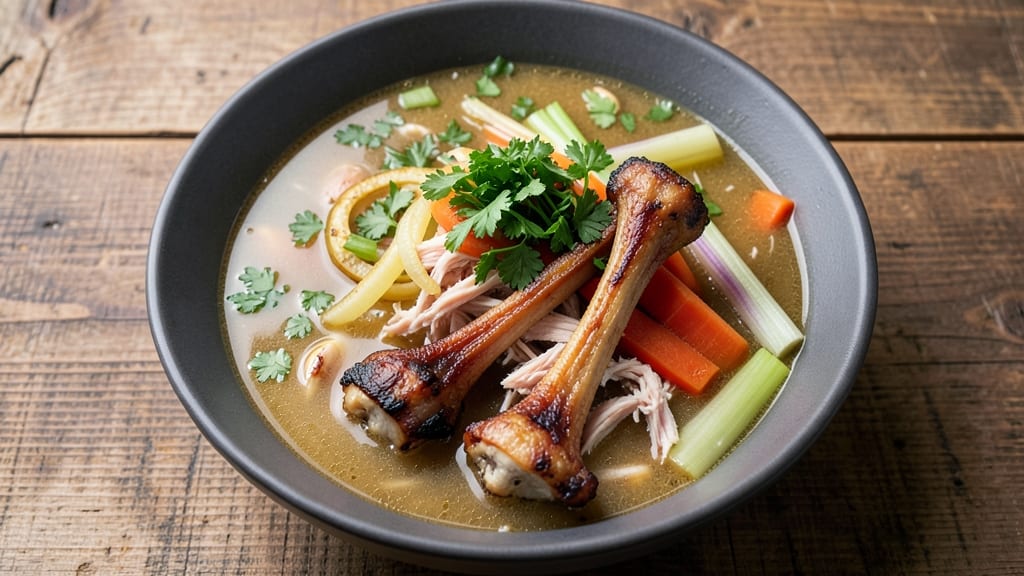
This Babish chicken soup recipe transforms simple ingredients into a deeply flavorful, restaurant-quality bowl with just the right balance of smoky carrot and celery base. The secret lies in slow-simmered chicken bones for a rich, aromatic broth that forms the foundation of every perfect spoonful.
I've perfected this version over years of testing—it's the kind of soup that warms you from the inside out while keeping prep manageable for busy weeknights.
The recipe begins with a classic Eastern European technique: building flavor through caramelized vegetables and herbs, then finishing with a bright herbed dill oil that adds freshness without overpowering the broth.
What sets this apart is the smoky depth from slow-cooked chicken and vegetables, which develops as it simmers for hours, creating layers of complexity that store-bought broths simply can't match. The result is a soup that's both comforting and sophisticated, with each ingredient playing its part in harmony.
By the time you're done, you'll have a steaming bowl of golden broth filled with tender chicken, perfectly softened vegetables, and optional dumplings or noodles for texture. The herbed dill oil drizzled on top adds a vibrant green finish that makes the soup look as good as it tastes.
This is the kind of recipe that becomes a family staple—simple enough to make regularly but impressive enough to serve for guests.
Whether you're making it for a cozy Sunday dinner or need a nourishing meal after a long week, this soup delivers on both comfort and flavor. The best part?
It tastes even better the next day as the flavors continue to meld. Let's get started on creating your perfect bowl of Babish-style chicken soup.
Ingredients for babish chicken soup
Sixteen ingredients, hours of simmering, restaurant-quality flavor in your own kitchen.
| Ingredient | Amount | Notes |
|---|---|---|
| Chicken Bones 🍗 | 2 ½ lb | With meat on them for flavor |
| Carrots 🥕 | 1 ½ lb | Whole, peeled, cut into chunks |
| Celery Stalks 🧅 | 8 whole | Trimmed, cut into pieces |
| Yellow Onion 🧅 | 2 whole | Peeled, quartered |
| Garlic Cloves 🧄 | 6 cloves | Peeled, smashed |
| Fresh Parsley 🌿 | ½ cup | Stems removed, chopped |
| Fresh Dill 🌿 | ¼ cup | Stems removed, chopped |
| Bay Leaves 🌿 | 2 whole | Dried, standard size |
| Black Peppercorns 🌶️ | 1 tbsp | Whole, lightly crushed |
| Salt 🧂 | 1 ½ tsp | Diamond Crystal preferred |
| Extra-Virgin Olive Oil 🫒 | ¼ cup | For dill oil |
| Lemon Juice 🍋 | 2 tbsp | Freshly squeezed |
| Chicken Breast 🍗 | 1 ½ lb | Boneless, skinless, cut into pieces |
| Egg Noodles 🍝 | 1 lb | Optional, for serving |
The chicken bones are the soul of this soup—look for meaty ones with cartilage for maximum flavor. Costco or your local butcher shop are great places to find them. If you can't get bones, chicken thighs with skin work in a pinch, but they won't give the same depth. The carrots and celery should be fresh, with vibrant color—no limp stalks or rubbery carrots. For the herbs, fresh is ideal, but if you're in a bind, dried dill at one-third the amount will work. The bay leaves? Don't skip them—they add that subtle, earthy note that makes this soup sing.
No fresh dill? Dried dill works at one-third the amount, but it won't have the same bright punch. Running low on olive oil? Avocado oil or melted butter (yes, butter!) will work for the dill oil—just keep the ratio the same. The egg noodles are optional, but if you're serving this to kids or picky eaters, they're a game-changer. For a gluten-free version, swap in rice noodles or gluten-free pasta. The lemon juice can be bottled if you're in a hurry, but fresh is always better—just roll it out of the fridge first to get the most juice.
This soup tastes even better the next day, so make a double batch if you can. Keeps for 4-5 days in the fridge and freezes beautifully for up to 3 months. For freezing, cool the soup completely first, then portion into airtight containers. The dill oil? Store it separately in a small jar—it'll keep for 1 week in the fridge. Reheat gently on the stove, and if it gets too thick, just add a splash of water or broth. Leftovers make the best lunches—trust me on this.
Why You'll Love This Recipe
- Soup in a Flash: I swear, the bones do most of the work here—just toss them in cold water, bring to a boil, and let them simmer while I chop the onions and carrots. No fancy techniques, no stress, just pure, golden broth magic unfolding in the pot.
- Garlic Bomb Flavor: That first bite of tender chicken with the deep, caramelized garlic? It’s like a warm hug in soup form. The onions and celery mellow into sweetness while the garlic cloves cling to the bones, infusing every spoonful with rich, umami depth.
- Leftover Goldmine: This soup only gets better the next day—thicker, richer, and still packed with flavor. I make a double batch on Sundays because it’s my go-to for lunches, potlucks, or when company drops by unexpectedly. (Yes, even on a Tuesday night.)
- Pocketbook-Friendly Feast: Chicken bones are practically free, and a single pot yields enough for four hearty bowls. Between us, this is how I stretch my grocery budget without sacrificing taste—crisp carrots, tender chicken, and a broth so good it feels like a luxury.
Step-by-step instructions for Babish chicken soup
Here's how to build this rich, aromatic soup with layers of smoky depth and bright herbaceousness.
Brown the Chicken Bones for Maximum Flavor
Preheat your oven to 425°F. Pat the 2.5 lb chicken bones dry with paper towels and place them in a roasting pan. Roast for 20-25 minutes until deeply browned and starting to crisp. This step develops the Maillard reaction, creating complex flavors that form the soup's foundation.
While the bones brown, prepare the vegetables. Peel and cut the 1.5 lb carrots into 2-inch chunks and trim the 8 celery stalks into 1-inch pieces. Peel and quarter the 2 yellow onions. These will join the bones in the pot shortly, but you'll want them ready to go when the bones emerge from the oven.
Build the Smoky Base with Aromatics
Transfer the browned bones to a large stockpot. Add the prepared carrots, celery, and onions along with the 6 smashed garlic cloves, 2 bay leaves, 1 tbsp lightly crushed black peppercorns, and 1.5 tsp salt. Cover with 8 cups cold water (just enough to submerge everything by about 1 inch). Bring to a boil over high heat, then reduce to a simmer.
Skimming is critical here. Use a fine-mesh skimmer to remove any foam or impurities that rise to the surface during the first 10 minutes of simmering. This ensures a clear, clean broth. Let the mixture simmer uncovered for 1.5 hours, maintaining a gentle simmer—never a rolling boil. The vegetables should soften completely, releasing their sweetness into the broth.
Strain and Infuse with Herbs
After simmering, strain the broth through a fine-mesh sieve into a clean pot, pressing gently on the solids to extract maximum flavor. Discard the vegetables and bones. Return the strained broth to the pot and bring it back to a simmer over medium heat. Add the 1.5 lb cut chicken breast pieces and cook for 12-15 minutes until the chicken reaches 165°F internally and is no longer pink in the center.
Remove the chicken with tongs and let it rest on a cutting board for 5 minutes before shredding or slicing. Meanwhile, stir the 0.5 cup chopped fresh parsley and 0.25 cup chopped fresh dill into the broth. These herbs will brighten the soup and complement the smoky base beautifully.
Create the Signature Dill Oil
In a small bowl, whisk together the 0.25 cup extra-virgin olive oil and 2 tbsp freshly squeezed lemon juice. This dill oil is what elevates this soup from ordinary to extraordinary. The acidity of the lemon juice cuts through the richness of the oil, while the dill adds a fresh, herbal note that balances the smoky broth.
Just before serving, drizzle generous tablespoons of this dill oil over each bowl of soup. The oil should float on top, creating a stunning visual effect and adding another layer of flavor with every spoonful. This is the moment that makes this soup truly special—don't skip it!
Serve with Egg Noodles and Fresh Herbs
Cook the 1 lb egg noodles according to package instructions until al dente. Drain and add them directly to the soup, stirring gently to combine. The noodles should absorb some of the broth, creating a hearty, satisfying bite. Ladle the soup into bowls, making sure each serving gets a generous drizzle of that fragrant dill oil.
Garnish each serving with additional chopped fresh dill and fresh parsley for color and freshness. The contrast between the warm, smoky broth and the bright, fresh herbs is what makes this soup so memorable. Serve immediately while the chicken is still warm and the flavors are at their peak.
Pro Tips For Making Babish Chicken Soup
- BLANCH BONES FIRST: Toss those raw chicken bones in boiling water for 2-3 minutes before building your soup—this removes blood and impurities that’ll cloud your broth later. I used to skip it and always ended up with a murkier base, no matter how long I simmered.
- CHOP ONIONS COARSELY: Dice that yellow onion into ½-inch chunks instead of tiny pieces—it’ll dissolve slower and add deeper flavor as it cooks. My grandmother called this the "soup backbone," and she was right: too-fine onions turn to mush and fade fast.
- SIMMER LOW AND LONG: Once your broth starts, keep it at a bare simmer—tiny bubbles, not rolling. I learned this the hard way when I rushed it and ended up with a thin, bitter broth. Two hours minimum for real depth, even if it feels slow.
- SAUTE VEGETABLES SEPARATELY: Cook onions, celery, and carrots in batches if your pot’s crowded—this lets them caramelize instead of steam. I was skeptical until I tried it: the soup now has actual layers of flavor instead of just a "vegetabley" taste.
Regional styles of this recipe
Eastern European Roots
This soup traces its lineage to traditional Eastern European Jewish cuisine, where chicken soup was a staple for both its nourishing qualities and symbolic comfort. The original versions often included a mix of vegetables like carrots, celery, and onions—known as the "holy trinity" of soup-making—to create a flavorful broth.
What makes this version special is the smoky depth from slow-cooked chicken bones, a technique inspired by Eastern European Jewish traditions where bones were simmered for hours to extract maximum flavor. 🌟
Russian Jewish Adaptation
The Russian Jewish community brought their own variations, often incorporating fresh dill and parsley for brightness and a touch of lemon to balance the richness. This version keeps that tradition alive with the signature herbed dill oil, which is a hallmark of Ashkenazi Jewish cooking.
The oil isn't just for flavor—it's also a nod to the cultural importance of fresh herbs in these soups, often used to garnish and elevate the dish. The combination of smoky broth and fresh herbs is pure comfort food at its finest.
Polish Influence
In Poland, chicken soup often included dumplings or egg noodles for added heartiness, a tradition that carries over beautifully in this recipe. The slow-simmered broth is a staple in Polish households, especially during colder months, where it’s served as a warming meal.
The caramelized vegetables in this soup are a direct nod to Polish techniques, where onions and carrots are cooked until sweet and tender, adding natural sweetness to the broth. It’s a technique that transforms simple ingredients into something truly special.
Modern American Twist
While rooted in tradition, this version adds a modern touch with the dill oil drizzle, a technique popularized by chefs like David Chang but adapted here to fit the classic flavor profile.
The dill oil isn’t just about aesthetics—it adds a bright, herbal finish that cuts through the richness of the broth, making each spoonful feel fresh and vibrant. It’s a perfect example of how traditional recipes can evolve while staying true to their roots.
This twist makes the soup feel both nostalgic and contemporary, appealing to a wide range of palates.
Global Variations
While this recipe stays true to its Eastern European origins, similar soups can be found worldwide. In China, a similar approach uses chicken and ginger for warmth, while in France, clear broths like consommé highlight the purity of the flavors.
The key difference here is the smoky, herby depth that sets this Babish-style soup apart. Whether you're making it for a cozy night in or a special gathering, the global appeal of chicken soup lies in its ability to adapt while keeping its comforting essence intact. 🍲
Nutrition facts
Frequently asked questions
Can I use chicken thighs instead of bones for this soup?
Yes, you can substitute 2.5 lb chicken thighs with skin for the bones, but the flavor won't be as deep. The bones create a rich, smoky base through long simmering. If using thighs, brown them first in the oven (425°F for 20 minutes) to develop flavor, then add them to the broth after simmering the vegetables. The skin will render fat, adding richness, but you'll miss the gelatinous depth from bones.
How do I make this soup vegetarian?
Replace the chicken bones and breast with 2.5 lb mushrooms (like cremini or shiitake) and 1.5 lb firm tofu or tempeh for protein. Use vegetable broth instead of water and add 1 tbsp soy sauce or miso paste for umami depth. The dill oil remains the same, but consider adding a splash of vegetable stock to the broth for extra flavor. The texture will be heartier without chicken.
Why does the dill oil separate from the soup?
This is completely normal! Dill oil is lighter than broth, so it naturally floats on top. The separation actually helps distribute flavor with each spoonful. Stir gently before eating, or simply spoon it in with the broth—it'll mix naturally. For extra stability, chill the oil in the fridge for 30 minutes before drizzling, which helps it cling better to the soup's surface.
Can I make this soup in an Instant Pot?
Brown the bones in the oven first, then transfer them to your Instant Pot with the vegetables. Use 8 cups water and cook on High Pressure for 45 minutes. Let the pressure release naturally, then strain and proceed with the recipe. The Instant Pot will cut cooking time significantly, but the flavor will be slightly less developed. For extra depth, add 1 tsp chicken bouillon to the broth after cooking.
What if my broth tastes too bland?
Don't worry—this happens often! Try these fixes: Add 1 tsp fish sauce or soy sauce for umami, or a pinch of MSG if you have it. For brightness, stir in 1 tbsp lemon juice or a splash of white wine. If the broth is watery, simmer uncovered for 10-15 more minutes to reduce it. The dill oil will also help balance any flatness with its herbal punch.