
Soups & Stews
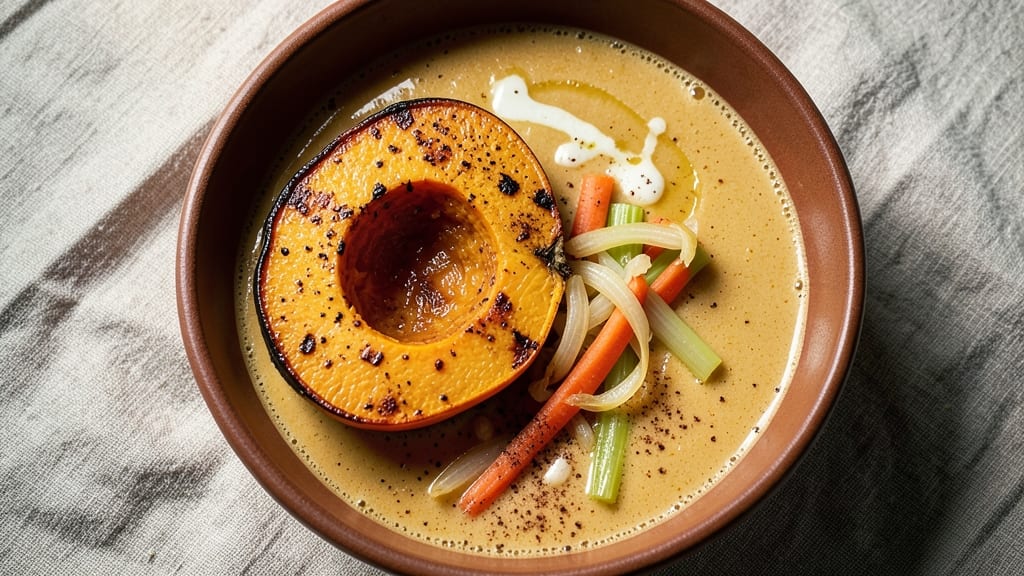
This baked whole pumpkin soup recipe transforms humble ingredients into a velvety, spice-infused masterpiece that defines autumn on a plate. The secret begins with roasting the pumpkin whole—its caramelized edges and tender flesh create a depth of flavor no pre-cut version can match.
This method isn't just traditional; it's the foundation of restaurant-quality soup with minimal effort.
What sets this recipe apart is the balance of warmth and complexity—cinnamon, nutmeg, and ginger simmer into the broth while the pumpkin's natural sweetness develops. We'll build the soup slowly, allowing flavors to meld without overpowering the pumpkin's natural character.
The result? A silky texture that coats every spoonful, with just enough spice to linger on the palate.
Perfect for cozy weeknight dinners or holiday gatherings, this soup serves 6-8 and comes together in under an hour of active time (plus oven roasting).
The technique is straightforward but yields professional results: roast the pumpkin until tender, scoop out the flesh, then simmer with aromatic vegetables and spices until perfectly smooth. Garnish with toasted pumpkin seeds or a swirl of cream for that final touch of elegance.
This method works equally well with sugar pumpkins or small kabocha varieties—just adjust roasting time based on size. The beauty of baking the whole pumpkin is its versatility: use the seeds for roasting, the flesh for soup, and even save a portion for bread or muffins.
Seasonal cooking at its finest.
Ingredients for baked whole pumpkin soup
Six aromatic vegetables and spices transform a simple pumpkin into restaurant-quality soup.
| Ingredient | Amount | Notes |
|---|---|---|
| Sugar Pumpkin or Kabocha 🎃 | 4 lb | Whole, uncut, medium-sized |
| Yellow Onion 🧅 | 1 whole | Medium-sized, peeled |
| Carrots 🥕 | 4 pieces | Peeled, chopped into chunks |
| Celery Stalks 🌿 | 3 whole | Trimmed, chopped |
| Garlic Cloves 🧄 | 4 cloves | Peeled, minced |
| Ground Cinnamon 🌶️ | 1 ½ tsp | Freshly ground preferred |
| Ground Nutmeg 🌶️ | ½ tsp | Freshly grated preferred |
| Ground Ginger 🌶️ | 1 tsp | Freshly grated preferred |
| Vegetable Broth 💧 | 4 cups | Low-sodium, homemade or store-bought |
| Heavy Cream 🥛 | 1 cup | Full-fat for richness |
| Salt 🧂 | 1 tsp | Kosher or sea salt |
| Black Pepper 🌶️ | ½ tsp | Freshly ground preferred |
| Pumpkin Seeds 🥜 | ½ cup | Toasted, for garnish |
| Olive Oil 🫒 | 2 tbsp | Extra-virgin for roasting |
The pumpkin is the star—sugar pumpkins or kabocha work best, but any medium-sized variety will do. Look for firm, heavy pumpkins with no soft spots; local farmers markets often have the freshest selections. If using a sugar pumpkin, aim for about 4 lbs total—this ensures enough flesh for soup with minimal waste. The seeds? Save them for toasting—just rinse, dry, and toss with olive oil and salt before roasting at 300°F for 15-20 minutes until golden. For the aromatic vegetables, organic produce makes a difference in flavor, but conventional works fine if you're peeling them anyway.
No fresh ginger? Substitute ground ginger at half the amount, but fresh has more depth. Short on vegetable broth? Water plus 1 tbsp soy sauce gets you close. The spices are non-negotiable—Penzeys or Spicewalla for quality, but regular grocery store brands work if they're fresh. For the heavy cream, full-fat is essential—it creates that velvety texture. No heavy cream? Coconut milk works but changes the flavor profile. The carrots and celery can be swapped for fennel or leeks if you prefer, but keep the total vegetable volume consistent. And always taste as you go—adjust salt and spices to your preference.
Roasted pumpkin flesh keeps in the fridge for 3 days before blending, but use it sooner for best flavor. The finished soup reheats beautifully—simmer gently on the stove or microwave with a splash of water to restore creaminess. Store in airtight containers for 4-5 days or freeze for up to 3 months. For make-ahead prep, roast the pumpkin and store the flesh frozen until ready to blend. Garnish with toasted seeds and a drizzle of cream right before serving—that final touch makes all the difference
Why You'll Love This Recipe
- No Chopping Hassle: I just halve the pumpkin, score the top, and bake it whole—no peeling, no dicing. The oven does all the work while I sip tea and pretend I’m fancy.
- Sweet-Savory Magic: That caramelized kabocha meets roasted garlic and onions? It’s like autumn hugged a bowl. The natural sweetness of the pumpkin plays perfect counterpoint to the crispy edges.
- Weeknight to Party: Same soup, different vibes—garnish with toasted seeds for a casual dinner, or swirl in coconut cream and chili flakes for a dinner party showstopper. (Yes, even on a Tuesday night.)
- Leftovers That Shine: This soup actually improves the next day—thicker, richer, and still packed with flavor. I freeze half for lazy mornings or last-minute guest dinners. Zero waste, all win.
Step-by-step instructions for baked whole pumpkin soup
Here's the method that transforms humble ingredients into velvety, spice-kissed soup with minimal effort.
Prep and Roast the Whole Pumpkin
Preheat your oven to 400°F and line a baking sheet with parchment paper. Cut the 4 lb sugar pumpkin or kabocha in half lengthwise, scoop out the seeds and strings, and place the halves cut-side down on the prepared sheet. Drizzle with 2 tablespoons olive oil and rub gently to coat the exterior.
Season the pumpkin halves generously with 1 teaspoon salt, 0.5 teaspoon black pepper, 1.5 teaspoons ground cinnamon, 0.5 teaspoon ground nutmeg, and 1 teaspoon ground ginger. Roast for 45-50 minutes until the pumpkin flesh is tender when pierced with a fork and the skin begins to caramelize.
I press down gently on the pumpkin flesh during the last 10 minutes—this prevents it from curling and ensures even contact with the hot pan. The roasted pumpkin should yield easily to a fork test, indicating perfect tenderness.
Sauté Aromatics and Build the Base
While the pumpkin roasts, heat 1 tablespoon olive oil in a large Dutch oven over medium heat. Add the 1 whole yellow onion, 4 pieces carrots, and 3 whole celery stalks, all chopped into ½-inch pieces. Cook for 8-10 minutes until the vegetables soften and the onion becomes translucent.
Add the 4 cloves minced garlic and cook for another 30 seconds until fragrant—this is where the foundation of flavor begins. Be careful not to let the garlic burn, as it can quickly turn bitter. Stir frequently to distribute the heat evenly.
Combine Roasted Pumpkin with Vegetables
Once the pumpkin is tender, scoop out the flesh using a spoon and discard the skin. Add the pumpkin flesh to the Dutch oven with the sautéed vegetables. Pour in the 4 cups vegetable broth and bring the mixture to a gentle simmer over medium-low heat.
Simmer uncovered for 15-20 minutes until the vegetables are completely tender and the flavors meld together. You'll notice the soup thickens slightly as it reduces, creating a rich, concentrated base. Stir occasionally to prevent sticking and ensure even cooking.
Blend Until Silky Smooth
Use an immersion blender to purée the soup directly in the pot until completely smooth. If you prefer a chunkier texture, blend in batches until you reach your desired consistency. I like to leave mine completely smooth for that restaurant-quality finish.
Return the soup to the stove and stir in the 1 cup heavy cream. Simmer gently for 5 minutes to heat through and allow the cream to meld with the pumpkin flavors. The soup should be velvety and rich, with a hint of spice that lingers on the tongue.
Garnish and Serve Warm
Taste and adjust the seasoning with additional salt or black pepper if needed. Ladle the soup into bowls and garnish each serving with 1 tablespoon toasted pumpkin seeds. The seeds add a delightful crunch that contrasts beautifully with the smooth soup.
Serve immediately while warm, as the flavors continue to develop as the soup cools slightly. Each spoonful should deliver a harmonious blend of sweet pumpkin, aromatic spices, and creamy richness. This soup keeps well in the refrigerator for up to 3 days, making it perfect for meal prep.
Pro Tips For Making Baked Whole Pumpkin Soup
- BAKE UNTIL TENDER: Cut the pumpkin in half, scoop out the seeds, then score the flesh in a crosshatch pattern before baking—this speeds up softening and keeps the skin from cracking. I learned this the hard way after watching a whole pumpkin turn to mush unevenly; the scoring guarantees even cooking every time.
- SWEAT, DON’T BURN: When sautéing onions, carrots, and celery, keep the heat medium-low and add a splash of water if they start sticking—this prevents bitter flavors and ensures the veggies actually soften instead of char. I used to rush this step, and the soup always tasted like overcooked campfire veggies.
- SALT THE PUMPKIN: Sprinkle a pinch of salt directly on the cut pumpkin halves before baking—it seasons the flesh and prevents waterlogging. After burning three batches of bland soup, I realized this small step makes a real difference in flavor.
- PUREE WITH STARCH: For a smoother texture, blend the soup with a small amount of cooked potato or white rice—it thickens naturally without altering the pumpkin’s flavor. I was skeptical until I tried it; now I always keep a few boiled potatoes on hand for this exact purpose.
Make-ahead tips for this baked whole pumpkin soup
Roast Ahead Strategy
Roast the pumpkin 1-2 days ahead and store the scooped flesh in an airtight container in the fridge. The flavors deepen overnight, and you’ll save 30+ minutes of active time when prepping the soup.
Just reheat the flesh gently in a saucepan with a splash of broth before blending—this prevents drying out. 🎃
Broth Prep Shortcut
Make double the vegetable broth while you're at it—store half in the freezer for future soups or sauces. Use low-sodium broth to control seasoning, and add 1 extra bay leaf while simmering for deeper flavor. I freeze broth in ice cube trays for easy single-use portions later. 💧
Creamy Texture Hack
For a lighter version, replace half the heavy cream with Greek yogurt (½ cup) after blending. The acidity brightens the spices, and it reheats beautifully. If using, stir in the yogurt off the heat to prevent curdling. Keep the soup covered while reheating to maintain creaminess. 🥛
Freezer-Friendly Assembly
Blend the soup completely smooth, then divide into portion-sized containers (about 1.5 cups each). Freeze flat with parchment between layers to save space. Thaw overnight in the fridge, then reheat with 1 tablespoon broth per serving to restore texture.
Label with dates—this soup stays 3 months in the freezer without texture loss. ❄️
Seed Garnish Prep
Toast all pumpkin seeds while the soup simmers—toss ½ cup seeds with 1 tbsp olive oil and ¼ tsp salt on a baking sheet at 300°F for 15 minutes.
Store in a small jar at room temp for up to 2 weeks. This step takes zero extra time during active cooking and adds crunchy contrast every time. 🥜
Spice Boost Freezer Kit
Mix 1 tbsp each of cinnamon, nutmeg, and ginger with 2 tbsp brown sugar in a small jar. Store in the freezer for quick spice blends—just add 1 tsp per batch of soup.
This pre-mixed kit saves 5 minutes of measuring during busy weeks and ensures consistent flavor every time. 🌶️
Nutrition facts
Frequently asked questions
Why roast the whole pumpkin instead of cubing it?
Roasting the whole pumpkin caramelizes the edges and concentrates the natural sweetness, creating deeper flavor than cubed pumpkin. The skin also becomes tender enough to eat, adding texture. Plus, it's easier to handle and yields less waste than pre-cut pieces.
Can I use canned pumpkin instead of fresh?
Technically yes, but fresh roasted pumpkin gives the best texture and flavor. Canned pumpkin lacks the caramelized depth from roasting. If using canned, reduce broth by ½ cup since canned versions are often watered down. For authentic results, stick with fresh pumpkin.
How do I fix soup that's too thin after blending?
Simmer the soup uncovered for 5-10 extra minutes to reduce naturally. For immediate thickening, whisk in 1 tablespoon cornstarch mixed with 2 tablespoons cold water and cook until thickened. Avoid adding cream—it'll make the soup greasy.
What's the best pumpkin variety for this recipe?
Sugar pumpkins or kabocha work best—they're sweeter and less watery than carving pumpkins. Avoid giant jack-o'-lantern pumpkins (they're too fibrous). For smaller batches, use 2 lb pumpkins and adjust roasting time to 35-40 minutes.
Can I make this soup dairy-free?
Yes! Replace the heavy cream with ½ cup coconut milk or 1 cup unsweetened almond milk (add 1 tsp maple syrup to balance sweetness). For richness, stir in 2 tablespoons nutritional yeast after blending. The texture will be lighter but still creamy.