
Soups & Stews
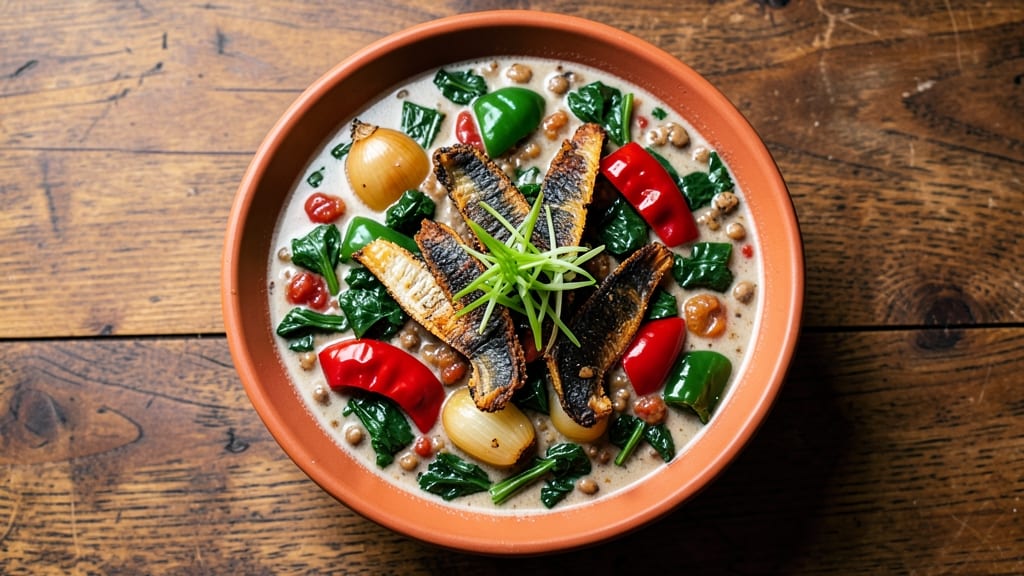
This Banga soup recipe Nigeria delivers the bold, spicy flavors of West Africa’s most beloved stew, where crispy celery crowns float atop a rich, pepper-infused broth. 🌟 The secret lies in perfectly frying the celery leaves until they’re golden and crunchy—a technique that transforms this humble ingredient into the star of the dish.
Every bite balances the heat of fresh peppers, the earthiness of locust beans, and the smoky depth of dried fish, creating a harmony that’s both comforting and complex.
Traditional Banga soup relies on a few key ingredients that define its authenticity: smoked fish for that signature smokiness, leafy greens like bitter leaf or spinach for body, and iru (locust beans) to deliver a deep, umami-rich base.
The soup starts with a blend of fresh peppers and onions, simmered until the flavors meld into a vibrant, spicy broth. What sets this recipe apart is the crispy celery—fried until it’s almost caramelized—adding a textural contrast that makes every spoonful exciting.
The result is a soup that’s hearty enough to stand alone but rich enough to pair with pounded yam, eba, or amala. The crispy celery crowns add a satisfying crunch, while the broth remains velvety and full of flavor.
This isn’t just a recipe; it’s a taste of home, a celebration of Nigerian culinary tradition, and a dish that brings people together around the table. Let’s bring the flavors of Nigeria to your kitchen.
Whether you’re making it for a family gathering or a cozy weeknight dinner, this Banga soup recipe stays true to its roots while offering flexibility for modern twists. The key is patience—letting the flavors develop slowly so that every ingredient shines.
Trust the process, and you’ll have a dish that’s as rewarding to make as it is to eat.
Ingredients for banga soup recipe nigeria
Bold flavors and crispy textures come together in this authentic Nigerian Banga soup.
| Ingredient | Amount | Notes |
|---|---|---|
| Smoked Dried Fish 🐟 | 1 lb | Dried or smoked variety preferred |
| Celery Leaves 🌿 | 2 cups | Fresh, whole leaves for frying |
| Fresh Bell Peppers 🌶️ | 3 whole | Mixed colors, seeds removed |
| Yellow Onions 🧅 | 2 whole | Medium size, sliced |
| Fresh Tomatoes 🍅 | 4 whole | Medium size, chopped |
| Iru (Locust Beans) 🌱 | ½ cup | Dried, soaked overnight |
| Fresh Ginger 🧄 | 2 tbsp | Finely grated, fresh |
| Fresh Bitter Leaf 🍃 | 2 cups | Chopped, or substitute spinach |
| Vegetable Oil 🫒 | 2 cups | For frying celery leaves |
| Salt 🧂 | 1 ½ tsp | Adjust to taste |
| Ground Black Pepper 🌶️ | 1 tsp | Freshly ground preferred |
| Scotch Bonnet Peppers 🔥 | 2 whole | Seeds removed, chopped |
| Fresh Cilantro 🌿 | ¼ cup | Chopped, for garnish |
| Pounded Yam 🍠 | 2 cups | Or eba for serving |
The smoked dried fish is the soul of this soup—look for authentic Nigerian brands at African markets or specialty stores. If you can't find it, smoked mackerel or sardines work in a pinch. The celery leaves are non-negotiable for those crispy crowns; avoid pre-washed bags—they won't fry right. For iru (locust beans), Amazon or Nigerian grocery stores carry them dried, but if unavailable, soy sauce or mushroom powder can mimic the umami depth. The bitter leaf adds that signature West African tang—substitute spinach or kale if you can't find it, but expect a milder flavor.
No scotch bonnet? Jalapeño or habanero will bring heat, though the flavor profile changes slightly. Fresh ginger is key—dried won't cut it—so grab a small knob from the produce section. The bell peppers should be colorful; red and yellow add natural sweetness that balances the heat. For the celery frying, use a deep pot with 1-2 inches of oil—too little oil makes them soggy. The pounded yam is traditional, but eba or fufu work just as well for serving. If you're short on time, pre-cooked yam flakes from African markets save prep work.
The fried celery crowns stay crispy for about 10 minutes—serve them immediately over the soup. The broth keeps well for 3-4 days in the fridge, but the celery loses crispness faster. For leftovers, store the broth and celery separately and reheat gently. Freeze the broth for up to 3 months—just thaw and reheat before adding fresh celery crowns. The pounded yam can be made ahead and reheated with a splash of water, but it's best served fresh for that perfect doughy texture.
Why You'll Love This Recipe
- No-Fuss Pantry Staples: I swear by this soup because it uses what I already have—smoked fish, onions, and tomatoes—no fancy shopping needed. The celery leaves add that fresh bite without extra effort, and honestly? I’ve made it three times with whatever was in my fridge.
- Umami Bomb Combo: That smoked fish? It’s the star—deep, smoky, and rich, but balanced by the bright bell peppers and tangy tomatoes. Every spoonful has layers: salty, sweet, and just a little funky. (Yes, even on a Tuesday night.)
- Crowd-Pleaser Any Day: Perfect for gatherings—whether it’s a Sunday lunch with family or a last-minute dinner for unexpected guests. The soup stretches easily with rice or bread, and kids actually finish their bowls. (My daughter picks out the fish bones first, but still asks for seconds.)
- Budget Meal That Lasts: A single smoked fish feeds four, and leftovers taste just as good the next day—if they even last that long. Between us, I’ve reheated this soup for lunch three times without getting tired of it. Practical? Absolutely. Delicious? Ridiculously so.
Step-by-step instructions for crispy celery crowns over spicy pepper broth
Here's the authentic method for creating that signature banga soup texture and flavor.
🔥 Step 1: Fry the Celery Leaves to Golden Perfection
Heat the 2 cups vegetable oil in a deep skillet over medium heat until it reaches 325°F - you'll see small bubbles forming around the edges but not a full boil. Add the 2 cups celery leaves in batches, being careful not to overcrowd the pan. Fry for 3-4 minutes until they turn a beautiful golden brown and crisp up like delicate crowns.
Remove the fried celery leaves and drain on paper towels. Set them aside - they'll be the star of your soup. The key here is maintaining that 325°F temperature. If the oil gets too hot, they'll burn before crisping properly. If it's too cool, they'll absorb too much oil and lose their signature crunch.
🍳 Step 2: Build the Spicy Pepper Base
In the same skillet (with just a little oil remaining), add 2 whole yellow onions sliced into half-moons and cook for 5 minutes until softened and slightly golden. Add 3 whole fresh bell peppers cut into strips and cook for another 3 minutes until they begin to soften.
Stir in the 2 whole scotch bonnet peppers (seeds removed) and 2 tbsp fresh ginger, cooking for 2 minutes until the peppers become aromatic and slightly charred at the edges. This is where the soup gets its signature heat and depth of flavor. Be careful not to burn the ginger - it should be fragrant but not dark brown.
🥘 Step 3: Prepare the Broth Foundation
Add the 4 whole fresh tomatoes chopped into chunks to the skillet and cook for 5 minutes until they break down into a rough sauce. Stir in the 0.5 cup iru (locust beans) that has been soaked overnight and drained, along with 1.5 tsp salt and 1 tsp ground black pepper. Cook for another 5 minutes until the iru dissolves completely into the mixture.
Now add 2 cups water and bring to a gentle simmer. Let it cook uncovered for 10 minutes until the liquid reduces slightly and the flavors meld together. This is your flavor base - the foundation that will carry all the other components. The iru should be completely dissolved, giving the broth its characteristic richness.
👨🍳 Step 4: Incorporate the Protein and Greens
Add the 1 lb smoked dried fish to the simmering broth. Let it cook for 8-10 minutes until the fish flakes easily with a fork. This is where the fish absorbs all the amazing flavors from your pepper base. Add the 2 cups fresh bitter leaf (or spinach) and cook for another 5 minutes until wilted but still vibrant green.
Finally, add the 2 cups pounded yam and stir gently to combine. The yam should begin to absorb the broth but remain slightly firm. If the soup becomes too thick, add a little more water - you want it to coat the back of a spoon but still be spoonable. This is where the soup comes together as a cohesive dish with all its components working in harmony.
🍽️ Step 5: Finish and Serve with Crispy Toppings
Return the fried celery leaves to the soup and stir gently just to warm them through - about 1-2 minutes. The leaves should maintain their crisp texture while adding that signature crunch to each bite. Taste and adjust the seasoning if needed, adding more salt or pepper as necessary.
Ladle the soup into serving bowls and garnish with the 0.25 cup fresh cilantro chopped. Serve immediately while the celery leaves are still crisp and the yam is warm. The contrast between the crispy celery crowns and the rich, spicy broth creates that signature banga soup experience that makes this dish so special.
Pro Tips For Making Banga Soup Recipe Nigeria
- SOAK FISH OVERNIGHT: That smoked dried fish won’t soften properly if you just toss it in boiling water for 10 minutes. I learned this the hard way—my first few batches had fish that stayed chewy no matter how long I simmered. Cover the fish with warm water in a bowl, add a pinch of salt, and let it sit 8-12 hours. The longer it soaks, the more flavor it absorbs, and it’ll fall apart like butter when you cook it.
- CHOP ONIONS SMALLER THAN YOU THINK: Nigerian banga soup needs onions that practically dissolve into the stew. If you’re used to chunky soups, resist the urge to leave them in big pieces—they’ll just sit there like rocks. Dice them into ¼-inch cubes or finer, and they’ll melt into the sauce, giving that deep, sweet base the soup needs. (Yes, even if it looks like you’re making baby food.)
- STIR THE POT CONSTANTLY: After burning three batches of soup because I walked away, I finally realized: banga soup is a stirring soup. The oil, tomatoes, and peppers release a ton of moisture and can scorch if you let it sit. Keep that spoon moving—especially in the first 10 minutes—so the sauce builds properly without sticking or burning. Your future self will thank you.
- USE HALF THE OIL YOU PLAN TO: I was skeptical until I tried it, but banga soup doesn’t need a pool of oil. Start with just 2 tablespoons—enough to coat the pot—and add more as needed. Too much oil makes the soup greasy, and you’ll spend the next hour skimming it off. The fish and peppers will still render their own fat, but this keeps the texture light and the flavors balanced. (And yes, you can save the extra oil for frying plantains later.)
Regional styles of this banga soup recipe nigeria
Yoruba Origin
Banga soup traces its roots to the Yoruba people of Southwest Nigeria, where it’s traditionally served with pounded yam during special occasions like weddings and festivals. The name "Banga" comes from the Yoruba word for the celery leaves that give the soup its signature crispy crowns.
In Yoruba culture, this soup symbolizes hospitality and abundance—it’s often the centerpiece of communal meals. 🌟
Igbo Adaptations
In Igbo communities, especially in the Eastern part of Nigeria, Banga soup is often enriched with dried crayfish and palm oil for a richer, oilier texture. The Igbo version also tends to use waterleaf (talinum fruticosum) instead of bitter leaf, giving it a milder, slightly sweet flavor.
This adaptation reflects the Igbo preference for heartier, more substantial soups that pair beautifully with fufu or akpu.
Modern Twists
Today’s chefs are putting a contemporary spin on Banga soup. Some versions incorporate tomato paste for a brighter base or blend in blended vegetables for a smoother texture. Others experiment with smoked paprika or nutmeg to add depth.
In urban Nigerian restaurants, you’ll find Banga soup served with jollof rice or even garri, catering to modern tastes while keeping the soul of the dish intact. 💡
Regional Ingredient Swaps
In the North, where bitter leaf might be harder to find, cooks often substitute spinach or kale, though purists argue it lacks the authentic tang. Meanwhile, in Lagos, you’ll see versions with shrimp or crab meat added for extra protein.
The key is balancing tradition with local availability—whether you’re in Kano, Lagos, or Abuja, the spirit of Banga remains the same. 🗺️
Diaspora Variations
Nigerian communities abroad, like in the UK or US, adapt Banga soup using substitute ingredients due to limited access to iru or smoked fish. For example, soy sauce replaces iru for umami, and smoked salmon stands in for the traditional fish.
While these versions may differ slightly, they still deliver that signature spicy, smoky, and crispy experience that defines Banga soup worldwide. 🌍
Nutrition facts
Frequently asked questions
Why does Banga soup need fried celery leaves?
The crispy celery crowns are the signature element of authentic Banga soup! They provide a delightful textural contrast to the rich, spicy broth by adding a satisfying crunch. This technique originated from Yoruba culinary traditions where the leaves are fried until golden brown, creating those delicate "crowns" that float on top of the soup.
Can I make Banga soup without iru (locust beans)?
Yes, but the flavor will be different. Iru provides that deep umami richness that's hard to replicate. For a substitute, try 1 tablespoon soy sauce or 1 teaspoon mushroom powder per cup of water used in the broth. The soup will be less authentic but still flavorful. Some modern versions also use tomato paste for brightness.
What's the best way to store leftover Banga soup?
Store the broth and fried celery leaves separately to maintain freshness. The broth keeps well in the fridge for 3-4 days in an airtight container. Reheat gently and add fresh fried celery leaves when serving. For longer storage, freeze the broth for up to 3 months—just thaw and reheat before adding fresh toppings.
How spicy should Banga soup be?
Traditional Banga soup has a moderate heat level that comes from the scotch bonnet peppers and fresh ginger. For milder versions, reduce the number of scotch bonnet peppers or remove their seeds. If you prefer extra heat, add more peppers or include some of the seeds. The key is balancing the spice with the smoky fish and earthy greens for a harmonious flavor.
What's the best side dish to serve with Banga soup?
The most traditional pairing is pounded yam, which absorbs the rich broth beautifully. Other great options include eba, fufu, or even jollof rice for a modern twist. The starchy side helps balance the spicy, smoky flavors of the soup while providing a satisfying meal.