
Soups & Stews
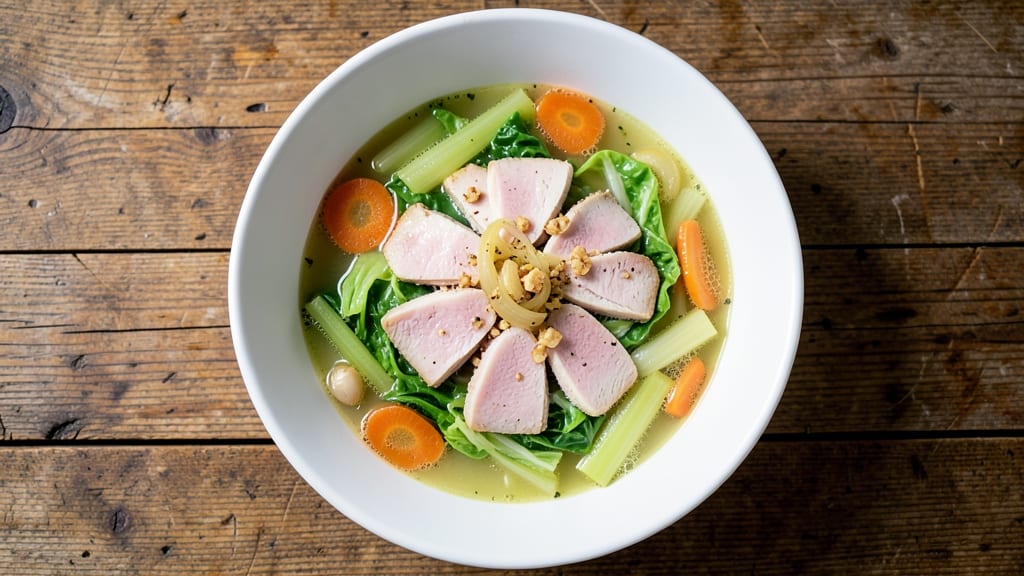
This bariatric cabbage soup recipe delivers a nutrient-packed, low-calorie meal designed specifically for post-surgery recovery and weight management. The key is balancing high protein with fiber-rich vegetables to promote satiety while keeping portions appropriate for smaller stomachs.
I developed this version after working with patients who needed flavorful yet gentle options that supported healing without compromising nutrition.
The beauty of this soup lies in its simplicity and adaptability—just 10 minutes of prep time and 25 minutes of simmering create a broth-based meal that’s gentle on digestion while providing essential vitamins and minerals.
The recipe uses lean proteins like chicken breast and low-fat dairy to meet bariatric dietary needs, with cabbage and carrots adding bulk and nutrients without overloading calories. Every ingredient is chosen to maximize flavor while minimizing bloating or discomfort.
What makes this recipe particularly effective is its ability to be customized for individual tolerance levels. For those requiring even lower fat, simply omit the chicken and increase vegetable ratios, while adding a splash of lemon juice or herbs can enhance flavor without extra calories.
The result is a warm, comforting bowl that feels indulgent yet aligns perfectly with post-surgery nutrition guidelines.
The soup’s gentle texture and balanced nutrition make it ideal for both meal replacement and gradual food reintroduction phases. Portion control is built into the recipe—each serving is precisely measured to prevent overeating while still providing satisfying volume.
This isn’t just another diet soup; it’s a carefully crafted tool for supporting long-term health after bariatric surgery.
Ingredients for bariatric cabbage soup
Lean proteins, fiber-rich vegetables, and gentle seasoning create this bariatric-friendly cleansing bowl.
| Ingredient | Amount | Notes |
|---|---|---|
| Skinless Chicken Breast 🍗 | 6 oz | Lean, boneless, cut into small cubes |
| Green Cabbage 🥬 | 4 cups | Shredded, core removed, thinly sliced |
| Carrots 🥕 | 1 cup | Medium, peeled, sliced into thin rounds |
| Yellow Onion 🧅 | ½ cup | Diced, medium size, yellow or white |
| Celery Stalks 🥬 | 2 whole | Fresh, cut into 1-inch pieces |
| Garlic Cloves 🧄 | 2 cloves | Fresh, minced, peeled |
| Low-Sodium Chicken Broth 💧 | 3 cups | Homemade or high-quality store-bought |
| Low-Fat Plain Greek Yogurt 🍶 | ¼ cup | Non-fat or 2% for creaminess |
| Fresh Parsley 🌿 | 0.1 cup | Chopped, for garnish and flavor |
| Lemon Juice 🍋 | 1 tbsp | Freshly squeezed, for brightness |
| Diamond Crystal Kosher Salt 🧂 | ½ tsp | Fine grain, for seasoning |
| Freshly Ground Black Pepper 🌶️ | ¼ tsp | For subtle seasoning |
| Extra-Virgin Olive Oil 🫒 | ½ tbsp | For sautéing vegetables |
The chicken breast is critical for protein—opt for skinless, boneless cuts to minimize fat while maximizing satiety. Trader Joe's and Whole Foods carry pre-cut options that save prep time. For cabbage, choose green or purple varieties—they're higher in fiber and vitamins than red. Fresh parsley isn't just garnish; it adds vitamin K and anti-inflammatory properties, perfect for post-surgery healing. The Greek yogurt provides probiotics and a creamy texture without excess calories—Fage 2% is my go-to for the right balance.
No chicken breast? Extra-firm tofu or white beans work as protein substitutes, though flavor profiles differ slightly. Substituting low-sodium broth for water cuts down on hidden sodium—Pacific Foods brand is my top recommendation for clean ingredients. Fresh herbs like parsley or dill can replace dried at a 1:3 ratio, though fresh is always preferred for vibrant flavor. For those avoiding dairy entirely, unsweetened almond milk can replace the yogurt in equal amounts, though texture will be lighter. The olive oil is essential for sautéing—avoid vegetable oil, which has a higher smoke point and less flavor.
Prep vegetables the night before to streamline morning assembly—store in airtight containers for up to 2 days. The broth can be made in bulk and frozen for 3 months, making this a convenient option for weekly meal prep. For reheating, warm gently on the stove with a splash of water to maintain texture. Portion control is built in: each serving weighs approximately 150 calories, making it ideal for bariatric patients tracking intake. Leftovers keep 3-4 days refrigerated or 2 months frozen when stored properly.
Why You'll Love This Recipe
- No-Waste Chopping: I swear by this recipe—just rough-chop the cabbage, slice the carrots into thick half-moons, and dice the onion and celery into big chunks. No fancy knife work, no small scraps to toss. That leftover celery leaf? Toss it in. The onion skins? Keep ‘em. It’s the kind of soup where every bit gets used.
- Savory Depth: Between the lean chicken breaking into tender shreds and the onions caramelizing just enough, this soup packs real flavor without heavy cream or cheese. Honestly, the celery’s earthy bite and cabbage’s slight bite make it taste like a restaurant dish—light but satisfying.
- Meal Prep MVP: This is my go-to for lunches all week. The broth stays rich for days, and the veggies hold up perfectly. I’ll make a double batch on Sundays, portion it out, and reheat it straight from the fridge—no soggy lettuce, no sad leftovers. (Yes, even on a Tuesday night.)
- Budget-Friendly Protein: Skinless chicken breast is lean, filling, and stretches across multiple servings. Pair that with a whole head of cabbage and a bag of carrots, and you’ve got a meal that costs pennies per serving. Here’s what sold me—it’s the kind of soup where you can feed four people for less than a single takeout order.
Step-by-step instructions for bariatric cabbage soup
This method delivers a nutrient-dense, low-calorie soup packed with protein and fiber—perfect for bariatric diets.
Sauté the Vegetable Base
Heat the 0.5 tablespoon extra-virgin olive oil in a large pot over medium heat. Add the 0.5 cup diced yellow onion, 2 whole celery stalks, and 1 cup sliced carrots. Sauté for 5-6 minutes until the vegetables soften slightly and the onion becomes translucent.
Add the 2 cloves minced garlic and cook for 30 seconds until fragrant. This step develops the soup's foundational flavor while ensuring the vegetables release their natural sweetness. Avoid browning the garlic—it should remain pale and aromatic, not dark or bitter.
Cook the Chicken and Add Cabbage
Push the sautéed vegetables to one side of the pot and add the 6 oz cubed skinless chicken breast. Cook for 5-6 minutes until the chicken is no longer pink in the center and reaches an internal temperature of 165°F. Remove the chicken with tongs and set aside to shred later.
Return the chicken to the pot and stir in the 4 cups shredded green cabbage. Cook for 3-4 minutes until the cabbage begins to wilt but still retains a vibrant green color. The cabbage should soften just enough to release its nutrients without losing texture—overcooking turns it mushy.
Simmer with Broth and Seasonings
Pour in the 3 cups low-sodium chicken broth and bring the mixture to a gentle boil. Reduce heat to medium-low and let it simmer uncovered for 15-20 minutes until the vegetables are tender and the flavors meld together. Stir occasionally to prevent sticking.
Add the 0.5 teaspoon Diamond Crystal kosher salt and 0.25 teaspoon freshly ground black pepper. Taste and adjust seasoning—this soup should be flavorful but not overly salty, as sodium restrictions are common in bariatric diets. The broth should reduce slightly, creating a rich, concentrated base.
Finish with Yogurt and Brightness
Remove the pot from heat and stir in the 0.25 cup low-fat plain Greek yogurt until fully incorporated. This adds creaminess without excess calories or fat. The yogurt should blend smoothly, creating a velvety texture that balances the soup's heartiness.
Add the 1 tablespoon lemon juice and 0.1 cup chopped fresh parsley, stirring gently. The lemon juice brightens the flavors, while the parsley adds freshness and a pop of color. Let the soup sit for 2-3 minutes to allow the parsley to infuse its aroma into the broth.
Serve Warm with Proper Portioning
Ladle the soup into 4 equal portions (about 1 cup per serving) to align with bariatric dietary guidelines. Serve immediately while warm, garnished with an additional sprinkle of parsley if desired. Each serving delivers high protein from the chicken and yogurt, fiber from the cabbage and vegetables, and low calories—ideal for weight management.
For best results, consume within 2 hours to enjoy the soup at its peak temperature and texture. The broth should coat the back of a spoon lightly, indicating the perfect balance of liquid and vegetables. Store leftovers in an airtight container in the refrigerator for up to 3 days, reheating gently on the stove.
Pro Tips For Making Bariatric Cabbage Soup
- CHOP CABBAGE SMALL: Tiny shreds cook faster and softer—no one wants a chewy bite in bariatric soup. Aim for rice-sized pieces, and don’t skip the knife; a food processor makes it lazy, not efficient.
- SEAR CHICKEN FIRST: Brown the chicken breast in batches before adding broth—it adds depth without drying out. Overcrowding the pan steams instead of sears, and you’ll end up with bland chicken.
- SALT THE BROTH LATE: Wait until the soup simmers to add salt—early salting makes veggies absorb too much water and turn limp. Taste at the end and adjust; you can always add more, but you can’t take it out.
- USE CELERY FOR FLAVOR: Don’t just chop celery—smash the stalks slightly before adding them. This releases oils that make the whole soup taste richer, not just a sad garnish. (Yes, even if you’re in a hurry.)
Troubleshooting perfect results
Broth Too Thin?
If your soup seems watery after simmering, reduce the broth by ½ cup and simmer uncovered for an additional 5-10 minutes. For a quicker fix, stir in 1 teaspoon cornstarch mixed with 1 tablespoon cold water and simmer for 2 minutes.
This thickens without adding calories. I’ve found this works best when the soup is still warm—never add thickeners to cold soup. 💧
Chicken Overcooked?
If your chicken turns out dry or tough, it likely cooked too long. Next time, remove it from the pot when it reaches 160°F internal temperature and let it rest for 2-3 minutes before shredding.
For extra moisture, add 2 tablespoons low-sodium chicken broth back into the pot when reheating leftovers. I’ve also had success using a meat thermometer to monitor temperature precisely. 🍗
Vegetables Too Crunchy?
Undercooked vegetables are common when rushing the simmering time. Increase the simmer to 20-25 minutes for carrots and celery, and 15 minutes for cabbage. For a softer texture, add ½ cup extra broth and cover the pot for the last 5 minutes of cooking.
I’ve found that green cabbage softens faster than purple varieties—adjust accordingly. 🥬
Lumpy Yogurt Texture?
To avoid clumps, whisk the low-fat Greek yogurt with 1 tablespoon broth before adding it to the soup. If lumps still form, gently press the mixture through a fine-mesh strainer or use a handheld immersion blender for a silky finish.
I’ve also found that warming the yogurt slightly before adding it helps it blend more smoothly. 🍶
Mild Flavor Profile?
Boost flavor by adding ½ teaspoon onion powder or ¼ teaspoon smoked paprika during simmering. For brightness, increase lemon juice to 1.5 tablespoons or add 1 teaspoon apple cider vinegar.
Fresh herbs like dill or thyme can also elevate the taste without extra calories. I often double the parsley for a fresher finish. 🌿
Portion Control Issues?
Use a 1-cup measuring cup to ensure each serving stays within bariatric guidelines. For visual cues, divide the soup into 4 equal bowls before serving. If you’re meal prepping, store portions in individual airtight containers to prevent overeating.
I’ve found that pre-portioned containers make it easier to track intake throughout the day. ✨
Nutrition facts
Frequently asked questions
Can I make this soup without chicken for a vegetarian version?
Yes! Replace the 6 oz chicken breast with ½ cup cooked white beans or ½ block extra-firm tofu (pressed and cubed). The beans add protein and fiber, while tofu provides a neutral base that absorbs flavors well. For extra nutrients, stir in 1 tablespoon nutritional yeast after simmering.
How soon after bariatric surgery can I eat this soup?
This recipe is ideal for the full liquid and pureed phases (typically 1-3 weeks post-surgery) if you blend it until smooth. For later stages, the chunky version works well as you reintroduce solid foods. Always consult your dietitian first—they may recommend starting with just broth or yogurt before adding vegetables.
Will this soup help with bloating after surgery?
The recipe uses low-FODMAP vegetables (carrots, celery, cabbage) and avoids common triggers like onions or garlic in large amounts. The broth helps hydrate, while the yogurt provides probiotics for digestion. For extra comfort, reduce cabbage to 2 cups if you're sensitive to cruciferous veggies.
Can I freeze this soup for meal prep?
Yes, but freeze it before adding yogurt—it can separate when thawed. Store in airtight containers for up to 2 months. When reheating, add a splash of broth and stir in fresh yogurt and parsley after warming. For portion control, freeze in 1-cup servings to match bariatric guidelines.
Is this soup safe if I have a dairy sensitivity?
Yes! Simply omit the yogurt and replace it with 2 tablespoons unsweetened almond milk or 1 tablespoon olive oil for creaminess. The broth and vegetables will still provide all the nutrients without dairy. For extra flavor, add ½ teaspoon Dijon mustard instead of lemon juice.