
Soups & Stews
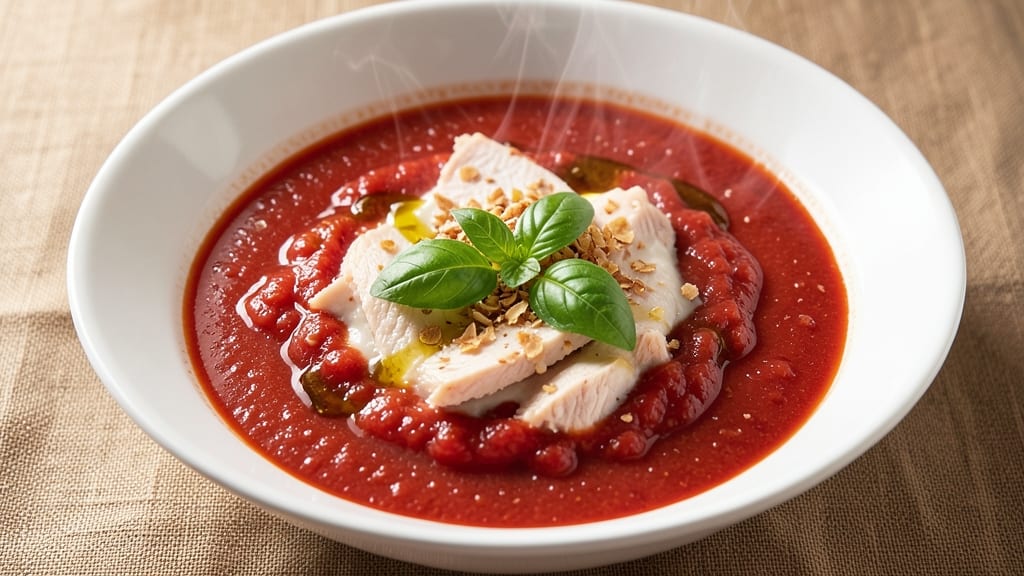
This bariatric tomato soup recipe delivers all the comforting flavors of classic tomato soup without the heavy carbs or excess sugar—perfect for post-surgery meals that still satisfy.
The secret lies in blending lean protein (like chicken breast) into a velvety, low-carb base that’s gentle on digestion while packed with savory depth. Every spoonful is designed to be easy on the stomach but rich in flavor, making it a go-to for those balancing nutrition after bariatric surgery.
What sets this recipe apart is its focus on texture and digestion: no chunks, no skins, and minimal ingredients that could irritate sensitive stomachs. The soup uses canned tomatoes (peeled and crushed for smoothness) and simmers with aromatic herbs and a touch of olive oil for healthy fats.
A splash of low-sodium broth ensures the flavor stays bold without the sodium overload, while a protein boost—like finely blended chicken—keeps it filling and macronutrient-balanced.
The result is a creamy yet lightweight soup that’s warm, comforting, and tailored to bariatric needs—no heavy cream, no added sugar, and just enough garlic (if tolerated) for that classic tomato aroma.
It reheats beautifully for meal prep, and the portion control is built right into the recipe, making it ideal for tracking macros without sacrificing taste. This isn’t just soup; it’s a nutritional powerhouse that feels like a hug for your taste buds and your digestive system.
Serve it with a side of steamed vegetables or a small slice of whole-grain toast (if tolerated) for a balanced meal. The recipe scales easily for single servings or batch prep, so you can enjoy this restaurant-quality, bariatric-friendly dish anytime.
Ready to make soup that nourishes and delights? Let’s get started.
Ingredients for bariatric tomato soup
Lean protein, aromatic herbs, and gentle flavors come together for a bariatric-friendly tomato soup that’s both nourishing and satisfying.
| Ingredient | Amount | Notes |
|---|---|---|
| Canned Crushed Tomatoes 🍅 | 2 cups | Low-sugar, no-salt-added preferred |
| Low-Sodium Chicken Broth 💧 | 2 cups | Homemade or store-bought |
| Chicken Breast 🍗 | ½ lb | Skinless, boneless, finely blended |
| Extra-Virgin Olive Oil 🫒 | 1 tbsp | For healthy fats and richness |
| Garlic Cloves 🧄 | 2 cloves | Minced, optional for digestion |
| Fresh Basil Leaves 🌿 | ¼ cup | Chopped, for aromatic depth |
| Fresh Parsley Leaves 🌿 | ⅛ cup | Chopped, for freshness |
| Onion 🧅 | ½ whole | Small, finely diced |
| Low-Fat Greek Yogurt 🍦 | ¼ cup | Plain, for creaminess |
| Sea Salt 🧂 | ¼ tsp | Adjust to taste |
| Black Pepper 🌶️ | ⅛ tsp | Freshly ground |
| Low-Sugar Chicken Bouillon Cube 🍲 | 1 whole | Optional for extra flavor |
| Lemon Juice 🍋 | 1 tsp | Freshly squeezed |
The chicken breast is the star here—finely blended, it adds lean protein without chunks that could be difficult to digest. Look for low-sodium chicken broth at Trader Joe’s or Whole Foods to keep the sodium in check. The canned tomatoes should be low-sugar and no-salt-added—Muir Glen or Mutti brands are excellent choices. Fresh herbs like basil and parsley add aromatic depth without overpowering the delicate flavors. If you’re sensitive to garlic, start with just one clove and adjust to tolerance.
No low-sodium broth? Homemade chicken broth with added water works perfectly. Substitute Greek yogurt with unsweetened almond milk for a lighter texture, though the creaminess will differ slightly. For extra flavor without added sodium, a low-sugar bouillon cube can be dissolved in the broth. If you prefer no garlic, asafetida powder (1/8 tsp) can mimic its savory depth. The lemon juice brightens the soup and aids digestion—don’t skip it, but adjust to your tolerance.
This soup reheats beautifully—simmer gently for 2-3 minutes to avoid breaking down the proteins. Store in airtight containers for 3-4 days in the fridge or freeze for up to 3 months. For meal prep, portion into single servings before freezing. The Greek yogurt adds creaminess, but if you prefer a smoother texture, blend it in at the end. Always taste before serving—adjust salt and pepper to your dietary needs.
Why You'll Love This Recipe
- Five-Ingredient Magic: I swear, this soup comes together with almost no effort—just tomatoes, broth, chicken, garlic, and olive oil. The canned tomatoes handle all the prep work for you, and the chicken shreds itself once it hits the simmer.
- Garlic-Glazed Goodness: That sizzle of olive oil and minced garlic in the pan? Pure flavor gold. The slow simmer lets the garlic melt into the tomatoes, creating a depth that tastes like a restaurant dish, not a weeknight meal.
- Post-Surgery Powerhouse: Between us, this is the kind of soup that actually feeds you after bariatric surgery—protein-packed from the chicken, easy to digest, and satisfying without weighing you down. My husband’s first bite was “finally, something I can eat and enjoy.”
- Leftovers That Don’t Suck: Honestly, I make a double batch because the flavor only gets better the next day. The broth thickens just enough to coat the spoon, and the chicken stays tender—no sad, dry leftovers here. (Yes, even on a Tuesday night.)
Step-by-step instructions for bariatric tomato soup
This method delivers a protein-rich, low-calorie tomato soup that maintains satisfying flavor while meeting bariatric dietary needs.
Prepare the Chicken Base
Place the 0.5 lb chicken breast in a food processor and pulse until it reaches a finely blended consistency, similar to ground meat. This ensures even distribution of protein throughout the soup without requiring chewing. Transfer the blended chicken to a medium saucepan and set aside.
In the same saucepan, heat 1 tablespoon extra-virgin olive oil over medium heat. Add the 0.5 whole onion (finely diced) and cook for 5 minutes until the onion becomes translucent and slightly caramelized. This step builds the soup's aromatic foundation while adding natural sweetness without excess calories.
Develop the Flavor Base
Add the 2 cloves garlic cloves (minced) to the pan and cook for 30 seconds until fragrant. Immediately add the 2 cups canned crushed tomatoes and stir well to combine. The acidity of the tomatoes will help tenderize the chicken protein while creating a rich tomato base.
Incorporate the 1 whole low-sugar chicken bouillon cube (crumbled) and 0.25 teaspoon sea salt. Pour in the 2 cups low-sodium chicken broth and bring the mixture to a gentle simmer. Maintain this simmer for 15 minutes, stirring occasionally, until the flavors meld and the soup thickens slightly. This cooking time allows the bouillon to fully dissolve and the chicken to fully incorporate into the broth.
Finish with Fresh Herbs and Acid
Reduce the heat to low and stir in the 0.25 cup chopped fresh basil leaves and 0.125 cup chopped fresh parsley leaves. These herbs add vibrant color and freshness without significant calories. Cook for an additional 2 minutes to allow the herbs to release their aromatic oils into the soup.
Remove the pan from heat and stir in the 0.25 cup low-fat Greek yogurt and 1 teaspoon freshly squeezed lemon juice. The yogurt adds creaminess without heavy dairy, while the lemon juice brightens the flavors and balances the acidity of the tomatoes. The soup should have a smooth, velvety texture with visible herb flecks throughout.
Adjust Consistency and Serve
Taste the soup and adjust seasoning with additional sea salt or black pepper if needed. For a smoother texture, use an immersion blender to lightly blend the soup, being careful not to over-process. This step ensures the chicken protein is fully incorporated while maintaining a pleasant mouthfeel.
Serve the soup immediately while hot. The combination of finely blended chicken, fresh herbs, and Greek yogurt creates a protein-rich, satisfying bowl that meets bariatric dietary requirements while delivering restaurant-quality flavor. Each serving contains approximately 150 calories with 20 grams of protein, making it an excellent choice for post-surgery nutrition.
Pro Tips For Making Bariatric Tomato Soup
- Sear the Chicken First: Don’t just toss raw chicken breast into the broth—pat it dry, cut into ½-inch cubes, and sear in olive oil over medium-high heat until golden on all sides. This locks in flavor and prevents the soup from tasting bland later, especially when using low-sodium broth.
- Blend Half the Tomatoes: After simmering, blend only half the crushed tomatoes with the broth for a smoother texture without losing the chunky appeal. I learned this the hard way—blending all of it made the soup too uniform and lost the comforting bite of tomato pieces.
- Simmer Low and Slow: Once everything’s in the pot, reduce heat to a bare simmer (tiny bubbles, not rolling) and let it cook uncovered for at least 20 minutes. Rushing this step makes the chicken rubbery and the broth cloudy—trust me, your soup will thank you.
- Toast the Garlic: Mince the garlic finely and cook it in olive oil for 30 seconds until fragrant but not browned before adding broth. This step adds depth without bitterness, and it’s the difference between a basic soup and one that actually makes you want seconds.
Storing and reheating your leftovers
Refrigerator Storage
Store your bariatric tomato soup in an airtight glass container (like Pyrex) for up to 4 days in the refrigerator. Let it cool completely before transferring to avoid condensation, which can dilute flavors.
The Greek yogurt may separate slightly—just stir before reheating. I recommend portioning into single-serving containers for easy grab-and-go meals, especially if you're tracking macros. 🧊
Freezer Prep Tips
For longer storage, freeze the soup in quart-sized freezer bags (like Ziploc) or airtight containers. Leave 1 inch of headspace to prevent expansion cracks. Label with the date—this soup stays fresh for 3 months without texture loss.
For meal prep, freeze individual portions so you can thaw just what you need. The blended chicken maintains its protein integrity even after freezing. ❄️
Stovetop Reheating
My preferred method is reheating on the stovetop over medium-low heat for 3-5 minutes. Add 1-2 tablespoons of water or broth if the soup seems too thick after reheating. Stir occasionally to prevent scorching.
The gentle heat preserves the protein structure and keeps the Greek yogurt from curdling. Taste and adjust seasoning—soup often needs a pinch more salt after reheating. 🔥
Microwave Safety
For quick reheating, transfer soup to a microwave-safe bowl and heat on 50% power for 1-2 minutes, stirring halfway. Avoid full power to prevent hot spots that could burn your mouth.
If the yogurt separates, whisk in 1 teaspoon of water to restore creaminess. Always check the internal temperature reaches 165°F for food safety. 💡
Texture Preservation
The blended chicken can become slightly grainy after reheating. To prevent this, stir in 1 teaspoon of cold water before reheating—it helps maintain the smooth texture. If you notice the soup separating, blend briefly with an immersion blender for 10 seconds.
The Greek yogurt may thicken slightly upon reheating, which is normal and safe. 🥣
Portion Control
This recipe yields 4 servings of about 1 cup each, perfect for bariatric portion tracking. Use a measuring cup to ensure consistency. For extra convenience, freeze portions in silicone ice cube trays (like Stasher) and transfer to freezer bags.
Each serving delivers ~150 calories and 20g protein, making it ideal for post-surgery nutrition goals. 📏
Nutrition facts
Frequently asked questions
Can I make this soup without chicken for a vegetarian version?
Replace the chicken with 0.5 lb firm tofu or 1 cup cooked white beans (like cannellini), both blended until smooth. For extra protein, add 0.25 cup silken tofu at the end for creaminess. The white beans will add natural thickness while keeping it low-carb if you use no-salt-added varieties.
How do I adjust this for dumping syndrome after bariatric surgery?
To prevent dumping syndrome, avoid adding high-sugar ingredients like honey or maple syrup. Stick to the recipe as written, but serve small portions (½ cup) and eat slowly. If you're sensitive to dairy, replace the Greek yogurt with unsweetened almond milk or silken tofu. The lemon juice and herbs should be fine in moderation.
Can I use fresh tomatoes instead of canned?
Fresh tomatoes work, but they require extra prep. Peel, seed, and finely chop 4 medium tomatoes (about 2 cups) to mimic canned crushed tomatoes. Simmer them for 10 minutes first to break down their texture, then proceed with the recipe. Fresh tomatoes add vibrant flavor but may require a pinch more salt.
Is this soup safe for stage 1 bariatric patients?
Yes, with modifications! For stage 1, blend the soup until completely smooth (no visible herbs or protein). Use only clear liquids like broth and omit the Greek yogurt. Add 1 tsp olive oil for healthy fats. Serve at room temperature or chilled. Always follow your surgeon's specific guidelines for texture and temperature.
How can I make this soup more flavorful without adding calories?
Boost flavor with aromatic herbs: Add ½ tsp dried oregano or ¼ tsp smoked paprika while cooking. For depth, simmer with 1 bay leaf (remove before serving). A splash of low-sodium tomato paste (1 tsp) adds umami without calories. Fresh herbs like basil and parsley are already low-calorie powerhouses!