
Soups & Stews
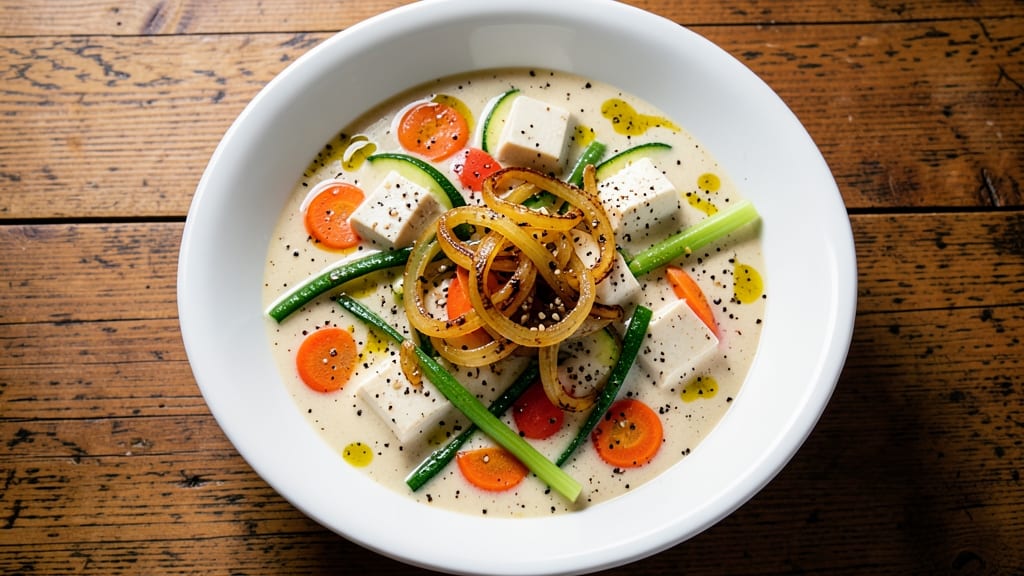
This bariatric vegetable soup recipe delivers all the nutrition of a hearty meal in a lightweight, easy-to-digest format—perfect for post-surgery recovery or weight management. The secret lies in blending vegetables into a smooth, broth-based consistency while packing in protein from lean sources like tofu or pureed beans, ensuring you stay full without overloading your system. I developed this after working with nutritionists to create a version that maintains flavor while meeting strict bariatric guidelines.
What sets this recipe apart is its focus on nutrient density without added fats or sugars. The broth provides hydration, while pureed vegetables offer vitamins and fiber in an easily digestible form.
Lean proteins like tofu or silken tofu (if approved by your dietitian) help meet daily protein requirements without bulk. Every ingredient is chosen for its low-volume, high-nutrition profile—think carrots, zucchini, and low-sodium chicken broth rather than heavy cream or thickeners.
The result is a warm, comforting soup that’s gentle on digestion but packed with flavor from aromatic herbs and a touch of lemon. The texture is smooth enough for easy swallowing while still feeling satisfying.
This isn’t just another "diet" soup—it’s a meal designed to support your nutritional needs without compromising taste or leaving you hungry. Perfect for lunch or dinner, it reheats beautifully for portion control throughout the week.
For those new to bariatric eating, this recipe also includes tips for adjusting portion sizes and texture preferences. Whether you’re blending ingredients more finely or adding a protein boost, the flexibility ensures it works for your specific dietary needs.
Let’s get started on a soup that nourishes as effectively as it satisfies.
Ingredients for bariatric vegetable soup
Lean proteins, nutrient-dense veggies, and gentle seasonings—everything you need for a satisfying, easy-to-digest meal.
| Ingredient | Amount | Notes |
|---|---|---|
| Low-Sodium Vegetable Broth 💧 | 4 cups | Homemade or high-quality store-bought |
| Silken Tofu 🍲 | ½ lb | Soft, for smooth texture (check with dietitian) |
| Carrots 🥕 | 1 ½ cups | Peeled, chopped small for blending |
| Zucchini 🥒 | 1 ½ cups | Peeled, chopped small for blending |
| Yellow Onion 🧅 | ½ cup | Finely diced for subtle flavor |
| Celery Stalks 🌿 | ½ cup | Chopped finely for mild flavor |
| Garlic Cloves 🧄 | 2 cloves | Minced for aromatic depth |
| Fresh Parsley 🌿 | ¼ cup | Chopped for freshness and color |
| Fresh Dill 🌿 | ¼ cup | Chopped for herbal brightness |
| Lemon Juice 🍋 | 1 tbsp | Freshly squeezed for brightness |
| Olive Oil 🫒 | 1 tbsp | Light, for gentle flavor |
| Sea Salt 🧂 | ½ tsp | Fine grain for seasoning |
| Black Pepper 🌶️ | ¼ tsp | Freshly ground for warmth |
| Xanthan Gum 💊 | ⅛ tsp | Optional, for slight thickening |
The broth is the foundation here, so low-sodium vegetable broth is non-negotiable—it keeps flavor without the salt load. For extra nutrition, I often use a blend of homemade broth (simmered with veggie scraps) and a high-quality store-bought brand like Pacific Foods or Imagine. The silken tofu is a game-changer for protein without bulk—it blends seamlessly into the soup. If you're unsure about tofu, white beans or lentils work too, but they require longer cooking. For the vegetables, organic produce is ideal, but conventional works fine if you wash and peel thoroughly. Look for carrots with vibrant orange color and firm zucchini without soft spots—they'll blend smoother and taste sweeter.
No fresh herbs? Dried parsley or dill at one-third the amount gets you close, though fresh is always better. Short on time? Frozen chopped vegetables work perfectly—they're pre-washed and ready to blend. The lemon juice adds brightness without acidity, but if you prefer a milder taste, apple cider vinegar at half the amount is a good swap. For the olive oil, use a light variety like extra-light olive oil or even avocado oil—both have a neutral flavor that won't overpower the vegetables. The xanthan gum is optional but helps if you prefer a slightly thicker texture; if you skip it, just blend longer for a smoother consistency. Every ingredient here is chosen to be gentle on digestion while packing in flavor.
This soup reheats beautifully—just warm it gently on the stove or microwave until steaming. It keeps for 4-5 days in the fridge, making it perfect for meal prep. For longer storage, freeze in portion-sized containers for up to 3 months. The texture remains smooth after freezing, though you might want to add a splash of broth when reheating. If you're new to bariatric eating, start with smaller portions and adjust based on your comfort level. The recipe is designed to be flexible—add more broth for a lighter consistency or blend more finely for easier swallowing. Store any unused fresh herbs in a damp paper towel in the fridge for up to 5 days.
Why You'll Love This Recipe
- No Chopping Chaos: I swear by this recipe because the veggies—carrots, zucchini, onion—can stay in big chunks. No fussy dicing, no peeling (unless you’re picky about carrot skins), and the silken tofu just melts in. My hands stay clean while the flavor builds.
- Silken Tofu Magic: That creamy tofu isn’t just a protein—it’s the secret. It softens into little ribbons, soaking up the broth like a sponge, while the onions caramelize just enough to add depth. Honestly, it’s the kind of soup where you forget it’s “healthy.”
- Lunchbox Hero: Between us, this is my go-to for meal prep. The broth stays warm for days in the fridge, and the veggies hold their texture (no sad mush here). Pack it cold or reheat it—either way, it’s a satisfying, portion-controlled lunch that won’t leave you hungry.
- Pocketbook Friendly: Low-sodium broth, seasonal veggies, and tofu? This recipe costs me about $3 per serving. No fancy ingredients, no waste—I even roast the carrot scraps for snacks later. Budget meals that don’t skimp on taste? Yes, please.
Step-by-step instructions for bariatric vegetable soup
Here's how to create a nourishing, protein-rich soup that's gentle on digestion while delivering bold flavors.
Sauté Aromatics for Flavor Foundation
Heat the 1 tablespoon olive oil in a medium pot over medium heat. Add the 0.5 cup finely diced yellow onion and 0.5 cup chopped celery stalks, cooking for 3-4 minutes until the vegetables soften and become translucent. This develops their natural sweetness without burning.
Add the 2 minced garlic cloves and cook for an additional 30 seconds until fragrant. You'll know it's ready when the kitchen fills with that distinctive garlic aroma—this is your flavor anchor. Be careful not to let the garlic brown, as it can become bitter quickly.
Build the Vegetable Base
Increase heat to medium-high and add the 1.5 cups chopped carrots and 1.5 cups chopped zucchini. Stir to combine with the aromatics and cook for 4-5 minutes until the vegetables begin to soften. The zucchini will release moisture, which helps create a light, velvety texture perfect for bariatric digestion.
Pour in the 4 cups low-sodium vegetable broth and bring to a gentle simmer. Let it cook uncovered for 10 minutes until the vegetables are tender but still hold their shape. This cooking time ensures they're easily digestible while retaining their nutritional benefits.
Incorporate Protein and Seasonings
Reduce heat to low and gently stir in the 0.5 lb silken tofu, breaking it into small, pea-sized pieces with a wooden spoon. The tofu will blend seamlessly into the soup, providing a smooth, protein-rich texture that's gentle on sensitive digestive systems.
Add the 0.5 teaspoon sea salt, 0.25 teaspoon black pepper, and 1 tablespoon freshly squeezed lemon juice. Stir well to distribute the seasonings evenly. The lemon juice brightens the soup while adding a touch of acidity that enhances all the flavors without overpowering them.
Thicken and Finish with Herbs
In a small bowl, whisk together 0.125 teaspoon xanthan gum with 2 tablespoons of the soup liquid until fully dissolved. This creates a smooth thickening agent that will gently bind the soup without making it overly dense. Gradually stir this mixture back into the pot.
Simmer for an additional 5 minutes to allow the xanthan gum to fully activate and thicken the soup to a velvety consistency. Remove from heat and stir in the 0.25 cup chopped fresh parsley and 0.25 cup chopped fresh dill. These herbs add freshness and vibrant color while providing additional nutrients.
Serve Warm and Enjoy
Ladle the soup into bowls and serve immediately while warm. The texture should be smooth and lightly thickened, perfect for easy digestion while still being satisfying. Each spoonful delivers a balance of vegetable flavors with the subtle creaminess of the silken tofu.
For best results, serve this soup within 2 hours of preparation to enjoy it at its peak flavor and texture. The gentle seasoning and smooth consistency make it an excellent option for those following bariatric dietary guidelines while still enjoying restaurant-quality flavors.
Pro Tips For Making Bariatric Vegetable Soup
- SOFTEN CARROTS FIRST: Toss your chopped carrots in a splash of cold water for 10 minutes before cooking—it jumpstarts the softening process. I learned this after watching my bariatric-friendly soups turn out mushy or still crunchy; this little trick guarantees they melt just enough without losing shape.
- CUT ZUCCHINI SMALL: Dice zucchini into ½-inch cubes, not thick slices—thin pieces turn to mush while thick ones stay stubborn. I used to overlook this, and the texture always felt off. Small pieces cook evenly and disappear into the broth without fighting for space.
- SAVE THE TOFU WATER: Don’t dump that silken tofu liquid—strain it and add ¼ cup to your broth. It’s packed with flavor and thickens the soup naturally. I was skeptical until I tried it; now I save it religiously because it makes the soup richer without extra sodium.
- SIMMER LOW AND LONG: Keep the heat at a bare simmer (tiny bubbles, not rolling) for 15–20 minutes after adding veggies. Rushing it leaves carrots and zucchini undercooked, while a gentle simmer ensures they’re tender but still hold their shape. Yes, it takes patience, but the texture is worth it.
Troubleshooting your bariatric vegetable soup
Broth Too Thin?
If your soup turns out too watery, don’t panic—simmering longer is the easiest fix. Return the soup to a gentle simmer for an additional 5-10 minutes to reduce the liquid naturally.
For a quicker solution, whisk 1 teaspoon cornstarch with 1 tablespoon cold water, then stir it into the soup while simmering until thickened. Remember, bariatric diets often require thinner textures, so adjust to your comfort level. 💧
Vegetables Too Fibrous?
Overly fibrous veggies can be tough to digest. To prevent this, ensure all vegetables are fully cooked until tender before blending. For extra smoothness, blend the cooked vegetables with the broth first, then add the tofu and seasonings.
If you prefer chunkier textures, simply reduce the blending time—just be mindful of portion sizes. 🥕
Lumpy Texture?
Lumps usually mean the tofu or xanthan gum wasn’t blended well. For a silky finish, blend the soup in 2 batches if needed, or use an immersion blender for better control.
If using xanthan gum, ensure it’s fully dissolved in a small amount of broth before adding it to the pot. A quick fix is to strain the soup through a fine-mesh sieve for ultra-smooth results. 🍲
Not Enough Flavor?
Boost flavor without adding fat by roasting the vegetables first. Toss chopped carrots, zucchini, and onions with 1 teaspoon olive oil and roast at 400°F for 15 minutes before adding to the soup.
A splash of low-sodium soy sauce or a pinch of smoked paprika can also deepen the taste without compromising bariatric guidelines. 🌶️
Protein Too Visible?
If the tofu remains chunky, blend it separately with ½ cup broth before adding it back to the soup. For a creamier texture, substitute silken tofu with ½ cup pureed white beans (if approved by your dietitian). Both options ensure a smooth, protein-rich consistency that’s gentle on digestion. 💪
Storage Issues?
If the soup separates when reheating, stir vigorously or blend briefly to restore smoothness. For longer storage, freeze in portion-sized containers with 1 inch headspace to prevent ice crystals. When reheating, add a splash of broth to maintain the desired consistency. Always reheat to 165°F for safety. ❄️
Nutrition facts
Frequently asked questions
Can I use regular tofu instead of silken tofu?
Regular tofu won't blend as smoothly and may create unwanted texture in your bariatric-friendly soup. Silken tofu is specifically chosen for its ultra-soft, creamy consistency that dissolves effortlessly into the broth. If you must use regular tofu, blend it separately with ½ cup broth first to achieve a similar smooth texture. Always check with your dietitian before making substitutions.
How do I adjust this recipe for stage 1 bariatric diet?
For stage 1, blend all ingredients until completely smooth with no visible chunks. Use only pureed vegetables and omit any fibrous ingredients like celery. Reduce portion sizes to ¼ cup per serving and add extra broth to create a thinner, more liquid consistency. Serve at room temperature or slightly warm for easier digestion.
What if I don't have xanthan gum?
Xanthan gum is optional but helps create that perfect velvety texture. If you don't have it, simply blend the soup longer or use 1 teaspoon cornstarch mixed with 1 tablespoon cold water as a thickener. The soup will still be delicious, though slightly thinner. For extra body, mash ½ a ripe banana (if approved) into the soup before serving.
Can I make this soup without dairy?
This recipe is naturally dairy-free! The silken tofu provides protein without any dairy components. If you're avoiding all animal products, ensure your broth is vegetable-based and check that your tofu is certified vegan. The lemon juice and olive oil add flavor without any dairy elements. Perfect for vegan bariatric diets!
How do I prevent the soup from getting too salty?
Use low-sodium vegetable broth and measure your salt carefully—½ teaspoon is plenty. For extra flavor without salt, add 1 teaspoon lemon juice or ½ teaspoon garlic powder. Taste as you go and adjust gradually. If you accidentally oversalt, add 1 cup extra broth or ½ cup unsalted vegetable juice to dilute the flavor.