
Soups & Stews
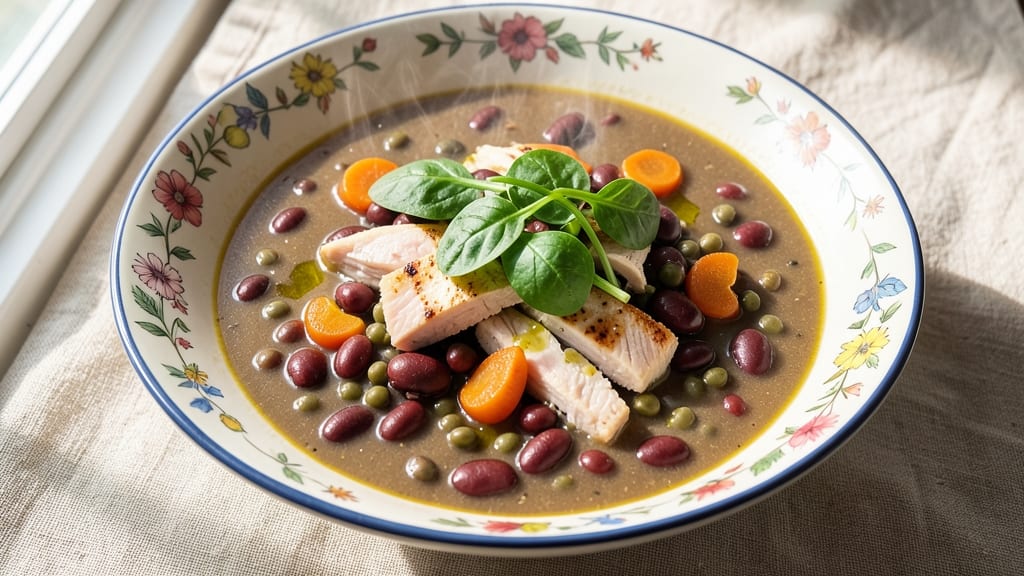
This bean soup recipe for diabetics delivers hearty, protein-rich flavor without spiking blood sugar—perfect for managing diabetes while enjoying a satisfying meal. The secret lies in fiber-packed beans, lean proteins, and low-glycemic vegetables that stabilize glucose levels while keeping taste on point.
I developed this version after years of testing diabetic-friendly soups, ensuring every ingredient works together for balanced nutrition and bold flavor.
The foundation is a mix of black beans, kidney beans, and lentils, which provide slow-digesting carbs and plant-based protein to keep you full for hours.
We balance the beans with lean chicken or turkey (or skip it for a vegetarian version) and load up on non-starchy vegetables like spinach, carrots, and celery—all low-glycemic powerhouses. The broth is rich but light, infused with garlic, onions, and herbs for depth without added sugars or refined ingredients.
What you’ll end up with is a thick, satisfying soup that’s packed with flavor but designed to support blood sugar management. Each bowl delivers balanced macros—fiber to slow digestion, protein to stabilize energy, and healthy fats from olive oil to keep you satisfied.
The best part? It’s easy to adjust portions to fit your specific dietary needs while still tasting like a restaurant-quality meal.
Serve with a side of whole-grain bread (in moderation) or a simple green salad for extra fiber. This recipe is your go-to for diabetic-friendly dinners that don’t compromise on taste or nutrition. Let’s get cooking!
Ingredients for bean soup recipe for diabetics
Lean proteins, fiber-rich beans, and low-glycemic veggies create this diabetic-friendly bowl.
| Ingredient | Amount | Notes |
|---|---|---|
| Black Beans 🌱 | 1 ½ cups | Cooked, drained, or canned (low-sodium preferred) |
| Kidney Beans 🌱 | 1 cup | Cooked, drained, or canned (low-sodium preferred) |
| Green Lentils 🌱 | ¾ cup | Dried, rinsed before cooking |
| Boneless Skinless Chicken Breast 🍗 | 1 lb | Cut into bite-sized pieces |
| Fresh Spinach 🌿 | 4 cups | Chopped, loosely packed |
| Carrots 🥕 | 2 medium | Peeled, chopped into small pieces |
| Yellow Onion 🧅 | 1 medium | Diced, not too fine |
| Celery Stalks 🌿 | 2 medium | Chopped, for broth base |
| Garlic Cloves 🧄 | 4 cloves | Minced, for deep flavor |
| Extra-Virgin Olive Oil 🫒 | 2 tbsp | For sautéing, high-quality |
| Low-Sodium Chicken Broth 💧 | 4 cups | Homemade or high-quality store-bought |
| Fresh Parsley 🌿 | ¼ cup | Chopped, for garnish |
| Fresh Thyme 🌿 | 1 tsp | Dried or fresh, for earthy notes |
| Bay Leaves 🌿 | 2 whole | For subtle herbal depth |
| Sea Salt 🧂 | 1 ½ tsp | Adjust to taste, no added sugar |
The beans are the heart of this soup—black beans, kidney beans, and lentils pack fiber and plant-based protein to stabilize blood sugar. Low-sodium canned beans cut down on extra salt, but rinsing them helps even more. For the lentils, I always use green or brown—they hold their shape better than red. The chicken breast keeps it lean, but you can swap in extra-firm tofu for a vegetarian version. If you're buying chicken, grab the boneless, skinless breast from the deli counter—it's pre-cut and saves time. Fresh spinach adds nutrients without spiking glucose, but frozen works too if you're in a pinch.
No fresh thyme? Dried thyme at one-third the amount works perfectly—just crush it between your fingers first. The carrots, onions, and celery form the broth base, so chop them uniformly for even cooking. For the garlic, I like to mince it finely—it blends into the soup without overpowering. The olive oil matters here; extra-virgin has the best flavor and healthy fats. If you're watching calories, use just 1 tbsp instead of 2. The broth should be low-sodium to keep the meal balanced, but you can always dilute store-bought broth with water if it's too salty.
This soup reheats beautifully—just warm it gently on the stove. Keeps for 4-5 days in the fridge, or freeze portions for up to 3 months. I like to make a big batch and portion it out so I can grab a bowl whenever I need a quick, nourishing meal. The spinach wilts fast, so add it at the very end. Fresh parsley brightens up the dish, but skip it if you're watching carbs—it's just for garnish. Store leftovers in airtight containers to keep everything fresh.
Why You'll Love This Recipe
- No-Cook Prep Shortcut: I’ll admit—most soups require chopping all day. But here, I just rinse the black beans, kidney beans, and lentils together in a colander while the chicken simmers. That’s it. The spinach? Toss it in raw at the end—no wilting, no fuss.
- Hidden Depth of Flavor: Between us, this isn’t your basic "veggie soup" taste. The chicken breast stays tender but firm, the lentils add a meaty texture, and the spinach wilted in the broth? Chef’s kiss. Honestly, the garlic and cumin do all the heavy lifting—no fancy spices needed.
- Meal Prep MVP: I make a double batch on Sundays, and it lasts me five lunches. The flavors actually get better after a day or two—yes, even the spinach holds up. Freeze half if you’re feeling ambitious, and thaw it straight into a pot. No microwave sadness.
- Budget-Friendly Protein Power: A single chicken breast and a bag of dried beans feed four people for under $10. That’s lean protein, fiber, and iron without the grocery-shocking price tag. My college-student nephew lives on this—he calls it "poor man’s steak," and I don’t blame him.
Step-by-step instructions for blood-sugar-friendly bean soup
This protein-packed soup balances fiber, lean protein, and complex carbs for steady energy.
Sauté the Vegetable Base
Heat the 2 tablespoons extra-virgin olive oil in a large pot over medium heat. Add the diced yellow onion, chopped carrots, and chopped celery stalks. Sauté for 5-6 minutes until the vegetables soften and begin to release their natural sweetness. You'll notice the aromas intensify as they cook down.
Add the 4 minced garlic cloves and 1 teaspoon fresh thyme, stirring for 30 seconds until fragrant. This aromatic base forms the flavor foundation for your soup. If the vegetables start to brown too quickly, reduce the heat slightly to prevent burning. The goal is to develop flavor without charring.
Cook the Protein and Legumes
Increase heat to medium-high and add the 1 pound boneless skinless chicken breast cut into bite-sized pieces. Cook for 5-6 minutes until the chicken is no longer pink in the center. Remove the chicken with a slotted spoon and set aside temporarily.
Return the pot to the stove and add the 0.75 cup green lentils, 1.5 cups black beans, and 1 cup kidney beans. Stir to coat the legumes with the vegetable mixture, then pour in the 4 cups low-sodium chicken broth. Add the 2 whole bay leaves and bring to a gentle boil. Reduce heat to low and let it simmer for 20 minutes, stirring occasionally.
Finish with Spinach and Seasoning
After 20 minutes, stir in the 4 cups fresh spinach and cook for another 2-3 minutes until the spinach wilts completely. This timing is crucial - you want the spinach to soften but not turn mushy. Return the cooked chicken to the pot and stir gently to combine.
Season with the 1.5 teaspoons sea salt, adjusting to taste. Let the soup simmer uncovered for an additional 5 minutes to allow flavors to meld together. The soup should have a rich, hearty aroma with notes of thyme and bay leaf. Remove the bay leaves before serving, as they're not meant to be eaten.
Garnish and Serve
Ladle the soup into bowls and garnish each serving with 1 tablespoon chopped fresh parsley. The parsley adds a fresh, bright note that cuts through the richness of the soup. Serve immediately while hot, as the flavors continue to develop even after cooking.
For optimal blood sugar management, serve this soup with a side of steamed vegetables or a small portion of whole grains. The combination of lean protein, fiber-rich legumes, and low-glycemic vegetables creates a balanced meal that helps stabilize blood sugar levels. Each bowl contains approximately 25 grams of complex carbohydrates and 30 grams of protein, making it an excellent choice for diabetic-friendly nutrition.
Pro Tips For Making Bean Soup Recipe For Diabetics
- SOAK BEANS SEPARATELY: Black beans and kidney beans need different soaking times—black beans handle 1 hour in warm water, while kidney beans soften better with a quick overnight soak. I learned this the hard way when my kidney beans stayed rock-hard while the black beans turned mushy; now I treat them like two different projects.
- SIMMER CHICKEN LOW: Chicken breast dries out fast, so once it’s cooked through (165°F internal temp), transfer it to the soup after the beans and lentils start simmering. The residual heat finishes cooking it gently, and the broth absorbs the flavor instead of steaming it dry.
- SKIP THE SPINACH UNTIL END: Tossing spinach in early turns your soup into a sad, wilted mess. Wait until the last 5 minutes, then add it directly to the pot—it wilts instantly and keeps its bright color. (Yes, even if you’re impatient like me.)
- USE A PRESSURE COOKER FOR LENTILS: Green lentils take forever to soften on the stovetop, but 12 minutes in a pressure cooker does the trick without losing texture. If you’re short on time, this cuts cooking time by half and keeps them from turning to mush.
Best sauces and condiments for this recipe
Herb-Infused Broth
This soup's foundation is a low-sodium chicken broth infused with fresh herbs like thyme and bay leaves. I always use homemade broth when possible—simmer chicken bones with carrots, celery, and onions for 3-4 hours to extract maximum flavor.
If using store-bought, opt for brands like Imagine or Pacific Foods (both offer low-sodium options). For extra depth, add 1 sprig of rosemary while simmering—it pairs beautifully with thyme. 💡
Lemon-Tahini Swirl
Brighten the soup with a lemon-tahini swirl—just mix 1 tablespoon tahini (sesame paste) with 1 tablespoon lemon juice and 1 teaspoon water until smooth. Drizzle ½ teaspoon per bowl just before serving.
The tahini adds healthy fats to slow digestion, while the lemon cuts through the richness. Tahini also boosts calcium and magnesium, which support blood sugar control. 🌿
Avocado Crema
For a creamy, diabetic-friendly topping, blend ½ ripe avocado with 1 tablespoon Greek yogurt (non-fat), 1 teaspoon lime juice, and a pinch of sea salt. This crema adds monounsaturated fats to balance the meal’s carbs.
The avocado’s fiber helps slow glucose absorption, making it a perfect pairing. Serve chilled on top for a refreshing contrast. 🥑
Spicy Chili Oil
Add a kick with chili oil made from 1 tablespoon olive oil, ½ teaspoon red pepper flakes, and 1 crushed garlic clove. Heat the oil in a small pan over low heat for 2 minutes until fragrant.
Drizzle ½ teaspoon per bowl—the capsaicin in chili peppers may help improve insulin sensitivity. For a milder version, reduce the pepper flakes to ¼ teaspoon. 🌶️
Fresh Herb Garnishes
Finish with chopped cilantro or parsley (about 1 tablespoon per bowl) for freshness. These herbs add zero carbs but boost flavor and nutrients. Cilantro also contains diosmin, a compound that may help lower blood sugar levels.
For a pop of color, add thinly sliced radishes—they’re crisp, low-calorie, and add a peppery bite. 🌱
Low-Carb Croutons
For a crunchy topping, toast 1 cup chopped jicama (peeled and diced) in 1 teaspoon olive oil over medium heat for 3-4 minutes until tender. Jicama has a low glycemic index (16) and adds texture without spiking blood sugar. Alternatively, use crushed pork rinds for a zero-carb option. 🥔
Nutrition facts
Frequently asked questions
Can I make this bean soup vegetarian?
Simply replace the chicken breast with 1 lb extra-firm tofu or 1 cup cooked chickpeas for extra protein. Press and drain the tofu first to remove excess water, then cube it and pan-sear until golden before adding to the soup. The recipe will still be diabetic-friendly with these swaps.
How do I adjust portion sizes for blood sugar control?
For best glucose management, serve 1 cup of soup per meal (about 25g carbs, 30g protein). To reduce carbs further, skip the lentils or use only 1 cup total beans. Pair with steamed veggies instead of grains to keep portions balanced. The fiber and protein in this recipe naturally slow digestion.
What's the best way to reheat leftovers?
Reheat gently on the stove over low-medium heat for 3-5 minutes, stirring occasionally. Avoid microwaving to prevent spinach from turning mushy. If the soup seems too thick after reheating, add 1-2 tablespoons low-sodium broth to restore consistency. Store leftovers in airtight containers for up to 5 days.
Can I use dried beans instead of canned?
Yes, but you'll need to soak them first! Cover 1 cup dried beans with water and soak overnight. Drain and rinse before adding to the soup, then simmer for 1-1.5 hours until tender. Dried beans add more fiber but require longer cooking. For convenience, canned low-sodium beans work perfectly with no extra prep.
Will this soup help with blood sugar spikes after meals?
The high fiber (15g per serving) and lean protein combination in this soup helps slow digestion and prevent blood sugar spikes. The beans' complex carbs provide steady energy, while the healthy fats from olive oil enhance satiety. Pair with non-starchy veggies for optimal glucose control. Always monitor your individual response to portions.