
Soups & Stews
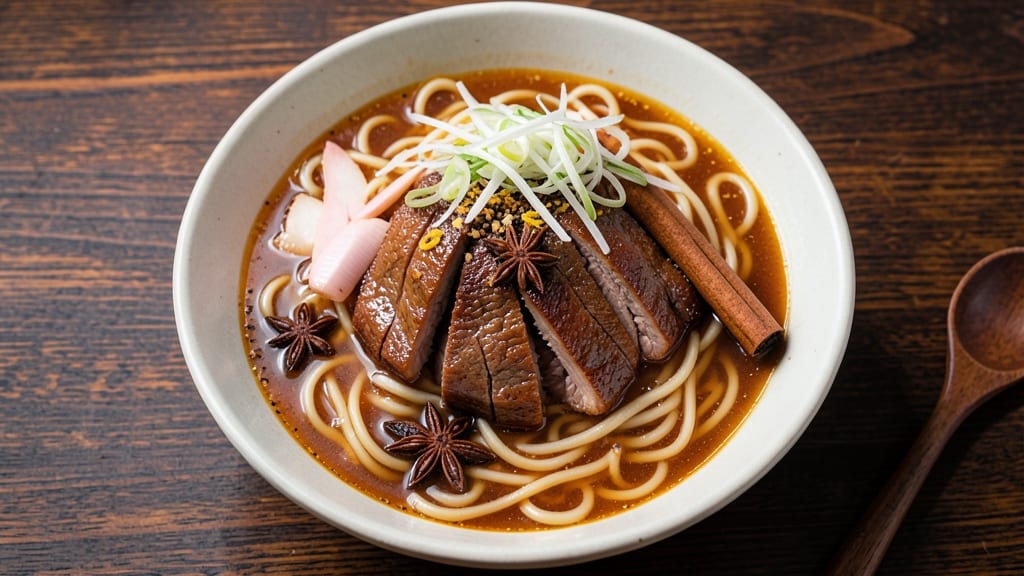
This Hong Kong-style beef brisket noodle soup delivers deep, smoky flavors and tender brisket that melts in your mouth—just like the bowls you'd find in bustling Cantonese eateries.
The secret lies in slow-braising the brisket until it's fork-tender, then simmering it in a rich, aromatic broth infused with star anise, cinnamon, and soy sauce. Every spoonful combines silky noodles, tender beef, and a broth so flavorful it tastes like it's been simmering for hours.
The recipe balances authenticity with home-cook practicality, using simple ingredients to create restaurant-quality results. You'll start with brisket that's marinated and braised until it practically falls apart, then build a fragrant broth that forms the heart of the soup.
Fresh egg noodles soak up the rich flavors perfectly, while traditional garnishes like green onions and chili oil add brightness and heat.
What makes this dish truly special is how the flavors develop—a slow dance of spices and meat that creates harmony in every bite. The broth is deeply savory yet balanced, the brisket tender yet flavorful, and the noodles just the right texture to complement everything.
This is comfort food at its finest, perfect for chilly evenings or when you need a meal that feels like a hug.
Serve with crisp lettuce cups for dipping or a side of steamed greens to round out the meal. The recipe scales beautifully, so you can easily double it for gatherings. Let's create this authentic Hong Kong classic that will become your new favorite weeknight dinner.
Ingredients for beef brisket noodle soup hong kong
Deep umami flavors and tender brisket—this Hong Kong classic needs just 15 simple ingredients.
| Ingredient | Amount | Notes |
|---|---|---|
| Beef Brisket 🥩 | 1 ½ lb | Flat cut, trimmed of excess fat |
| Egg Noodles 🍜 | 8 oz | Fresh or dried, wide egg noodles |
| Star Anise 🌿 | 2 whole | For deep aromatic flavor |
| Cinnamon Sticks 🌿 | 2 whole | For warmth and depth |
| Fresh Ginger 🧅 | 2 tbsp | Grated, fresh preferred |
| Garlic Cloves 🧄 | 6 cloves | Peeled, roughly chopped |
| Light Soy Sauce 🥄 | ½ cup | For umami depth |
| Dark Soy Sauce 🥄 | 1 tbsp | For rich color |
| Shaoxing Wine 🍷 | ¼ cup | Or dry sherry substitute |
| Sesame Oil 🫒 | 1 tbsp | For finishing aroma |
| Green Onions 🧅 | ½ cup | Sliced, for garnish |
| Chili Oil 🌶️ | 2 tbsp | For heat and color |
| Water 💧 | 6 cups | For broth base |
| Salt 🧂 | 1 ½ tsp | Adjust to taste |
| White Peppercorns 🌶️ | ½ tsp | Ground for subtle heat |
The brisket is non-negotiable here. Flat cut gives you that signature texture—point cut stays tougher. Most grocery stores carry it near the beef roasts, but Costco or Asian markets often have better cuts. Trim any thick fat before cooking, but leave a thin layer for flavor. Fresh ginger and garlic are worth the trip to the market—the more vibrant, the better. Star anise and cinnamon sticks can be found in the spice aisle or Asian section, but if you're short on time, ground versions work at half the amount.
No Shaoxing wine? Dry sherry or even a splash of rice vinegar gets you close. Fresh egg noodles are ideal, but dried works in a pinch—just cook them al dente. The soy sauces matter: light for umami, dark for color. If you can only find one, use light and add a teaspoon of molasses for depth. Chili oil? Store-bought is fine, but homemade (chili flakes + oil) is a game-changer. The sesame oil goes in last—don't cook it, just drizzle it on top for that signature aroma.
This soup tastes even better the next day as flavors meld. Store in the fridge for 4-5 days—the broth gets richer over time. For freezing, portion the broth and noodles separately. The brisket reheats beautifully, but add a splash of water to prevent drying. Garnish with extra green onions and chili oil right before serving. Leftovers? Double the batch—it disappears fast.
Why You'll Love This Recipe
- Slow-Simmer Magic: That brisket? It practically melts into tender, pull-apart goodness after hours on low heat. Honestly, the star anise and cinnamon sticks do most of the work—just toss them in with the broth and forget about them until the aroma hits you like a warm hug.
- One-Pot Wonder: No chopping, no fuss—just slice the brisket, simmer it with ginger and spices, then dump in the noodles at the end. Between us, this is the kind of soup where cleanup is just rinsing one pot. My lazy Sundays thank me every time.
- Budget Feeds Crowds: A single brisket stretches for days, and the spices cost pennies. I’ve made this for date nights, sick-day recovery, and even a last-minute dinner for six—no one ever leaves hungry, and my wallet stays happy.
- Leftovers That Taste Better: Cold the next day? Even richer. The flavors deepen as the spices infuse longer, and reheating turns it into a quick lunch. I’ll be real: my kids actually ask for the leftovers, which never happens with most soups.
Step-by-step instructions for Hong Kong-style beef brisket noodle soup
This rich, aromatic soup delivers deep smoky flavors and silky noodles in just a few simple steps.
Prepare and Sear the Beef Brisket
Begin by trimming any remaining fat from the 1.5 lb beef brisket to about ¼-inch thickness. Cut the brisket into 4 even pieces (about 4 oz each) for even cooking. In a large pot, heat 1 tablespoon sesame oil over medium-high heat until shimmering. Working in batches, sear the brisket pieces for 2-3 minutes per side until they develop a deep golden-brown crust. This step builds intense flavor through the Maillard reaction.
Remove the seared brisket and set aside. In the same pot, add 2 tablespoons fresh ginger and 6 cloves garlic cloves, cooking for 30 seconds until fragrant. This aromatics base will infuse the broth with warmth and depth. Don't let the garlic burn—it turns bitter quickly. Keep the seared brisket handy as we'll return it soon.
Build the Aromatic Broth Base
Add 6 cups water, 2 whole star anise, 2 whole cinnamon sticks, 0.5 cup light soy sauce, 1 tablespoon dark soy sauce, 0.25 cup Shaoxing wine, and 1.5 teaspoons salt to the pot. Bring everything to a rolling boil over high heat, then immediately reduce to a gentle simmer. The wine will add brightness while the spices create complex aromatic layers.
Return the seared brisket to the pot, making sure it's fully submerged. Add 0.5 teaspoon ground white peppercorns and 2 tablespoons chili oil (this adds both heat and visual appeal). Partially cover and simmer for 1 hour 15 minutes until the brisket is fork-tender and easily pulls apart. The broth should be deep red with visible fat floating on top—this indicates rich umami development.
Finish the Broth and Cook the Noodles
Once the brisket is tender, remove it from the broth and let it rest on a cutting board for 5 minutes. Shred the meat into thin strips using two forks, discarding any large fat pieces. Return the shredded brisket to the pot and stir gently to combine. Skim off any excess fat if desired, but leave about 1 tablespoon for flavor.
Increase heat to medium-high and bring the broth to a full boil again. Add 8 oz egg noodles and cook for 4-5 minutes until they float to the surface and are al dente. The noodles should be tender but still have a slight bite. Remove from heat and let sit for 2 minutes—this prevents the noodles from becoming mushy when served.
Assemble and Garnish for Perfect Presentation
Ladle the hot noodle soup into 4 deep bowls, dividing the brisket and noodles evenly. Drizzle each serving with 1 tablespoon chili oil and sprinkle with 2 tablespoons sliced green onions. The chili oil adds both heat and a beautiful red hue, while the green onions provide fresh contrast. Stir gently to distribute the chili oil evenly throughout the soup.
Taste and adjust seasoning if needed—add a splash of light soy sauce for more saltiness or a pinch of white peppercorns for extra warmth. Serve immediately with extra green onions on the side for garnish. Each bowl should be packed with tender brisket, silky noodles, and a deeply flavorful broth that coats every spoonful.
Pro Tips For Making Beef Brisket Noodle Soup Hong Kong
- Simmer the Brisket Low and Slow: I learned this the hard way—brisket needs time, not heat. After rushing it on medium-high, I ended up with tough, chewy meat. Instead, keep the broth at a bare simmer (tiny bubbles, just enough to keep it moving) for at least 3 hours. The fat renders slowly, the collagen melts into silk, and the spices infuse properly. Trust the clock, not the flame.
- Slice the Ginger Thin: Thick ginger chunks? They’ll sit like rocks in your soup. My grandmother swore by this: use a mandoline or the sharpest knife you own to slice the ginger paper-thin—almost translucent. This way, it dissolves completely, releasing its warmth without any texture. (Yes, even if you’re impatient like me.)
- Don’t Crowd the Pot: I used to dump everything in at once, thinking it’d cook faster. Wrong. Brisket needs room to breathe—pack it in too tight, and you’ll steam instead of sear. Brown the meat in batches if needed, then add it back to the broth. The Maillard reaction on the outside is what gives that deep, savory base flavor.
- Toast the Spices First: Skip this, and your soup tastes like a spice cabinet exploded—uneven, harsh. Lightly toast the star anise and cinnamon sticks in a dry pan for 30 seconds until fragrant. This deepens their flavor and prevents bitterness. (Pro move: crush the star anise lightly with a mortar and pestle before adding—it releases oils faster.)
Make-ahead tips for this recipe
Broth Prep Ahead
Make the broth the day before for deeper flavor. After simmering the brisket for 1 hour 15 minutes, let it cool completely, then refrigerate. The fat will solidify on top—skim it off before reheating.
When ready to serve, reheat the broth over medium-low heat until steaming, then add fresh noodles and brisket. This method concentrates the flavors beautifully. 💫
Noodle Prep Shortcut
Cook the noodles separately and store them in an airtight container with a light coating of sesame oil to prevent sticking. When assembling, simply reheat the noodles in the hot broth for 1-2 minutes—they'll absorb the flavors instantly.
Fresh egg noodles work best, but dried noodles (like udon) can be pre-cooked and frozen for up to 2 weeks.
Brisket Make-Ahead
Shred the cooked brisket and store it in the refrigerator for up to 3 days or freeze for 3 months. When reheating, add a splash of Shaoxing wine or water to keep it moist.
I like to freeze the brisket in single-serving portions—just thaw overnight in the fridge and toss it straight into the hot broth. This saves time and keeps the meat tender. 🥩
Full Soup Assembly
For maximum convenience, prepare the entire soup (except garnishes) up to 2 days ahead. Store the broth, brisket, and noodles separately in airtight containers. When ready to serve, reheat the broth, add fresh noodles, and stir in the brisket.
Garnish with chili oil and green onions just before eating to keep them vibrant. The flavors actually improve overnight! ✨
Freezer-Friendly
Freeze the broth in quart-sized bags, leaving 1 inch headspace for expansion. Thaw overnight in the fridge, then reheat gently. For noodles, freeze them uncooked in a bag with 1 tablespoon oil—cook directly from frozen in the broth.
The brisket reheats best when thawed first, but you can freeze it raw (uncooked) for up to 3 months and cook it straight from frozen (add 15-20 minutes to the braising time).
Reheating Tips
Reheat the soup gently over low heat to avoid breaking the noodles. If it seems too thick, add ¼ cup hot water to loosen it. For extra richness, stir in 1 teaspoon sesame oil or a splash of light soy sauce while reheating.
Never microwave—it makes the noodles mushy. A stovetop reheat preserves the silky texture perfectly. 🔥
Nutrition facts
Frequently asked questions
What's the difference between flat-cut and point-cut brisket for this soup?
For this Hong Kong-style recipe, flat-cut brisket is ideal—it's leaner and more tender, perfect for shredding. Point-cut has more fat and connective tissue, which can make it tougher when braised. If you only find point-cut, trim excess fat and braise 15-20 minutes longer to ensure tenderness.
Can I substitute beef brisket with another cut?
Yes, but choose wisely! Chuck roast or short ribs work well—they're more forgiving. Avoid lean cuts like sirloin, as they'll dry out. If using chuck, braise for 2 hours instead of 1 hour 15 minutes to break down the meat. Short ribs need 1 hour 30 minutes and stay intact for texture contrast.
How do I adjust the spice level for sensitive eaters?
Reduce the chili oil to 1 tablespoon total (or omit it) and skip the white peppercorns. For warmth without heat, add ½ teaspoon ground Sichuan peppercorns—they're aromatic but not spicy. Garnish with extra green onions instead. The broth's umami from soy sauce and star anise will still shine!
Why does my broth look cloudy instead of clear?
Cloudiness usually means the brisket released too much fat or the broth didn't simmer long enough. Skim excess fat during cooking, and simmer uncovered for the last 10 minutes to reduce. For a clearer broth, strain it through a fine-mesh sieve before adding noodles. The flavor won't suffer—just the appearance!
Can I make this soup in an Instant Pot?
Sear the brisket first, then add all broth ingredients. Cook on High Pressure for 60 minutes, then quick-release. Shred the brisket and finish with noodles cooked separately (they'll overcook in the pressure cooker). The Instant Pot cuts cooking time to 1 hour total—perfect for busy weeknights!