
Soups & Stews
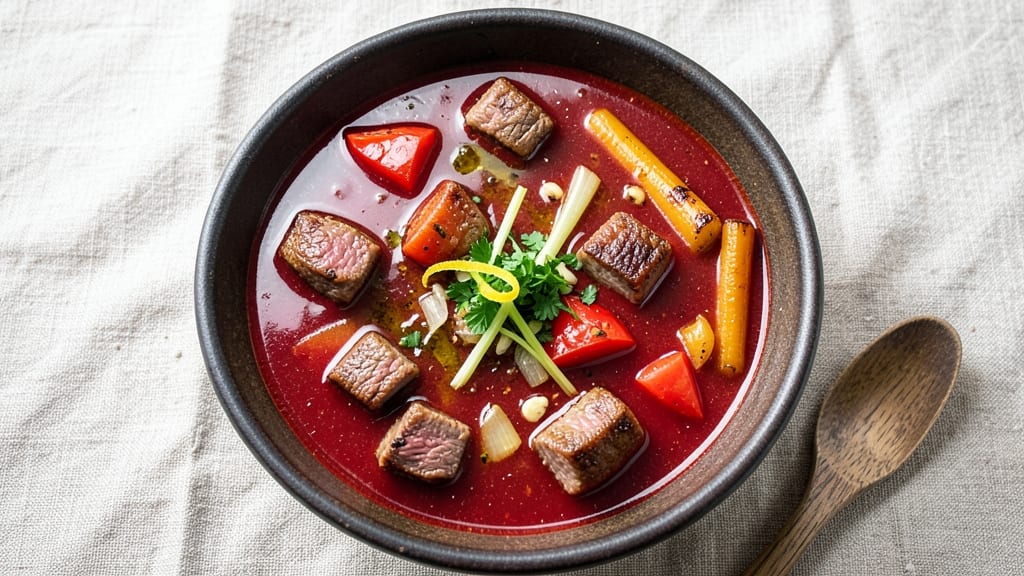
Beef heart soup delivers a deep, umami-rich broth with melt-in-your-mouth tender meat—far beyond typical beef broths. The key lies in properly preparing the heart, a cut often overlooked but packed with flavor and texture when done right. This recipe transforms tough connective tissue into silky, fork-tender bites through precise trimming and slow simmering.
What sets this soup apart is the balance of traditional techniques and modern adaptability. We start with thorough cleaning and trimming to remove any bitter membranes, then slow-cook the heart until it practically falls apart.
The result? A velvety broth infused with natural beefy richness, enhanced by aromatic vegetables and herbs that build complexity over hours of simmering.
By the final spoonful, you'll experience the perfect harmony of textures—silky broth, tender meat, and al dente vegetables—all while reaping the nutritional benefits of this nutrient-dense ingredient. This isn't just soup; it's a complete meal that transforms humble ingredients into something extraordinary.
The beauty of this recipe lies in its versatility. Use it as a standalone hearty meal or pair it with crusty bread to soak up every last drop of that flavorful broth.
The method ensures you'll achieve restaurant-quality results in your own kitchen, with minimal effort once the initial prep is complete.
Ingredients for beef heart soup
Sixteen ingredients transform humble beef heart into velvety, restaurant-quality soup with tender meat.
| Ingredient | Amount | Notes |
|---|---|---|
| Beef Heart 🥩 | 2 lb | Trimmed of fat and membranes |
| Yellow Onion 🧅 | 1 whole | Chopped, medium size |
| Carrots 🥕 | 4 medium | Peeled, cut into chunks |
| Celery Stalks 🌿 | 4 whole | Cut into 1-inch pieces |
| Garlic Cloves 🧄 | 6 cloves | Peeled, smashed |
| Tomatoes 🍅 | 4 medium | Ripe, diced |
| Fresh Thyme 🌿 | ¼ cup | Leaves only, chopped |
| Fresh Bay Leaves 🍃 | 2 whole | For depth of flavor |
| Vegetable Oil 🫒 | ¼ cup | For searing heart |
| Beef Broth 💧 | 6 cups | Homemade or high-quality |
| Red Wine 🍷 | 1 cup | Dry, bold variety |
| Tomato Paste 🍅 | 2 tbsp | For richness |
| Salt 🧂 | 1 ½ tsp | Kosher or sea salt |
| Black Peppercorns 🌶️ | 1 tsp | Freshly cracked |
| Fresh Parsley 🌿 | 0.1 cup | Chopped, for garnish |
The beef heart requires careful preparation—trim all visible fat and membranes before cooking, as these can impart bitterness. Butcher shops often carry whole hearts; ask for a piece with minimal connective tissue. For best results, source hearts from grass-fed cattle, which tend to have better marbling and flavor. If using frozen hearts, thaw overnight in the refrigerator—never at room temperature. The 2 pounds yields ample portions for six servings, with each heart contributing approximately 1/3 pound per bowl.
No red wine? Substitute with additional beef broth and a splash of balsamic vinegar—it adds depth without alcohol. Fresh thyme is ideal, but dried thyme at one-third the amount works in a pinch. The tomatoes should be ripe but firm—heirloom varieties from the farmers market add natural sweetness. For a deeper umami profile, add 1 teaspoon of fish sauce (ensure it's vegetarian-friendly) or an extra tablespoon of tomato paste. The celery and carrots can be swapped for turnips or parsnips for variation, though they'll alter the soup's subtle sweetness balance.
This soup improves with time—reheat gently on the stove for optimal texture, adding a splash of broth if needed. Store in airtight containers for up to 5 days in the refrigerator, where flavors continue to meld. For longer storage, freeze portions in single-serving containers for up to 3 months. The heart will become increasingly tender with reheating, so plan accordingly. Garnish with fresh parsley just before serving to preserve its vibrant color and bright flavor.
Why You'll Love This Recipe
- One-Pot Magic: I swear by this—just toss everything (heart, onion, carrots, celery) into a pot with garlic and broth, then walk away. No fancy gadgets, no stress. The heart practically melts itself while you answer emails or scroll through memes.
- Umami Bomb: That beef heart? It’s the secret weapon—rich, deep, and meaty without being heavy. The garlic and onions caramelize into something so savory, you’ll forget it’s "healthy." (Between us, that’s the best kind of lie.)
- Leftovers That Win: This soup tastes better the next day. Honestly. I make a big batch on Sundays, and by Wednesday, it’s the only thing my kids beg for. Freezer-friendly too—just reheat and pretend you’re fancy.
- Budget Powerhouse: Beef heart is cheaper than steak, but it delivers the same satisfaction. A single package stretches into three meals, and you’re left with change for avocados. (Or more garlic. No judgment.)
Step-by-step instructions for beef heart soup
Master this technique and you'll transform tough beef heart into silky, fork-tender bites bursting with umami depth.
Prepare and Sear the Beef Heart
Begin by trimming the beef heart of all visible fat and membranes using a sharp boning knife. Cut the heart into 1-inch cubes—this size ensures even cooking. Pat the cubes dry with paper towels to promote better browning.
Heat the 0.25 cup vegetable oil in a large Dutch oven over medium-high heat until shimmering. Working in batches, add the beef heart cubes in a single layer, ensuring they don't overcrowd the pan. Sear for 3-4 minutes per side until deeply browned and developing a rich crust. This caramelization forms the flavor foundation of your soup. Transfer the seared heart to a plate and set aside.
Build the Aromatic Base
In the same Dutch oven, reduce the heat to medium and add the chopped yellow onion, carrots, celery stalks, and smashed garlic cloves. Cook for 5-6 minutes, stirring occasionally, until the vegetables soften and the garlic releases its fragrant oils. This step develops the soup's complex flavor profile.
Add the 0.25 cup chopped fresh thyme, 2 whole fresh bay leaves, and 2 tbsp tomato paste. Stir well to coat the vegetables in the paste, which will deepen the soup's richness. Cook for another 2 minutes until the raw taste of the tomato paste disappears. This is where the magic happens—these aromatics form the flavor backbone.
Deglaze and Simmer the Broth
Pour in the 1 cup red wine and scrape up any browned bits from the bottom of the pot using a wooden spoon. This deglazing step captures all the concentrated flavors that would otherwise be lost. Let the wine simmer for 3-4 minutes until it reduces by half and the alcohol burns off.
Add the seared beef heart cubes back to the pot along with the 6 cups beef broth and 1.5 tsp salt. Bring to a gentle boil, then reduce the heat to low and cover partially. Simmer for 1.5 hours, stirring occasionally, until the beef heart becomes fork-tender. The soup should develop a deep, reddish hue and an aroma that fills your kitchen.
Finish with Tomatoes and Season
Stir in the 4 medium diced tomatoes and 1 tsp freshly cracked black peppercorns. Simmer uncovered for an additional 15-20 minutes to allow the tomatoes to break down and release their juices. This step adds brightness and acidity to balance the richness of the beef heart.
Taste and adjust the seasoning if needed—this soup should be deeply savory with a perfect balance of salt, acid, and umami. The beef heart should be so tender it practically falls apart with gentle pressure from your fork. Remove the bay leaves before serving, as they can become bitter when overcooked.
Serve with Fresh Herbs
Ladle the soup into bowls and garnish each serving with 0.1 cup chopped fresh parsley. The parsley adds a fresh, bright contrast to the deep, rich flavors of the soup. Serve immediately while hot, as the flavors continue to develop and meld together.
This soup delivers on its promise of tender beef heart bites in a deeply flavorful broth. The technique of slow simmering transforms what might seem like a challenging cut into something luxurious and comforting. Each spoonful should be a perfect balance of meaty richness, aromatic vegetables, and bright acidity from the tomatoes and wine.
Pro Tips For Making Beef Heart Soup
- SEAR THE HEART FIRST: After I burned the first batch trying to cook the heart straight in broth, I learned to sear it first—2 minutes per side in a screaming-hot pan with oil. The crust locks in flavor and keeps it from turning to mush later, even if you forget to trim every last bit of fat.
- TRIM THE FAT, NOT THE FLAVOR: Skip the butcher’s knife and use kitchen scissors to snip off the thick white fat from the heart before cooking. It’s easier than scraping and leaves the meat tender without losing texture—just don’t go overboard, or you’ll dry it out.
- SIMMER LOW OR RUIN IT: Beef heart needs patience. Once the broth starts bubbling, drop the heat to a bare simmer—just enough to see tiny, lazy bubbles. I used to rush it, and the soup turned grainy and tough. Low and slow makes it melt-in-your-mouth.
- SAUTE THE VEGETABLES FIRST: Don’t just toss onions, carrots, and celery into the pot raw—they’ll turn to mush and make the broth cloudy. Sauté them in oil until the onions are translucent (about 5 minutes) before adding liquid. The extra effort makes the soup look and taste like it came from a restaurant.
Best sauces and condiments for this recipe
Tomato-Based Enhancements
Fresh diced tomatoes brighten the soup with natural acidity that cuts through the richness. For extra depth, I blend 2 cups of the broth with 1 cup diced tomatoes and 1 tbsp tomato paste, then strain it back into the pot.
This creates a silky tomato base that enhances the umami without overpowering the beef heart's natural flavor. 🍅
Creamy Touches
Stir in ½ cup heavy cream or ½ cup coconut milk during the final 5 minutes of simmering for a velvety texture. For a lighter option, blend 1 cup broth with ½ cup ricotta cheese until smooth, then swirl it into each bowl before serving.
This adds richness without making the soup heavy.
Spicy Kicks
Add 1-2 tbsp of hot sauce (like Louisiana Hot Sauce) or ½ tsp red pepper flakes during the last 10 minutes of cooking. For smoky heat, stir in 1 tsp smoked paprika with the tomato paste.
A dash of chipotle powder (about ½ tsp) adds depth and complexity that pairs beautifully with the beef heart.
Herb Infusions
Fresh herbs elevate the soup's brightness. Beyond parsley, try 1 tbsp chopped tarragon or 1 tsp dried oregano for an earthy note. For a Middle Eastern twist, add 1 tbsp chopped mint and a pinch of sumac at the end.
These herbs complement the umami without competing with the beef heart's flavor.
Umami Boosters
Enhance the soup's depth with 1 tsp fish sauce (ensure it's vegetarian-friendly if needed) or 1 tbsp soy sauce. For a meaty richness, add 1 tsp Worcestershire sauce during the final simmer. These ingredients amplify the beef heart's natural umami, making every spoonful more satisfying. 💡
Nutrition facts
Frequently asked questions
Why does beef heart need special preparation before cooking?
Beef heart contains fibrous membranes and connective tissue that can make it tough and bitter if not properly trimmed. Removing the outer membranes and fat ensures tender, flavorful bites. Always ask your butcher to clean the heart before purchasing if possible—this saves time and improves texture.
Can I use frozen beef heart for this recipe?
Yes, but thaw it completely in the refrigerator overnight. Never thaw at room temperature, as this promotes bacterial growth. For best results, pat the thawed heart completely dry before searing to achieve that perfect crust. The texture difference between fresh and properly thawed frozen hearts is minimal.
How do I know when the beef heart is fully cooked?
The heart is done when it's fork-tender and easily shreds with gentle pressure (1.5 hours of simmering). Press a piece with a fork—if it separates cleanly, it's ready. Overcooking can make it mushy, so monitor closely during the final 30 minutes of simmering.
What if I don't have red wine? Can I substitute?
Use 1 cup beef broth plus 1 tablespoon balsamic vinegar for depth, or ½ cup apple cider vinegar for brightness. The key is maintaining acidity—just avoid sweet wines or juices, which will alter the soup's balance.
Can I make this soup in a slow cooker?
Yes, but with adjustments: Sear the heart as directed, then transfer everything (except tomatoes) to the slow cooker. Cook on low for 6-7 hours instead of 1.5 hours on the stove. Add tomatoes and simmer 15 minutes at the end. The texture will be slightly more tender, but the flavor remains rich and satisfying.