
Soups & Stews
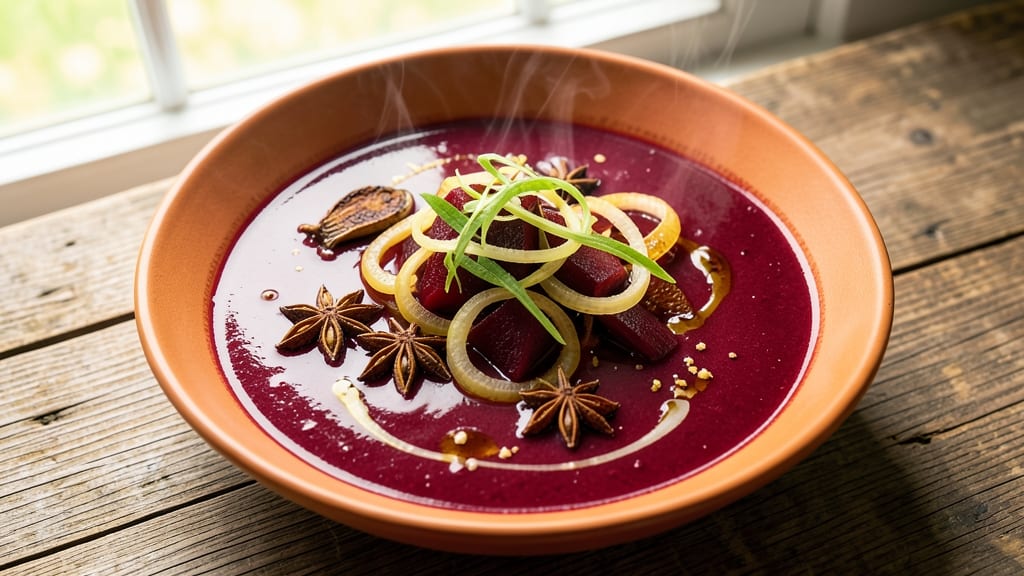
This Chinese beetroot soup transforms humble ingredients into a velvety, earthy bowl that balances sweetness and spice with every spoonful. The secret lies in slow-simmered aromatics—fresh ginger, garlic, and star anise—that build depth while the beets soften into a naturally sweet, vibrant broth.
I developed this recipe after discovering how Chinese home cooks elevate simple vegetables with minimal effort but maximum flavor, and it’s become a staple in my kitchen for its versatility and comforting warmth.
The beauty of this soup is in its adaptability—it’s vegetarian-friendly but easily enriched with shrimp or tofu for a protein boost. Traditional Chinese techniques like high-heat sautéing of aromatics and low-simmering the broth create a rich, aromatic base that’s far more complex than store-bought versions.
The ginger-spiced edge cuts through the beets’ natural sweetness, while a touch of soy sauce and sesame oil adds umami depth that lingers on the palate.
What you’ll end up with is a smooth, velvety soup with a deep ruby hue and layers of flavor that make it equally satisfying as a light lunch or hearty starter.
The texture is impossibly silky, thanks to a blend of simmered beets and a touch of coconut milk (or cream for non-vegan versions), while the garnish of fresh cilantro and chili oil adds brightness and a subtle kick.
It’s the kind of dish that feels both comforting and refined—perfect for chilly evenings or when you crave something nourishing yet sophisticated.
Serve it with steamed rice for a complete meal, or pair it with crusty bread to soak up every last drop of that aromatic broth. The recipe scales effortlessly, making it ideal for meal prep or feeding a crowd.
Here’s how to bring this Chinese-inspired beetroot soup to life in your kitchen.
Ingredients for beetroot soup chinese
Fresh beets and aromatic spices create this velvety Chinese-inspired soup with just 14 ingredients.
| Ingredient | Amount | Notes |
|---|---|---|
| Medium Beets 🍠 | 2 lb | Fresh, peeled, cut into chunks |
| Yellow Onion 🧅 | 1 whole | Chopped into small dice |
| Fresh Ginger 🌿 | 2 tbsp | Finely grated, aromatic |
| Garlic Cloves 🧄 | 4 cloves | Minced, fresh preferred |
| Star Anise 🌟 | 2 whole | Crushed lightly for flavor |
| Vegetable Oil 🫒 | 3 tbsp | High smoke point preferred |
| Vegetable Broth 💧 | 4 cups | Low-sodium preferred |
| Coconut Milk 🥥 | ½ cup | Full-fat for creaminess |
| Light Soy Sauce 🥢 | 1 tbsp | For umami depth |
| Sesame Oil 🫒 | 1 tsp | Toasted, for aroma |
| Fresh Cilantro 🌿 | ¼ cup | Chopped, for garnish |
| Chili Oil 🌶️ | 1 tbsp | For subtle heat |
| Salt 🧂 | 1 tsp | Adjust to taste |
| Black Pepper 🌶️ | ½ tsp | Freshly ground |
The beets are the heart of this soup, so pick firm, vibrant ones—the deeper the red, the better. I always grab organic beets from Whole Foods or my local Asian market, where they’re often sold pre-washed and ready to use. Fresh ginger and garlic are non-negotiable here; pre-minced garlic lacks the depth, and dried ginger won’t cut through the sweetness like fresh. Star anise is key for that signature Chinese warmth—look for whole pods at international markets or the spice aisle. If you can’t find it, a pinch of cinnamon or allspice in a pinch (literally) works, but it’s not the same.
No fresh ginger? Powdered ginger at half the amount is a decent swap, but trust me—it’s not the same. Running out of coconut milk? Greek yogurt or cashew cream adds richness without dairy. The soy sauce can be swapped for tamari or coconut aminos if you’re avoiding gluten. Chili oil missing? Red pepper flakes in sesame oil (toast the seeds first!) makes a quick substitute. For extra protein, toss in firm tofu or shrimp at the end—just warm them through in the broth so they don’t overcook. The beets can be roasted ahead for easier peeling, which saves time on busy nights.
This soup tastes even better the next day once flavors meld. Store in an airtight container for up to 5 days in the fridge, or freeze for 3 months—it reheats beautifully. I like to make a double batch so I can portion it into containers for quick lunches. The broth thickens as it cools, so add a splash of water or broth when reheating. Garnish with extra chili oil and cilantro right before serving—fresh herbs brighten it up every time.
Why You'll Love This Recipe
- One-Pot Magic: I swear by this recipe—just chop, simmer, and blend. No fancy gadgets, no extra pots, and honestly? The beets peel themselves after roasting. (Yes, even on a Tuesday night.)
- Earthy Warmth: That star anise and ginger combo? It’s like a hug in a bowl. The beets add this deep, sweet richness, while the garlic and onion caramelize into something dangerously addictive.
- Lunchbox Hero: Between us, this soup reheats like a dream. Pack it cold for work—it stays thick and satisfying—or warm it up for dinner. My kids grab it before school without complaint. (Not the prettiest, but the taste makes up for it.)
- Budget Bright Spot: Beets are cheap, and this recipe stretches them far. A single roasted batch feeds my family for days, and the star anise adds a fancy touch without breaking the bank. Took me three tries to get the spice balance right, but now it’s my secret weapon.
Step-by-step instructions for earthy ginger-spiced beetroot soup
Here's how to create a velvety bowl that balances sweet beets with bold Chinese spices.
Sauté Aromatics Until Fragrant
Heat the 3 tablespoons vegetable oil in a large pot over medium heat. Add the 1 whole yellow onion and cook for 5 minutes until softened and translucent. I like to stir occasionally to prevent browning—you want golden, not crispy.
Add the 2 tablespoons fresh ginger and 4 cloves garlic cloves, stirring constantly for 1 minute until the garlic becomes lightly golden. The moment it starts to smell sweet and pungent, you're ready for the next step. If you burn the garlic, the whole soup will taste bitter—watch closely.
Simmer Beets and Star Anise
Add the 2 lb medium beets (pre-peeled and cut into chunks) to the pot along with the 2 whole star anise and 4 cups vegetable broth. Bring everything to a boil, then reduce heat to low and let it simmer uncovered for 30-40 minutes until the beets are fork-tender.
You'll know they're done when they collapse easily under gentle pressure. If you try to rush this, the soup will be grainy. The star anise will infuse the broth with subtle licorice notes—don't remove it yet, as it needs time to work its magic.
Blend Until Silky Smooth
Using an immersion blender, carefully blend the soup directly in the pot until completely smooth. For the best texture, I blend in batches if needed, making sure to press the blender all the way to the bottom to incorporate any settled ingredients. If you prefer a chunkier texture, you can skip blending and simply mash the beets with a potato masher.
After blending, stir in the 1 tablespoon light soy sauce and 1 teaspoon salt. Taste and adjust seasoning—this is where you can really make the soup sing. The soy sauce adds umami depth that balances the earthy beets perfectly.
Finish with Creamy and Aromatic Touches
Return the soup to a gentle simmer and stir in the 0.5 cup coconut milk and 1 teaspoon sesame oil. The coconut milk adds richness while keeping the soup light, and the sesame oil brings a nutty aroma that's essential for that authentic Chinese touch. Let it simmer for 3-4 minutes just to meld the flavors.
Remove the pot from heat and stir in the 1 tablespoon chili oil and 0.5 teaspoon black pepper. The chili oil adds subtle heat that cuts through the richness, while the pepper enhances all the other flavors. Let the soup rest for 5 minutes—this allows the flavors to fully develop and the coconut milk to emulsify beautifully.
Garnish and Serve Warm
Ladle the soup into bowls and garnish each serving with 0.25 cup fresh cilantro (about 1 tablespoon per bowl). The bright green cilantro provides a fresh contrast to the deep red soup and a visual pop that makes the dish even more inviting.
Serve immediately with crusty bread or steamed rice to soak up every last drop of that velvety, spiced beetroot goodness. The soup should be warm when served—cold soup loses its comforting qualities and the flavors don't shine as brightly.
Pro Tips For Making Beetroot Soup Chinese
- PEEL BEETS AFTER COOKING: Raw beets stain like a guilty conscience—peel them after roasting or boiling, when the skins slide off cleanly. I used to peel them raw and end up with purple hands and a mess; now I just scrub them first and peel after cooking.
- SAUTÉ ONIONS LOW AND SLOW: Chinese beetroot soup demands caramelized onions, but rushing this step turns them bitter. Keep the heat at medium-low, stir often, and add a splash of water if they stick—this takes 15-20 minutes, not 5.
- GRATE GINGER FINE: Too much ginger turns your soup spicy; too little makes it forgettable. Use a microplane or the finest grater setting, then taste as you go—you’ll need about 1 teaspoon of packed ginger for a balanced bowl.
- STAR ANISE: CRUSH IT: Whole star anise just floats and teases you. Lightly crush it with a rolling pin or the side of a knife before adding—this releases the flavor without turning your soup into anise-flavored broth.
Health benefits of this recipe
Anti-Inflammatory Powerhouse
Beetroot is packed with betalains, powerful antioxidants that fight inflammation and reduce oxidative stress in your body. Studies show these compounds may help lower blood pressure by relaxing blood vessels—just 1 cup of this soup delivers about 25% of your daily betalain needs.
The ginger in this recipe adds another anti-inflammatory punch, with gingerol compounds that ease muscle soreness and digestive discomfort. 💪
Digestive Health Boost
Both beets and ginger are prebiotic fiber powerhouses, feeding the good bacteria in your gut for better digestion. The fiber in beets helps regulate bowel movements, while ginger stimulates digestion and reduces bloating.
The star anise in this soup adds shikimic acid, which supports gut motility. Together, these ingredients create a digestive-friendly bowl that’s gentle yet effective.
Blood Pressure Regulation
The natural nitrates in beets convert to nitric oxide in your body, which helps dilate blood vessels and improve circulation. Regular consumption has been linked to lower blood pressure readings.
This recipe’s low-sodium soy sauce and fresh ginger further support cardiovascular health without adding excess salt. A bowl of this soup could be part of a heart-healthy diet plan.
Energy and Stamina
Beets are rich in folate and iron, both essential for energy production and oxygen transport in your blood. The coconut milk adds healthy fats that provide sustained energy, while the sesame oil contributes vitamin E for cellular health.
This soup is perfect for post-workout recovery or when you need a nutrient-dense meal that won’t leave you sluggish.
Skin Glow Enhancer
The vitamin C in beets and ginger promotes collagen production, keeping your skin firm and reducing signs of aging. The antioxidants in this soup also help combat free radicals that damage skin cells.
For an extra boost, serve with a side of steamed bok choy—another Chinese staple rich in skin-loving nutrients. Your complexion will thank you after a few bowls! ✨
Blood Sugar Balance
Despite their natural sweetness, beets have a low glycemic index when prepared this way, thanks to the fiber and healthy fats that slow sugar absorption. The ginger and cinnamon-like star anise further help regulate blood sugar levels.
This makes the soup a smart choice for those managing diabetes or watching their blood sugar—just be mindful of portion sizes if using added sweeteners.
Nutrition facts
Frequently asked questions
Can I make this soup without coconut milk?
For a dairy-free version, use cashew cream (blend soaked cashews with water) or Greek yogurt for a tangy twist. If you prefer a lighter texture, omit it entirely and add an extra 1/2 cup vegetable broth instead. The soup will still be flavorful, just slightly less creamy.
How do I prevent beets from bleeding into the broth?
Peel and cut the beets first, then soak them in cold water for 10 minutes before cooking. This removes excess betalains that cause bleeding. For extra control, wrap the beet chunks in cheesecloth while simmering—just remove them before blending. The broth will stay clearer, and the flavor remains concentrated.
What's the best way to store leftovers?
Let the soup cool completely, then transfer to an airtight container. It keeps for 5 days in the fridge or 3 months in the freezer. When reheating, add a splash of water or broth to restore creaminess. The flavors actually deepen overnight, making it perfect for meal prep!
Can I add protein to make it more filling?
Yes! For a vegetarian option, stir in 1 cup cubed firm tofu during the last 5 minutes of simmering. For seafood lovers, add 1/2 lb shrimp (peeled and deveined) in the final 3 minutes—just warm through without overcooking. Both options work beautifully with the ginger-spiced broth.
Why does my soup taste bitter?
Bitterness usually comes from overcooked garlic or star anise. Remove the star anise pods immediately after simmering (after 20 minutes), and never let garlic brown. For extra sweetness, add 1/2 teaspoon honey or maple syrup at the end. A pinch of baking soda (just 1/8 teaspoon) can also neutralize bitterness in a pinch.