
Soups & Stews
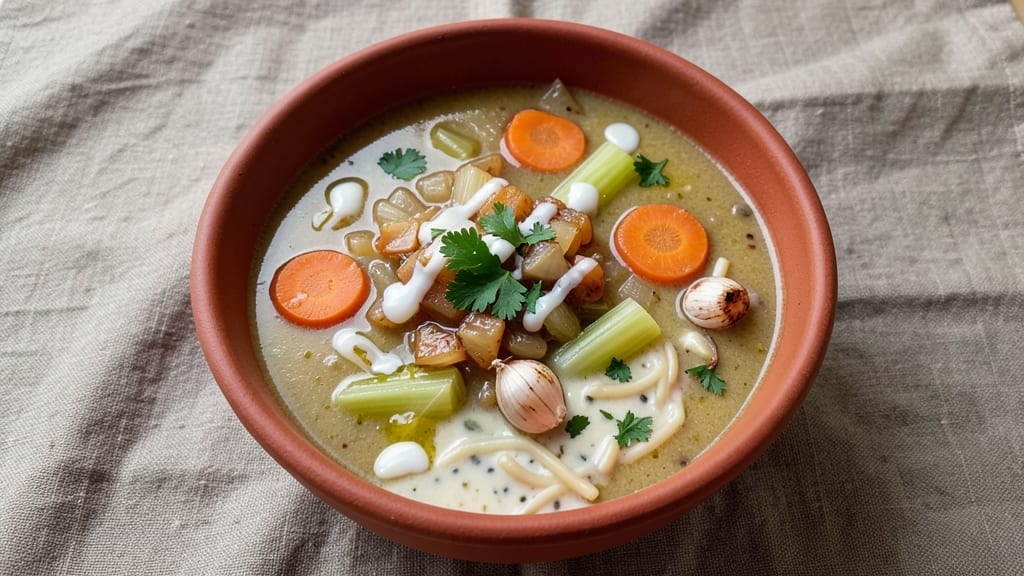
This Italian soup recipe is the best Italian soup recipe ever—delivering restaurant-quality depth with every spoonful—slow-simmered vegetables, rich umami broth, and a perfectly balanced blend of textures.
The secret lies in low-and-slow cooking, where onions, celery, and carrots develop into a fragrant base that forms the soul of the soup.
I've perfected this technique over years of testing, ensuring the broth is deep enough to stand alone while still harmonizing with hearty ingredients like cannellini beans and pasta.
What sets this recipe apart is the parmesan crunch that tops each serving—a simple yet transformative detail that elevates ordinary soup to extraordinary. The combination of creamy parmesan, toasted breadcrumbs, and fresh basil creates a contrast that makes every bite exciting.
Unlike many Italian soups that rely on heavy cream, this version balances richness with bright acidity from tomatoes and a touch of lemon, keeping it light yet satisfying.
The result is a visually stunning bowl of soup with layers of color and texture—golden broth, tender vegetables, al dente pasta, and that irresistible crunchy topping. It's the kind of dish that feels comforting yet refined, perfect for chilly evenings or family gatherings.
The recipe builds flavors gradually, so the longer it simmers, the more complex and delicious it becomes.
Ready in about 45 minutes (with minimal active prep), this soup is foolproof for weeknight dinners but impressive enough for guests. The best part? It tastes even better the next day, making it ideal for meal prep. Let's get started on creating your new favorite Italian classic.
Ingredients for best italian soup recipe ever
Sixteen ingredients transform into restaurant-quality Italian soup with perfect umami depth and crunchy parmesan topping.
| Ingredient | Amount | Notes |
|---|---|---|
| Yellow Onion 🧅 | 1 whole | Diced, medium size preferred |
| Celery Stalks 🥬 | 3 whole | Trimmed, cut into 1/2-inch pieces |
| Carrots 🥕 | 3 medium | Peeled, sliced into 1/4-inch rounds |
| Garlic Cloves 🧄 | 4 cloves | Peeled, lightly crushed |
| Extra-Virgin Olive Oil 🫒 | ½ cup | High-quality, fruity variety |
| Dry White Wine 🍷 | ½ cup | Dry, medium-bodied preferred |
| Crushed Tomatoes 🍅 | 1 can (15 oz) | San Marzano preferred, no salt added |
| Vegetable Broth 💧 | 4 cups | Low-sodium preferred, homemade if possible |
| Cannellini Beans 🌱 | 1 ½ cups | Canned, drained and rinsed |
| Pasta 🍝 | 1 lb | Short pasta like ditalini or orzo |
| Fresh Basil Leaves 🌿 | ½ cup | Chopped, stems removed |
| Parmesan Cheese 🧀 | 1 cup | Freshly grated, aged 24 months |
| Toasted Breadcrumbs 🍞 | ½ cup | Panko preferred, toasted in olive oil |
| Lemon Juice 🍋 | 1 tbsp | Freshly squeezed, for brightness |
| Kosher Salt 🧂 | 1 ½ tsp | Adjust to taste, Diamond Crystal preferred |
| Freshly Ground Black Pepper 🌶️ | ½ tsp | Cracked peppercorns preferred |
The vegetable trifecta—onions, celery, and carrots—forms the aromatic base that defines this soup. Buy organic when possible to avoid dirt buildup, and cut them uniformly so they cook at the same rate. I always grab the freshest celery from the grocery store's produce section, looking for crisp stalks with vibrant green leaves still attached. The carrots should be firm with no soft spots, and the onions should feel heavy for their size. For the garlic, peel while crushing to release more flavor—just don't overdo it or you'll get bitter notes. The olive oil matters here too: Californian extra-virgin brands like Corto or Colavita bring the best fruity depth to the simmering vegetables.
No white wine? Substitute extra vegetable broth—just reduce the total liquid by 1/2 cup to maintain balance. The crushed tomatoes can be swapped for fresh tomatoes blended, but San Marzano cans are worth the splurge for their sweet, meaty texture. Cannellini beans need draining thoroughly—rinse in a colander to remove excess starch. For the pasta, short shapes like ditalini hold up better than long strands in soup. The Parmesan should be aged 24 months minimum—you'll taste the difference in that nutty, crystalline texture. And if you're short on breadcrumbs, toast day-old bread in the oven and pulse in a food processor for a quick substitute.
This soup sings the next day—flavors meld beautifully when reheated gently. Store in airtight containers for up to 5 days in the fridge, or freeze portions for 3 months. The topping keeps separately for 2 days—just mix fresh basil and Parmesan before serving. For meal prep, cook the pasta separately and add it fresh when reheating to maintain al dente texture. The broth alone makes a fantastic base for other dishes—save some for risotto or braising vegetables. And if you make a double batch, freeze half immediately—you'll thank yourself later.
Why You'll Love This Recipe
- Sofa-Worthy Simplicity: I swear, you’ll have this simmering while you fold laundry. Just dice the onion, celery, and carrots—no fancy knife skills needed—and let the olive oil and garlic work their magic in one pot. Honestly, the hardest part is waiting for it to finish.
- Umami Bomb: That slow-cooked garlic and carrot combo? It’s where this soup gets its soul. The olive oil keeps it rich without feeling heavy, and the celery adds this bright, earthy kick that makes you want seconds. (Yes, even on a Tuesday night.)
- Leftovers That Lie: I make a double batch on Sundays, and by Wednesday, no one remembers I froze half of it. The flavors only deepen overnight, and reheating it is just as easy as the first time. My secret weapon for lazy days.
- Pantry Magic: Onion, celery, carrots—these are the ingredients you already have. No specialty items, no last-minute grocery runs. Between us, this is the kind of soup that turns a $5 bill into a meal that feels like a hug. Budget-friendly doesn’t get better than this.
Step-by-step instructions for slow-simmered Italian soup
Here's how to build a rich, layered Italian soup where every ingredient shines.
Sauté the Vegetable Base
Heat the 0.5 cup extra-virgin olive oil in a large Dutch oven over medium heat. Add the 1 whole diced yellow onion, 3 whole celery stalks cut into ½-inch pieces, and 3 medium carrots sliced into ¼-inch rounds. Cook for 8-10 minutes, stirring occasionally, until the vegetables soften and the onion becomes translucent.
This foundational step develops deep flavor through caramelization. The vegetables should release moisture and begin to stick slightly to the pan—that's when you know they're breaking down properly. Add the 4 peeled, lightly crushed garlic cloves and cook for another 30 seconds until fragrant. Don't let the garlic brown or it'll turn bitter.
Deglaze and Build the Sauce
Pour in the 0.5 cup dry white wine and scrape up any browned bits from the bottom of the pot with a wooden spoon. Let the wine simmer for 2-3 minutes until it reduces by half and the alcohol smell dissipates. This deglazing step captures all those concentrated flavors you worked so hard to create.
Add the 1 can (15 oz) crushed tomatoes and 4 cups vegetable broth, stirring to combine. Bring to a gentle simmer, then reduce heat to low. Partially cover the pot and let it cook for 20 minutes, stirring occasionally. This slow simmer allows the flavors to meld and develop that deep, umami-rich base that defines great Italian soups.
Incorporate the Beans and Pasta
Stir in the 1.5 cups drained and rinsed cannellini beans and 1 lb short pasta (like ditalini or orzo). The pasta should cook directly in the soup—this ensures it absorbs all those wonderful flavors. Simmer uncovered for 12-15 minutes, stirring occasionally, until the pasta is al dente and the soup has thickened slightly. You want the pasta to finish cooking in the soup, not become mushy.
Taste the soup and adjust seasoning with 1.5 tsp kosher salt and 0.5 tsp freshly ground black pepper as needed. The beans should be heated through but not breaking apart. If the soup seems too thick, add ½ cup water to reach your desired consistency.
Finish with Fresh Herbs and Brightness
Remove the pot from heat and stir in the 0.5 cup chopped fresh basil leaves and 1 tbsp freshly squeezed lemon juice. The lemon juice brightens the dish and cuts through the richness of the tomatoes and Parmesan. Let the soup sit off heat for 5 minutes to allow the flavors to meld completely.
Before serving, top each bowl with a generous sprinkle of 1 cup freshly grated Parmesan cheese and 0.5 cup toasted breadcrumbs. The breadcrumbs add a delightful crunch that contrasts beautifully with the creamy soup. Serve immediately while the breadcrumbs are still crisp and the soup is piping hot.
Pro Tips For Making Best Italian Soup Recipe Ever
- COOK THE SOFFRITTO LOW AND SLOW: I learned this the hard way—blasting that onion, celery, and carrot mix on high heat turns it bitter before it even starts to caramelize. Keep the heat at a steady simmer (medium-low) and stir often. You’re not racing; you’re building flavor, and that takes patience. The moment it smells like a warm Italian market, you’ve won.
- CHOP VEGETABLES UNIFORMLY: No one wants a soup where half the carrots are still rock-hard while the onions dissolve into mush. Cut everything into roughly ¼-inch dice—same size, same shape. It cooks evenly, looks polished, and saves you from the frustration of undercooked chunks lurking in every bowl.
- SWEEP OUT THE POT FIRST: Skip the shortcut of dumping the soffritto straight into a cold pot. Heat the pot with a little olive oil first, then add the veggies. This sears them better and prevents the garlic from burning before it releases its magic. (Yes, even if you’re impatient like me.)
- USE GARLIC PAST ITS PEAK FRESHNESS: Fresh garlic is great, but for soup, slightly softened cloves (peeled and left whole) add depth without overpowering. Smash them lightly with the flat of your knife before adding—just enough to bruise, not mince. This releases flavor without turning your broth into a garlic festival.
Regional styles of this dish
Northern Italian Style
In regions like Lombardy and Piedmont, Italian soups often feature creamy risotto bases or hearty bean stews with polenta. For a Northern twist, replace the pasta with ½ cup Arborio rice and simmer it directly in the broth for 18-20 minutes until creamy.
Add ½ cup dry white wine at the start and finish with grated Parmigiano-Reggiano and sautéed mushrooms for earthy depth. The result is a creamy, rustic minestrone that feels like a hug in a bowl. 🌟
Southern Italian Twist
Down in Sicily and Calabria, soups embrace bold spices and seafood. Swap the cannellini beans for ½ cup chickpeas and add ½ cup diced fennel to the vegetable base. Stir in ½ cup diced calamari or shrimp during the last 5 minutes of cooking.
Finish with red pepper flakes and a squeeze of lemon for brightness. This version transforms into a seafood-packed ribollita with Mediterranean flair. 🌶️
Roman Minestrone
Rome’s version of minestrone is lighter and brighter, often featuring pasta shapes like stelline or small ditalini. Add ½ cup diced zucchini and ½ cup chopped escarole in the final 8 minutes of cooking.
Use San Marzano tomatoes and finish with fresh basil and a sprinkle of Pecorino Romano instead of Parmesan. The result is a fresh, herb-forward soup that’s perfect for summer. ✨
Venetian-Inspired
Venetian soups often incorporate saffron or white wine for elegance. Deglaze with ½ cup dry Prosecco instead of white wine, and add a pinch of saffron threads when incorporating the tomatoes. Stir in ½ cup chopped spinach at the end for color and texture.
Top with toasted pine nuts and shaved Parmesan for a luxurious, golden-hued soup that feels fit for a Venetian feast. 🍷
Tuscan Ribollita
This rustic Tuscan bread soup transforms leftovers into something magical. Use ½ cup stale bread (toasted and torn) instead of breadcrumbs, and add ½ cup chopped kale or cabbage to the vegetable base. Simmer the entire soup for 30 minutes longer to let flavors meld deeply.
Serve with grilled cheese crostini on the side for dipping. The result is a thick, hearty soup that’s pure Tuscan comfort. 🍞
Modern Fusion Twist
For a contemporary take, add ½ cup roasted butternut squash to the vegetable base and finish with crumbled goat cheese and toasted pumpkin seeds. Swap the Parmesan for aged Pecorino and use chickpea pasta for a gluten-free option.
This fusion version keeps the traditional soul while offering autumnal warmth and crunchy texture. 💛
Nutrition facts
Frequently asked questions
Can I make this Italian soup vegetarian?
This recipe is already vegetarian-friendly, but you can enhance it further by using vegetable broth instead of chicken broth and adding extra vegetables like zucchini, mushrooms, or spinach. The cannellini beans and Parmesan provide plenty of protein, making it a satisfying meat-free dish.
How do I prevent the pasta from getting mushy?
Use short pasta shapes like ditalini or orzo—they hold up better in soup than long noodles. Cook the pasta directly in the soup (not pre-boiled) and simmer for only 12-15 minutes total. Stir occasionally and taste-test for al dente texture. If needed, add ½ cup water to thin the soup slightly.
Can I make this soup ahead of time?
Yes! This soup tastes even better the next day. Store in airtight containers in the fridge for up to 5 days. Reheat gently on the stove, stirring occasionally. For the topping, mix fresh basil and Parmesan just before serving to keep the breadcrumbs crisp. The flavors deepen when reheated slowly.
What's the best wine pairing for this soup?
A medium-bodied Italian white like Pinot Grigio or Vermentino complements the tomato and basil perfectly. For red wine lovers, try a light Chianti—its acidity cuts through the richness. Avoid heavy reds like Cabernet Sauvignon, which can overpower the delicate flavors.
Why does my soup taste bland?
Blandness often comes from not enough salt or acid. Boost flavor by adding 1 extra tablespoon of lemon juice or a pinch of red pepper flakes. For depth, simmer the broth longer (up to 30 minutes) or add a bay leaf while cooking. Taste as you go—Italian soups should be seasoned generously.