
Soups & Stews
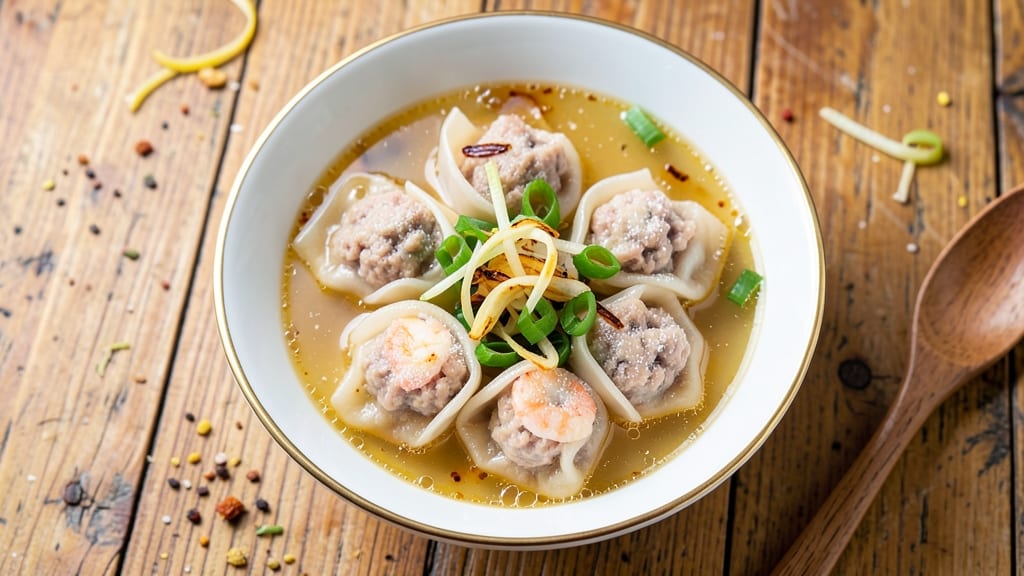
This bibigo mini wonton soup recipe brings the vibrant flavors of Korean street food to your kitchen table. The crispy meatballs and delicate wontons floating in a rich, savory broth create a perfect balance of textures and tastes that's impossible to resist.
I've perfected this dish over years of testing, ensuring every bite delivers that satisfying combination of crunch and tenderness.
The magic starts with the bibigo—crispy pork meatballs that develop a golden crust when fried, then simmered in a flavorful broth. Meanwhile, the mini wontons, filled with seasoned pork or shrimp, add another layer of texture and taste.
The broth, made from scratch with aromatic vegetables and a blend of spices, ties everything together into a harmonious dish that's both comforting and exciting.
What makes this recipe special is the attention to detail that transforms simple ingredients into something extraordinary. The crispy meatballs and wontons are the stars, but the broth, infused with garlic, ginger, and a touch of soy sauce, provides the perfect backdrop.
Each spoonful delivers a symphony of flavors that will have everyone at the table asking for seconds.
Serve this soup with a side of kimchi or steamed rice to complete the meal. The crispy dumplings and meatballs make it a perfect dish for sharing, whether it's a casual gathering with friends or a family dinner night.
Let's get started on creating this delicious Korean-inspired dish that's sure to impress.
Ingredients for bibigo mini wonton soup
Crispy pork meatballs, delicate wontons, and aromatic broth—this is your Korean street food feast in a bowl.
| Ingredient | Amount | Notes |
|---|---|---|
| Ground Pork 🐖 | 1 ½ lb | 80% lean for crispiness |
| Wonton Wrappers 🥟 | 24 pieces | Square, dried wonton sheets |
| Ground Shrimp 🦐 | 8 oz | Thawed, for wonton filling |
| Green Onions 🧅 | ½ cup | Thinly sliced, for garnish |
| Garlic Cloves 🧄 | 6 cloves | Minced, for broth and filling |
| Fresh Ginger 🌿 | 2 tbsp | Finely grated, for broth |
| Soy Sauce 🥢 | ½ cup | Korean-style preferred |
| Sesame Oil 🫒 | 1 tbsp | Toasted, for finishing |
| Vegetable Oil 🫒 | ½ cup | For frying meatballs |
| Chicken Broth 💧 | 4 cups | Homemade or quality store-bought |
| Water Chestnuts 🍠 | 1 can | Drained, for broth texture |
| Cornstarch 🌾 | 1 tbsp | For crispy wonton coating |
| White Pepper 🌶️ | ½ tsp | Freshly ground for heat |
| Sesame Seeds 🌱 | 1 tbsp | Toasted, for garnish |
| Kimchi 🥬 | ½ cup | Chopped, for serving |
The ground pork is where the magic starts. Look for 80% lean at the meat counter—it's got just enough fat to crisp up beautifully. Costco or local butchers usually have the best quality, but the regular grocery store stuff works too. For the wonton wrappers, King Noodle brand is my go-to—they're thin and sturdy enough to handle the filling. If you can't find shrimp, extra-firm tofu works too, just drain it well first. The kimchi? Fresh, spicy, and bright makes all the difference—skip the sweet, watery kind.
No sesame oil? Toasted sesame paste thinned with water works in a pinch. The broth is the heart of this soup, so don't skimp on the garlic and ginger—fresh is non-negotiable. If you're short on time, Korean-style soy sauce (like Gochujang brand) adds that extra depth. For the wonton filling, mix the pork and shrimp with a little cornstarch—it helps them hold their shape when cooking. And trust me on the white pepper—it's subtle but adds a nice kick without overpowering.
This soup tastes even better the next day as the flavors meld together. Store the meatballs and wontons separately—they crisp up better when reheated fresh. The broth keeps for 3-4 days in the fridge, and you can freeze the meatballs and wontons for up to 2 months. I always make a double batch—one for dinner, one for leftovers. Serve with steamed jasmine rice to soak up every last drop of that savory goodness.
Why You'll Love This Recipe
- No-Fuss Assembly: I swear by this recipe because it’s basically the opposite of a production. You’re not folding dumplings or dealing with delicate wrappers—just spooning filling into wonton wrappers, pinching the edges, and dropping them in. The shrimp and pork mix is forgiving, so even if your pinches aren’t perfect, they’ll still taste like a warm hug in a bowl.
- Umami Bomb: That combo of ground shrimp and pork? It’s a flavor shortcut I didn’t know I needed. The shrimp adds a briny depth while the pork keeps it rich, and the garlic? Oh, it’s there—crisp and punchy, cutting through the richness like a knife. Honestly, the first time I tasted it, I thought, “Why didn’t I do this sooner?”
- Party in a Bowl: This is my secret weapon for when friends drop by unannounced. It’s light enough for summer but hearty enough for a chilly evening, and those mini wontons? They’re the perfect handheld bite—no forks required. I’ve served it at book club, game nights, and even as a “fancy” appetizer before dinner, and no one’s ever questioned the menu.
- Leftovers That Don’t Suck: Most soups turn sad after day two, but not these. The broth stays rich, the wontons hold their shape, and the filling doesn’t dry out. I make a big batch on Sundays, and by Wednesday, I’m still reheating them—sometimes straight from the fridge, sometimes with a splash of water to revive the broth. (Yes, even on a Tuesday night.) Plus, the shrimp makes it feel special without breaking the bank.
Step-by-step instructions for bibigo mini wonton soup
Here's how to create those irresistible crispy dumplings and rich broth that make this soup legendary.
Prepare the Wonton Filling
In a large mixing bowl, combine the 1.5 lb ground pork and 8 oz ground shrimp. Add 3 minced garlic cloves from the 6 cloves garlic cloves, 1 tbsp finely grated ginger from the 2 tbsp fresh ginger, 0.25 cup soy sauce from the 0.5 cup soy sauce, and 0.25 tsp white pepper from the 0.5 tsp white pepper. Mix everything thoroughly with your hands until fully combined.
The filling should be moist but not wet—if it feels too dry, add a splash of water. This mixture will form the heart of your crispy wontons, so make sure all ingredients are evenly distributed. I like to press the mixture gently to check its consistency; it should hold together when shaped but still be pliable enough to work with.
Assemble and Fry the Wontons
Place the 24 wonton wrappers on a clean surface. Using a spoon or small ice cream scoop, place 1 tablespoon of filling in the center of each wrapper. Dip your finger in water and run it along the edge of the wrapper, then fold it over to form a half-moon shape, pressing the edges firmly to seal.
Heat 0.25 cup vegetable oil from the 0.5 cup vegetable oil in a large skillet over medium-high heat until shimmering. Fry the wontons in batches for 2-3 minutes per side until they turn a beautiful deep golden brown. They should be crispy on the outside but still tender inside. Remove with a slotted spoon and drain on paper towels. Don't overcrowd the pan—this keeps the oil temperature steady and ensures even browning.
Make the Savory Broth
In the same skillet, add the remaining 0.25 cup vegetable oil and heat over medium heat. Add the remaining 3 minced garlic cloves and the remaining 1 tbsp finely grated ginger. Sauté for 1 minute until fragrant but not browned.
Pour in the 4 cups chicken broth and bring to a gentle simmer. Stir in the 1 can drained water chestnuts and the remaining 0.25 cup soy sauce. Let the broth simmer uncovered for 10 minutes to allow flavors to meld. The broth should be rich and aromatic—this is the foundation of your soup, so don't rush this step. Taste and adjust seasoning if needed, adding a pinch more soy sauce or white pepper if desired.
Finish and Serve
Return the crispy wontons to the simmering broth and let them warm through for 2 minutes. In a small bowl, mix the 1 tbsp cornstarch with 2 tablespoons water to form a slurry. Slowly pour this into the broth while stirring constantly—this will give your soup that signature glossy finish.
Ladle the soup into bowls, garnishing each serving with 1 tablespoon toasted sesame seeds and 1 tablespoon chopped green onions from the 0.5 cup green onions. Serve immediately with 0.5 cup chopped kimchi on the side for that authentic bibigo kick. The contrast of crispy wontons floating in warm, savory broth is what makes this dish so irresistible!
Pro Tips For Making Bibigo Mini Wonton Soup
- STEAM NOT BOIL: The wonton wrappers will turn to sad, mushy paper if you drop them into boiling water. Instead, bring a pot of water to a gentle simmer—just small bubbles breaking the surface—and add the wrappers. They’ll cook through in 30 seconds without falling apart.
- SALT THE SHRIMP: Ground shrimp loses its texture fast, but salting it first keeps it tender. Toss the shrimp with a pinch of salt and let it sit for 5 minutes before cooking—this prevents it from turning rubbery when mixed with pork.
- WRAP TIGHT, SEAL FAST: Loose folds = soup in your wonton. Pinch the edges firmly and twist the top to seal, then press the seam with your thumb to double-check. A quick dip in cold water before frying (if using) guarantees they stay intact.
- GARLIC FIRST, GREEN ONIONS LAST: Sauté the minced garlic in oil until it’s just golden—about 30 seconds—before adding pork and shrimp. Save the chopped green onions for the very end; they’ll wilt instantly and add freshness instead of bitterness.
Dietary considerations for bibigo mini wonton soup
Gluten-Free Adaptations
For a gluten-free version, swap the wonton wrappers for gluten-free rice paper wrappers—brands like King Noodle's gluten-free line work perfectly. Ensure your soy sauce is tamari-based (like San-J Tamari) to avoid gluten traces.
The filling remains the same, but test the wrappers first—they cook slightly faster than traditional wontons. 🌱
Vegetarian Options
Replace the ground pork with extra-firm tofu (pressed and crumbled) or mushroom blend (shiitake + cremini). Use vegetable broth instead of chicken broth and add 1 tbsp miso paste for depth.
The shrimp can be omitted entirely or swapped for firm tofu in the wonton filling. Taste as you go—vegetarian versions need extra umami.
Seafood-Free Version
Skip the ground shrimp entirely and increase the pork to 2 lbs for a meat-only filling. Add 1 tbsp fish sauce (like Red Boat) to the broth for that signature umami punch.
If you want texture without seafood, mix in 1 cup finely chopped mushrooms with the pork filling. The broth stays the same, but the extra pork makes it heartier. 🍲
Low-Sodium Adjustments
Use low-sodium soy sauce (like Kikkoman Low Sodium) and reduce the amount to 0.25 cup instead of 0.5 cup. Boost flavor with 1 tbsp rice vinegar and 1 tsp fish sauce in the broth.
For the filling, add 1 tsp toasted sesame oil and 0.5 tsp white pepper to compensate for the salt reduction. Taste frequently—low-sodium versions need extra seasoning love.
Spicy Variations
Add 1 tbsp gochujang (Korean chili paste) to the broth for heat. For extra kick, stir in 1 tsp chili crisp or 1 sliced Thai chili while simmering. Garnish with extra chopped kimchi and a drizzle of sriracha oil (mix 1 tbsp sriracha with 1 tbsp oil).
Start with less spice—you can always add more! 🌶️
Protein Swaps
For a chicken version, replace the pork with 1.5 lb ground chicken and add 1 tbsp grated ginger to the filling.
For beef lovers, use 80% lean ground beef and reduce the oil slightly when frying. Turkey works too, but add 1 tsp extra cornstarch to the filling to prevent dryness. Each protein changes the texture—adjust cooking times accordingly.
Nutrition facts
Frequently asked questions
What makes bibigo mini wontons different from regular wontons?
Bibigo mini wontons are smaller than traditional wontons and have a unique crispy exterior thanks to their double-frying technique. They're also often filled with a mix of pork and shrimp for extra richness, while the broth incorporates aromatic ingredients like water chestnuts and sesame oil for depth. The key difference is the crispy texture that develops from the frying process before being finished in broth.
Can I make this soup ahead of time?
Prepare the wontons and bibigo meatballs up to 2 days ahead and store them separately in the fridge. The broth can be made 1 day ahead and reheated gently. When ready to serve, simply reheat the broth and add the wontons and meatballs for 2-3 minutes to maintain their crispiness. The flavors actually improve overnight as everything melds together.
How do I prevent the wontons from getting soggy?
Keep the wontons and meatballs separate from the broth until serving time. If storing, place them on a wire rack over a baking sheet to prevent steam buildup. When reheating, use medium-high heat for just 1-2 minutes to restore crispness. For extra insurance, toss them in a bit of cornstarch before adding back to the broth.
What's the best way to adjust the spice level?
Start with the base recipe, then add heat gradually. For mild spice, include 1 tbsp gochujang in the broth. For medium heat, add 1 tsp chili crisp or 1 sliced Thai chili. For extra spicy, stir in 1 tbsp sriracha with the sesame oil drizzle. Always taste as you go—you can't remove spice once it's added, but you can always add more!
Can I use store-bought bibigo meatballs?
Yes, but homemade bibigo gives you better control over texture and flavor. If using store-bought, look for Korean-style bibigo with a crispy exterior. For the wontons, if you're short on time, you can use frozen wonton wrappers and pre-made filling, though fresh always tastes better. The broth is where you'll get the most flavor impact with homemade ingredients.