
Soups & Stews
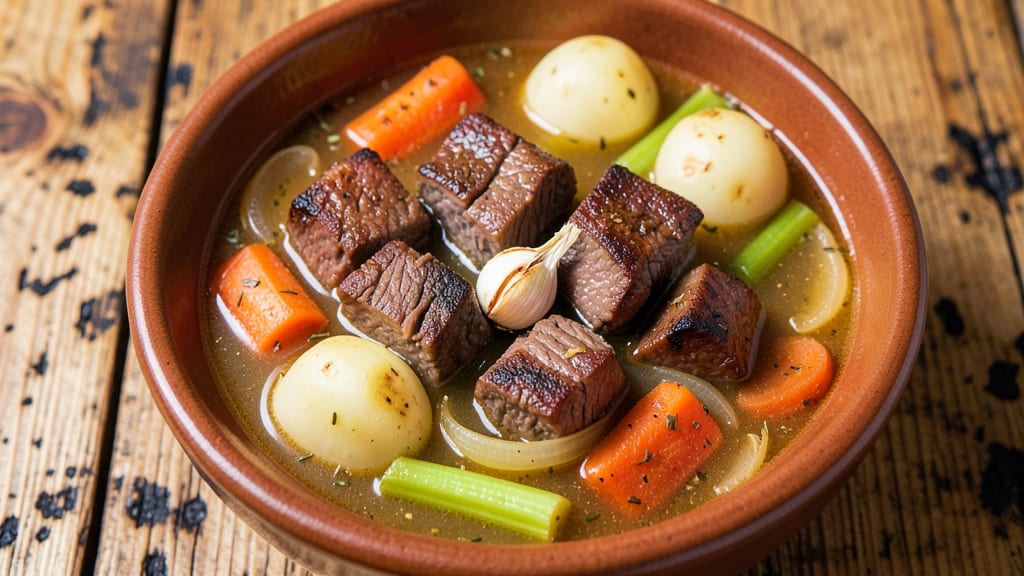
This Bill Miller vegetable beef soup recipe delivers the kind of hearty, comforting flavor that makes winter dinners feel special. His approach—caramelizing onions and root vegetables before adding beef—transforms simple ingredients into a rich, layered broth with deep, savory notes.
The slow simmer develops flavors that store-bought soups can’t match, all while keeping prep straightforward for busy weeknights.
What sets this recipe apart is the balance of textures: tender beef, caramelized roots, and al dente vegetables all simmered together until perfectly harmonized. The secret lies in browning the beef and vegetables first, which builds a flavorful foundation for the broth.
No fancy techniques—just patience and a few key steps that turn a basic soup into something restaurant-worthy.
By the time you’re serving steaming bowls, you’ll have a meal that’s both nourishing and satisfying—ideal for cold evenings or when you need a comforting dish that feels like a hug in a bowl.
The caramelized onions and roots add natural sweetness, while the beef provides hearty protein to keep everyone full. It’s the kind of soup that tastes even better the next day.
This recipe scales easily for a crowd, and leftovers reheat beautifully, making it perfect for meal prep. Pair it with crusty bread or a simple green salad for a complete dinner. Let’s get started—your kitchen will smell amazing by the time it’s ready.
Ingredients for bill miller vegetable beef soup
Pantry staples and a few fresh veggies—this soup is all about caramelized roots and tender beef.
| Ingredient | Amount | Notes |
|---|---|---|
| Chuck Roast Beef 🥩 | 2 lb | Cut into 1-inch cubes |
| Yellow Onions 🧅 | 3 whole | Sliced into wedges |
| Carrots 🥕 | 4 whole | Cut into 1-inch chunks |
| Celery Stalks 🌿 | 4 whole | Cut into 1-inch pieces |
| Russet Potatoes 🥔 | 3 lb | Peeled, cut into chunks |
| Garlic Cloves 🧄 | 6 cloves | Minced or finely chopped |
| Tomato Paste 🍅 | ½ cup | Unsweetened |
| Beef Broth 💧 | 6 cups | Low-sodium preferred |
| Red Wine 🍷 | 1 cup | Dry variety like Cabernet |
| Fresh Thyme 🌿 | 2 tbsp | Leaves only, chopped |
| Bay Leaves 🍃 | 2 whole | Fresh if available |
| Olive Oil 🫒 | ¼ cup | Extra-virgin preferred |
| Salt 🧂 | 1 ½ tsp | Kosher or sea salt |
| Black Pepper 🌶️ | 1 tsp | Freshly ground |
| Parsley 🌿 | ¼ cup | Fresh, chopped for garnish |
The beef is the backbone, so grab chuck roast—it's cheaper than sirloin and stays tender. Costco or your local butcher usually have it pre-cut, but if not, ask for it cubed yourself. Look for good marbling and bright red color. For the veggies, Trader Joe's has great pre-cut carrots and celery, but whole works too—just chop them yourself. The onions and potatoes should be firm, not wrinkly. Fresh thyme and bay leaves make a difference here—Whole Foods bulk section has good quality if you want to splurge, but regular grocery store stuff works fine.
No red wine? Beef broth with a splash of balsamic vinegar works in a pinch. Fresh thyme? Dried works at half the amount. The tomato paste can be the squeeze tube kind from Trader Joe's—no waste, lasts forever. For the potatoes, Yukon golds are ideal, but russets work too. If you're short on time, pre-cut frozen veggie mixes (just thaw first) save you chopping. The celery can be subbed with fennel for a different flavor, but it's not necessary.
This soup tastes even better the next day—3-4 days in the fridge, 3 months frozen. I always double the batch and freeze half for lazy nights. Store in airtight containers with a lid, and the broth stays rich. To reheat, just warm on the stove with a splash of water if it's too thick. Garnish with parsley right before serving—it brightens everything up.
Why You'll Love This Recipe
- I’ll be real: chuck roast is affordable, and the veggies in this recipe stretch for miles. A single pot serves six, and the flavors only get better the next day. Plus, it’s the kind of dish that makes you feel like you’re feeding a crowd without breaking the bank—just don’t tell my wallet I said that.
- One-Pot Wonder: I swear by this recipe because it’s essentially a "dump and simmer" masterpiece. No fancy techniques—just chop the onions, carrots, and celery (roughly, even if they’re not perfect), toss in the chuck roast and potatoes, and let the slow cooker do the magic. That’s it.
- Meat Melts Magic: The chuck roast here isn’t just filling—it turns ridiculously tender, almost like it’s been braised for hours. The onions caramelize right in the pot, and those potatoes? They soak up all the rich beefy flavor until they’re creamy inside with a hint of crisp. Honestly, the first time I tasted it, I nearly dropped my spoon.
- Lunchbox Hero: Between us, this soup is my secret weapon for meal prep. It reheats beautifully, so I can make a big batch on Sunday and have hearty lunches all week—no sad, soggy salads here. My kids actually ask for leftovers, and I’ve even brought it to potlucks where it disappears faster than the chips.
Step-by-step instructions for Bill Miller's vegetable beef soup
This hearty soup comes together in one pot with deep, caramelized flavors.
Sear the Beef for Rich Flavor
Heat the 0.25 cup olive oil in a large Dutch oven over medium-high heat. Working in batches to avoid crowding, add the 2 lb chuck roast beef cut into 1-inch cubes and brown on all sides. This step develops deep flavor through the Maillard reaction—don't rush it. You're looking for golden brown meat all over, which should take about 8-10 minutes total.
As the beef browns, remove it with a slotted spoon and set aside. The browned bits left in the pot will form the flavor base for your soup. If you notice the oil starts smoking, reduce the heat slightly—you want to sear, not burn. This initial step makes all the difference in a restaurant-quality soup at home.
Caramelize the Vegetables
In the same Dutch oven, add the 3 whole yellow onions sliced into wedges, 4 whole carrots cut into 1-inch chunks, and 4 whole celery stalks cut into 1-inch pieces. Cook over medium heat for 10-12 minutes, stirring occasionally, until the vegetables soften and develop a beautiful golden brown color. This caramelization adds sweet depth to the soup.
I like to press down gently on the vegetables with a wooden spoon during the last few minutes of cooking—this helps them release their juices and creates a flavorful fond at the bottom of the pot. You'll notice the onions become translucent and the carrots and celery develop a rich color. This is where the soup's complex flavor profile begins to develop.
Build the Flavor Base
Add the 6 cloves garlic cloves minced, 0.5 cup tomato paste, 1 cup red wine, 6 cups beef broth, 2 tbsp fresh thyme, 2 whole bay leaves, 1.5 tsp salt, and 1 tsp black pepper to the Dutch oven. Stir well to combine, scraping up any browned bits from the bottom. Bring the mixture to a gentle simmer over medium heat.
Return the browned beef to the pot and add the 3 lb russet potatoes cut into chunks. The potatoes will absorb some of the liquid as they cook, so don't worry if they don't fully submerge at first. Let the soup simmer uncovered for 30 minutes, stirring occasionally. This initial simmer allows the flavors to meld together beautifully.
Simmer Until Tender
After the initial 30 minutes, check the potatoes for tenderness. They should be fork-tender but still hold their shape. If they're not quite there yet, continue simmering for another 15-20 minutes until they're perfectly tender. The beef should also be fork-tender at this point.
Here's the thing—don't be tempted to rush this step. The longer the soup simmers, the deeper the flavors become. I like to taste the soup at this stage to check the seasoning. If it needs more salt, add it gradually—you can always add more, but you can't take it out. The soup should be rich and flavorful, with the beef falling apart easily when pierced with a fork.
Finish and Serve
Once the vegetables and beef are tender, remove the 2 whole bay leaves and stir in the 0.25 cup parsley chopped for garnish. Taste and adjust the seasoning with additional salt and pepper if needed. The soup should be well-seasoned but not overly salty—remember, you started with low-sodium broth.
Ladle the soup into bowls and serve immediately. The aroma alone will have everyone gathering around the table. This soup tastes even better the next day as the flavors continue to develop, so consider making extra for leftovers. The caramelized vegetables and tender beef make every spoonful hearty and satisfying.
Pro Tips For Making Bill Miller Vegetable Beef Soup
- SEAR THE BEEF FIRST: I learned this the hard way—skipping the sear means flavorless beef. After browning the chuck roast in batches (yes, even if it’s messy), scrape up those fond bits with a wooden spoon and toss them into the pot. That’s where the deep, meaty flavor hides, not in the broth alone.
- CUT POTATOES EVENLY: Uneven potatoes mean some mushy, some undercooked. Use a knife to slice them into 1-inch chunks, then eyeball them: if one side looks thicker, trim it down. Russets break apart easily, so handle them gently—tossing them in cold water before adding to the pot keeps them intact longer.
- DON’T DUMP VEGETABLES ALL AT ONCE: I used to toss onions, carrots, and celery in together, and they’d steam instead of caramelize. Start with onions and celery in the pot for 5 minutes—just until softened but not browned—then add carrots and potatoes. This keeps the soup’s texture balanced, not a mushy blob.
- USE COLD WATER FOR THE BROTH: Hot water might seem faster, but cold water coaxes more collagen out of the beef, making the broth richer. Fill the pot halfway with cold water, add the seared beef and veggies, then bring to a boil. Patience here saves you from a watery soup later.
Common mistakes when making this recipe
Skipping the Sear
One of the biggest mistakes is skipping the beef sear entirely. That golden-brown crust is where the Maillard reaction happens, creating deep, meaty flavors. If you rush this step or use too little oil, your soup will taste flat.
I once made this soup without browning the beef—it was good, but lacked that rich, savory depth. Always take the 8-10 minutes needed to properly sear the beef in batches. 🔥
Under-Caramelizing Veggies
The vegetables need time to develop their natural sweetness through caramelization. If you cook them too quickly at high heat, they’ll steam instead of brown. I’ve seen people add all the veggies at once and crank the heat—this leads to mushy, bland flavors.
Instead, cook them over medium heat for 10-12 minutes, stirring occasionally, until they’re golden. Press down with a spoon in the last few minutes to help them release their juices and create a flavorful fond.
Using High-Sodium Broth
Low-sodium broth is key here—it gives you control over the final seasoning. If you use regular broth, your soup can end up overly salty, and you won’t be able to fix it easily.
I’ve had to start over because the broth was too salty, and it’s a waste of time and ingredients. Always opt for low-sodium or even better, homemade broth. Taste as you go and adjust seasoning gradually.
Not Skimming Fat
As the soup simmers, fat rises to the surface. Skimming it off occasionally keeps the broth clear and prevents a greasy finish. I’ve left it unskimmed before, and while it wasn’t terrible, the soup had a heavier mouthfeel.
Use a ladle or fine-mesh skimmer to remove fat every 15-20 minutes during the simmering process. This also makes the soup look more appealing when served.
Overcrowding the Pot
If you add all the ingredients at once, the soup won’t simmer properly—it’ll steam instead. This leads to uneven cooking and a watery texture. Instead, build the soup in stages: sear the beef first, then caramelize the vegetables, and finally add the broth and potatoes.
This ensures everything cooks evenly and the flavors develop properly. A 6-quart Dutch oven is perfect for this recipe—don’t skimp on the pot size.
Ignoring the Resting Time
Letting the soup sit for 10-15 minutes after cooking allows the flavors to meld and the potatoes to absorb the broth fully. I’ve served it immediately, and while it’s still good, it’s not as rich or well-balanced.
The resting time also makes it easier to skim off any remaining fat before serving. Always give your soup a little time to shine before diving in. ✨
Nutrition facts
Frequently asked questions
Can I substitute chuck roast with a different cut of beef?
Yes, but choose tender cuts like stew beef or chuck shoulder—they break down nicely during simmering. Avoid lean cuts like sirloin, as they can turn tough. If using a different cut, reduce simmering time by 10-15 minutes to prevent overcooking. For a quicker option, try ground beef (brown it first), but the texture will be slightly different.
How do I make this soup vegetarian?
Replace the beef with 2 cups mushrooms (cremini or portobello) and 1 cup lentils or chickpeas for protein. Use vegetable broth instead of beef broth, and add 1 tsp smoked paprika for depth. The caramelization step still works—just skip the beef browning. The soup will be hearty but lighter in flavor.
Can I make this soup in an Instant Pot?
Sear the beef in the pot first (use medium-high heat for 5 minutes on "Sauté"). Add all ingredients except potatoes, then cook on High Pressure for 20 minutes. Quick-release the pressure, add potatoes, and cook on Low for 5 minutes more. The flavors will develop differently but still be delicious—just don't skip the initial sear!
What’s the best way to reheat leftovers?
Reheat gently on the stove over low-medium heat, stirring occasionally, until steaming (5-7 minutes). Avoid microwaving—it can make the potatoes mushy. If the soup seems too thick after reheating, add a splash of beef broth or water. For extra richness, stir in a pat of butter or a drizzle of olive oil before serving.
Why does my soup taste bland even after following the recipe?
Blandness usually comes from not developing flavors enough. Double-check these key steps: browning the beef thoroughly, caramelizing the vegetables (they should be golden), and simmering uncovered (not boiling). Taste as you go—add more salt, pepper, or a splash of red wine if needed. Fresh herbs (like thyme) make a bigger difference than dried, so use them if possible.