
Soups & Stews
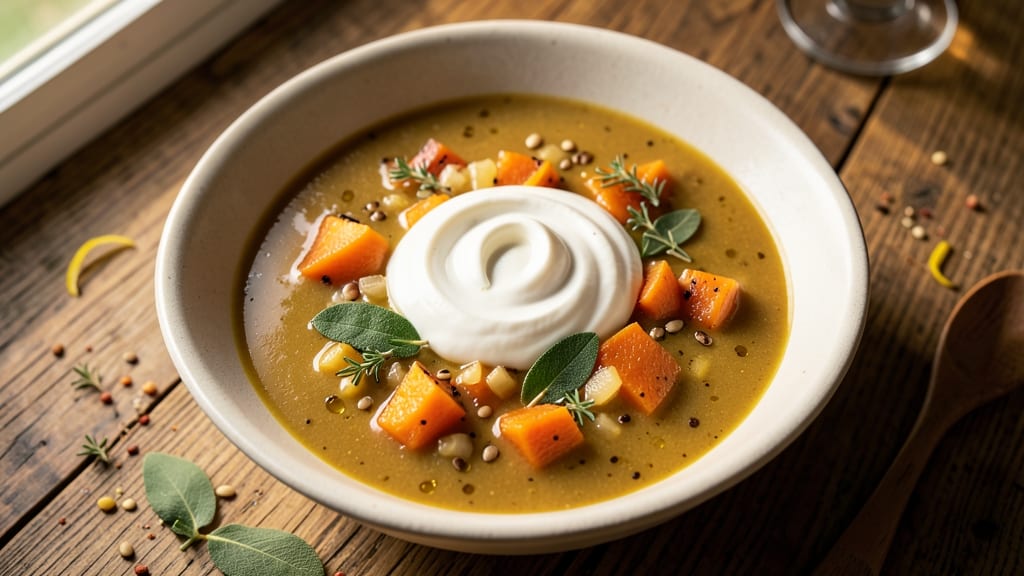
This Biltmore-inspired butternut squash soup delivers the kind of velvety richness that makes autumn dinners unforgettable. The secret lies in roasting the squash until caramelized, then blending it with aromatic spices like cinnamon and nutmeg for that signature Biltmore warmth.
Every spoonful combines creamy texture with just the right balance of sweetness and spice—perfect for chilly evenings or holiday gatherings.
The recipe begins with roasting cubed butternut squash until tender and golden, which deepens its natural sweetness. Sautéing onions and garlic in olive oil builds a flavorful base before adding warm spices that infuse the soup with that signature Biltmore touch.
A final swirl of toasted sage oil adds an elegant finish that elevates this comforting dish to restaurant-quality.
What sets this apart is the velvety, almost custard-like consistency achieved through careful blending and simmering. The soup is rich enough to stand alone but light enough for a first course, making it versatile for any meal.
Garnish with a drizzle of maple cream or crispy roasted squash seeds for added texture and flavor.
For those seeking dietary flexibility, this recipe easily adapts to vegan preferences by using coconut milk instead of cream. The warm spices and toasted sage remain the heart of the dish, ensuring every bowl delivers that same comforting, Biltmore-inspired taste.
Ready in about an hour, this soup is the perfect way to bring autumn warmth to your table.
Ingredients for biltmore butternut squash soup
Roasted squash, aromatic spices, and a touch of toasted sage create this Biltmore-inspired autumn classic.
| Ingredient | Amount | Notes |
|---|---|---|
| Butternut Squash 🍠 | 2 ½ lb | Cubed, skin removed |
| Yellow Onion 🧅 | 1 whole | Diced, medium size |
| Garlic Cloves 🧄 | 4 cloves | Peeled, minced |
| Extra-Virgin Olive Oil 🫒 | ½ cup | High-quality, fruity |
| Vegetable Broth 💧 | 4 cups | Low-sodium preferred |
| Heavy Cream 🥛 | ½ cup | Full-fat for richness |
| Ground Cinnamon 🌿 | ½ tsp | Freshly ground preferred |
| Ground Nutmeg 🌶️ | ¼ tsp | Freshly grated |
| Salt 🧂 | 1 tsp | Diamond Crystal preferred |
| Fresh Sage Leaves 🌿 | ¼ cup | Chopped, for garnish |
| Maple Syrup 🍯 | 1 tbsp | Grade B for depth |
| Black Pepper 🌶️ | ¼ tsp | Freshly ground |
| Roasted Squash Seeds 🥜 | ¼ cup | Optional garnish |
The butternut squash is the star here—look for firm, heavy squash with smooth skin. A 2.5 lb piece yields about 4 cups cubed, perfect for this recipe. Roasting it first deepens its natural sweetness and creates that signature caramelized flavor. Whole Foods or local farmers markets often carry the best quality, but any grocery store's produce section will work. If you can't find fresh sage, dried works at one-third the amount, though fresh is ideal for that toasted oil finish. The onions and garlic should be fresh—no wilting or bruising.
No heavy cream? Full-fat coconut milk gives a similar richness for a vegan version. Substitute maple syrup with agave if needed, though maple adds that perfect autumnal depth. The vegetable broth should be low-sodium—Pacific Foods or Imagine brands are excellent choices. For extra warmth, add a pinch of cloves or allspice, but stick to cinnamon and nutmeg for that classic Biltmore profile. If you're short on time, skip the roasting and sauté the squash cubes directly in the pot, though roasting is definitely worth the extra 40 minutes for that caramelized flavor.
Store leftovers in airtight containers for up to 4 days—the flavors actually deepen overnight. For longer storage, freeze in portions for up to 3 months. The toasted sage oil keeps for 2 weeks in the fridge, so make extra if you're planning to use it elsewhere. To reheat, warm gently on the stove with a splash of broth to restore creaminess. Garnish with roasted squash seeds for added crunch—toss them in olive oil, salt, and a pinch of cayenne before baking at 350°F for 8-10 minutes.
Why You'll Love This Recipe
- One-Pot Magic: I swear by this recipe—just chop the squash (no peeling!), toss it in a pot with onion and garlic, and let the broth work its magic. No extra bowls, no stress.
- Rich Without the Guilt: That slow simmer with olive oil and broth? It caramelizes the squash into something dangerously smooth—creamy, deep, and satisfying. (Yes, even my picky husband asks for seconds.)
- Prep-Ahead Powerhouse: Make a big batch on Sunday, and you’ve got lunch or dinner covered all week. Freezes like a dream, too—just reheat and add a swirl of cream if you’re feeling fancy.
- Budget-Friendly Luxury: Butternut squash stretches farther than you’d think, and vegetable broth keeps costs low. Honestly, it’s the kind of soup that makes you feel fancy without breaking the bank.
Step-by-step instructions for Biltmore butternut squash soup
Here's the method to create a velvety-smooth soup with perfect spice balance and aromatic sage swirls.
Roast the Butternut Squash and Aromatics
Preheat your oven to 400°F. Toss the cubed butternut squash, diced yellow onion, and minced garlic cloves with 2 tablespoons of the extra-virgin olive oil, 0.5 teaspoon salt, and 0.25 teaspoon black pepper on a large baking sheet. Spread in an even layer and roast for 25-30 minutes until the squash is tender when pierced with a fork and the edges are golden brown.
This roasting method develops deep caramelized flavors while keeping the squash tender. I like to use a rimmed baking sheet for easy cleanup, and I always check for doneness by piercing with a fork—the squash should give slightly but not be mushy. The aromatics will be fragrant and slightly crispy by the end, adding complexity to the soup.
Build the Soup Base
Transfer the roasted squash mixture to a large pot. Add the remaining 0.3 tablespoons extra-virgin olive oil, 4 cups vegetable broth, 1 tablespoon maple syrup, 0.5 teaspoon ground cinnamon, and 0.25 teaspoon ground nutmeg. Bring to a simmer over medium-high heat, then reduce heat to medium-low and let it cook for 10-12 minutes until the flavors meld together.
Use an immersion blender to purée the soup directly in the pot until completely smooth. If you prefer to use a regular blender, carefully transfer the hot mixture in batches, blending until silky. The soup should be velvety with no visible chunks. Taste and adjust seasoning with additional salt or maple syrup if needed—this is where you can fine-tune the sweet-spice balance that makes this soup special.
Finish with Cream and Toasted Sage
Return the soup to the pot and stir in the 0.5 cup heavy cream. Keep the heat at low and let it warm through for 2-3 minutes, stirring occasionally. In a dry skillet over medium heat, toast the chopped fresh sage leaves for 1-2 minutes until fragrant and slightly crispy.
Ladle the soup into bowls and top each serving with a swirl of toasted sage leaves. The cream adds luxurious richness while keeping the soup light enough to enjoy in fall weather. The toasted sage brings an herbal aroma that complements the warm spices perfectly. For an extra touch, sprinkle with 0.25 cup roasted squash seeds—they add crunch and visual appeal while highlighting the soup's natural flavors.
Pro Tips For Making Biltmore Butternut Squash Soup
- CHAR THE ONIONS LOW: I learned this the hard way—sautéing onions in olive oil at high heat turns them bitter before they even soften. Keep the heat at a gentle simmer (yes, even with extra-virgin olive oil) until they’re translucent and just starting to caramelize. That’s when the sweetness comes out, and your soup’s base won’t taste like it’s been through a war.
- PEEL THE SQUASH AFTER COOKING: Cutting butternut squash raw is a pain—it’s messy, and you’ll end up with more seeds than flesh. Roast the whole squash (or chunks) first, then peel it while it’s warm. The skin slides off like butter, and you’ll save yourself from a kitchen cleanup nightmare. (Your hands will thank you too.)
- SALT THE BROTH LIKE THE SOUP’S FATE DEPENDS ON IT: Vegetable broth is the soul of this soup, but most store-bought versions are bland. Add an extra pinch of salt (or a splash of soy sauce) to the broth while it heats up—it’ll deepen the flavor without overpowering. Trust me, your soup will taste homemade, not like it came from a carton.
- BLEND IN BATCHES IF NEEDED: Butternut squash purées unevenly, especially if you’re using a regular blender. Work in 2-cup batches—overfilling it just leads to splatter and frustration. If the purée is too thick, thin it with a splash of warm broth. (And for the love of soup, don’t skip this step—lumpy soup is a crime.)
Perfect pairings for this dish
Bread Pairings
This velvety soup pairs beautifully with crusty sourdough or baguette slices—their chewy texture contrasts perfectly with the creamy squash. I like to toast the bread lightly and serve it on the side for dipping.
For extra flair, try rosemary focaccia with its aromatic herbs complementing the sage in the soup. 🥖
Cheese Boards
Turn your soup into a full meal by serving it alongside a fall-inspired cheese board. Aged cheddar, brie with honey drizzle, and sharp gouda create a delicious contrast to the soup's warm spices.
Add sliced apples, walnuts, and dried apricots to enhance the autumnal flavors. The creamy texture of the soup balances the sharpness of the cheese beautifully.
Wine Pairings
A dry Riesling from Germany or a Pinot Noir from Oregon complements this soup wonderfully. The Riesling's crisp acidity cuts through the richness, while the Pinot Noir's earthy notes enhance the caramelized squash flavors.
For a lighter option, a Chardonnay with subtle oak adds a buttery touch that matches the creaminess of the soup. 🍷
Herbed Butter
Serve the soup with herbed butter on the side for an extra layer of flavor. Mix softened butter with chopped fresh thyme, rosemary, and a pinch of salt, then spread it on warm bread or use it to stir into individual bowls of soup.
The herbed butter adds a luxurious finish that ties all the flavors together beautifully.
Roasted Nuts
Add texture and crunch by serving the soup with toasted pecans or hazelnuts. Toss them in olive oil, a pinch of cayenne, and a sprinkle of salt before roasting at 350°F for 8-10 minutes.
The nuts provide a satisfying contrast to the smooth soup and add a nutty depth that pairs perfectly with the warm spices. 🌰
Garnish Upgrades
Elevate your presentation with edible flowers like nasturtiums or pansies, which add a pop of color and a mild peppery note. A drizzle of maple cream (whipped cream mixed with maple syrup) or a sprinkle of crispy fried shallots also enhances the dish.
These garnishes add visual appeal and an extra layer of flavor that makes the soup feel restaurant-worthy.
Nutrition facts
Frequently asked questions
Why does this recipe roast the squash first instead of sautéing it?
Roasting caramelizes the natural sugars in the squash, creating deeper, more complex flavors that sautéing can't match. The golden edges and tender texture from roasting give this soup its signature Biltmore-inspired richness. Plus, it cooks more evenly and develops that perfect balance of sweetness and earthiness.
Can I make this soup without heavy cream for a vegan version?
Replace the heavy cream with ½ cup full-fat coconut milk for a rich, creamy texture. For extra depth, add 1 tablespoon nutritional yeast to mimic the umami notes of cream. The warm spices and toasted sage will still shine through beautifully.
How do I prevent the soup from getting too thick after blending?
Start with 4 cups broth and add more as needed during blending. If it thickens after simmering, thin with an extra ½ cup warm broth or a splash of water. The key is to blend while the soup is hot—this helps create that velvety consistency without needing extra liquid.
What's the best way to reheat leftovers without breaking the texture?
Gently reheat on the stove over low heat, stirring frequently, and add 1-2 tablespoons broth per serving to restore creaminess. Microwaving can make it grainy—avoid it! For extra smoothness, blend again briefly after reheating if needed.
Can I substitute butternut squash with another winter squash?
Yes! Delicata or acorn squash work well—they're sweeter and have similar textures. For a milder flavor, use hubbard squash, but reduce the maple syrup slightly since it's naturally sweeter. Adjust cooking times as needed based on the squash's density.