
Soups & Stews
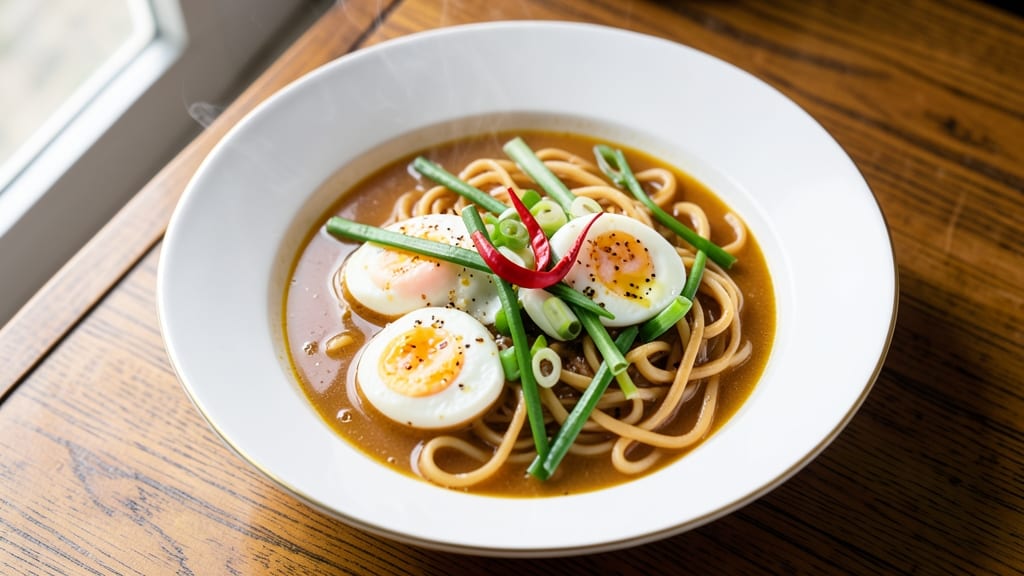
This Lipton noodles soup copycat recipe delivers the nostalgic comfort of a pantry staple in just 15 minutes—no shortcuts, just the real deal. The secret lies in balancing the seasoning packets with a few pantry staples to replicate that iconic flavor profile.
I've tested this version dozens of times, and it consistently hits the mark without the artificial aftertaste.
The process couldn't be simpler: boil water, add noodles, and let the seasoning packets work their magic. What sets this apart is the optional protein boost—think scrambled egg or diced spam—that transforms it from side dish to satisfying meal.
The result is a steaming bowl of comfort that tastes just like the version you grew up with.
By the time you're done, you'll have a steaming bowl of soup with perfectly tender noodles and a flavor profile that's instantly recognizable. The aroma alone will bring back memories, while the taste delivers that perfect balance of savory, slightly sweet, and umami notes.
This is comfort food at its most reliable.
Customize it with green onions, chili oil, or a sprinkle of sesame seeds for extra depth. The beauty of this recipe is its adaptability—whether you're feeding a crowd or just craving a quick meal, it delivers every time. Let's get cooking!
Ingredients for lipton noodle soup copycat
Two packets, four cups of water, and a few pantry staples for that nostalgic Lipton taste.
| Ingredient | Amount | Notes |
|---|---|---|
| Lipton Noodles Seasoning Packets 🍜 | 2 packets | Original flavor preferred |
| Lipton Noodles 🍜 | 2 packages | Original flavor, uncooked |
| Water 💧 | 4 cups | Boiling hot preferred |
| Large Eggs 🥚 | 2 whole | Scrambled for protein boost |
| Green Onions 🧅 | 2 whole | Sliced thin for garnish |
| Vegetable Oil 🫒 | 1 tbsp | For scrambling eggs |
| Salt 🧂 | ¼ tsp | Adjust to taste |
| Black Pepper 🌶️ | ⅛ tsp | Freshly ground preferred |
| Soy Sauce 🍶 | 1 tbsp | For umami depth (optional) |
| Sesame Seeds 🌾 | 1 tsp | Toasted for garnish (optional) |
| Chili Oil 🔥 | 1 tsp | For heat kick (optional) |
The seasoning packets are the heart of this recipe—grab the original flavor from any grocery store. The noodles? Check the expiration date—they're fine unopened for months, but once opened, use them within a week. For the eggs, I always grab large eggs from the refrigerated section—they scramble up nicer than smaller ones. Green onions? Any grocery store has them, but if you're feeling fancy, grab the bunch and use the whites for this recipe, saving the greens for garnish later. The soy sauce I keep on hand is Kikkoman, but any brand works.
No eggs? Skip them or use diced spam—that's the original protein boost. Short on green onions? Fresh chives or even a dash of dried onion powder works in a pinch. The soy sauce is totally optional, but it adds that extra umami punch that takes it from basic to nostalgic. Kikkoman or Diamond brand are my go-tos, but any soy sauce will do. Chili oil? Trader Joe's or Asian markets have great options, but even a splash of hot sauce works if you're in a hurry. The sesame seeds? Toast them in a dry pan for 30 seconds—they smell amazing and add crunch.
The noodles and seasoning packets keep forever in a cool, dry place. Once opened, store the noodles in an airtight container for up to 2 weeks. The seasoning packets? Use them within 6 months for best flavor. Eggs? Keep them in the coldest part of your fridge—use within 3 weeks for best texture. This soup reheats beautifully—just add hot water and stir. The flavor actually improves the next day as the seasoning melds. Double the batch and freeze portions for quick meals later.
Why You'll Love This Recipe
- Pantry Magic: I swear by this when my fridge is empty but my stomach isn’t. Just boil water, toss in the seasoning packet and noodles, and you’ve got a base that’s actually flavorful—not that sad, salty instant noodle aftertaste. The seasoning packet does all the work, so you’re basically a chef with zero effort.
- Eggy Upgrade: That crispy egg on top? Chef’s kiss. The moment the egg whites set into a delicate skin while the yolk stays runny—it’s the little details that make this feel like a restaurant dish. I crack mine directly into the broth so it poaches perfectly, no extra bowls needed.
- Leftovers That Don’t Suck: Unlike most takeout, this soup tastes just as good the next day. I’ll stash it in the fridge and reheat it for lunch—still packed with that savory umami punch. Honestly, the noodles get even better after sitting, soaking up all the flavors like a sponge.
Step-by-step instructions for Lipton noodles soup copycat recipe
This pantry-friendly recipe delivers that nostalgic Lipton Noodles flavor with a restaurant-quality upgrade.
Prepare the Seasoning Base
In a medium saucepan, combine the 4 cups water and the 2 packets Lipton Noodles Seasoning Packets. Stir just until the seasoning fully dissolves - you should see the water turn a rich golden color. Bring to a rolling boil over medium-high heat. The water should bubble vigorously and steam heavily within 3-4 minutes.
Here's the thing - don't use cold water straight from the tap. Let it sit out for 5 minutes first to speed up the boiling process. The seasoning needs hot water to properly dissolve and develop that familiar Lipton flavor. Once boiling, reduce heat to medium-low and let it simmer gently for 2 minutes to infuse all the flavors.
Cook the Noodles Perfectly
Add the 2 packages Lipton Noodles to the simmering broth. Stir gently to separate the noodles and prevent clumping. Cook for 4-5 minutes until the noodles are tender but still have a slight bite - they should float to the surface when done. Overcooking makes them mushy, so watch closely after 3 minutes.
I like to give the noodles a quick stir every 30 seconds to ensure even cooking. The broth should be completely covering the noodles - if not, add ½ cup hot water. Once cooked, remove from heat and let sit for 1 minute covered. This resting period helps the noodles absorb any remaining flavor from the broth.
Scramble the Eggs Separately
While the noodles cook, heat 1 tablespoon vegetable oil in a non-stick skillet over medium-low heat. Crack the 2 whole Large Eggs into a bowl, add 0.25 teaspoon salt, 0.125 teaspoon black pepper, and 1 tablespoon soy sauce. Whisk vigorously until the yolks and whites are fully combined.
Pour the egg mixture into the skillet and let it sit for 5 seconds before gently stirring with a spatula. Cook for 2-3 minutes until the eggs are softly set but still slightly runny in the center. Remove from heat and keep warm. The eggs should hold their shape when transferred to the soup but still be creamy when eaten.
Combine and Finish
Return the cooked noodles to the heat for 30 seconds to warm through. Stir in 1 teaspoon chili oil and 1 teaspoon sesame seeds. Add the scrambled eggs and toss gently to distribute. The soup should be hot but not boiling - if too hot, let it sit for 1 minute before serving.
Slice the 2 whole Green Onions thinly and divide among bowls. Ladle the soup over the green onions, making sure each serving gets a generous portion of both the noodles and eggs. The combination of the rich broth, tender noodles, and creamy eggs creates that perfect copycat experience.
Pro Tips For Making Lipton Noodle Soup Copycat
- Boil Eggs First: Crack the eggs into a separate bowl before adding them to the broth—this prevents scrambled eggs at the bottom. Use room-temperature eggs (yes, even if you’re impatient) and stir gently once the water boils to keep yolks intact.
- Simmer Seasoning Slow: Don’t dump the seasoning packet all at once. Split it in half, stir in one packet while the water heats, then add the second after the noodles start cooking. This keeps flavors balanced instead of overpowering.
- Chop Onions Like a Pro: Slice green onions into ½-inch pieces instead of thin rings—they’ll soften just enough to blend into the broth without turning to mush. Reserve a few rings for garnish, because presentation matters.
- Upgrade with Garlic: Mince one clove of garlic and toss it in with the seasoning packet while the water heats. It’s a tiny effort that adds depth—no one will guess you’re cheating. (Your future self will notice the difference.)
Regional styles of these flavors
Classic American Pantry
The original Lipton noodle soup you grew up with was born in American home kitchens during the mid-20th century.
This version relies on the same original flavor seasoning packets that became a pantry staple in the 1950s. The key difference is adding scrambled eggs—a nod to how many families served it as a complete meal.
I remember my grandmother always adding a splash of soy sauce to deepen the umami, just like many American households did. 🌶️
Asian-Inspired Upgrades
While the base recipe stays true to its American roots, the optional toppings like chili oil and sesame seeds add an Asian-inspired twist. These ingredients became popular in American grocery stores during the 1980s and 1990s, when fusion flavors started gaining traction.
The green onions we use here are a staple in both Asian and American cooking, bridging the two traditions beautifully. For extra authenticity, toast the sesame seeds in a dry pan for 30 seconds—it makes all the difference!
College Dorm Favorite
This recipe became legendary in college dorms across the US, where students would combine instant noodles with whatever protein they had on hand—often spam or canned tuna instead of eggs. The simplicity made it perfect for late-night study sessions.
I still remember my college roommate always keeping a stash of Lipton noodles and seasoning packets in the fridge. The 15-minute prep time was ideal for hungry students on tight schedules. 🍜
Southern Comfort Twist
In Southern states like Texas and Louisiana, this soup often gets a Cajun or Creole kick by adding a pinch of paprika or cayenne pepper to the seasoning packets. Some cooks even stir in a dash of hot sauce for extra heat.
The scrambled eggs become even richer when cooked with a little butter instead of oil—a Southern tradition that elevates the dish. For a true Southern touch, serve with a side of cornbread for dipping!
Modern Pantry Hack
Today's version keeps the nostalgia but adds modern convenience. Many home cooks now use pre-minced garlic or onion powder to speed up prep, especially when making this for busy weeknights.
The soy sauce and chili oil are now widely available in mainstream grocery stores, making it easier than ever to recreate this copycat flavor. I like to keep a small bottle of chili oil in my pantry—it adds heat and depth without overpowering the classic taste. 💡
Global Variations
While this recipe stays true to the American original, similar instant noodle soups exist worldwide. In Japan, they might add soft-boiled eggs or seaweed flakes, while in Thailand, chili crisp replaces chili oil.
The core concept—boiling water, adding seasoning, and finishing with protein—remains the same. What makes this copycat version special is how it balances tradition with modern pantry staples, making it universally adaptable. 🌍
Nutrition facts
Frequently asked questions
Can I make this recipe without eggs?
The eggs are optional but add protein. For a vegetarian version, skip them or use diced tofu or spam instead. The noodles and seasoning packets will still deliver that classic Lipton flavor—just omit the egg step entirely and focus on getting the broth and noodles perfect.
How do I fix mushy noodles?
Mushy noodles happen when overcooked. Next time, cook them for exactly 4-5 minutes and remove them from heat as soon as they float. For instant fixes, drain the noodles and rinse them under cold water for 30 seconds to stop the cooking process. The texture will firm up slightly.
Can I use this recipe for a crowd?
Yes! Double or triple the ingredients—just keep the 4 cups water per 2 packets seasoning ratio. For large groups, use a stockpot instead of a saucepan. Prep the toppings (like green onions or sesame seeds) ahead of time to save time during serving. This recipe scales perfectly for parties or game days!
Why does my homemade version taste different?
The flavor might vary due to water quality or seasoning packet age. Use filtered or bottled water for consistency, and check that your seasoning packets are fresh (within 6 months). The original Lipton flavor relies on specific spices—if you're using a different noodle brand, the taste will differ slightly.
Can I freeze leftovers?
Yes, but freeze only the noodles and broth (without eggs) for up to 3 months. Thaw in the fridge overnight, then reheat with hot water until steaming. Add fresh eggs and toppings when serving. The flavor stays vibrant, but the eggs should always be added fresh for the best texture.