
Sauces & Condiments
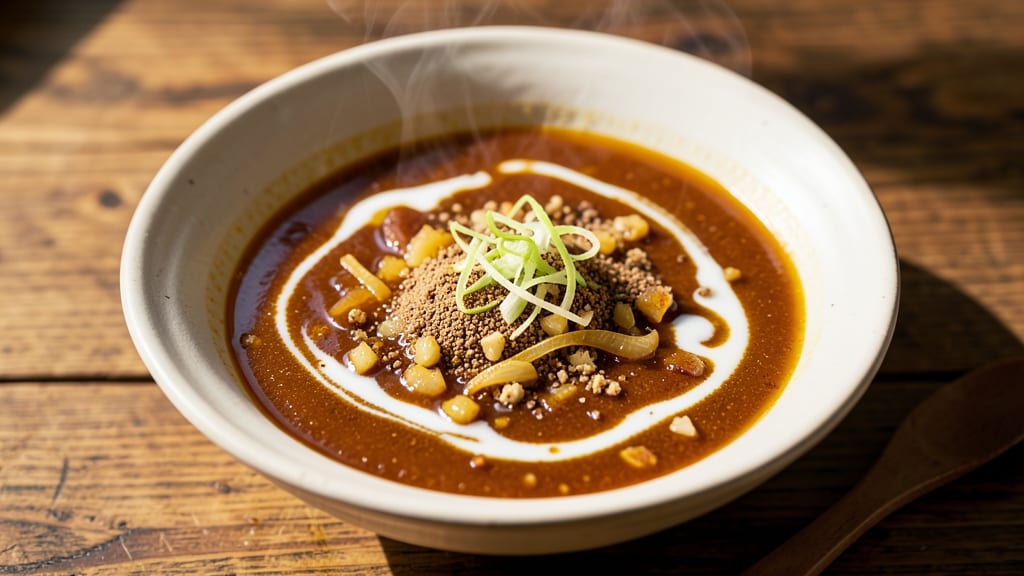
This tamarind soup base recipe unlocks the secret to restaurant-quality depth in just 30 minutes of simmering. The tangy-sour balance comes from fermented tamarind paste, carefully blended with aromatic garlic, ginger, and shallots for a complex flavor foundation.
I developed this recipe after years of testing—it’s the one sauce base that elevates everything from curries to braises without overpowering them.
The key to success lies in the slow simmer, which allows the spices—cumin, coriander, and chili—to bloom while the tamarind’s natural acidity softens into a velvety, storable consistency.
Unlike store-bought versions, this base stays vibrant for up to a month in the fridge, ready to transform into soups, marinades, or dipping sauces at a moment’s notice. The process is straightforward but requires patience to achieve that perfect harmony of tang and warmth.
What you’ll end up with is a smooth, aromatic paste that’s rich enough to stand alone or versatile enough to blend into any dish. The tamarind’s signature sourness cuts through richness, while the spices add layers of earthy, smoky depth.
This isn’t just a base—it’s the flavor backbone that turns simple meals into something extraordinary. Once you try it, you’ll never reach for bottled again.
For those who love customization, adjust the spice level with extra chilies or balance the tang with a touch of palm sugar. The possibilities are endless, but the foundation remains the same: a foolproof method for building flavor from scratch. Let’s get started!
Ingredients for tamarind soup base
Nine simple ingredients create a restaurant-quality tamarind base for soups, marinades, and dips.
| Ingredient | Amount | Notes |
|---|---|---|
| Tamarind Paste 🍈 | ½ cup | Fermented, unsweetened preferred |
| Coconut Milk 🥥 | 1 can | Full-fat, 13.5 oz can |
| Yellow Onion 🧅 | 1 whole | Medium size, finely chopped |
| Garlic Cloves 🧄 | 6 cloves | Peeled, minced |
| Fresh Ginger 🌿 | 2 tbsp | Grated, peeled |
| Ground Cumin 🌶️ | 1 tsp | Freshly toasted preferred |
| Ground Coriander 🌿 | 1 tsp | Freshly ground preferred |
| Red Chili Powder 🌶️ | 1 tsp | Adjust for spice preference |
| Palm Sugar 🍯 | 1 tbsp | Or brown sugar substitute |
| Vegetable Oil 🫒 | 1 tbsp | Neutral flavor preferred |
Tamarind paste is the heart of this recipe—look for blocks or unsweetened paste at Asian markets or the international aisle. The fermented version (not sweetened) gives that authentic tang. Trader Joe's often carries it, but if you can't find it, tamarind concentrate works too. For the coconut milk, full-fat is non-negotiable—it adds richness that light versions can't match. Fresh ginger and garlic? Buy extra—you'll want them for other dishes too. The spices should be freshly toasted if possible—just dry-toast cumin and coriander in a pan for 30 seconds to wake up their flavors.
No tamarind? Lime juice plus a pinch of sugar gets you close, but it won't have that deep complexity. Running low on palm sugar? Brown sugar or maple syrup works in a pinch. For extra depth, add a pinch of turmeric to the oil before cooking. The chili powder can be swapped for fresh red chili flakes—just use half the amount. If you're making this for a crowd, double the batch—it keeps beautifully. The base freezes well too, so consider making a big batch for future meals.
This base tastes even better the next day as the flavors meld. Store in an airtight container in the fridge for up to 1 month, or freeze for 6 months in ice cube trays for single servings. I always make extra—it transforms into curries, braises, or even cocktails. The consistency will thicken as it cools, so add a splash of water when reheating if needed. Trust me, you'll be reaching for this instead of bottled sauces.
Why You'll Love This Recipe
- Pantry-Friendly Magic: I swear by this base when I’ve got nothing but a few cans and spices—just dissolve tamarind paste in hot water, toss in the onion, garlic, and ginger, then let coconut milk do the heavy lifting. No fresh herbs needed, no fancy gadgets, just pure flavor from what’s already lurking in your cupboards.
- Tangy-Creamy Balance: That first sip of tamarind’s bright acidity cutting through the rich coconut milk? It’s like a hug for your taste buds. Honestly, the ginger and garlic deepen it into something sophisticated—way more interesting than basic broth.
- Soup-to-Salad Swap: Make a big batch on Sunday, then use it for curry, braises, or even a chilled summer salad dressing. I’ve poured it over grilled fish, stirred it into congee, and even drizzled it on noodles—it’s the ultimate flavor multiplier.
- Budget Booster: A single block of tamarind paste and a can of coconut milk stretch to feed four for under $5. Between us, this is how I keep my grocery bill low while still serving up restaurant-quality depth. Leftovers? They’ll last a week in the fridge, tasting better each time.
Step-by-step instructions for tamarind soup base
This simple process unlocks the perfect balance of tangy, sweet, and spicy in every spoonful.
Bloom the Spices in Vegetable Oil
Heat the 1 tablespoon vegetable oil in a medium saucepan over medium-low heat. Add the 1 teaspoon ground cumin and 1 teaspoon ground coriander, stirring constantly for 30 seconds until fragrant. The spices should release their aroma immediately—this is your signal they're ready to work.
Next, add the 6 cloves minced garlic cloves and 2 tablespoons grated fresh ginger, stirring for another 30 seconds until the garlic turns golden. Watch carefully—ginger and garlic burn quickly, so keep the heat gentle. This aromatic base forms the flavor foundation for your tamarind soup.
Sauté the Onion Until Translucent
Add the 1 whole finely chopped yellow onion to the spice mixture and cook over medium heat for 5-6 minutes, stirring occasionally. The onions should soften and become translucent before they turn golden. This step develops natural sweetness that balances the tamarind's acidity later.
I like to press down gently on the onions with a wooden spoon during the first minute—this prevents them from sticking and ensures even cooking. You'll know they're ready when they're soft enough to pierce easily with a fork but haven't started to brown.
Incorporate Tamarind and Sugar
Reduce heat to low and stir in the 0.5 cup tamarind paste and 1 tablespoon palm sugar. The mixture will bubble gently as the tamarind dissolves. Let it simmer for 3-4 minutes, stirring occasionally, until the paste fully incorporates and the mixture thickens slightly. This is where the magic happens—the tamarind's tangy-sour flavor melds with the sweetness.
If you're using block tamarind, make sure it's properly soaked and strained first. The paste should be smooth—if you see any lumps, strain the mixture through a fine-mesh sieve to ensure a silky texture. This step is crucial for that authentic tamarind depth.
Add Coconut Milk and Simmer
Pour in the 1 can coconut milk and bring the mixture to a gentle simmer over medium heat. Stir occasionally for 5 minutes until the soup reaches 195°F internally. The coconut milk will create a creamy texture that balances the tamarind's sharpness beautifully.
Taste the soup at this stage. You should notice a perfect harmony of tangy, sweet, and creamy flavors. If it needs more depth, add another ½ teaspoon red chili powder—this is where you can adjust the heat to your preference. The soup should be smooth, aromatic, and ready to serve as-is or as a base for other dishes.
Finish and Adjust Seasoning
Remove the soup from heat and let it rest for 2 minutes to allow flavors to meld. Taste again and adjust seasoning if needed—perhaps a touch more palm sugar to balance acidity, or a pinch of salt to enhance all flavors. The soup should be vibrant, complex, and perfectly balanced.
This tamarind soup base works beautifully as a standalone soup, as a broth for curries, or even as a marinade. Its versatility comes from that perfect balance we've created—tangy tamarind, creamy coconut, and aromatic spices working together in harmony.
Pro Tips For Making Tamarind Soup Base
- Bloom the Tamarind First: Skip the instant-mix temptation—soak your tamarind paste in warm water (about 1:2 ratio) for 10-15 minutes. The pulp will soften and release its natural sweet-sour depth without clumping, giving you a smoother base. (Yes, even if you’re impatient like me, this step makes a real difference.)
- Sweat, Don’t Burn: Onions and garlic need low-and-slow love here—cook them in coconut milk (or oil) over medium-low heat for 8-10 minutes until translucent but not browned. Burning them turns your soup bitter, and no one wants that sour-tang fight with charred notes.
- Ginger: Grate, Don’t Dice: Use a microplane or fine grater for ginger—no big chunks hiding in your soup. The finer the texture, the faster it dissolves into the coconut milk, releasing its zing evenly. (I learned this the hard way after finding chewy surprises in every spoonful.)
- Salt the Coconut Milk: Add a pinch of salt (about ¼ tsp) to the coconut milk before blending it into the base. It balances the tamarind’s acidity upfront, so you’re not scrambling to adjust flavors later. (Your future self will thank you—trust me.)
Make-ahead tips for this recipe
Fridge Storage Secrets
Transfer your tamarind base to airtight glass containers—I swear by Pyrex with snap-on lids—once cooled to room temperature. The flavors actually deepen overnight as the spices meld, so plan to use it within 3-4 days for peak freshness.
Label containers with the date to track freshness—this base stays vibrant for up to 1 month in the fridge. 🌡️
For best results, press plastic wrap directly onto the surface before sealing to minimize air exposure. If you notice a thin skin forming on top, simply stir it in when reheating—it won't affect flavor.
The base thickens as it cools, so add 1-2 tablespoons water when reheating if you prefer a looser consistency.
Freezer Prep Tips
Portion the base into ice cube trays for single-use servings—each cube makes a perfect base for sauces or marinades. Once frozen, transfer cubes to ziplock bags with all air removed to prevent freezer burn. These portions stay good for 6 months, making them perfect for meal prep. 🧊
For larger batches, use quart-sized freezer bags with 1-inch headspace for expansion. When ready to use, thaw overnight in the fridge or microwave on low power for 1-2 minutes, stirring occasionally. The texture will be slightly thicker after freezing, but adding a splash of water restores the original consistency.
Reheating Methods
For stovetop reheating, transfer the base to a saucepan with ¼ cup water and simmer over low heat for 3-4 minutes, stirring constantly. This gentle method preserves all the delicate flavors without breaking them down.
Taste and adjust seasoning—you might need a pinch of salt or sugar to balance any changes from storage. 🔥
Microwave reheating works in a pinch: place the base in a microwave-safe bowl with 1 tablespoon water, cover with a damp paper towel, and heat on 50% power for 1-2 minutes, stirring halfway.
Avoid boiling—the tamarind can become overly acidic if overheated. Always check the internal temperature reaches 165°F for safety.
Batch Prep Strategy
Double the recipe when you make it—this base is too good to waste! Store half in the fridge and freeze the other half for future meals. I keep a large batch on hand for curries, braises, and even cocktails.
The cost per serving drops significantly when you make larger quantities, and you'll always have flavor on demand. 💰
Label your freezer containers with the date and intended use (e.g., "Curry Base" or "Marinade"). This helps you track what's available and prevents waste. A well-stocked freezer means you're always ready to elevate any dish with restaurant-quality depth at a moment's notice.
Nutrition facts
Frequently asked questions
Can I substitute tamarind paste with something else?
Yes! If you can't find tamarind paste, use ¼ cup lime juice plus 1 teaspoon sugar per ½ cup tamarind paste called for. For deeper flavor, try 1 tablespoon tamarind concentrate (found in Asian markets) mixed with 2 tablespoons water. The texture won't be identical, but it'll capture the tangy essence.
How spicy should this base be?
The recipe includes 1 teaspoon red chili powder, which gives mild heat. For medium spice, add ½ teaspoon extra chili powder during simmering. For hot, use 1 teaspoon fresh red chili flakes instead. Taste as you go—you can always adjust!
Can I make this base without coconut milk?
Replace the coconut milk with 1 cup vegetable broth for a lighter version or ½ cup water plus ½ cup heavy cream for richness. The coconut adds natural sweetness that balances tamarind's acidity, but these alternatives work well too.
Why does my tamarind base look grainy?
Graininess usually means the tamarind paste wasn't fully dissolved. Simmer the base for an extra 2-3 minutes while stirring, then strain through a fine-mesh sieve if needed. For smoother results, whisk in 1 tablespoon water while hot to emulsify. Patience is key—don't rush the simmering!
What are the best ways to use this base?
This versatile base works in curries, braises, soups, marinades, and even cocktails. Thin with broth for soups, reduce with coconut milk for curries, or use as a marinade for grilled meats. For drinks, mix 2 tablespoons base with iced tea** and a splash of lime. The possibilities are endless!