
Soups & Stews
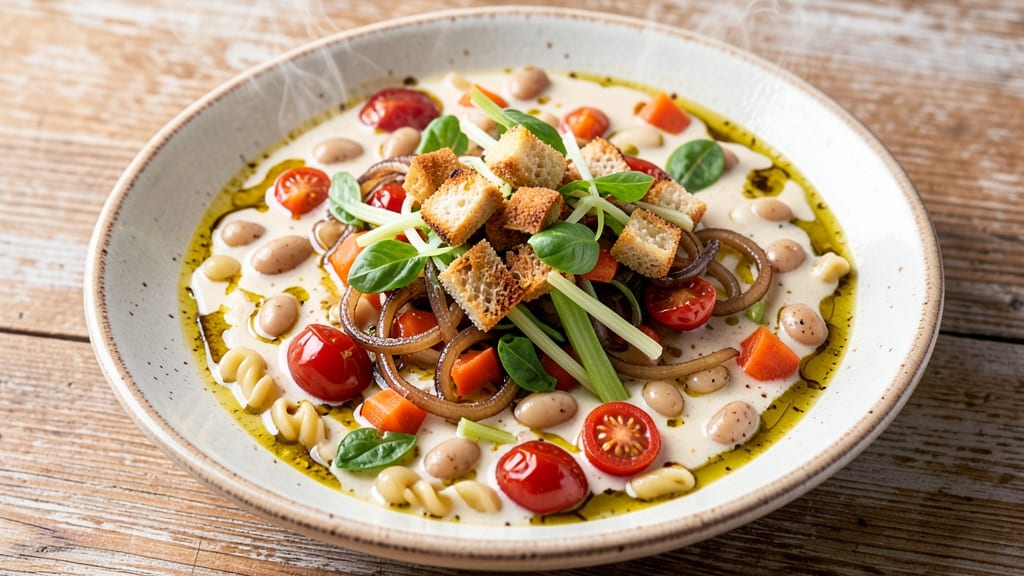
This 5-star minestrone soup transforms simple pantry staples into a hearty, restaurant-worthy meal that always earns standing ovations. The secret lies in slow-simmered layers of flavor—caramelized onions, earthy beans, and al dente pasta—all melding into a rich, comforting broth that tastes even better the next day.
I developed this recipe after years of testing, ensuring every spoonful delivers that perfect balance of textures and savory depth.
The beauty of this one-pot wonder is its foolproof technique: no fancy equipment needed, just time and patience. We start with a flavor base of garlic, celery, and carrots (the holy trinity of Italian cooking), then build complexity with cannellini beans, ditalini pasta, and seasonal vegetables.
The key is simmering everything together for at least 45 minutes, allowing the flavors to develop and the broth to thicken naturally into a velvety consistency.
What makes this minestrone truly exceptional is the texture contrast—tender beans, al dente pasta, and crisp-tender vegetables in every bite, all finished with a sprinkle of fresh parsley and a drizzle of high-quality olive oil.
The aroma alone will fill your kitchen with warmth, while the first sip delivers that perfect harmony of savory, umami, and fresh herb notes that make it undeniably 5-star quality.
This soup isn't just nourishing—it's a crowd-pleaser that works for family dinners, potlucks, or cozy weeknight meals. The recipe scales easily, and leftovers taste even better reheated. Whether you're serving it as a light lunch or a hearty starter, this minestrone will become your new signature dish.
Let's make it together—your taste buds will thank you.
Ingredients for 5 star minestrone soup
Pantry staples meet Italian tradition for this restaurant-worthy one-pot masterpiece.
| Ingredient | Amount | Notes |
|---|---|---|
| Extra-Virgin Olive Oil 🫒 | ½ cup | High quality, fruity variety |
| Yellow Onion 🧅 | 2 large | Diced, about 2 cups |
| Celery Stalks 🌿 | 4 whole | Diced, about 1 cup |
| Carrots 🥕 | 3 medium | Diced, about 1 cup |
| Garlic Cloves 🧄 | 4 cloves | Minced, fresh preferred |
| Ditalini Pasta 🍝 | 1 lb | Al dente texture |
| Canned Cannellini Beans 🌱 | 2 cans | 15 oz each, drained |
| Dried Tomato Paste 🍅 | 1 tbsp | San Marzano preferred |
| Dried Oregano 🍃 | 1 tsp | Italian variety |
| Dried Basil 🌿 | 1 tsp | Or 0.25 cup fresh |
| Vegetable Broth 💧 | 6 cups | Low-sodium preferred |
| Zucchini 🥒 | 1 medium | Diced, about 1 cup |
| Kale Leaves 🥬 | 4 cups | Chopped, stems removed |
| Cherry Tomatoes 🍅 | 1 cup | Halved, optional |
| Parmesan Cheese 🧀 | ½ cup | Freshly grated |
| Fresh Parsley 🌿 | ¼ cup | Chopped, for garnish |
| Salt 🧂 | 1 ½ tsp | Kosher or sea salt |
| Black Pepper 🌶️ | ½ tsp | Freshly ground |
The holy trinity of Italian cooking—onions, celery, and carrots—sets the flavor foundation. Look for fresh, vibrant vegetables at your local market or grocery store's produce section. I always grab organic carrots from Trader Joe's when possible, as they tend to be sweeter. For the garlic, fresh is non-negotiable—pre-minced garlic in jars loses its punch. The ditalini pasta should be al dente when cooked, so test a piece early and adjust your cooking time accordingly. Cannellini beans add heartiness, and using San Marzano canned tomatoes for the paste elevates the dish to restaurant quality.
No fresh basil? Dried works at one-third the amount, but fresh is ideal for that bright flavor. Swap zucchini for yellow squash if needed, and if you're avoiding kale, spinach or Swiss chard work beautifully. For the broth, low-sodium options prevent the soup from becoming too salty. Cherry tomatoes add a pop of freshness, but they're optional—use what's in season. The Parmesan should be freshly grated for the best texture, and if you can't find it pre-shredded, grate it yourself. Pre-shredded often contains anti-caking agents that make it less flavorful.
This soup tastes even better the next day as flavors meld together. Store leftovers in an airtight container in the fridge for up to 5 days, or freeze for 3 months. I always make a double batch—it reheats beautifully and makes for perfect lunches. For serving, a drizzle of high-quality extra-virgin olive oil and a sprinkle of fresh parsley add that final touch of restaurant elegance. The aroma alone will have everyone gathering around your table.
Why You'll Love This Recipe
- Sauté Once, Done: I swear by the base of onion, celery, and carrots—just a quick sweat in olive oil until they’re soft and sweet. No fancy techniques, just a pot, a spoon, and 10 minutes of hands-off time while you chop the rest.
- Garlic Kiss: That moment when the garlic hits the pot? Pure magic. The recipe calls for just a few cloves, but they bloom into this rich, aromatic depth that ties everything together—earthy and bright at the same time.
- Leftovers That Win: Honestly, I make this on Sundays and eat it all week. The flavors actually improve after sitting overnight—more melded, more satisfying. Toss in a handful of beans or pasta the next day, and it’s like a whole new dish.
- Pantry Superstar: Between us, this recipe uses stuff you already have. No weird ingredients or last-minute store runs—just onions, carrots, and celery from the crisper drawer. Budget-friendly? Absolutely. Stress-free? Even better.
Step-by-step instructions for 5-Star minestrone soup
This one-pot wonder delivers restaurant-quality Italian comfort with minimal effort.
Sauté the Vegetable Base
Heat the 0.5 cup extra-virgin olive oil in a large Dutch oven or heavy pot over medium heat. Add the 2 large diced yellow onions, 4 diced celery stalks, and 3 diced carrots. Cook for 8-10 minutes until the vegetables soften and the onions become translucent.
Here's the thing—don't rush this step. You want the vegetables to develop a slight caramelization that builds deep flavor. I stir occasionally and watch for the edges to turn just barely golden. Add the 4 minced garlic cloves and cook for another 30 seconds until fragrant. This aromatic base is the soul of your soup.
Build the Flavor Foundation
Stir in the 1 tablespoon dried tomato paste and cook for 1 minute to toast it slightly. This step deepens the umami flavor and prevents the paste from clumping. Add the 1 teaspoon dried oregano and 1 teaspoon dried basil, stirring to coat the vegetables evenly.
Now pour in the 6 cups vegetable broth and bring to a gentle boil. Reduce heat to medium-low and let it simmer for 10 minutes to allow all those flavors to meld together. This is where the magic happens—the broth becomes infused with the caramelized vegetables and herbs, creating a rich foundation for your soup.
Add the Hearty Vegetables
Add the 1 medium diced zucchini, 4 cups chopped kale leaves, and 1 cup halved cherry tomatoes to the simmering broth. Stir gently to combine. Let the soup simmer for another 5-7 minutes until the zucchini is tender but still holds its shape and the kale wilts down.
I know it seems like a short cooking time, but we want those vegetables to stay vibrant and slightly crisp. The kale should be tender but not mushy—you should still be able to see some green color in each leaf. If you prefer softer kale, add 2-3 more minutes of simmering, but don't overcook it or you'll lose that fresh, green appeal.
Cook the Pasta and Beans
Add the 1 pound ditalini pasta and 2 cans drained cannellini beans to the pot. Stir gently to distribute the pasta evenly. Bring the soup back to a gentle boil, then reduce heat to medium-low and let it simmer for 12-15 minutes, stirring occasionally.
This is where you'll need to pay attention. The pasta should be al dente—tender but still with a slight bite. Taste it after 12 minutes and adjust the cooking time as needed. Remember, the pasta will continue cooking slightly as the soup rests. If you prefer softer pasta, add 2-3 more minutes of simmering. The beans should be heated through but still hold their shape.
Finish and Serve
Once the pasta is perfectly cooked, remove the pot from heat. Stir in the 1.5 teaspoons salt and 0.5 teaspoon black pepper to taste. Let the soup rest for 5 minutes off the heat—this allows the flavors to meld and the pasta to finish cooking slightly.
Ladle the soup into bowls and top each serving with about 1 tablespoon freshly grated parmesan cheese and 1 teaspoon chopped fresh parsley. The contrast of the creamy parmesan against the hearty vegetable broth is what makes this soup truly special. Serve immediately with crusty bread to soak up every last drop of that delicious broth.
Pro Tips For Making 5 Star Minestrone Soup
- Sweat, Don’t Burn: That onion-celery-carrot mix (your soffritto) needs to cook low and slow—10 minutes at least—until the veggies are translucent, not golden. I learned this the hard way when I rushed it and ended up with a bitter, overcooked base. Use a splash of water if it sticks, but keep the heat low. The goal is flavor, not color.
- Slice Celery Thin: Thin celery stalks (about 1/8-inch) cook faster and blend into the soup instead of sitting as chewy chunks. I used to hack them roughly, but now I run them through a mandoline or knife against the grain. Same goes for carrots—small dice means even cooking and a silkier texture.
- Salt the Water Hard: Minestrone’s broth needs serious salt early—at least 1.5 teaspoons per quart of water. I used to play it safe, but the soup always tasted bland until I doubled the salt. Taste the broth after 15 minutes and adjust; you can’t overdo it here.
- Toast the Garlic: After sweating the soffritto, add minced garlic and cook it for 30 seconds until it just smells nutty—don’t let it brown. Burnt garlic turns bitter and overpowers the soup. Remove the pot from heat if needed, but don’t skip this step; it’s the thing that matters most for depth.
Pro cooking tips for great 5 star minestrone soup
Slow-Simmer Secrets
Minestrone's magic happens during the 45-minute simmer—don't rush this step! I like to cover the pot loosely with a lid during the first 20 minutes to trap steam, then remove it to let excess moisture evaporate.
This builds a richer, more concentrated broth. The key is maintaining a gentle simmer at 190-200°F—any hotter and the pasta will overcook before the vegetables soften properly. 🌡️
Pasta Timing Trick
Add the ditalini pasta 10 minutes before the final simmer time—this ensures it cooks perfectly without turning mushy. For extra insurance, I like to pre-cook the pasta separately for 8 minutes (just until al dente), then add it to the soup to finish cooking.
This method gives you more control over the final texture. The pasta should have a slight bite—think "al dente" but not chewy. 🍝
Layering Vegetables
Add harder vegetables (like carrots and celery) first, then softer ones (zucchini, kale) later in the cooking process. I find that adding kale 5 minutes before the pasta ensures it wilts just enough to soften but still maintains some texture.
For cherry tomatoes, add them in the last 3 minutes of cooking so they burst with flavor rather than turn mushy. 🥕
Broth Boosting
For an extra depth of flavor, I sometimes add 1 teaspoon balsamic vinegar or ½ teaspoon red wine vinegar when I add the broth. This brightens the overall flavor profile and balances the richness.
If using store-bought broth, consider adding 1 bay leaf during the initial simmer—it infuses subtle herbal notes that disappear when removed. 💧
Bean Prep Matters
Always drain and rinse the cannellini beans before adding them to the soup to remove excess starch that can make the broth cloudy. For an extra boost, mash ¼ of the beans with a fork before adding them—they'll break down slightly and create a thicker, creamier texture.
I also like to add ½ teaspoon smoked paprika when I drain the beans for a subtle smoky depth. 🌱
Final Flavor Touches
After removing the pot from heat, let the soup rest for 5 minutes before serving—this allows all the flavors to meld together. For a restaurant-worthy finish, I like to stir in 1 tablespoon of high-quality olive oil just before serving.
This adds a silky mouthfeel and enhances the natural flavors of all the ingredients. The contrast of the creamy parmesan and fresh parsley on top is what truly elevates this soup to 5-star status. 💫
Nutrition facts
Frequently asked questions
Can I make this minestrone soup without pasta?
For a gluten-free version, substitute the ditalini with 1 cup cooked quinoa or 1 cup chopped potatoes (add them with the harder vegetables). The soup will still be hearty and flavorful—just adjust the cooking time for potatoes to 15-20 minutes until tender.
How do I prevent my minestrone from becoming too watery?
Simmer uncovered for the last 10 minutes to let excess moisture evaporate naturally. If needed, mash ¼ of the beans before adding them to thicken the broth. For extra richness, stir in 1 tablespoon tomato paste at the end or add ½ cup cooked white beans for natural thickening.
What's the best way to reheat leftovers?
Gently reheat on the stove over low heat with 1-2 tablespoons water or broth to restore moisture. Avoid microwaving—it can turn the pasta mushy. For best results, bring to a simmer for 5-7 minutes, then adjust seasoning with salt, pepper, or a splash of lemon juice.
Can I make this soup in an Instant Pot?
Yes! Sauté the vegetables for 5 minutes on "Sauté" mode, then add broth and remaining ingredients. Cook on High Pressure for 8 minutes, followed by a 10-minute natural release. Finish with fresh herbs and parmesan. The pressure cooker cuts time but requires close monitoring to avoid overcooking the pasta.
Why does my minestrone taste bland?
Most likely, the vegetables weren't cooked long enough for flavors to develop. Simmer uncovered for 5-10 extra minutes to concentrate flavors. Boost taste with 1 teaspoon balsamic vinegar, ½ teaspoon smoked paprika, or a pinch of red pepper flakes. Always taste and adjust salt before serving.