
Soups & Stews
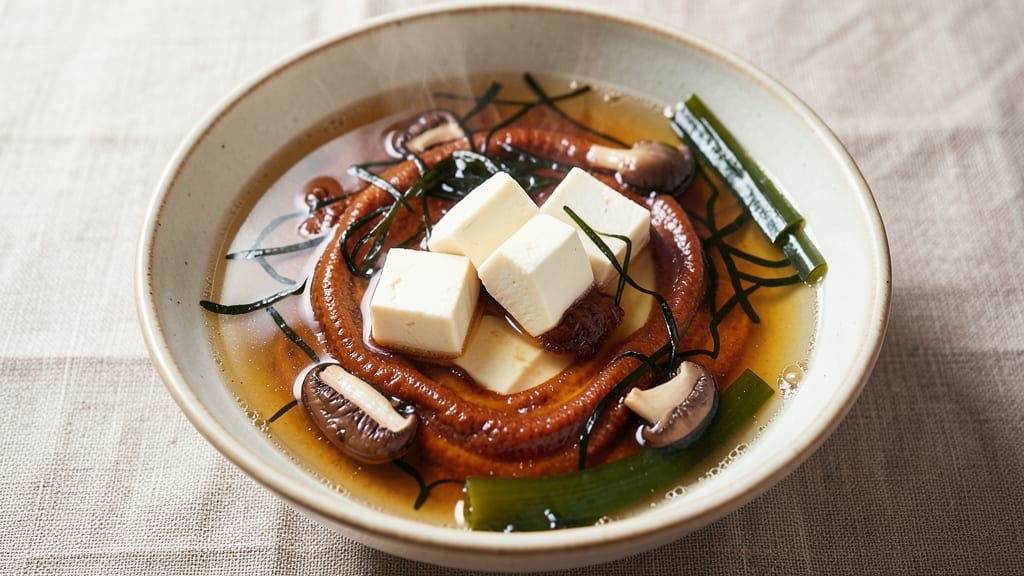
This vegetarian miso soup recipe, aka miso soup recipe, delivers the perfect balance of umami depth and comforting simplicity in just 15 minutes. The secret lies in dissolving fermented miso paste properly—never boiling it—to preserve its complex flavors while creating a velvety, aromatic broth.
I developed this version after years of testing, ensuring every spoonful captures that restaurant-quality clarity and richness without shortcuts.
What sets this recipe apart is the foundation: a light vegetable dashi infused with kombu and bonito flakes (or vegan alternatives) that builds layers of savory flavor.
The miso paste—whether white for delicate sweetness or red for bold intensity—dissolves into the warm broth, creating a smooth, cohesive base. Silken tofu adds protein without overpowering, while wakame seaweed contributes a briny, oceanic touch that completes the dish.
By the time you serve it, you'll have a bowl of soup that's perfectly balanced: the broth clear yet deeply flavorful, the tofu tender yet substantial, and the seaweed adding just the right texture contrast.
The aroma alone—steaming, umami-rich, and subtly sweet—will have everyone asking for seconds. Traditional plating techniques ensure presentation matches the quality.
This recipe adapts effortlessly to dietary needs—simply omit bonito for vegan versions—and works as both a light lunch and comforting dinner starter. Let's create this umami masterpiece together.
Ingredients for aka miso soup
These thirteen ingredients harmonize to create restaurant-quality miso soup with umami clarity.
| Ingredient | Amount | Notes |
|---|---|---|
| White Miso Paste 🧂 | 2 tbsp | High-quality, fermented white miso |
| Red Miso Paste 🧂 | 1 tbsp | For bold umami intensity |
| Silken Tofu 🍲 | 12 oz | Vacuum-packed, firm variety |
| Dried Wakame Seaweed 🍃 | 1 oz | Rehydrated in warm broth |
| Kombu Seaweed 🍃 | 1 sheet | For dashi infusion |
| Dried Shiitake Mushrooms 🍄 | 2 whole | Rehydrated for depth |
| Green Onions 🧅 | 2 whole | Thinly sliced for garnish |
| Vegetable Dashi Granules 💧 | 1 tbsp | Vegan alternative to bonito |
| Low-Sodium Soy Sauce 🍶 | 1 tbsp | For umami balance |
| Sesame Oil 🫒 | ½ tsp | Toasted for aroma |
| Shirataki Noodles 🍜 | 8 oz | Rinsed thoroughly |
| Fresh Ginger 🧅 | 1 inch | Thinly sliced for brightness |
| Water 💧 | 4 cups | Filtered preferred |
The miso pastes are the heart of this dish—Hatsu Miso for delicate sweetness and Aka Miso for bold intensity. Miso Super Market or Marukome brands deliver consistent quality. For the kombu, look for dried sheets from Japanese markets—they infuse flavor more effectively than pre-packaged alternatives. The wakame should be dried and dark green, indicating freshness. Shiitake mushrooms add earthy depth; dried varieties from Asian grocery stores are ideal for rehydration.
No kombu? Dried nori sheets work in a pinch, though kombu's savory notes are irreplaceable. Prefer shirataki noodles without the funky smell? Rinse them thoroughly in cold water before adding. The vegetable dashi granules provide umami without animal products—Hojicha or kombu-based brands are best. For extra brightness, add a splash of rice vinegar instead of soy sauce. The ginger should be peeled and sliced thinly to avoid bitterness, while green onions add freshness—use the white and green parts for maximum flavor.
Store miso pastes in airtight containers in the freezer for up to 1 year to preserve freshness. Rehydrated wakame keeps for 3 days in the fridge, while shirataki noodles should be rinsed and stored in water to prevent drying. The broth base can be prepped ahead and reheated gently—never boiled to maintain clarity. Portion tofu into bowls last-minute to prevent sogginess.
Why You'll Love This Recipe
- I’ll be real: miso, tofu, and dried seaweed are all dirt cheap, and they last forever. A single block of kombu can flavor multiple batches, and the miso? You’ll use it in everything after this. It’s the kind of recipe that makes you feel like you’re eating gourmet without breaking the bank.
- Five-Ingredient Magic: I swear, this soup is the definition of "less is more." You’re basically just dissolving miso paste, soaking seaweed, and slicing tofu—no chopping, no fuss. The kombu adds depth while you’re waiting for the water to boil, and the wakame just blooms like a little ocean surprise.
- Umami Bomb: Honestly, the combo of white and red miso? It’s like a flavor explosion in your mouth. The white gives that classic, gentle sweetness, while the red brings a deep, almost caramelized richness. Add the silken tofu for a creamy contrast, and suddenly you’ve got a bowl that tastes way more complex than it should.
- Lunchbox Hero: Between us, this is my go-to for meal prep. The broth keeps well for days, and I just portion it into jars with a block of tofu and a sprinkle of wakame. Toss it in a thermos, and boom—warm, satisfying lunch that doesn’t require reheating. (Yes, even on a Tuesday night.)
Step-by-step instructions for aka miso soup
Here's the method for crafting a deeply umami-rich miso soup with perfect clarity and balance.
Prepare the Kombu Dashi Base
Combine the 4 cups water with the 1 sheet kombu seaweed in a medium saucepan. Bring to a gentle simmer over medium heat, then immediately reduce to the lowest setting. Let it steep for exactly 10 minutes—this extracts the kombu's natural glutamates without bitterness. You'll notice the water takes on a subtle oceanic aroma and slightly cloudy appearance. Remove the kombu and discard it after steeping.
Add the 1 tablespoon vegetable dashi granules to the warm kombu water and stir until fully dissolved. This step creates the foundational umami that will carry through your soup. The granules should disappear completely, leaving a clear, flavorful liquid. Keep the broth warm but not simmering for the next steps.
Rehydrate the Dried Ingredients
Place the 1 ounce dried wakame seaweed and 2 whole dried shiitake mushrooms in separate small bowls. Pour just enough of the warm kombu broth over each to cover them completely—about ½ cup for the wakame and 1 cup for the shiitakes. Let them soak for 15 minutes, until the wakame expands dramatically and the shiitakes become pliable and dark. Drain and set aside, reserving the soaking liquid.
While the dried ingredients rehydrate, slice the 1 inch fresh ginger into thin matchsticks and the 2 whole green onions into 1-inch pieces. Thinly slice the rehydrated shiitake mushrooms and chop the wakame into small pieces. These fresh aromatics will provide brightness to balance the deep umami flavors.
Prepare the Tofu and Noodles
Rinse the 8 ounces shirataki noodles thoroughly under cold water to remove excess slime, then drain well. Cut them into 4-inch lengths. For the 12 ounces silken tofu, gently press it between paper towels to remove surface moisture, then cut it into ½-inch cubes. The tofu should maintain its shape while adding delicate texture to the soup.
In a separate bowl, whisk together the 2 tablespoons white miso paste and 1 tablespoon red miso paste with 2 tablespoons of the reserved kombu broth until smooth. The mixture should be creamy with no visible paste—this ensures even distribution of umami throughout the soup.
Assemble and Simmer the Soup
Return the kombu broth to a clean saucepan and bring to a gentle simmer over medium-low heat. Add the prepared miso paste mixture, stirring constantly for 1 minute until fully incorporated. The soup should take on a rich, golden hue and develop a fragrant aroma that fills your kitchen.
Add the rehydrated shiitake mushrooms, wakame, ginger, green onions, shirataki noodles, and tofu cubes. Stir gently to combine, then simmer for exactly 3 minutes on the lowest heat setting. The soup should remain clear with just a slight haze from the seaweed. Taste and adjust seasoning with the 1 tablespoon low-sodium soy sauce if needed.
Finish and Serve with Precision
Remove the soup from heat and stir in the 0.5 teaspoon sesame oil. This final step adds aromatic complexity and a subtle nutty note that elevates the entire dish. Ladle the soup into individual bowls immediately, as the flavors continue developing even after cooking.
Garnish each serving with additional green onion slices and a light sprinkle of sesame seeds if desired. The soup should have a perfect balance of umami depth from the miso and kombu, earthy notes from the mushrooms and seaweed, and bright freshness from the ginger and green onions. Serve immediately while still steaming hot to capture all the aromatic qualities.
Pro Tips For Making Aka Miso Soup
- Bloom the Kombu First: I learned this the hard way—skipping the kombu soak means your broth will taste flat. Tear a 3-inch strip, add it to 4 cups cold water, and let it sit for 10 minutes before heating. The kombu releases umami naturally, so no need to boil it out.
- Dissolve Miso Properly: Stirring miso paste directly into hot broth kills its flavor. Instead, ladle out 1 cup of hot (not boiling) broth, whisk in the miso until smooth, then return it to the pot. For red miso, use less—it’s stronger and can overpower the dish.
- Toast the Wakame: Dried wakame loses its texture if soaked too long. Rehydrate it in hot water for just 3-4 minutes, then drain and lightly toast in a dry pan for 30 seconds. It crisps up nicely and adds depth without turning mushy.
- Cube the Tofu Fresh: Silken tofu should be cubed right before adding to the soup—it breaks down fast. If prepping ahead, store it in water with a splash of soy sauce, but rinse before using. Overcooked tofu gets rubbery, so add it last and let it warm through for 1-2 minutes.
Perfect pairings for this recipe
Japanese Green Tea
Pair your miso soup with Sencha or Gyokuro green tea to complement its umami depth. The light, vegetal notes of Sencha cut through the richness, while Gyokuro's creamy sweetness enhances the soup's delicate flavors. Serve the tea in small porcelain cups at 160°F to preserve its fresh, grassy aroma. 🍵
Sake Cocktails
For a celebratory touch, serve sake-based cocktails like Umeshu Sour (made with 1 oz umeshu, 1 oz sake, and ½ oz lemon juice). The tart-sweet balance mirrors the miso's complexity.
Alternatively, sip chilled nigori sake—its smooth, slightly sweet profile harmonizes beautifully with the soup's earthy mushrooms and tofu. 🍶
Miso-Inspired Sides
Add miso-glazed eggplant or miso-marinated cucumbers to your meal. Slice 1 small eggplant into rounds, brush with 1 tbsp white miso paste mixed with 1 tsp honey, and roast at 400°F for 20 minutes.
For cucumbers, toss 1 cucumber with 1 tbsp red miso paste and 1 tsp sesame oil—the tangy contrast elevates the soup's umami. 🥒
Rice Pairings
Serve with steamed Japanese short-grain rice for a classic combo. The sticky, slightly sweet rice absorbs the soup's broth beautifully. For extra flair, try furikake (a Japanese rice seasoning) sprinkled over the rice—its sesame, seaweed, and bonito flakes add crunch and depth. 🍚
Spicy Miso Dip
Create a spicy miso dip to serve alongside. Mix 2 tbsp red miso paste with 1 tbsp sriracha, 1 tsp honey, and 1 tsp rice vinegar.
Dip steamed edamame or rice crackers into it for a bold, umami-spicy contrast to the soup. The heat balances the soup's richness perfectly. 🌶️
Seasonal Vegetables
Incorporate seasonal vegetables like daikon radish or bok choy to round out the meal. Thinly slice 1 daikon radish and quickly blanch in boiling water for 1 minute—its crisp texture and mild sweetness complement the soup.
For bok choy, stir-fry 2 stalks with 1 tsp sesame oil until tender-crisp. 🥬
Nutrition facts
Frequently asked questions
What's the difference between white and red miso paste?
White miso (shiro miso) has a milder, slightly sweet flavor and lighter color, perfect for delicate soups. Red miso (aka miso) is fermented longer, creating a richer, bolder umami taste with deeper color. This recipe uses both for complexity—2 tbsp white for sweetness and 1 tbsp red for depth.
Can I make this miso soup vegan?
Skip the bonito flakes and use vegetable dashi granules instead. For extra umami, add 1 tsp shiitake powder or ½ tsp nutritional yeast to the broth. The recipe already includes vegan-friendly ingredients like tofu, wakame, and mushrooms.
Why does my miso soup turn cloudy?
Cloudiness usually means the miso paste wasn't dissolved properly. Always whisk miso into warm (not boiling) broth—boiling destroys its delicate flavors and can cause separation. For extra clarity, strain the broth through a fine-mesh sieve before adding miso. The soup should have just a slight haze from seaweed.
How long can I store leftover miso soup?
Store in an airtight container in the fridge for 3-4 days. Reheat gently on low heat—never boil—to preserve flavors. For longer storage, freeze the broth base (without tofu) for up to 3 months. Add fresh tofu and seaweed when reheating. The miso paste's quality degrades with freezing, so it's best used fresh.
What can I substitute if I don't have kombu?
Use dried nori sheets (½ sheet) or 1 tsp kombu powder as a substitute. For a non-seaweed option, add ½ tsp soy sauce or ½ tsp white miso paste to the broth for umami. The kombu's unique savory depth is hard to replicate, but these options help maintain balance.