
Soups & Stews
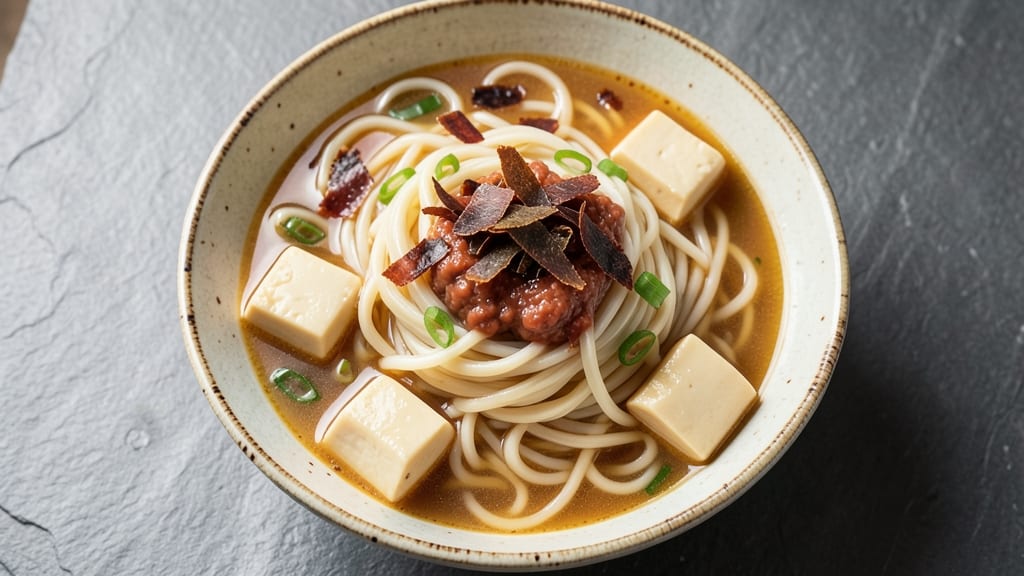
This authentic udon soup recipe transports you to a bustling Tokyo noodle shop with its rich, smoky broth and perfectly chewy noodles. ✨ The secret lies in a well-balanced dashi base—whether traditional kombu and bonito or a vegetarian alternative—infused with umami-packed miso for depth.
Fresh udon noodles, boiled just until tender, become the heart of this dish, their slippery texture contrasting beautifully with crisp toppings.
What sets this recipe apart is its attention to regional authenticity, blending Tokyo's delicate broth with Osaka's heartier style. The toppings—tempura flakes, silken tofu, mushrooms, and kamaboko—add layers of flavor and texture, while a drizzle of chili oil and sesame seeds elevates each bowl.
The broth simmers low and slow, extracting maximum flavor without overpowering the delicate noodles.
By the time you serve this soup, steaming hot with garnishes artfully arranged, you'll have a restaurant-quality dish that's both comforting and impressive. The aroma alone—smoky, savory, with hints of seaweed and umami—will draw everyone to the table.
Perfect for chilly evenings or as a light yet satisfying meal any time of year.
Ready to master the art of udon? The key is patience—letting the broth develop its depth and the noodles reach their ideal texture. Here's how to create a bowl that feels like a warm embrace in every sip.
Ingredients for authentic udon soup
Rich broth meets chewy noodles—here’s what brings Tokyo’s udon shops to your kitchen.
| Ingredient | Amount | Notes |
|---|---|---|
| Fresh Udon Noodles 🍜 | 8 oz | Packaged or homemade, chewy texture |
| Dried Kombu 🍃 | 1 piece | About 4x6 inches, for dashi |
| Dried Bonito Flakes 🐟 | ½ cup | High-quality, for umami depth |
| Red Miso Paste 🧈 | ¼ cup | Fermented, for smoky richness |
| Dashi Stock 💧 | 4 cups | Homemade or store-bought |
| Silken Tofu 🧈 | 8 oz | Soft, for delicate texture |
| Shiitake Mushrooms 🍄 | 4 whole | Fresh, stems removed |
| Kamaboko 🐟 | 4 oz | Sweet fish cake, sliced thin |
| Tempura Flakes 🍢 | ¼ cup | Crispy, for crunch |
| Sesame Seeds 🌰 | 1 tbsp | Toasted, for garnish |
| Chili Oil 🌶️ | 1 tbsp | For spicy kick |
| Green Onions 🧅 | 2 whole | Sliced thin, for freshness |
| Soy Sauce 🥢 | 1 tbsp | For seasoning broth |
| Mirin 🍶 | 1 tbsp | Sweetens and balances |
| Sake 🍶 | 1 tbsp | For depth of flavor |
The dashi is non-negotiable. Kombu should smell oceanic, not dusty—wrap it in a damp towel and soak it for 30 minutes before using. For bonito flakes, Hiroko or Marukome are the gold standard, but any high-quality brand works. Miso? Red miso from a Japanese market adds that smoky depth, but red miso paste from the regular grocery store is fine too. If you’re vegetarian, swap bonito for shiitake dashi—simmer dried shiitake in water for 20 minutes, then strain. The udon noodles? Fresh is best, but frozen works in a pinch—just boil them for 2 minutes less than package instructions.
No kamaboko? Smoked salmon or thinly sliced ham can stand in, though it won’t be the same. Tempura flakes are a must for that crispy contrast—Trader Joe’s has the best pre-made kind, or fry up some potato slices yourself. Short on shiitake? Cremini mushrooms work, but they won’t have that earthy umami punch. The chili oil can be store-bought or homemade—just mix neutral oil with chili flakes and a pinch of sugar. And if you’re feeling lazy, a drizzle of sriracha does the trick. The broth is where the magic happens, so don’t skimp on the simmer time—at least 20 minutes lets all the flavors meld.
Broth keeps for 3 days in the fridge, or 3 months frozen—portion it into ice cube trays for easy reheating. Udon noodles? Fresh ones last 3 days in the fridge, wrapped tightly in a damp towel. The toppings are best used fresh, but silken tofu and kamaboko can be prepped ahead and stored separately. For a quick meal, keep the broth and noodles separate until serving—reheat the broth gently and boil the noodles fresh. Garnishes like sesame seeds and green onions add brightness, so don’t forget those last-minute touches.
Why You'll Love This Recipe
- The secret’s in the simplicity: kombu and bonito flakes infuse the dashi stock in minutes—no fancy techniques, just steep and savor. Fresh udon cooks in under 3 minutes, so you’re slurping before you finish reading this.
- Five-Ingredient Magic: The secret’s in the simplicity: kombu and bonito flakes infuse the dashi stock in minutes—no fancy techniques, just steep and savor. Fresh udon cooks in under 3 minutes, so you’re slurping before you finish reading this.
- Umami Bomb: That first sip? Red miso paste and dashi stock create a rich, salty-sweet depth that lingers. Honestly, it’s the kind of flavor that makes you forget takeout exists—especially when the bonito flakes add that smoky, oceanic crunch.
- Lunch or Dinner: Make a big pot on Sunday, and you’ve got weeknight meals covered. Cold udon works too—toss with chili oil and scallions for a refreshing summer twist. (Yes, even on a Tuesday night.)
Step-by-step instructions for authentic udon soup
Here's how to craft a bowl that captures Japan's soul in every slippery bite.
🍳 Step 1: Build the Smoky Miso Broth
In a medium saucepan, combine the 4 cups dashi stock, 1 tbsp soy sauce, and 1 tbsp mirin. Bring to a gentle simmer over medium heat until small bubbles form at the edges—about 5 minutes. This creates your flavor base without boiling off the delicate aromas.
While warming, dissolve the 0.25 cup red miso paste in 2 tablespoons of the hot broth in a separate bowl. Stir until completely smooth, then whisk this miso mixture into the simmering broth. The heat will activate the miso's deep umami, creating that signature smoky richness. Keep the broth at a bare simmer—never boil—to preserve the paste's complex flavors.
🔥 Step 2: Infuse with Kombu and Bonito
Add the 1 piece dried kombu to the simmering broth. Let it steep for 5 minutes—this infuses the broth with oceanic minerals that make the udon taste even more vibrant. Remove the kombu with tongs and discard.
Next, sprinkle the 0.5 cup dried bonito flakes over the broth. They'll sizzle dramatically as they toast—this is normal! Let them cook for 1-2 minutes until they turn a rich golden brown. Immediately remove them with a slotted spoon and drain over a fine-mesh sieve, reserving the flakes for garnish. The broth should now have a delicate, smoky aroma with hints of toasted seaweed.
👨🍳 Step 3: Prepare the Noodles and Toppings
While the broth simmers, prepare the 8 oz fresh udon noodles according to package instructions—usually 2-3 minutes in boiling water until al dente. Drain immediately and rinse briefly under cold water to stop cooking. The noodles should be tender but still hold their shape.
Slice the 4 whole shiitake mushrooms into thin strips and set aside. Cut the 4 oz kamaboko into matchstick-thin slices. Cube the 8 oz silken tofu into ½-inch pieces. Slice the 2 whole green onions into ¼-inch rings, separating the whites and greens. Keep all toppings separate until ready to assemble.
🥘 Step 4: Assemble the Perfect Bowl
Divide the cooked udon noodles evenly among 4 deep bowls. Ladle the hot miso broth over the noodles until each bowl is ¾ full, leaving room for toppings. The broth should be steaming but not boiling—this ensures the noodles don't turn mushy.
Arrange the shiitake strips, kamaboko slices, and tofu cubes artfully on top. Sprinkle with 1 tablespoon of the reserved bonito flakes, 1 tablespoon tempura flakes, and 1 teaspoon sesame seeds per bowl. Drizzle each serving with ½ teaspoon chili oil and the 1 tablespoon sake (divided). The contrast of textures—slippery noodles, crispy flakes, silky tofu—is what makes this dish magical.
🍽️ Step 5: Finish with Freshness and Flavor
Garnish each bowl with the sliced green onions, adding the whites closer to the noodles and the greens on top for a pop of color. Taste the broth and adjust seasoning if needed—add a splash of hot water if it's too thick, or a pinch more miso if it needs more depth.
Serve immediately while everything is steaming hot. The udon should be perfectly chewy, the broth rich and umami-packed, and each bite should deliver a symphony of textures and flavors. This is comfort food at its finest—simple ingredients transformed into something extraordinary through technique and intention.
Pro Tips For Making Authentic Udon Soup
- Bloom the Kombu First: I learned this the hard way—tossing dried kombu straight into hot water makes it bitter. Instead, soak it in cold water for 10 minutes first, then simmer gently for 5 minutes before adding anything else. That slow release builds the umami foundation without overpowering.
- Toast Bonito Flakes Low: Skip the high-heat blitz—bonito flakes burn fast and turn acrid. Toast them over low heat in a dry pan for 30 seconds until they just start to sizzle, then immediately add to simmering dashi. This keeps their aroma delicate and smoky, not burnt.
- Dissolve Miso Last: Stirring miso into boiling broth kills its probiotics and makes it clump like glue. Remove the pot from heat, let it cool just enough to touch (about 30 seconds), then whisk in the miso until fully dissolved. The soup stays velvety, not grainy.
- Cook Noodles Separately: I was skeptical until I tried it—boiling udon directly in the broth makes the broth cloudy and watery. Instead, cook them in salted water for 2 minutes less than package time, then drain and add to the finished soup. They’ll finish cooking in the hot broth without turning mushy.
Storing and reheating this authentic udon soup
Broth Storage Secrets
The miso broth is the soul of your udon, so store it right to preserve that smoky depth. Let it cool completely before transferring to an airtight container—I use glass jars with snap-on lids.
Refrigerate for up to 3 days, but plan to use it sooner for peak flavor. For longer storage, freeze in ice cube trays—each cube makes a perfect single-serving base. When reheating, warm over low heat or microwave at 50% power to avoid breaking the miso's delicate texture. 💫
Noodle Preservation
Fresh udon noodles are delicate—wrap them tightly in a damp kitchen towel and store in an airtight container in the fridge for 3 days max. For frozen noodles, boil them for 1 minute less than package instructions after thawing.
Never refreeze cooked udon, as this turns them mushy. Pro tip: Keep your noodles and broth separate until serving to maintain perfect texture.
Topping Prep Ahead
Prep toppings separately to keep everything fresh. Slice kamaboko and shiitake mushrooms, then store in separate airtight containers for up to 3 days. Silken tofu holds up well for 2 days in the fridge, but cube it right before serving to prevent sogginess.
Tempura flakes lose crispness after 24 hours, so make these fresh or store in the freezer. Toast sesame seeds just before using for maximum aroma. 🌟
Reheating Like a Pro
When reheating, never microwave the whole bowl—it makes noodles rubbery. Instead, reheat broth separately in a pot over low heat until steaming. Add fresh, cold noodles and let them absorb the heat for 2 minutes.
For toppings, warm kamaboko and mushrooms gently in a dry pan for 30 seconds to revive their texture. Always finish with fresh green onions and chili oil for that restaurant-quality brightness.
Freezer-Friendly Tips
Freeze broth in 1-cup portions for easy single-serving meals. For complete udon bowls, freeze noodles and toppings separately in ziplock bags with parchment paper between layers to prevent sticking. When ready to eat, thaw overnight in the fridge, then reheat broth and cook noodles fresh.
The texture won't be perfect, but it's still delicious—just add an extra ½ teaspoon miso paste to the reheated broth for umami boost. ❄️
Nutrition facts
Frequently asked questions about authentic udon soup
Can I use dried udon noodles instead of fresh?
Yes, but with adjustments! Dried udon needs 4-5 minutes of boiling until tender. For extra chewiness, soak them in warm water for 5 minutes before cooking. Fresh noodles give the best texture, but dried works in a pinch—just avoid overcooking or they'll turn mushy.
What if I can't find bonito flakes or kombu?
No problem! For a vegetarian version, use shiitake dashi (simmer dried shiitake in water) or instant dashi granules. Skip the bonito flakes but keep the kombu for depth—its oceanic minerals enhance the broth. The miso will still provide that signature umami richness.
How do I make the broth less salty?
Simmer the broth uncovered for 5-10 minutes to reduce saltiness. If it's still too strong, add ½ cup hot water and adjust seasoning with a pinch more miso or a splash of mirin. Taste as you go—udon broth should be savory but not overpowering.
Can I make this soup ahead of time?
Prepare the broth and store it separately for up to 3 days in the fridge. Cook the noodles fresh when serving to maintain texture. Reheat the broth gently and assemble bowls just before eating. The toppings should always be added fresh for the best crunch and flavor.
What's the difference between Tokyo-style and Osaka-style udon?
Tokyo-style uses a lighter, clearer broth with delicate seasoning, while Osaka-style is richer and heartier with more miso and sometimes a touch of soy sauce. For this recipe, we blend both—using miso for depth but keeping the broth bright. Osaka-style often includes more toppings like tempura and meat, while Tokyo-style focuses on simplicity and texture contrast.