
Soups & Stews
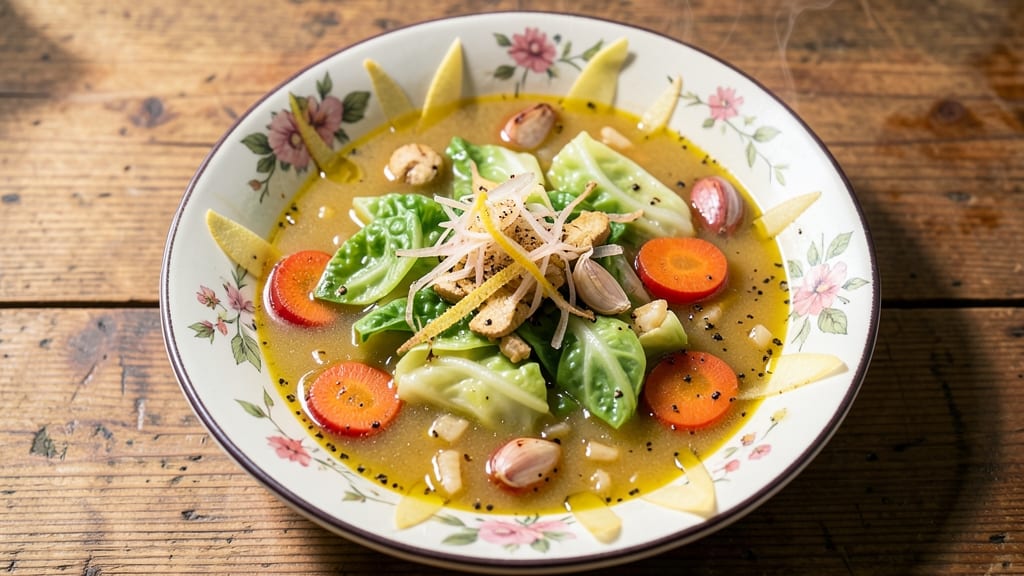
This anti-inflammatory cabbage soup recipe transforms humble cabbage into a vibrant, gut-soothing powerhouse packed with turmeric and ginger. 🌿 The secret lies in its carefully balanced ingredients—cabbage for fiber and vitamin C, garlic for immune support, and turmeric and ginger for their potent anti-inflammatory properties.
What makes this soup special is how it combines bold flavors with health benefits, making it perfect for anyone looking to nourish their body without sacrificing taste.
The recipe begins with sautéing garlic and onions until fragrant, then adding shredded cabbage and carrots to build a flavorful base. A simmering broth infused with turmeric, ginger, and a splash of apple cider vinegar deepens the soup’s complexity while boosting its anti-inflammatory effects.
The result is a hearty, comforting bowl that’s as nourishing as it is delicious—ideal for meal prep or a quick weeknight dinner.
By the time you finish, you’ll have a soup that’s rich in antioxidants, fiber, and vitamins while being gentle on digestion. The turmeric and ginger work together to reduce inflammation, while the cabbage provides a satisfying crunch and nutrient boost.
This isn’t just another soup—it’s a wellness-boosting meal that aligns with anti-inflammatory principles without compromising on flavor.
Serve it warm with a sprinkle of fresh herbs or a drizzle of olive oil for extra richness. The beauty of this recipe lies in its versatility—it works as a standalone meal or pairs perfectly with whole-grain bread. Let’s get cooking!
Ingredients for anti inflammatory cabbage soup
Transform humble cabbage into an anti-inflammatory powerhouse with these carefully chosen ingredients.
| Ingredient | Amount | Notes |
|---|---|---|
| Green Cabbage 🥬 | 8 cups | Shredded, outer leaves removed |
| Yellow Onion 🧅 | 1 whole | Diced, medium size preferred |
| Garlic Cloves 🧄 | 3 cloves | Minced, fresh preferred |
| Carrots 🥕 | 3 medium | Peeled, sliced into rounds |
| Fresh Turmeric Root 🌿 | 1 ½ tbsp | Grated, organic preferred |
| Fresh Ginger Root 🌿 | 1 ½ tbsp | Grated, peeled |
| Apple Cider Vinegar 🍏 | 2 tbsp | Raw, unfiltered preferred |
| Vegetable Broth 💧 | 4 cups | Low-sodium, homemade or quality |
| Extra-Virgin Olive Oil 🫒 | 2 tbsp | Cold-pressed, fruity |
| Fresh Cilantro 🌿 | ¼ cup | Chopped, stems removed |
| Fresh Parsley 🌿 | ¼ cup | Chopped, flat-leaf preferred |
| Sea Salt 🧂 | 1 ½ tsp | Diamond Crystal preferred |
| Black Peppercorns 🌶️ | ½ tsp | Freshly ground |
| Lemon Juice 🍋 | 1 tbsp | Freshly squeezed |
The turmeric and ginger are the stars here—organic roots from a trusted source like Whole Foods or your local farmer's market deliver the most potent anti-inflammatory benefits. Look for vibrant, firm roots with no soft spots. For the cabbage, green or purple varieties work best—their higher vitamin C content enhances the soup's immune-boosting properties. Pre-shredded cabbage from the bag is convenient, but whole heads yield fresher, crunchier results. Carrots should be firm and brightly colored; orange or purple varieties add extra antioxidants to the mix.
No fresh turmeric or ginger? Ground turmeric at half the amount works in a pinch, though fresh provides superior anti-inflammatory compounds. Substitute apple cider vinegar with lemon juice at equal measure for brightness. For a deeper umami profile, add 1 tbsp soy sauce or miso paste to the broth. The cilantro and parsley can be swapped for fresh basil or dill if needed, though they contribute unique herbal notes that complement the turmeric's earthiness. Always use extra-virgin olive oil—its high polyphenol content enhances the soup's anti-inflammatory properties.
Store the soup in glass containers for up to 5 days in the refrigerator, though it tastes best within 3 days for maximum freshness. For longer storage, freeze in airtight containers for up to 3 months. The turmeric and ginger lose potency over time, so reheat gently to preserve their benefits. This soup reheats beautifully—simmer on low heat with a splash of broth to maintain its rich texture. Portion into meal prep containers for easy grab-and-go lunches throughout the week.
Why You'll Love This Recipe
- Pantry Stash Magic: I swear by this recipe because it uses what’s already lurking in my fridge. No special shopping trips—just cabbage, onions, and that jar of turmeric I bought on a whim months ago. The carrots? Whatever’s left from last week’s roast. It’s the kind of meal that turns "I don’t feel like cooking" into "I made dinner."
- Turmeric-Kissed Depth: Between us, the fresh turmeric root is the MVP. It’s not just a spice—it’s a flavor bomb that lingers like a warm hug. The cabbage softens into something almost buttery, while the garlic and onions caramelize just enough to make every spoonful feel intentional. Honestly, I’ve had bland soups before, but this? It’s the kind that makes you pause mid-bite.
- Lunchbox Hero: This soup is my go-to for meal prep because it stays good. Pack it in jars for work, and it’s still vibrant by Wednesday. My kids (the picky ones) actually eat it cold as a side salad—shredded cabbage, a drizzle of olive oil, and they’re happy. And if I forget to eat it all? It freezes like a dream, no texture loss.
- Budget-Friendly Powerhouse: A whole head of cabbage and a few carrots feed my family for days. I’ll be real: the fresh turmeric is the splurge, but even that lasts through multiple batches. It’s the kind of recipe that makes me feel fancy without breaking the bank. Plus, the leftovers? They’re my secret weapon for lazy days when I just need something hearty.
Step-by-step instructions for anti-inflammatory cabbage soup
Transform simple ingredients into a potent gut-soothing broth with these precise techniques.
🍳 Step 1: Sauté Aromatics for Foundational Flavor
Heat the 2 tablespoons extra-virgin olive oil in a large Dutch oven over medium heat until shimmering. Add the 1 whole yellow onion and cook for 5-6 minutes until softened and translucent, stirring occasionally to prevent browning.
Add the 3 medium carrots and cook for another 3 minutes until they begin to soften slightly. Here's the thing—this gentle cooking releases their natural sweetness while preserving their vibrant color. The reason we wait until the onion is fully translucent is that raw onion can make the soup bitter if added later.
🍳 Step 2: Incorporate Root Powders and Garlic
Reduce heat to medium-low and stir in the 1.5 tablespoons grated fresh turmeric root and 1.5 tablespoons grated fresh ginger root. Cook for 1 minute until fragrant—you'll notice the aroma deepen as the volatile oils activate. This is where the soup's anti-inflammatory properties really begin to develop.
Add the 3 cloves minced garlic and cook for 30 seconds until golden but not browned. Watch the heat carefully—garlic burns quickly and becomes bitter. The moment you see the edges just beginning to color, it's time to move on. This step creates the flavor foundation that carries through the entire soup.
🥘 Step 3: Build the Broth Base
Pour in the 2 tablespoons apple cider vinegar and deglaze the pot, scraping up any browned bits from the bottom. This adds depth and helps tenderize the cabbage. Add the 4 cups vegetable broth and bring to a gentle simmer over medium-high heat. Once simmering, add the 8 cups shredded green cabbage and 1.5 teaspoons sea salt.
Real talk: the cabbage will release a lot of water initially, so don't be tempted to add extra broth. The soup should bubble gently but not vigorously—this ensures the cabbage cooks evenly without becoming mushy. Let it simmer uncovered for 20 minutes until the cabbage is tender but still holds its shape.
🔥 Step 4: Season and Finish
Stir in the 0.5 teaspoon freshly ground black peppercorns and 1 tablespoon lemon juice. Taste and adjust seasoning—you might need a pinch more salt since we're using low-sodium broth. The lemon juice brightens all the earthy flavors and adds a subtle acidity that balances the richness.
Remove from heat and let the soup rest for 5 minutes before stirring in the 0.25 cup chopped fresh cilantro and 0.25 cup chopped fresh parsley. This resting period allows the flavors to meld completely. The herbs should be added last to preserve their vibrant color and fresh aroma.
🍽️ Step 5: Serve Warm with Optional Garnishes
Ladle the soup into bowls and serve immediately. The soup should be vibrant green with visible cabbage strands and a light foam on top. Each spoonful should deliver a balance of earthy cabbage, sweet carrots, and the warm, spicy kick from the turmeric and ginger.
For extra anti-inflammatory benefits, serve with a side of steamed kale or a sprinkle of hemp seeds. The soup keeps well in the refrigerator for 4-5 days, though it tastes best fresh. If it thickens overnight, simply stir in a splash of water or broth to restore the perfect consistency.
Pro Tips For Making Anti Inflammatory Cabbage Soup
- CHOP CABBAGE SMALLER THAN YOU THINK: Thin, even slices—no wider than ¼ inch—cook faster and stay tender without turning to mush. I used to overlook this, and my soup always ended up with chewy cabbage chunks. Trust me, the smaller the pieces, the better the texture.
- SWEAT ONIONS LOW AND SLOW: Cook onions over medium-low heat until they’re translucent but not browned—this builds flavor without bitterness. I learned the hard way that rushing this step makes the whole soup taste flat. Patience here pays off.
- GRATE TURMERIC FRESH—NO SUBSTITUTES: Skip the powder if possible; fresh turmeric root adds depth and anti-inflammatory punch. If you must use powder, add it at the end—heat destroys some of its potency. (Yes, even if you’re impatient like me.)
- ADD GARLIC AT THE END: Toss in minced garlic with the turmeric in the last 5 minutes—this preserves its sharp, fresh flavor instead of letting it turn bitter. I was skeptical until I tried it; now I won’t make soup any other way.
Best sauces and condiments for anti inflammatory cabbage soup
Turmeric-Ginger Broth
Start with a simple turmeric-ginger broth by simmering 1.5 tablespoons grated fresh turmeric and 1.5 tablespoons grated fresh ginger in 4 cups vegetable broth for 10 minutes. Strain if you prefer a smoother texture, or leave it slightly chunky for extra flavor.
The key is to let the roots infuse the broth completely—this is where the soup gets its signature anti-inflammatory punch. 🌿
Apple Cider Vinegar Finish
Add 2 tablespoons apple cider vinegar at the end of cooking to brighten the soup and enhance its gut-soothing properties. The vinegar also helps tenderize the cabbage and balances the earthy flavors of the turmeric and ginger.
For a tangier kick, squeeze in 1 tablespoon fresh lemon juice before serving. This finishing touch elevates the dish from ordinary to extraordinary.
Olive Oil Drizzle
Finish your soup with a generous drizzle of extra-virgin olive oil—about 1 tablespoon per serving. The oil not only adds richness but also enhances the absorption of fat-soluble antioxidants from the turmeric and ginger.
Plus, it makes the soup feel indulgent while keeping it light. I like to use a high-quality Italian extra-virgin olive oil for its fruity notes and health benefits.
Herb-Infused Oil
For an extra layer of flavor, infuse your olive oil with fresh herbs before drizzling. Heat 2 tablespoons olive oil with 1 tablespoon chopped fresh cilantro and 1 tablespoon chopped fresh parsley over low heat for 2 minutes.
Let it cool slightly before drizzling over the soup. This adds a fragrant, herbaceous note that complements the turmeric and ginger beautifully.
Spicy Chili Oil
If you love a little heat, finish your soup with a drizzle of chili oil. Mix 1 tablespoon olive oil with ½ teaspoon red pepper flakes and a pinch of sea salt, then heat gently until fragrant.
The oil will carry the spicy kick while keeping the soup balanced. This is a game-changer for those who enjoy a bit of warmth with their anti-inflammatory meal. 🌶️
Creamy Coconut Milk Swirl
For a creamy twist, stir in 2 tablespoons coconut milk at the end of cooking. The coconut milk adds a velvety texture while introducing healthy fats that help your body absorb the turmeric’s anti-inflammatory compounds even better.
Just be sure to use full-fat coconut milk for the best results. This works especially well if you’re serving the soup as a light lunch or dinner.
Nutrition facts
Frequently asked questions
Can I use purple cabbage instead of green?
Purple cabbage works beautifully—it adds a stunning color and even more antioxidants. Use the same 8 cups measurement, but note the soup may take 2-3 minutes longer to reach tender perfection due to its denser structure. The flavor remains identical, just with a pretty purple hue!
How do I make this soup spicier?
Add ½ teaspoon cayenne pepper or 1 teaspoon fresh chili flakes when sautéing the aromatics. For heat lovers, finish with a drizzle of spicy chili oil (mix 1 tbsp olive oil with ½ tsp red pepper flakes). The turmeric's warmth pairs perfectly with spice, creating a balanced kick.
Is this soup safe for people with arthritis?
Yes! This recipe is specifically designed to support joint health. The combination of turmeric (a natural anti-inflammatory), ginger (reduces joint pain), and cabbage (rich in vitamin C for collagen) makes it ideal for arthritis management. The ginger and turmeric work synergistically to reduce inflammation markers in the body. Always consult your doctor for personalized advice.
Can I make this soup in an Instant Pot?
Certainly! Sauté the onion, carrots, turmeric, ginger, and garlic first. Then add all remaining ingredients (including cabbage) and cook on high pressure for 3 minutes, followed by a natural release. The Instant Pot version cooks faster but may require 1 extra cup of broth to prevent sticking. The flavor remains identical—just more convenient!
Why does my soup taste bitter?
Bitterness usually comes from overcooked cabbage or garlic. For future batches, reduce simmering time to 18 minutes and add garlic only 30 seconds before the cabbage. A splash of lemon juice or extra apple cider vinegar at the end can also brighten flavors. Always use fresh ingredients—they make all the difference!