
Soups & Stews
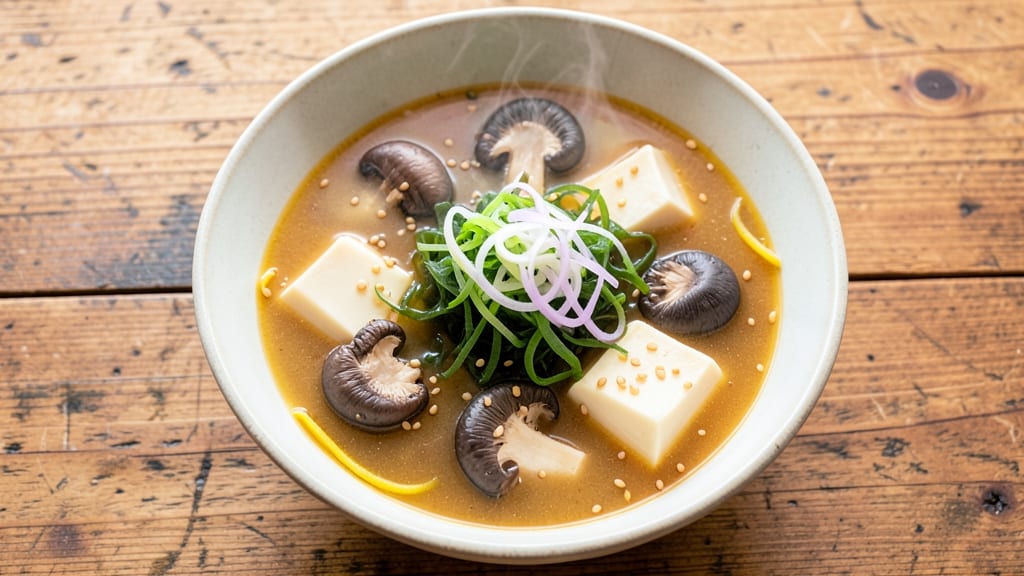
This Asian miso soup recipe delivers the perfect balance of umami depth and comforting simplicity, transforming basic ingredients into a silky, flavorful noodle bowl that's both restaurant-quality and effortlessly homemade. The secret lies in a slow-simmered broth infused with miso paste, creating layers of savory richness that transform ordinary ingredients into something extraordinary. What makes this recipe truly special is its versatility—whether you're following traditional Japanese techniques or adapting it to modern tastes, the result is always deeply satisfying.
The foundation of any great miso soup is the broth, where miso paste dissolves into the simmering liquid to create that signature umami flavor. We'll build this broth from scratch using dashi stock, a simple yet profound Japanese technique that forms the heart of the dish.
The addition of delicate noodles, soft tofu, and fresh vegetables like scallions and mushrooms creates a harmonious balance of textures and flavors—creamy, crisp, and tender all in one bowl. This recipe is designed to be both approachable for beginners and refined enough to impress seasoned cooks.
By the time you finish this recipe, you'll have a steaming bowl of miso soup with a velvety broth that clings to every noodle and bite of tofu.
The aroma alone will transport you to a bustling Tokyo street market, while the first spoonful delivers that perfect harmony of salty, savory, and slightly sweet notes.
The beauty of this dish lies in its ability to adapt—swap in seasonal vegetables, adjust the miso paste for stronger or milder flavor, or even make it vegan with simple substitutions.
It's the kind of meal that feels both comforting and sophisticated, perfect for a quick weeknight dinner or a special gathering.
Whether you're serving this as a light lunch or a starter for a larger meal, this Asian miso soup recipe ensures you'll always have a flavorful, nourishing dish at your fingertips.
The process is straightforward, but the result is anything but ordinary—proof that sometimes, the most simple recipes create the most memorable meals. Let's get started on crafting your perfect bowl of umami-rich comfort.
Ingredients for asian miso soup
These simple yet transformative ingredients create a bowl of umami perfection every time.
| Ingredient | Amount | Notes |
|---|---|---|
| White Miso Paste 🧂 | 3 tbsp | White or shiro miso preferred |
| Dashi Stock 💧 | 4 cups | Homemade or quality store-bought |
| Fresh Mushrooms 🍄 | 1 cup | Shiitake or cremini sliced thin |
| Silken Tofu 🧀 | 8 oz | Soft or medium firm, cubed |
| Fresh Scallions 🧅 | ¼ cup | Thinly sliced, green parts only |
| Fresh Wakame Seaweed 🌊 | 1 package | Dried, rehydrated in water |
| Rice Noodles 🍜 | 4 oz | Fresh or dried, cooked al dente |
| Sesame Oil 🫒 | 1 tsp | Toasted for aroma |
| Soy Sauce 🥄 | 1 tbsp | Light or dark variety |
| Rice Vinegar 🍶 | 1 tbsp | For brightness |
| Sesame Seeds 🌰 | 1 tsp | Toasted for garnish |
| Sea Salt 🧂 | ½ tsp | Fine grain preferred |
| Fresh Ginger 🧄 | 1 tsp | Grated, fresh only |
| Vegetable Oil 🫒 | 1 tbsp | For cooking mushrooms |
The miso paste is where all the magic happens—look for white or shiro miso at Asian markets or the international aisle of your grocery store. Marukome or Hatsu-maru are my go-tos, but any quality brand works. Fresh mushrooms? Shiitake or cremini add that meaty texture, but baby bella mushrooms (aka button mushrooms) work in a pinch. The dashi stock is non-negotiable for authentic flavor—homemade with kombu and bonito flakes is ideal, but even the store-bought stuff (like Honten) elevates everything. Silken tofu should be soft enough to cut with a spoon—never firm—and the wakame? Rehydrate it in cold water for 5 minutes before using. Trust me, it makes all the difference.
No white miso? Red miso at half the amount works, though it'll be richer and deeper. Short on mushrooms? Spinach or bok choy wilts beautifully into the broth. The rice noodles can be fresh or dried—just remember dried need soaking. Japanese rice noodles (like Kinako brand) are perfect, but any rice noodles work. Sesame oil is a must for that nutty aroma, but if you're avoiding it for health reasons, toasted sesame paste at half the amount gives similar flavor. The wakame package usually comes dried—just rinse it well before using. And that fresh ginger? Peel it first—the skin's bitter. Pro tip: Make extra dashi stock while you're at it—it keeps for weeks in the fridge.
This soup tastes even better the next day—the flavors meld beautifully when reheated. Store leftovers in the fridge for up to 4 days, or freeze for 3 months. I always double the batch because it disappears so fast. The broth keeps well too—strain it and freeze it in ice cube trays for quick future meals. Fresh herbs like scallions and sesame seeds are best added right before serving, but if you're prepping ahead, store them separately and toss them in right before eating. The tofu? Add it last so it stays silky, not soggy.
Why You'll Love This Recipe
- Five-Ingredient Magic: I swear, this is the kind of soup where you measure, simmer, and boom—flavor without the fuss. White miso and dashi do all the heavy lifting, so you’re basically a soup chef after one pot.
- Umami Bomb: That first spoonful? Rich, salty, and just a little funky—like a cozy hug in a bowl. The mushrooms add earthy depth, while silken tofu keeps it silky-smooth. Honestly, I reach for this when I need a taste of Japan without leaving my kitchen.
- Leftover Goldmine: Make a big batch on Sunday, and you’ve got lunch for the week. The flavors actually improve the next day—yes, really. Toss in extra scallions or a soft-boiled egg for variety, and suddenly you’re the meal-prep hero.
- Budget-Friendly Luxury: Fresh mushrooms and tofu might sound fancy, but they stretch further than you’d think. A single block of miso and a bag of shiitakes feed four for under $10. Between us, this is the soup that makes me feel fancy without breaking the bank.
Step-by-step instructions for Asian miso soup with silky broth
This umami-packed noodle bowl comes together in minutes with simple techniques that guarantee depth of flavor.
Prepare the Wakame and Ginger Infusion
Start by rehydrating the fresh wakame seaweed in 1 cup hot water for 5 minutes until softened. Meanwhile, grate the fresh ginger using a fine grater or microplane—you should have about 1 teaspoon of fragrant, finely textured ginger. In a small bowl, combine the ginger with 1 tablespoon vegetable oil and let it sit while you prep the rest.
This step builds the aromatic foundation of your soup. The wakame adds a delicate oceanic sweetness, while the ginger infuses the oil with bright, zesty warmth. Don't skip the rehydration—dried wakame needs this step to soften properly and release its full flavor. I like to use a fine-mesh strainer to drain the wakame after soaking, squeezing out any excess water gently with my fingers.
Cook the Mushrooms and Tofu
Heat a large pot over medium heat and add 1 tablespoon vegetable oil. Once hot, add the sliced fresh mushrooms and cook for 4-5 minutes until they release their moisture and turn golden brown at the edges. Remove the mushrooms with a slotted spoon and set aside.
In the same pot, add the cubed silken tofu and cook gently for 2 minutes, just until lightly warmed through. The tofu should maintain its shape—don't overcook or it'll turn rubbery. This step ensures your tofu has a subtle sear that complements the delicate broth. I press down gently on the tofu cubes during the first minute to prevent them from curling and ensure even contact with the pan.
Build the Umami-Rich Broth
Return the mushrooms to the pot and add the 4 cups dashi stock and the ginger-infused oil. Bring to a gentle simmer over medium-low heat, then stir in the 3 tablespoons white miso paste and ½ teaspoon sea salt. Simmer for 5 minutes—this allows the miso to dissolve completely and develop its signature depth of flavor.
Here's the thing—miso needs gentle heat to activate properly. If you boil it, the delicate umami compounds break down and you lose that rich, savory complexity. You'll know it's ready when the broth is smooth with no visible miso granules and smells intensely aromatic. The ginger will have infused the broth with a subtle warmth that brightens every spoonful.
Finish with Noodles and Aromatics
Cook the 4 ounces rice noodles according to package instructions (usually 3-5 minutes in boiling water) until al dente. Drain and immediately add them to the miso broth along with the rehydrated wakame. Stir gently to combine, then add the 1 tablespoon soy sauce and 1 tablespoon rice vinegar. Taste and adjust seasoning—you might want to add a pinch more salt or vinegar to balance the flavors.
This is where the soup comes together. The noodles should absorb just enough broth to soften slightly but remain with a pleasant bite. The wakame adds texture while the vinegar brightens the rich miso base. I like to let the soup sit off heat for 2-3 minutes—this allows all the flavors to meld together perfectly. The broth should coat the back of a spoon with a silky, velvety texture.
Garnish and Serve Immediately
Ladle the soup into bowls and top each serving with ¼ cup of the sliced fresh scallions and a sprinkle of 1 teaspoon toasted sesame seeds. Drizzle with 1 teaspoon sesame oil just before serving—this adds a final layer of nutty aroma that elevates the dish.
Serve immediately while the noodles are warm and the broth is steaming. The contrast of textures—silky broth, tender noodles, delicate wakame, and crisp scallions—makes every bite exciting. This soup tastes even better the next day as the flavors continue to develop, but the noodles will be slightly softer. Enjoy with a side of steamed greens or a simple cucumber salad for a complete meal.
Pro Tips For Making Asian Miso Soup
- Dissolve Miso Slowly: Heat your dashi to just under a simmer—around 170°F (77°C)—before adding the miso paste. Stirring in a few tablespoons of hot broth first helps it melt smoothly without activating bitter compounds. I learned this the hard way when my soup tasted harsh and uneven—now it’s always creamy and balanced.
- Slice Mushrooms Thin: Cut your fresh mushrooms into ¼-inch slices so they cook through in 2–3 minutes without turning to mush. Thicker pieces release water and dilute the broth. My grandmother swore by this, and she was right: even shiitake hold their shape better this way.
- Cube Tofu Cold: Keep the silken tofu refrigerated until you’re ready to add it to the soup. Cutting it into ½-inch cubes while cold prevents it from falling apart in the hot broth. I was skeptical until I tried it—now my tofu stays intact and soaks up flavor instead of turning to slurry.
- Finish with Scallions: Reserve a handful of scallions to add at the very end, right before serving. Their sharp bite cuts through the richness of the miso and tofu, and they stay crisp instead of wilting. Sounds weird, but it works—like a bright punctuation mark in every bowl.
Creative variations of this dish
Japanese Home-Style
This classic version stays true to traditional Japanese flavors while keeping it simple. Use red miso paste instead of white for a deeper, heartier broth—just reduce the amount to 2 tablespoons to avoid overpowering the delicate ingredients.
Add 1 tablespoon mirin when combining the miso with the broth for a touch of sweetness that balances the saltiness. Garnish with thinly sliced nori strips and a sprinkle of furikake (Japanese seasoning) for that authentic market-fresh feel. 🌸
Spicy Korean Twist
Transform your miso soup into a Korean-inspired kongguksu by adding 1 tablespoon gochujang (Korean chili paste) and ½ teaspoon sugar to the broth. Swap the rice noodles for cold buckwheat noodles and serve the soup chilled.
Top with thinly sliced cucumber, sesame seeds, and a drizzle of sesame oil. For extra heat, stir in 1 teaspoon Korean red pepper flakes (gochugaru). This version is refreshing and perfect for hot days.
Vegan Protein Boost
Skip the tofu and add ½ cup cooked chickpeas or ½ cup shredded king oyster mushrooms for a meaty texture. Use vegan miso paste and vegetable dashi (made with kombu and shiitake mushrooms) to keep it plant-based.
For extra protein, stir in 1 tablespoon nutritional yeast just before serving—it adds a cheesy, umami depth. This version is hearty enough to stand alone or pair with a side of miso-glazed eggplant. 🌱
Summer Citrus Refresh
Brighten up your miso soup for summer with 1 tablespoon yuzu juice or substitute with lemon juice and 1 teaspoon honey. Add thinly sliced daikon radish and shredded carrots for crunch. Serve the soup slightly cooler (around 100°F) with a cold spoonful of chilled udon noodles on top.
Garnish with mint leaves and a sprinkle of toasted sesame seeds for a vibrant, palate-cleansing dish. Perfect for picnics or as a light lunch.
Winter Comfort Version
Make this soup extra cozy for winter by adding 1 cup shredded cabbage and ½ cup thinly sliced leeks. Stir in 1 tablespoon grated daikon radish and 1 teaspoon grated fresh ginger directly into the broth.
Top each bowl with crispy fried shallots and a drizzle of truffle oil for a luxurious touch. Serve with steamed buns (mandu) or crispy tempura vegetables on the side. The warm, aromatic broth will feel like a hug on cold days. ❄️
Global Fusion Twist
Give your miso soup a Thai-inspired fusion by adding 1 tablespoon fish sauce (or soy sauce for vegan) and ½ teaspoon palm sugar. Swap the rice noodles for rice vermicelli and stir in ½ cup chopped Thai basil and 1 lime wedge at the end.
For a Mexican twist, add ½ teaspoon cumin and 1 teaspoon lime zest to the broth, then top with avocado slices and cilantro. These creative twists keep the soul of miso soup while exploring global flavors. 🌎
Nutrition facts
Frequently asked questions
What's the difference between white and red miso paste?
White miso (shiro) is fermented for a shorter time, resulting in a sweeter, milder flavor perfect for soups. Red miso (aka) is fermented longer, creating a deeper, richer taste with more complexity. For this recipe, white miso is ideal—it won't overpower the delicate broth.
Can I make this soup without dashi stock?
Yes! Use a combination of vegetable broth and ½ teaspoon kombu powder for umami depth. For extra flavor, add 1 tablespoon soy sauce to the broth. The texture won't be identical, but it'll still taste delicious.
Why does my miso soup taste bitter?
Overcooking or boiling the miso paste releases bitter compounds. Always simmer gently (medium-low heat) for 5 minutes max—never boil. For balance, add 1 teaspoon mirin or ½ teaspoon sugar to sweeten the broth.
How do I store leftovers?
Cool the soup completely, then store in an airtight container for up to 4 days in the fridge. For longer storage, freeze the broth separately (without noodles) for 3 months. Reheat gently on low heat—never microwave directly from frozen.
Can I use instant miso soup packets?
Not for this recipe—they contain artificial flavors and preservatives. However, you can use high-quality miso paste (like Marukome) and follow the same technique. The homemade version will have far more depth and better texture.