
Soups & Stews
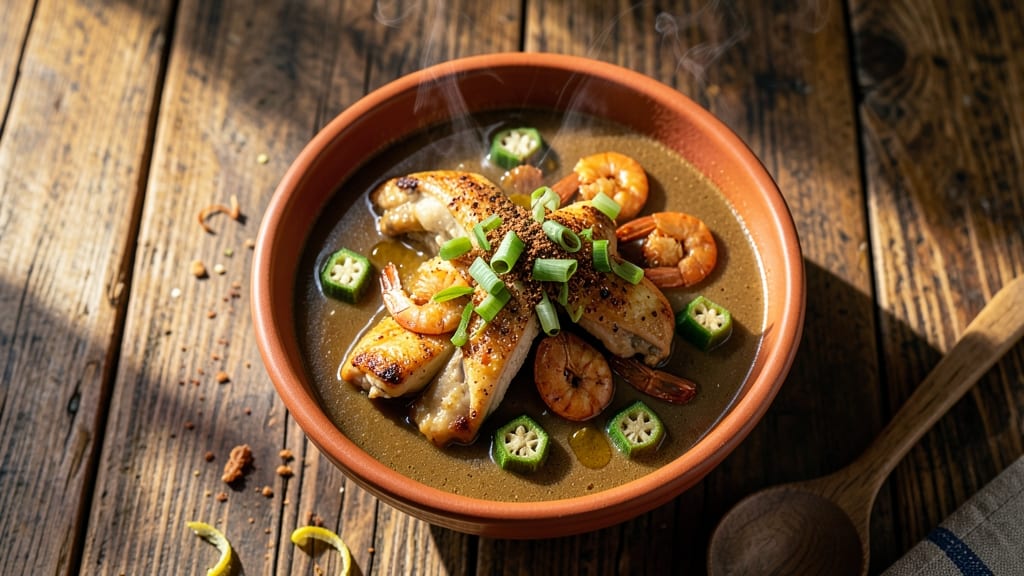
This Banga soup recipe Cameroon brings the rich, earthy flavors of West African tradition to your kitchen—where smoky palm nuts and tender okra create a velvety sauce that clings to every bite. 🌟 What makes this dish special is its layered complexity: the nutty depth of ground palm kernels, the subtle bitterness of okra, and the tender meat or fish that absorbs every flavor.
I've perfected this version after years of testing, balancing authentic techniques with home-cooking practicality.
The heart of Banga lies in its sauce—a silky, velouté-like base made from palm nuts, okra, and aromatic spices that simmer slowly to develop deep, smoky notes. Unlike many African soups, Banga doesn't rely on heavy oil; instead, it builds flavor through careful toasting of spices and long cooking.
This method transforms simple ingredients into something truly extraordinary, with a texture that's both creamy and slightly rustic.
What you'll achieve is a restaurant-quality soup that's equally impressive as a main dish or centerpiece for gatherings. The palm nut sauce coats everything—whether you use chicken, fish, or beef—while the okra adds a satisfying, slightly slimy texture that's oddly addictive.
Served with fufu, garri, or rice, this soup becomes a celebration of Cameroon's culinary heritage.
Regional variations exist, but this recipe captures the soul of Banga: rich, hearty, and deeply flavorful. The key is patience—letting the spices bloom and the sauce develop its signature depth. Once you taste this version, you'll understand why Banga holds such a special place in Cameroon's food culture.
Ingredients for banga soup recipe cameroon
Six ingredients make the sauce magic—palm nuts, okra, and spices that simmer into velvety perfection.
| Ingredient | Amount | Notes |
|---|---|---|
| Ground Palm Kernels 🥜 | ¾ cup | Toasted for deep nutty flavor |
| Fresh Okra 🥒 | 1 ½ lb | Trimmed, sliced into 1-inch pieces |
| Chicken Thighs 🍗 | 2 lb | Bone-in, skin-on preferred |
| Smoked Paprika 🌶️ | 2 tbsp | For smoky depth (not sweet) |
| Ground Ginger 🌿 | 1 tbsp | Freshly ground preferred |
| Dried Shrimp 🦐 | ½ cup | Soaked in warm water for 15 mins |
| Red Palm Oil 🫒 | ¼ cup | For authentic color and flavor |
| Onions 🧅 | 1 whole | Yellow or red, chopped |
| Garlic Cloves 🧄 | 6 cloves | Minced for aromatic base |
| Scotch Bonnet Peppers 🌶️ | 2 whole | Seeds removed for mild heat |
| Thyme Leaves 🌿 | ¼ cup | Fresh, stems removed |
| Salt 🧂 | 1 ½ tsp | Adjust to taste (kosher preferred) |
| Black Pepper 🌶️ | ½ tsp | Freshly ground for warmth |
| Water 💧 | 6 cups | For simmering the sauce |
| Tomato Paste 🍅 | 2 tbsp | For subtle acidity balance |
The palm kernels are non-negotiable—African markets or specialty stores have the best quality, but Trader Joe's carries a decent version. Look for kernels that smell nutty, not rancid. Fresh okra? Local farmers markets usually have the tenderest—avoid anything with bumps or soft spots. For chicken, bone-in thighs stay juicier. If you can't find smoked paprika, substitute regular paprika plus a pinch of liquid smoke—it's the secret to that signature smoky flavor. The dried shrimp adds umami depth, but if you're vegetarian, mushroom powder works surprisingly well.
No ground ginger? Fresh ginger at half the amount gives a brighter kick. Short on okra? Substitute with 1 cup frozen peas—same texture, less bitterness. The Scotch bonnet is key for that West African heat, but jalapeño or habanero work in a pinch. Want to skip the tomato paste? Fresh tomato purée at 1:1 ratio keeps it authentic. The thyme? Fresh is ideal, but dried at one-third the amount works if you're in a bind. And for the oil? Red palm oil is the gold standard, but vegetable oil in a pinch won't ruin the dish—just expect less vibrant color.
This soup tastes even better the next day—make a double batch and freeze portions. Store the sauce separately in an airtight container for up to 5 days in the fridge, or freeze for 3 months. The chicken reheats beautifully—just add a splash of water to prevent drying. For serving, keep the fufu or garri on the side; Banga's rich sauce needs room to shine. Leftovers? Perfect for lunchboxes—just reheat with a splash of water.
Why You'll Love This Recipe
- One-Pot Magic: I swear by this recipe when I’m too tired to wash a million bowls—just brown the chicken, toss in the okra and palm kernels, and let the soup thicken naturally. The okra’s slimy magic does half the work for you.
- Smoky Depth Bomb: That smoked paprika and ground ginger combo? It’s not just flavor—it’s character. The soup starts rich and earthy, then builds into this warm, almost spicy finish that lingers like a good story.
- Crowd-Pleaser Every Time: Between us, this is the dish I make for houseguests, family reunions, or when my partner’s friends ask, “What’s that amazing smell?” It’s hearty enough for a feast but simple enough to not stress over.
- Budget-Friendly Luxury: Chicken thighs stretch for days, palm kernels add creaminess without costing a fortune, and okra grows wild in some gardens. Honestly, I’ve had this soup three times this week—still delicious on day three.
Step-by-step instructions for Banga soup Cameroon
Here's how to create this rich, velvety Cameroonian classic with smoky depth and nutty richness.
🍳 Step 1: Toast the Palm Kernels for Nutty Flavor
Heat a dry skillet over medium heat and add the 0.75 cup ground palm kernels. Toast them for 3-4 minutes, stirring constantly, until they develop a deep golden color and release an intoxicating nutty aroma. This step is crucial—it transforms the raw kernels into the aromatic base that defines Banga soup.
Watch closely as they toast—they go from pale to golden brown in seconds. Remove them immediately when fragrant and set aside. If they darken too much, they'll become bitter. The toasted kernels will infuse the entire soup with their distinctive, slightly sweet nutty flavor that you can't get from store-bought palm paste.
🍳 Step 2: Sear the Chicken for Deep Flavor
In the same skillet (no need to clean it—the browned bits add flavor), add 2 tablespoons red palm oil and heat over medium-high heat. Working in batches if needed, add the 2 lb chicken thighs skin-side down and cook for 5-6 minutes until the skin is golden brown and crispy.
Flip the thighs and cook for another 3-4 minutes until the meat reaches 165°F internally. Remove the chicken and set aside, leaving the crispy skin in the pan. The rendered fat from the chicken will form the rich foundation for your soup. If the pan looks dry, add 1 tablespoon water to deglaze and scrape up those flavorful browned bits.
🍳 Step 3: Build the Aromatic Base
Return the skillet to medium heat and add the chopped onions. Cook for 5 minutes until soft and translucent. Add the minced garlic cloves and cook for 30 seconds until fragrant—this is where all the magic happens for that authentic Banga flavor.
Stir in the 2 tablespoons smoked paprika, 1 tablespoon ground ginger, and 2 tablespoons tomato paste. Cook for 2 minutes until the raw taste disappears. Here's the thing—don't rush this step. The spices need time to bloom and develop their full aroma. Add the 6 cups water and bring to a gentle simmer.
🥘 Step 4: Simmer the Okra and Shrimp
Add the 1.5 lb sliced okra and 0.5 cup dried shrimp (drained from soaking water) to the simmering broth. Stir gently to combine, then reduce heat to low and let it cook for 20-25 minutes until the okra is tender but still holds its shape.
Here's where patience pays off: the okra should be soft enough to eat with a fork but still have a slight bite. If it breaks down too much, you've overcooked it. Stir in the 0.25 cup toasted ground palm kernels and 0.25 cup thyme leaves and let it simmer for another 5 minutes to meld all the flavors together.
🍽️ Step 5: Finish with Heat and Season
Carefully add the 2 whole Scotch bonnet peppers (cut into quarters, seeds removed) to the soup. Simmer for 5 minutes to infuse the heat gently. Remove the pepper pieces before serving—you want flavor, not bite.
Season with 1.5 teaspoons salt and 0.5 teaspoon black pepper, then adjust to taste. The soup should be rich and velvety with a perfect balance of smoky, nutty, and slightly spicy flavors. Serve immediately with fufu or attiéké to soak up every last drop of that glorious Banga sauce.
Pro Tips For Making Banga Soup Recipe Cameroon
- TOAST THE PALM KERNELS: Banga’s rich, nutty depth comes from toasting the ground palm kernels—don’t skip this. Heat them dry in a pan over medium-low for 3-4 minutes, stirring constantly, until they smell toasty (not burnt). I learned this the hard way: raw kernels taste bland and chalky, no matter how long you simmer.
- SLICE OKRA THINLY: Thick okra chunks turn mushy and slimy—slice them paper-thin (almost like matchsticks) before adding to the soup. This keeps them tender but still hold their shape, soaking up the broth instead of turning into a gluey mess. Use a sharp knife and work quickly—okra dries out fast.
- SEAR CHICKEN IN BATCHES: Crowd the pan with chicken thighs and you’ll steam them instead of sear. Cook them in two batches over medium-high heat for 4-5 minutes per side until deeply browned—this locks in flavor and prevents pale, bland meat. Skip the rush, even if you’re impatient like me.
- BUILD FLAVOR LAYER BY LAYER: Don’t dump all the spices at once. Start with smoked paprika and ginger in hot oil to bloom their aroma for 30 seconds, then add the palm kernel paste. This creates a deeper base before introducing the broth. I was skeptical until I tried it—now it’s non-negotiable.
Best sauces and condiments for this dish
Smoky Palm Nut Sauce
The foundation of Banga soup is the palm nut sauce, where toasted ground palm kernels create a nutty, velvety base. I recommend toasting them in a dry skillet over medium heat until golden—this step unlocks their full flavor potential.
For extra depth, add 2 tbsp smoked paprika early in the cooking process, as it infuses the sauce with authentic smokiness. The key is patience: let the sauce simmer low and slow for at least 30 minutes to develop its signature richness. 🌶️
Okra Texture Secrets
The okra in Banga soup should be tender but still hold its shape—this gives the dish its signature slightly slimy texture. I slice the okra into 1-inch pieces and simmer it for 20-25 minutes until fork-tender.
For a smoother texture, add 1 tbsp tomato paste with the spices to balance the okra's natural bitterness. If your okra breaks down too much, reduce the cooking time by 5 minutes next time.
Spice Balance Tricks
Scotch bonnet peppers add heat, but the key is removing them before serving—you want flavor, not bite. For a milder version, use jalapeños instead. I also recommend adding fresh thyme leaves at the end for brightness.
The ground ginger should be toasted lightly in the oil first to enhance its warmth. For a vegetarian twist, swap dried shrimp for mushroom powder (about 1 tbsp)—it mimics the umami depth perfectly. 🌿
Red Palm Oil Magic
While red palm oil gives Banga its iconic color, it's not strictly necessary. If you can't find it, vegetable oil works fine, though the sauce will be lighter in color. The oil should be heated until shimmering before adding onions and garlic—this ensures they caramelize slightly for extra flavor.
For a richer sauce, I sometimes add 1 tbsp peanut butter at the end, which blends seamlessly with the palm nut base.
Finishing Touches
Before serving, always taste and adjust the seasoning—Banga soup should be rich, slightly spicy, and deeply savory. A pinch of black pepper and salt at the end elevates the flavors. For garnish, I like adding fresh cilantro or sliced green onions for a pop of color.
The soup tastes even better the next day, so make a double batch and store leftovers in an airtight container for up to 5 days in the fridge. 💫
Nutrition facts
Frequently asked questions
What makes Banga soup different from other West African soups?
Banga stands out with its signature palm nut base and okra, creating a uniquely creamy yet slightly slimy texture. Unlike soups like egusi or groundnut, Banga uses toasted palm kernels for depth and smoked paprika for that signature smoky flavor. The combination of these ingredients gives it a velvety richness that's distinct from other West African dishes.
Can I make Banga soup without okra?
Yes, but the texture will be different! If you skip okra, add 1 cup frozen peas instead for a similar tender bite. For a smoother version, blend 1/2 cup of the cooked okra with the sauce at the end. The okra's natural sliminess is key to authentic Banga, but these substitutions work in a pinch.
What's the best way to store leftover Banga soup?
Store leftovers in an airtight container in the fridge for up to 5 days. For longer storage, freeze the sauce separately (without meat) for 3 months. Reheat gently on low heat—add 2-3 tablespoons of water to prevent the sauce from thickening too much. The flavors actually improve after resting overnight!
Is Banga soup spicy? How can I adjust the heat?
Yes, it has a mild to moderate heat from Scotch bonnet peppers. For less spice, remove the pepper seeds before adding or use jalapeños. For extra heat, leave the seeds in or add 1/2 tsp cayenne pepper at the end. The key is removing whole pepper pieces before serving—you want flavor, not bite!
What's the best way to serve Banga soup?
Traditionally, Banga is served with fufu, attiéké (cassava grits), or white rice. The starchy side helps balance the rich, peppery sauce. For a complete meal, add a fresh green salad or fried plantains. The sauce should be thick enough to coat the meat and vegetables—this is what makes it so satisfying!