
Soups & Stews
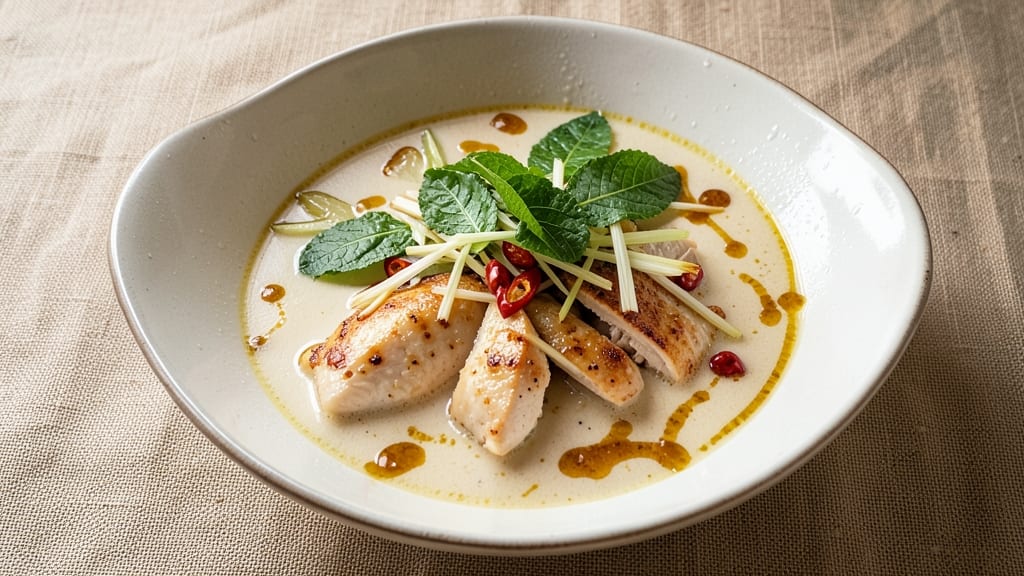
This Bangla Thai soup recipe blends the rich, spiced warmth of Bengali cuisine with the bright, aromatic essence of Thai cooking—creating a fragrant, coconut-infused broth that’s both comforting and vibrant.
The fusion begins with a fragrant base of lemongrass, galangal, and kaffir lime leaves, simmered into a golden broth that carries the depth of mustard oil and the tang of tamarind.
What makes this dish special is the balance: the creamy richness of coconut milk meets the fiery kick of Thai chilies, while Bengali spices like cumin and coriander ground the flavors into something deeply satisfying.
The beauty of this recipe lies in its adaptability—whether you’re using chicken, shrimp, or tofu for the protein, the broth absorbs the essence of the spices and herbs, creating a dish that’s hearty yet light.
The slow simmer allows the flavors to meld seamlessly, transforming simple ingredients like tomatoes, bell peppers, and bamboo shoots into a symphony of textures and tastes.
For those who love bold flavors but prefer a lighter touch, the coconut milk can be reduced or replaced with vegetable broth, keeping the dish equally delicious.
By the time you’re ready to serve, you’ll have a soup that’s as visually appealing as it is flavorful—steaming with golden broth, garnished with crisp fried shallots and fresh cilantro for a pop of color and texture.
The aroma alone will draw everyone to the table, while the first spoonful delivers a perfect harmony of spice, creaminess, and freshness. This isn’t just a fusion dish; it’s a celebration of how two distinct culinary traditions can come together to create something truly unforgettable.
Perfect for a cozy dinner with friends or a weeknight meal that feels special, this soup is designed to impress without requiring advanced techniques. The key is patience—letting the flavors develop over time—and a willingness to embrace the unexpected magic that happens when cultures collide on the stove.
Let’s get cooking!
Ingredients for bangla thai soup
These aromatic ingredients blend Bengali warmth with Thai brightness for a fragrant, coconut-infused soup.
| Ingredient | Amount | Notes |
|---|---|---|
| Chicken Breast 🍗 | 1 ½ lb | Boneless, skinless, cubed |
| Coconut Milk 🥥 | 1 can | Full-fat, 13.5 oz can |
| Lemongrass Stalks 🌿 | 3 whole | Bruised, bottom 3 inches used |
| Galangal 🍃 | 3 oz | Fresh, peeled, sliced |
| Kaffir Lime Leaves 🍋 | 4 whole | Torn in half |
| Mustard Oil 🫒 | ¼ cup | For aroma, not cooking |
| Tamarind Paste 🍈 | 2 tbsp | Adjust for tanginess |
| Ground Cumin 🌶️ | 1 tsp | Freshly toasted preferred |
| Ground Coriander 🌿 | 1 tsp | Freshly ground preferred |
| Thai Bird's Eye Chilies 🔥 | 2 whole | Seeds removed for mild heat |
| Garlic Cloves 🧄 | 6 cloves | Minced |
| Shallots 🧅 | ½ cup | Minced |
| Bell Pepper 🌶️ | 1 whole | Green, sliced |
| Tomatoes 🍅 | 2 whole | Medium, diced |
| Bamboo Shoots 🌱 | 1 cup | Canned, drained |
| Vegetable Broth 💧 | 4 cups | Low-sodium preferred |
| Fresh Cilantro 🌿 | ¼ cup | Chopped, for garnish |
| Fried Shallots 🍚 | 2 tbsp | Store-bought or homemade |
The galangal and kaffir lime leaves are the soul of this soup—look for fresh galangal at Asian markets (the good stuff smells citrusy and fresh, not musty). Costco or Trader Joe's usually carry canned coconut milk, but grab full-fat for the best creaminess. Mustard oil is key for that authentic aroma—use sparingly, just for fragrance. If you can't find galangal, ginger is a pinchable substitute, but it won't be exactly the same. The lemongrass should be bright green and firm—avoid any that feel woody or dried out.
No tamarind paste? Lime juice plus a pinch of sugar works in a pinch. Fresh cilantro is ideal, but dried oregano at half the amount gets you close. The Thai chilies can be adjusted—remove seeds for mild heat. For a lighter version, reduce coconut milk to ½ cup and add extra broth. The bamboo shoots should be canned in water, not oil, for the best texture. If you're using chicken, bone-in thighs stay juicier than breasts during the long simmer.
This soup tastes even better the next day as flavors meld. Store in an airtight container in the fridge for up to 5 days. For freezing, portion into containers with a layer of coconut milk on top to prevent a skin from forming. Garnish with fried shallots and cilantro right before serving—those crispy shallots add the perfect crunch. Double the batch and freeze half for lazy weeknights.
Why You'll Love This Recipe
- I’ll be real: galangal and kaffir lime leaves sound fancy, but they’re way cheaper than buying takeout. A single stalk of lemongrass and a small piece of galangal stretch across multiple batches, and chicken breast is a wallet-friendly protein. It’s the kind of dish that makes you feel like you’re eating at a fancy spot without the price tag.
- No Chopping Chaos: I swear by this recipe because the prep is actually simple. You only need to pound the lemongrass and galangal—no dicing, no mincing, just a quick smash with a mortar and pestle (or the side of a knife if you’re in a rush). That’s it. The coconut milk and kaffir lime leaves do the heavy lifting for flavor without demanding your time.
- Creamy Yet Bright: Here’s what sold me—the balance is chef’s kiss. The coconut milk makes it rich and velvety, but the galangal and kaffir lime leaves cut through with a zesty, almost citrusy punch. It’s not heavy like a curry; it’s light enough to eat with rice or even toast, but still packs that deep, aromatic soul.
- Leftovers That Shine: Between us, this soup begs to be made in bulk. The flavors actually get better the next day as the chicken absorbs all that lemongrass-galingal goodness. I freeze portions for lazy Mondays, and it reheats like a dream—no graininess, no sad texture. Just warm, comforting goodness every time.
Step-by-step instructions for Bangla Thai soup
Here's how to create this aromatic fusion of flavors—where coconut milk meets lemongrass in perfect harmony.
Prepare the Aromatic Base
Heat the 0.25 cup mustard oil in a large pot over medium-low heat. Add the 3 bruised lemongrass stalks (bottom 3 inches), 3 oz sliced galangal, 4 halved kaffir lime leaves, and 2 seeded Thai bird's eye chilies. Let them simmer for 5 minutes until the oil becomes fragrant and the galangal softens slightly.
Here's the thing—this step builds the soul of your soup. The mustard oil carries the aroma, while the galangal and lemongrass infuse their earthy, citrusy notes. Don't rush this; you'll smell when it's ready—those pungent aromas will fill your kitchen. Once fragrant, remove the lemongrass stalks and chilies but leave the galangal and lime leaves in the pot.
Sauté the Vegetables
Add the 0.5 cup minced shallots and cook for 2 minutes until softened. Stir in the 6 minced garlic cloves, 1 whole sliced bell pepper, and 2 diced tomatoes. Sauté for 3-4 minutes until the vegetables release their juices and begin to soften.
This is where the flavors start to meld together. You'll see the tomatoes break down slightly and the bell pepper release its sweetness. Keep stirring occasionally to prevent sticking—this is especially important with the galangal pieces at the bottom. The vegetables should be tender but still hold their shape.
Cook the Chicken
Add the 1.5 lb cubed chicken breast to the pot and cook for 5-6 minutes until the chicken is no longer pink on the outside. Stir occasionally to ensure even cooking. If the chicken starts to brown too quickly, reduce the heat slightly to medium-low to prevent over-browning.
I like to press down gently on the chicken pieces during the first minute—this prevents them from curling and ensures even contact with the pan. The chicken should be fully cooked through but still juicy, not dry. Once cooked, remove the chicken from the pot and set aside temporarily.
Build the Coconut Broth
Pour in the 4 cups vegetable broth and bring the mixture to a gentle boil. Reduce heat to medium-low and stir in the 2 tbsp tamarind paste, 1 tsp ground cumin, and 1 tsp ground coriander. Let it simmer for 5 minutes to allow the flavors to meld.
Here's where the magic happens—the tamarind adds that signature tangy depth while the spices bloom. You'll notice the broth becoming more aromatic and slightly thickened. This is the foundation of your soup's complex flavor profile. If you prefer a smoother texture, you can strain the broth through a fine-mesh sieve at this point.
Finish with Coconut and Garnishes
Stir in the 1 can coconut milk and 1 cup drained bamboo shoots. Return the chicken to the pot and simmer for 5-7 minutes until everything is heated through. The soup should be creamy but not overly thick—if it's too thick, add 1-2 tablespoons of water to reach your desired consistency.
Finally, garnish with the 0.25 cup chopped fresh cilantro and 2 tbsp fried shallots. These final touches add freshness and crunch that contrast beautifully with the rich coconut broth. Taste and adjust seasoning if needed—you might want to add a pinch more salt or a splash of tamarind paste for extra tang.
Pro Tips For Making Bangla Thai Soup
- BLANCH THE CHICKEN FIRST: Toss your chicken breast in boiling water for 30 seconds before adding it to the pot—this stops the meat from turning rubbery while simmering. I learned this the hard way after making soup where the chicken tasted like it had been boiled twice.
- SLICE GALANGAL THINLY: Galangal’s bite fades fast, so slice it paper-thin (about 1/8-inch) and add it early in the simmer. Skip the thick chunks unless you want a subtle, almost invisible flavor—this stuff needs to work, not hide.
- STRAIN THE COCONUT MILK: If your coconut milk looks cloudy or curdled after simmering, strain it through a fine-mesh sieve before adding it back. The soup will taste cleaner, and you’ll avoid that weird mouthfeel that ruins the balance of flavors.
- CHAR THE LEMONGRASS: Lightly torch the lemongrass stalks over a gas flame (or under a broiler) for 10 seconds per side before bruising them—this deepens the citrusy aroma without burning. Sounds weird, but it works: the soup smells like a proper Thai market, not just a recipe.
Common mistakes when making great bangla thai soup
Skipping the Aromatics
This is the biggest mistake I see—rushing the aromatic base. The mustard oil, galangal, lemongrass, and kaffir lime leaves need that 5-minute simmer to release their full flavor potential.
If you skip this step or undercook the aromatics, your soup will taste flat and lack the signature depth. Pro tip: Smell the oil—when it's properly infused, your kitchen will smell like a Thai street market. 🌿
Overcrowding the Pot
Adding all the ingredients at once can lead to uneven cooking and a watery broth. The chicken needs space to sear slightly before the broth is added, and the vegetables should soften gradually. My rule: Cook in layers—first the aromatics, then vegetables, then protein.
This ensures each component gets proper attention and develops flavor without steaming in its own juices. ⚡
Ignoring the Tamarind
Tamarind paste is the secret weapon for that perfect balance of sweet and tangy. If you omit it or use too little, your soup will lack complexity. Start with 2 tbsp and adjust to taste—this is where the magic happens.
For a substitute, mix 1 tbsp lime juice + 1 tsp sugar, but tamarind's depth is unmatched. 🍈
Boiling Too Vigorous
A rolling boil can turn your creamy coconut broth into a thin, watery mess. Maintain a gentle simmer (small bubbles, not a full boil) after adding the coconut milk to preserve its richness.
If the soup reduces too quickly, add 1-2 tbsp water to maintain the perfect consistency. The goal is a velvety texture, not a thin sauce. 🥥
Underseasoning the Garnishes
Fried shallots and cilantro aren't just for looks—they add critical texture and freshness. Don't skimp: Use the full 2 tbsp fried shallots and 0.25 cup cilantro called for in the recipe.
These garnishes elevate the dish from good to extraordinary by providing contrast to the rich coconut broth. Trust me, the first spoonful will be worth it. 💫
Rushing the Simmer Time
The flavors in this soup need time to meld—at least 20-30 minutes of total simmering is ideal. If you rush it, the spices and aromatics won't have enough time to infuse properly. Patience is key: Let the soup work its magic on the stove.
The longer it simmers, the more complex and layered the flavors become. This isn't a dish where you can cut corners. ⏳
Nutrition facts
Frequently asked questions
Can I make this soup vegetarian?
Replace the chicken with 14 oz firm tofu (pressed and cubed) or 1.5 lbs mushrooms (shiitake or oyster work best). For extra protein, add 1 cup chickpeas or 12 oz edamame. The broth will still develop the same rich, aromatic flavors—just adjust cooking times slightly for tofu (add 3-4 minutes longer to firm up).
What if I can't find galangal?
Galangal is essential for that authentic Thai-Bengali depth, but you can use 1.5 oz fresh ginger + 1 tsp ground turmeric as a substitute. For best results, toast the ginger first to enhance its flavor. If you're missing kaffir lime leaves too, 1 tbsp lime zest + 1 tsp lime juice will add a similar citrusy brightness. The soup won't be identical, but it'll still taste amazing!
How spicy should this soup be?
The recipe uses 2 Thai bird's eye chilies (seeds removed) for a mild kick. For mild heat, remove the chilies entirely. For medium heat, keep the seeds in. For spicy lovers, add 1 extra chili or ½ tsp red pepper flakes. Remember, the coconut milk helps balance the heat—adjust to your preference!
Can I make this soup ahead of time?
This soup tastes even better the next day! Store in an airtight container in the fridge for up to 5 days. The flavors meld beautifully overnight. For freezing, portion into containers with a layer of coconut milk on top to prevent a skin. Reheat gently on the stove over low heat—never microwave directly from frozen. Garnish with fresh cilantro and fried shallots just before serving.
What's the best way to serve this soup?
This aromatic soup pairs perfectly with steamed jasmine rice or warm naan bread for scooping. For extra presentation, serve in shallow bowls with a sprinkle of crushed peanuts or lime wedges on the side. It's also fantastic as a starter for a Thai-Bengali feast—try serving with pan-fried fish or spicy papadums for a complete meal.