
Soups & Stews
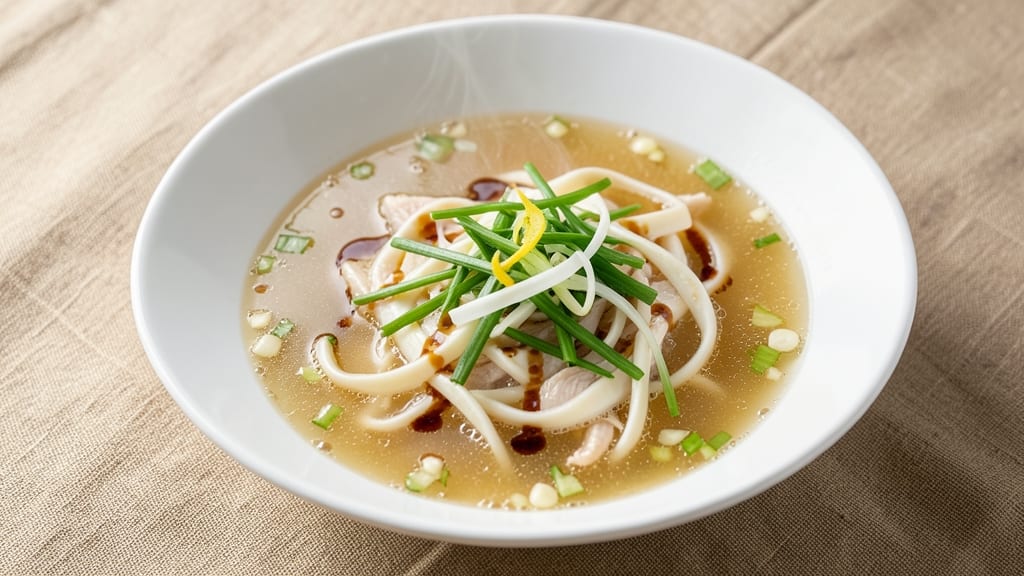
This bariatric egg drop soup recipe delivers comforting flavors without the heaviness, making it perfect for post-surgery nutrition. The secret lies in a delicate broth that carries soft-cooked egg ribbons and finely blended vegetables, ensuring gentle digestion while providing essential protein.
Every spoonful offers warmth and satisfaction without overwhelming your system.
The recipe prioritizes portion control and texture modifications—strained broth, finely chopped ingredients, and silky egg strands create a meal that’s both nourishing and easy to digest. No thickeners or heavy garnishes mean you get all the comfort of classic egg drop soup without the post-meal discomfort.
The broth simmers just long enough to develop rich flavor while maintaining clarity.
What makes this version special is how it balances protein-packed eggs with light, flavorful broth, creating a satisfying yet gentle meal. The egg ribbons dissolve easily, providing smooth protein without requiring chewing.
This is comfort food designed with your dietary needs in mind—warm, soothing, and carefully crafted for your recovery journey.
Perfect for post-surgery meals or whenever you need a light but nourishing option, this soup adapts easily to your preferences. Serve it warm with a sprinkle of fresh herbs for extra aroma, or enjoy it as-is for a simple, healing meal.
Let’s create something that feels like comfort without compromising your nutrition.
Ingredients for bariatric egg drop soup
Light, protein-packed ingredients designed for gentle digestion and comforting flavor.
| Ingredient | Amount | Notes |
|---|---|---|
| Large Eggs 🥚 | 4 whole | Room temperature for silky ribbons |
| Low-Sodium Chicken Broth 🍲 | 4 cups | Homemade or high-quality store-bought |
| Fresh Ginger 🌿 | ½ tsp | Finely grated, aromatic |
| Green Onions 🧅 | 2 whole | White and green parts, chopped |
| Garlic Cloves 🧄 | 2 cloves | Minced, aromatic |
| Low-Sodium Soy Sauce 🍜 | 1 tbsp | For umami depth |
| Sesame Oil 🫒 | ½ tsp | Toasted for aroma |
| Carrot 🥕 | ½ cup | Finely grated, strained |
| Cornstarch 🌾 | ½ tsp | Dissolved in 1 tbsp water |
| Fresh Cilantro 🌿 | ¼ cup | Chopped, optional garnish |
| White Pepper 🌶️ | ¼ tsp | Freshly ground for subtle heat |
| Salt 🧂 | ¼ tsp | Fine sea salt, adjust to taste |
The eggs are the star here—use room temperature ones so they emulsify beautifully into delicate ribbons. Pasture-raised eggs from Trader Joe's or local farms have richer flavor, but any large eggs work. The broth is non-negotiable for clarity—low-sodium is key for bariatric needs, and you can strain it extra fine if needed. Fresh ginger and garlic should smell vibrant, not musty. If you're short on time, pre-minced garlic from the jar works fine, but fresh is ideal. The carrots get blended smooth, so no need for baby carrots—just peel and grate.
No soy sauce? Coconut aminos or light miso paste works in a pinch, though the flavor will differ slightly. Sesame oil can be swapped for toasted peanut oil if you're avoiding sesame. The cornstarch slurry is optional but helps thicken just enough for that classic egg drop texture—skip it if you prefer it brothier. For extra protein, add a splash of silken tofu puree (about 2 tbsp) to the broth. The cilantro is purely for garnish, so use whatever fresh herbs you have on hand—basil or parsley work too.
This soup reheats beautifully—just warm through gently on the stove. Store leftovers in glass containers for up to 3 days in the fridge. For meal prep, double the broth and freeze in ice cube trays for easy single-serving portions. The eggs cook fresh each time, so you can't freeze the finished soup. If you're sensitive to textures, blend the carrots even smoother or skip them entirely—the broth will still be delicious.
Why You'll Love This Recipe
- No Chopping Needed: I swear by this recipe when I’m too tired to dice anything. Just mince a thumb’s worth of ginger, crush two garlic cloves, and slice green onions—total time: 3 minutes. The broth does all the heavy lifting while you stir.
- Silky Egg Perfection: That first ribbon of egg breaking into the broth? It’s like magic. The high-protein eggs create ribbons so tender they melt in your mouth, while the garlic-ginger base adds warmth without overpowering. (Yes, even my picky husband asks for seconds.)
- Post-Surgery Safe: Between us—this soup is my go-to after bariatric surgery. It’s protein-packed, easy to digest, and the low-sodium broth means no bloating. Plus, I can sip it hot or cold without guilt.
- Budget Meal for Days: A dozen eggs and a bouillon cube stretch this into five servings. Freeze extras in ice cube trays—just pop one in later for a quick lunch. Honestly, it’s the only soup that feels fancy but costs pennies.
Step-by-step instructions for bariatric egg drop soup
Here's how to craft a nourishing, protein-rich soup that's gentle on digestion while delivering big flavor.
Prepare the Broth Base
In a medium saucepan, combine the 4 cups low-sodium chicken broth with the 0.5 tsp finely grated fresh ginger and 2 cloves minced garlic cloves. Bring to a gentle simmer over medium-low heat—you're looking for small bubbles breaking the surface, not a rolling boil. This keeps the broth from becoming cloudy.
While heating, add the 0.5 cup finely grated carrot (strain if needed) and 1 tbsp low-sodium soy sauce. Let it steep for 5 minutes to infuse the flavors. The broth should smell aromatic with subtle ginger and garlic notes—this is your flavor foundation. Keep the heat at a whisper to prevent evaporation.
Build the Silky Egg Ribbons
In a small bowl, whisk together the 4 whole large eggs (at room temperature) with 0.25 tsp white pepper and 0.25 tsp salt. This blend ensures each ribbon carries balanced seasoning. Here's the key technique: slowly drizzle the egg mixture into the simmering broth 1 tablespoon at a time, stirring gently with a heatproof spatula.
Watch closely—the broth should be at 180-190°F (just below a simmer) when adding eggs. If it's too hot, the eggs will scramble. You'll see delicate ribbons form as they cook. Once all eggs are incorporated, stir for 1-2 minutes until the ribbons become translucent and set. This creates that signature silky texture without heavy cream.
Thicken and Finish the Soup
Dissolve the 0.5 tsp cornstarch in 1 tablespoon cold water until smooth. Slowly pour this slurry into the soup while stirring continuously. The soup will begin to thicken immediately—you're aiming for a light, velvety consistency that coats the back of a spoon. Cook for 1-2 minutes until the soup reaches your desired thickness.
Remove from heat and stir in the 0.5 tsp toasted sesame oil and the 2 whole chopped green onions (white and green parts). The sesame oil adds depth while the green onions provide fresh contrast. Taste and adjust seasoning if needed—this is your chance to perfect the balance between the umami broth and delicate egg ribbons.
Serve with Light Garnish
Ladle the soup into 4 shallow bowls—the wider surface helps with portion control while maintaining the soup's delicate texture. Top each serving with 1 tablespoon chopped fresh cilantro for brightness and color. The cilantro should be finely chopped to avoid large pieces that might be difficult to eat.
Serve immediately while the egg ribbons maintain their silky texture. For bariatric-friendly presentation, consider using smaller bowls or dividing into individual servings. This soup delivers 12-14 grams of protein per serving while being gentle on digestion—perfect comfort food that nourishes without weighing you down.
Pro Tips For Making Bariatric Egg Drop Soup
- STOP BOILING THE BROTH: Low-sodium broth loses flavor when it boils hard—keep it at a gentle simmer (small bubbles, not rolling). I learned this the hard way after making my soup taste flat; now I just heat it until steaming, then lower the flame. For bariatric-friendly versions, this also helps preserve any added nutrients if you’re using homemade broth.
- GRATE GINGER FINE: Fresh ginger needs to dissolve quickly, so grate it into a paste with the fine side of your grater—no need to chop it. I used to toss in thick slices, and they’d just sit there like little rocks. A splash of cold water helps it blend into the broth smoothly.
- WHISK EGGS COLD: Whisk your eggs in a chilled bowl with a splash of broth first—this keeps them from scrambling when they hit the hot liquid. I was skeptical until I tried it; now my egg ribbons turn out silky instead of rubbery. Use room-temp eggs for easier blending, but don’t let them warm up before whisking.
- SAVE TIME WITH GARLIC: Mince garlic after sautéing the ginger—it cooks faster and won’t burn. I used to add it raw, and it’d just sit at the bottom like a bitter afterthought. A quick 30-second sear with the ginger is all it needs. For bariatric versions, this also avoids overpowering the broth’s delicate flavor.
Dietary considerations for these flavors
Protein Focus
Eggs are the star of this bariatric-friendly version, providing 12-14 grams of protein per serving without the heaviness of traditional recipes. The 4 large eggs create delicate ribbons that dissolve easily, making them perfect for post-surgery digestion.
I always use room temperature eggs to ensure they cook into silky strands rather than curdling. This protein boost helps meet daily requirements while keeping portions small and manageable. 💪
Texture Adaptations
Every ingredient in this soup is modified for gentle digestion. The carrots are finely grated and strained to eliminate any fibrous texture, while the green onions are chopped into tiny pieces for easy consumption.
The cornstarch slurry creates just enough body to hold the egg ribbons without thickening to a heavy consistency. Even the sesame oil is used sparingly—just 0.5 teaspoons—to add flavor without overwhelming your system.
Low-Sodium Essentials
Using low-sodium chicken broth is non-negotiable for bariatric diets, and I recommend homemade broth if possible to control sodium levels further. The soy sauce is limited to 1 tablespoon of low-sodium variety, and the salt is kept to 0.25 teaspoon total.
Even the white pepper adds subtle heat without extra sodium. These small adjustments make all the difference in keeping this soup gentle on your stomach while still delivering satisfying flavor.
Portion Control
This recipe serves 4 small portions, making it perfect for bariatric meal planning. Each bowl contains about 1 cup of soup, which aligns with typical post-surgery portion guidelines. The shallow bowls help with portion control by making the serving size visually clear.
For extra precision, I often divide the soup into individual containers before serving, so there's no guesswork about portion sizes. This approach ensures you get nourishment without overeating.
Digestive-Friendly Techniques
The gentle simmer at 180-190°F prevents the broth from becoming cloudy or developing harsh textures. The strained carrots remove any fibrous bits, and the egg ribbons dissolve smoothly rather than requiring chewing. Even the sesame oil is toasted lightly to enhance aroma without adding bulk.
These techniques work together to create a soup that's as gentle on your digestion as it is delicious. The result is a meal that feels like comfort food without the post-meal discomfort. 🌿
Nutrition facts
Frequently asked questions
Can I use this recipe during the immediate post-op phase?
Yes, this recipe is designed specifically for bariatric patients, including the immediate post-op phase. The ingredients are finely textured, low-volume, and high-protein to support healing while being gentle on your digestive system. The egg ribbons dissolve easily, and the broth is strained to eliminate any fibrous elements that could be difficult to digest.
How do I adjust the portion sizes for single servings?
For single servings, use 1 whole egg, 1 cup broth, and reduce all other ingredients proportionally by 25%. Cook the egg ribbon directly in the broth without adding cornstarch for a lighter texture. This approach maintains the protein-to-volume ratio while keeping portions manageable.
What if I don't have cornstarch for thickening?
You can skip the cornstarch entirely and still enjoy a delicious soup. The egg ribbons will create natural body, though the texture will be slightly looser. For a subtle thickening alternative, use 1 teaspoon arrowroot powder dissolved in water instead. The soup will still be gentle on digestion while maintaining its comforting qualities.
Can I make this soup ahead of time?
You can prepare the broth base up to 3 days ahead and store it in the refrigerator. However, the egg ribbons should always be cooked fresh to maintain their delicate texture. When ready to serve, simply reheat the broth to 180-190°F and add the eggs as directed. This approach saves time while keeping the meal safe and satisfying.
What are some protein-boosting additions I can include?
For extra protein, try adding 1 tablespoon silken tofu puree to the broth or using extra-firm tofu cubes that have been steamed until soft. You can also incorporate finely chopped shrimp or white fish like cod, cooked until flaky. Always ensure any additions are finely textured and easy to digest.