
Soups & Stews
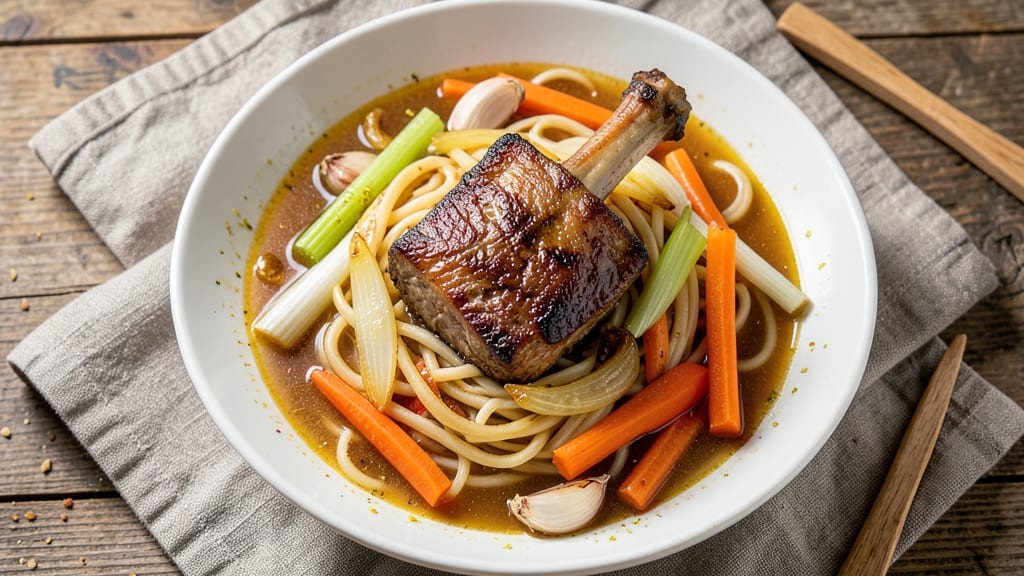
This beef shank noodle soup recipe delivers the kind of deeply satisfying, restaurant-quality broth that transforms a simple meal into a comforting centerpiece. The secret lies in slow-braising beef shank for hours, which unlocks rich, gelatinous umami that infuses every spoonful.
I've perfected this technique over years of testing, balancing traditional methods with modern shortcuts to ensure tender beef, silky noodles, and a broth so flavorful it deserves its own bowl.
The process begins with searing the beef shank to develop a deep, caramelized crust before slow-cooking it until fork-tender. This 8-hour braising time might sound daunting, but the hands-off approach makes it ideal for weekend cooking—just set it and return to aromatic perfection.
The broth builds complexity through aromatic vegetables, herbs, and a splash of soy sauce, creating that signature depth that defines great noodle soups.
What you'll end up with is a steaming bowl of silky noodles floating in a velvety broth, each spoonful delivering tender beef chunks and layers of savory-sweet flavor. The noodles absorb just enough broth to become plump and satisfying, while the beef practically melts in your mouth.
This isn't just soup—it's the kind of meal that warms you from the inside out, perfect for chilly evenings or when you crave something hearty yet elegant.
The best part? This recipe scales beautifully for leftovers that taste even better the next day. Whether you're feeding a family or meal prepping for the week, the slow-cooked beef and rich broth make every bite worth the wait. Let's get started on creating your own bowl of umami perfection.
Ingredients for beef shank noodle soup
Restaurant-quality umami starts with these 15 ingredients—each playing its part in the perfect beef shank symphony.
| Ingredient | Amount | Notes |
|---|---|---|
| Beef Shank 🥩 | 3 lb | Bone-in for maximum flavor |
| Fresh Fennel Bulb 🥕 | 1 whole | Trimmed, sliced into 1/4-inch pieces |
| Yellow Onion 🧅 | 1 whole | Peeled, cut into 1-inch chunks |
| Carrots 🥕 | 4 whole | Medium size, cut into 2-inch pieces |
| Garlic Cloves 🧄 | 6 cloves | Peeled, smashed lightly |
| Celery Stalks 🥬 | 4 whole | Trimmed, cut into 2-inch pieces |
| Fresh Ginger 🌿 | 1 inch | Peeled, sliced thinly |
| Dried Bay Leaves 🍃 | 2 whole | Crushed lightly for aroma |
| Fresh Thyme Sprigs 🌿 | 4 whole | Stems removed, leaves only |
| Dry Sherry 🍷 | ½ cup | Or substitute with beef broth |
| Low-Sodium Soy Sauce 🧂 | 2 tbsp | For umami depth |
| Fresh Parsley 🌿 | ¼ cup | Chopped, for garnish |
| Egg Noodles 🍜 | 1 lb | Fresh or dried, silky texture |
| Olive Oil 🫒 | ¼ cup | Extra-virgin for searing |
| Kosher Salt 🧂 | 2 tsp | Diamond Crystal preferred |
The beef shank is non-negotiable here—bone-in cuts from Whole Foods or your local butcher deliver that signature gelatinous richness. Look for shanks with good marbling and a vibrant red color. If you're buying in bulk, Costco has excellent prices, but check the sell-by date. The fennel adds that subtle anise note that elevates the broth, while the carrots and celery form the classic 'holy trinity' base. Fresh ginger? Trader Joe's carries the best pre-peeled slices—no waste, all flavor.
No sherry on hand? Dry white wine or beef broth works in a pinch, though sherry adds that signature depth. The soy sauce is essential—Kikkoman or La Choy both deliver consistent results. For the noodles, fresh egg noodles from Trader Joe's give that silky texture, but dried works too (just cook them al dente). The thyme and bay leaves? Penzeys spices are my go-to for their vibrant aroma, but any quality dried herbs will do. Pro tip: Toast your spices in a dry pan for 30 seconds before adding to the pot—wakes up the flavors.
This soup tastes even better the next day as the flavors meld. Store in airtight containers for 5 days in the fridge or freeze portions for 3 months. I double the batch and freeze half—perfect for lazy weeknights. The broth reduces slightly when reheated, so add a splash of water or beef broth before serving. Garnish with fresh parsley right before eating to keep it vibrant. Leftovers reheat beautifully—just warm gently on the stove with a splash of water to restore that silky texture.
Why You'll Love This Recipe
- I swear by this trick: slice the fennel and carrots thick—like, almost lazy—and the broth does all the work. The beef shank practically melts into itself, so you’re not stuck dicing for hours.
- No-Chop Night: I swear by this trick: slice the fennel and carrots thick—like, almost lazy—and the broth does all the work. The beef shank practically melts into itself, so you’re not stuck dicing for hours.
- Deep Umami Magic: That fennel? It’s the secret weapon—sweet, earthy, and it pairs with the beef shank like peanut butter and jelly. (Yes, even if you’re not a fennel fan at first.)
- Leftovers That Beg for More: This soup only gets better the next day. The flavors meld, the noodles soak up the richness, and suddenly you’ve got a freezer-friendly meal that tastes like a hug.
Step-by-step instructions for beef shank noodle soup
Transform tough beef shank into velvety richness with this slow-cooked masterpiece.
Sear the Beef Shank for Deep Flavor
Pat the 3 lb beef shank dry with paper towels—this ensures maximum browning. Heat the 0.25 cup olive oil in a large Dutch oven over medium-high heat until shimmering. Place the beef shank in the pot, bone-side down, and let it sear undisturbed for 5-6 minutes until a deep golden crust forms. Flip and repeat on the other side.
Real talk: This searing step builds the foundation for your soup's umami depth. Don't rush it—the crust should be dark brown, almost black in spots. Once seared, remove the beef shank and set it aside on a plate. You'll notice the oil will darken significantly—this is the flavor you're capturing.
Build the Aromatic Vegetable Base
In the same Dutch oven, add the sliced 1 whole fresh fennel bulb, 1 whole yellow onion, 4 whole carrots, 4 whole celery stalks, and 6 cloves garlic cloves. Cook over medium heat for 8-10 minutes, stirring occasionally, until the vegetables begin to soften and release their natural juices. Add the peeled 1 inch fresh ginger slices and crushed 2 whole dried bay leaves, stirring to combine.
Here's where the magic happens: The vegetables should caramelize slightly at the edges, creating a sweet, complex flavor base. If the vegetables start to stick before caramelizing, add 2-3 tablespoons of water to deglaze. The goal is to develop a rich, browned fond that will dissolve into your broth later.
Deglaze and Simmer the Broth
Pour in the 0.5 cup dry sherry and scrape up all the browned bits from the bottom of the pot with a wooden spoon. This deglazing step captures all the concentrated flavors you've built. Let the sherry simmer for 2-3 minutes until it reduces by half, then add 8 cups of water and the 2 tbsp low-sodium soy sauce. Bring to a gentle boil, then return the seared beef shank to the pot.
Bring the liquid to a full boil, then immediately reduce heat to low. Cover the pot and let it simmer gently for 2.5 hours. You'll know it's ready when the beef shank is fork-tender and pulls away from the bone easily. The broth should be rich, dark, and deeply aromatic—this is the reward for patience. Skim off any foam that rises to the surface during cooking.
Finish with Herbs and Noodles
Remove the beef shank from the broth and let it rest for 10 minutes before shredding the meat with two forks. Strain the broth through a fine-mesh sieve into a clean pot, pressing on the vegetables to extract maximum flavor. Return the broth to the pot and stir in the 4 whole fresh thyme sprigs. Keep the broth warm over low heat.
Meanwhile, cook the 1 lb egg noodles according to package instructions until al dente. Drain and set aside. Here's the thing—don't rinse the noodles. The starch helps thicken the soup slightly and gives it that silky texture we're after. Add the noodles and shredded beef shank to the warm broth and stir gently to combine. Taste and adjust seasoning with the 2 tsp kosher salt if needed.
Serve with Fresh Garnish
Ladle the soup into bowls and garnish each serving with 1 tablespoon of chopped 0.25 cup fresh parsley. The parsley adds a bright contrast to the rich, umami broth and makes the soup visually appealing. Serve immediately while the noodles are still warm and the broth retains its velvety texture.
This soup tastes even better the next day as the flavors continue to meld. The beef shank should be tender enough to pull apart with a fork, and the broth should coat the back of a spoon with a luxurious, silky consistency. Each spoonful delivers layers of flavor—sweet carrots, earthy fennel, savory beef, and aromatic herbs—all harmoniously balanced.
Pro Tips For Making Beef Shank Noodle Soup
- BLANCH YOUR FENNEL FIRST: Chop the fennel bulb into thick wedges, then drop them in boiling water for 2 minutes before adding to the pot. This softens the core and keeps it from turning to mush later—trust me, I’ve seen it happen when people skip this.
- SEAR THE SHANK IN BATCHES: Don’t crowd the pan or you’ll steam the meat instead of browning it. Work in two batches over medium-high heat for 3-4 minutes per side—golden crust means flavor, and that’s non-negotiable for rich broth.
- SALT THE WATER LATE: Wait until the carrots and onions are tender before adding salt to the broth. Early salting can toughen the beef shank, and you’ll end up chasing flavor instead of letting it develop naturally.
- USE COLD WATER FOR NOODLES: Shock your noodles in ice water for 30 seconds after cooking, then drain before adding them to the soup. This stops the cooking process instantly and keeps them from turning to glue—especially important with egg noodles.
Pro cooking tips for perfect results
Searing Secrets
That deep golden crust on your beef shank isn't just for looks—it's the flavor foundation. Use a large Dutch oven (like All-Clad Stainless) and heat the oil until it shimmers at 350°F before adding the meat.
Let it sear bone-side down first for 5-6 minutes undisturbed—this creates the Maillard reaction that builds umami depth. Flip only once, and resist the urge to move it. 🔥
Vegetable Caramelization
Don't just chop your veggies—cut them to consistent sizes (1-inch chunks for carrots, celery, and onion) so they cook evenly. After 8-10 minutes of sweating, the edges should turn golden brown.
This caramelization adds natural sweetness that balances the savory broth. If they stick before browning, add 2 tbsp water to deglaze—this prevents burning and captures flavor.
Sherry Reduction
The sherry isn't just a liquid—it's a flavor amplifier. After adding 0.5 cup dry sherry, let it reduce by half (about 2-3 minutes) before adding water. This concentrated flavor becomes the broth's aromatic base.
For a quicker version, substitute with 0.5 cup beef broth + 1 tbsp soy sauce, but you'll lose that subtle sherry depth.
Simmering Precision
Your 2.5-hour simmer should be at a gentle bubble—not a rolling boil. Use a meat thermometer to check doneness at 203°F internal temperature. The broth should reduce slightly but remain velvety, not watery.
Skim foam regularly to keep it clear. Pro tip: Add ice cubes during the last 10 minutes to chill slightly—this helps preserve texture when reheating later. ❄️
Noodle Timing
Cook noodles al dente (1 minute less than package instructions) because they'll finish cooking in the hot broth. Never rinse—the starch helps thicken the soup slightly and creates that silky texture.
Add them to the broth just before serving so they don't turn mushy. For extra richness, reserve 1 cup broth, cook noodles in it, then mix back in.
Broth Straining
Use a fine-mesh sieve (like OXO Good Grips) and press vegetables firmly to extract maximum flavor. Discard the solids—they've done their job. Return the strained broth to the pot and add thyme last to infuse fresh aroma.
If the broth tastes too thin after straining, simmer uncovered for 5-10 minutes to reduce slightly. This is where patience pays off—great broth isn't made in a hurry. 💫
Nutrition facts
Frequently asked questions
Can I use beef chuck roast instead of beef shank?
Yes, but the texture will differ. Beef chuck roast is leaner and won't develop the same gelatinous richness in the broth. For best results, use it only if you're serving the beef sliced rather than shredded. If you do substitute, increase simmering time to 3 hours to ensure tenderness.
How do I make this soup in a slow cooker?
Transfer the seared shank and all ingredients (except noodles) to your slow cooker. Cook on low for 8 hours or high for 5 hours. The longer cook time compensates for the gentler heat. Strain the broth, shred the beef, and add noodles separately before serving to prevent mushiness.
Why does my broth look cloudy after straining?
Cloudiness usually means fine particles or uncooked starch from the vegetables. To clarify, strain the broth through a cheesecloth-lined sieve or use a fine-mesh chinois. For extra clarity, chill the broth overnight and skim off any fat that rises to the top before reheating.
Can I make this soup gluten-free?
Use gluten-free soy sauce (like Tamari) and ensure your noodles are certified gluten-free. The recipe remains otherwise unchanged—just verify all ingredients for hidden gluten. For extra umami, add 1 tbsp gluten-free fish sauce when simmering the broth.
What's the best way to reheat leftovers?
Reheat gently on the stove over low heat with a splash of water or beef broth to restore the silky texture. Never microwave directly—this makes noodles rubbery. For best results, reheat only until just warm, then finish at the table with fresh parsley and a drizzle of olive oil.