
Soups & Stews
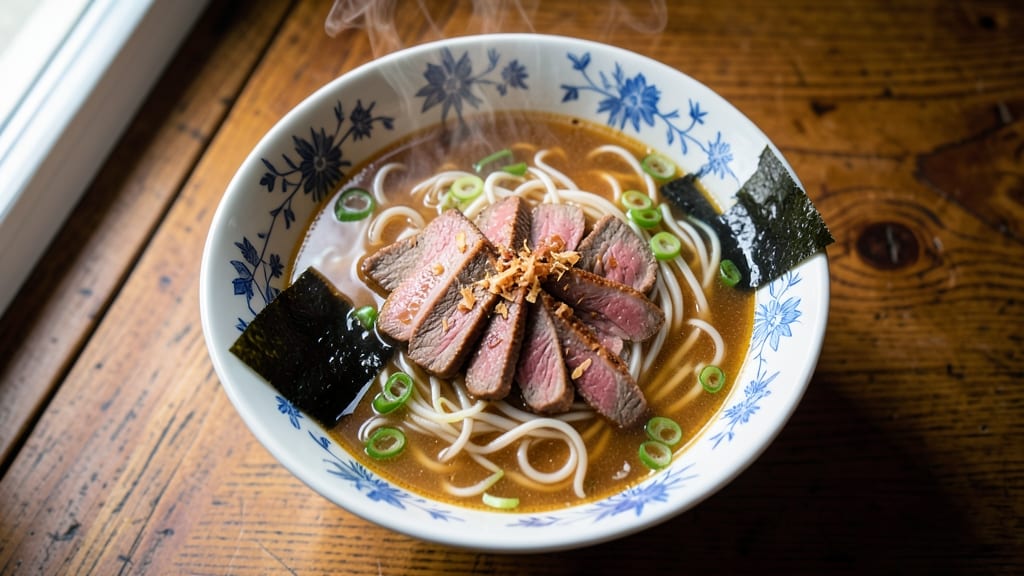
This beef soba noodle soup recipe delivers restaurant-quality comfort in a bowl, where rich umami broth meets silky soba noodles and perfectly tender beef slices.
The secret lies in balancing traditional Japanese techniques with approachable home cooking—think dashi-infused broth, thinly sliced beef that cooks in minutes, and the right texture contrast between chewy noodles and delicate greens.
What makes this recipe stand out is how it transforms simple ingredients into something deeply satisfying, with every spoonful offering layers of savory depth.
The foundation is a deeply flavorful broth, built using a combination of kombu (dried kelp) and bonito flakes for authentic umami, then enriched with beef stock for heartiness. Thinly sliced beef cooks quickly in the simmering broth, ensuring it stays tender without turning to mush.
Soba noodles—whether served hot or chilled—absorb the broth beautifully, their natural nutty flavor complementing the meat and broth perfectly. The key to balancing this dish is in the seasoning: a touch of soy sauce adds saltiness, while a splash of mirin brings subtle sweetness to round out the flavors.
What you'll end up with is a bowl of soup that's both comforting and elegant, where each component plays its part—tender beef slices, silky noodles, and a broth so rich it coats every bite.
The toppings—crisp green onions, delicate nori strips, and a drizzle of chili oil—add texture and visual appeal, making this more than just a meal but an experience. This recipe is perfect for weeknight dinners or special occasions, offering warmth and satisfaction in every spoonful.
For those who want to elevate it further, serve with pickled ginger on the side to cut through the richness or pair it with a small miso soup for a complete Japanese-inspired meal.
The beauty of this dish is its versatility—it can be made ahead and reheated, or assembled fresh for maximum flavor impact. Let's get started on creating this comforting classic.
Ingredients for beef soba noodle soup
Rich umami broth meets tender beef and silky soba noodles for a comforting bowl of restaurant-quality soup.
| Ingredient | Amount | Notes |
|---|---|---|
| Kombu (Dried Kelp) 🍃 | 1 piece | Cut into 2-inch pieces |
| Bonito Flakes 🐟 | 2 tbsp | High-quality, unsalted |
| Beef Stock 🥩 | 4 cups | Homemade or high-quality store-bought |
| Soba Noodles 🍜 | 8 oz | Dried, buckwheat or buckwheat blend |
| Lean Beef (Sirloin or Ribeye) 🥩 | 1 lb | Thinly sliced against the grain |
| Green Onions 🧅 | 4 whole | Thinly sliced for garnish |
| Nori Sheets 🍣 | 4 sheets | Thinly cut into strips |
| Mirin 🍶 | 1 tbsp | Sweet cooking wine |
| Soy Sauce 🥄 | 1 tbsp | Light or dark preferred |
| Sesame Oil 🌰 | 1 tsp | For finishing touch |
| Chili Oil 🌶️ | 1 tbsp | Optional for heat |
| Water 💧 | 4 cups | For broth dilution |
| Salt 🧂 | ½ tsp | To taste |
The kombu and bonito flakes are non-negotiable for authentic umami depth. Look for kombu at Asian markets—it should smell clean and sea-like, not musty. High-quality bonito flakes (like those from Hojicha or Marukome) make all the difference. The beef stock can be homemade for richer flavor, but a good-quality store-bought version like Kettle & Fire works too. Thinly slicing the beef against the grain ensures tenderness—ask your butcher to slice it if you're unsure. Soba noodles should be buckwheat-based for that signature nutty flavor, though blends are fine if you prefer milder taste.
No kombu? Dried shiitake mushrooms (soaked and removed) work in a pinch. Short on bonito flakes? Dried porcini mushrooms steeped in hot water add earthy depth. The mirin adds sweetness—use a good-quality brand like Hosho or Kikkoman—cheap versions can taste artificial. For soy sauce, light soy keeps the broth clear, while dark soy adds color. The nori strips should be thinly cut with kitchen shears for easy handling. If you can't find nori sheets, seaweed snacks (like Annie Chun's) can be crushed into flakes.
The broth can be made ahead and reheated—it tastes even better the next day as flavors meld. Store it in the fridge for 3-4 days or freeze for up to 3 months. Soba noodles keep well in a cool, dry place for 6-12 months, but check the package for freshness. Thinly sliced beef should be used within 2 days for best texture. To prep ahead, slice the beef and store it in the fridge until ready to cook—this keeps it from drying out.
Why You'll Love This Recipe
- No-Fuss Simmer: I swear by the kombu and bonito flakes here—they do all the work. Toss them in cold water, bring to a boil, and boom, you’ve got a rich, umami-packed broth without any chopping or straining. That’s 10 minutes I didn’t waste staring at a cutting board.
- Umami Magic: Between the deep, salty notes of the kombu and the smoky flakes of bonito, this broth is ridiculously flavorful. Thinly sliced sirloin melts into it like butter, and the soba noodles soak up every last drop—no bland bites here.
- Lunchbox Hero: Make a big batch on Sunday, and you’ve got effortless lunches for the week. The noodles stay al dente even after reheating, and the beef holds up perfectly. My kids actually ask for leftovers—unheard of in this house.
- Budget Beef Boost: A single ribeye or sirloin stretches across two servings, and the kombu/bonito combo cuts the need for expensive stock. Honestly, it’s the kind of meal that makes grocery day feel like a win. Plus, the leftovers taste just as good cold the next day.
Step-by-step instructions for beef soba noodle soup
Here's how to craft a rich, umami-packed soup with perfectly tender beef and silky noodles.
Infuse the Broth with Kombu and Bonito
Cut the 1 piece kombu (dried kelp) into 2-inch pieces and add it to a large pot with the 4 cups beef stock. Bring to a gentle simmer over medium heat and let it steep for 10 minutes. You'll notice the kombu releases its oceanic minerals, creating a subtle briny depth in the broth.
While the kombu infuses, lightly toast the 2 tbsp bonito flakes in a dry skillet over low heat for 30 seconds until fragrant. Immediately add them to the simmering broth and remove from heat. Let the bonito steep for 5 minutes to release its smoky umami essence. This combination creates the foundation for your soup's complex flavor profile.
Prepare and Cook the Beef
Slice the 1 lb lean beef (sirloin or ribeye) thinly against the grain into ¼-inch thick strips. This ensures maximum tenderness. In a separate pan, sear the beef over high heat for 1-2 minutes per side until just cooked through but still slightly pink in the center. Remove from heat and set aside.
Here's the thing—don't overcook the beef. It will finish cooking in the broth, and you want it to remain tender. The beef should be firm to the touch but still yield slightly when pressed with a fork. This is the moment that matters: perfect doneness ensures your soup delivers that satisfying bite.
Cook the Soba Noodles
Bring a separate pot of water to a rolling boil and add the 8 oz soba noodles. Cook for 4-5 minutes until al dente—just slightly firm to the bite. Drain immediately and rinse under cold water for 10 seconds to stop the cooking process and remove excess starch. This prevents the noodles from becoming mushy in the soup.
Real talk: Soba noodles have a delicate texture. Overcooking turns them into a paste, while undercooking leaves them chewy. The 4-5 minute window is critical—test one noodle at the 4-minute mark to gauge doneness. The noodles should be tender but still offer a slight resistance when bitten.
Assemble and Season the Soup
Return the kombu-infused broth to medium-low heat and add the 4 cups water to dilute it to your preferred consistency. Stir in the 1 tbsp mirin and 1 tbsp soy sauce, letting the mixture simmer gently for 2 minutes to meld the flavors. Add the cooked beef strips and let them warm through for 1 minute.
Season with the 0.5 tsp salt, adjusting to taste. The broth should be savory but not overly salty—this is where the kombu's natural umami shines. Taste as you go, remembering that the bonito flakes and soy sauce already contribute significant saltiness. Balance is key here.
Finish and Serve
Divide the cooked soba noodles among 4 bowls. Ladle the hot beef broth over the noodles, distributing the beef strips evenly. Drizzle each serving with ¼ tsp sesame oil and ¼ tbsp chili oil (if using). Garnish with thinly sliced green onions and strips of nori sheets.
Serve immediately while the noodles are still warm and the broth maintains its rich texture. The contrast between the silky noodles, tender beef, and aromatic broth creates a harmonious balance in every spoonful. Don't skip the garnishes—they add visual appeal and a final layer of flavor complexity.
Pro Tips For Making Beef Soba Noodle Soup
- Bloom the Kombu First: Toss that dried kelp strip into cold water for 10 minutes before simmering—it’ll soften and release umami faster. I used to just chuck it in hot stock, and the broth never had that deep, oceanic richness. Trust me, the extra two minutes make a real difference.
- Slice Beef Against the Grain: Thin, even slices cut perpendicular to the muscle fibers cook faster and stay tender. Ribeye’s grain runs diagonal, so angle your knife like you’re slicing a pizza—no one wants chewy beef in their noodle soup.
- Skip the Boil for Noodles: Toss soba noodles into the hot broth just before serving—overcooking turns them mushy. If you’re nervous, give them 30 seconds in the broth first, then finish off the heat. Your future self will thank you for not drowning them.
- Toast Bonito Flakes Low: Sprinkle those flakes in after the broth simmers, not before—high heat burns them to ash. A gentle simmer for 30 seconds is all it takes; they’ll sizzle and perfume the soup without turning bitter. (Yes, even if you’re impatient like me.)
Pro cooking tips for great beef soba noodle soup
Broth Infusion Mastery
The kombu-bonito infusion is where the magic happens—don’t rush it! Simmer the kombu for 10 full minutes to extract its oceanic minerals, then add the bonito flakes while they’re still hot to preserve their delicate aroma.
I’ve found that using high-quality bonito flakes (like Marukome) makes a noticeable difference in depth. Pro tip: Skim off any foam that rises to the surface during infusion—it can make the broth cloudy. 🌊
Beef Slicing Secrets
Thinly slicing beef against the grain is non-negotiable for tenderness, but the real trick is slicing it just before cooking. If you slice too early, the beef can dry out. Ask your butcher to slice it ¼-inch thick—this ensures it cooks in 1-2 minutes without overcooking.
For extra umami, sear the beef in a hot pan until it develops a light crust, then finish it in the broth. 🔥
Noodle Texture Control
Soba noodles cook faster than you think—4-5 minutes is the sweet spot for al dente. The moment they float, start testing! Rinse them under cold water for 10 seconds to stop cooking and remove starch, which prevents a gummy texture in the soup.
I like to add them straight to the bowl before ladling broth over—this keeps them from turning mushy from prolonged exposure to heat. ✨
Balancing Umami & Salt
The kombu and bonito already provide umami, but the mirin and soy sauce add layers of sweetness and saltiness. Start with 1 tbsp each, then taste the broth before adding salt.
The goal is a broth that’s savory but not overpowering—think "restaurant-quality" depth, not "salt bomb." Adjust gradually; you can always add more, but you can’t take it out. 💡
Garnish Like a Pro
Don’t underestimate the impact of toppings! Thinly sliced green onions add freshness, nori strips bring a briny crunch, and a drizzle of chili oil (or sesame oil) elevates the dish.
I like to add a pinch of toasted sesame seeds for extra texture. These final touches make the soup visually stunning and add another dimension of flavor with every bite. 🌟
Nutrition facts
Frequently asked questions
Can I substitute regular wheat noodles for soba noodles?
While you can technically use wheat noodles, they won't provide the same nutty, earthy flavor or satisfying chew that soba noodles offer. For the best results, stick with buckwheat soba noodles—if you can't find them, try a buckwheat-wheat blend. The texture difference is worth the effort for authentic taste!
How do I make this soup vegetarian?
Swap the beef for thinly sliced mushrooms (shiitake or king oyster) or tofu pressed and sliced into strips. Replace the beef stock with 4 cups vegetable broth and add 1 tbsp soy sauce + 1 tsp miso paste for umami depth. The kombu-bonito infusion remains the secret to that savory base!
Can I prepare the broth ahead of time?
The broth actually improves overnight as flavors meld. Store it in the fridge for 3-4 days or freeze for up to 3 months. Reheat gently on low heat, skimming off any surface fat. The beef should be cooked fresh to maintain tenderness, but you can prep toppings ahead too.
Why does my beef turn rubbery?
Overcooking is the most common culprit. Beef should cook for just 1-2 minutes per side in a hot pan—it will finish cooking in the broth. Slice against the grain and use lean cuts like sirloin. Pro tip: Remove beef from the pan when it's 160°F internally, then let it rest before adding to the soup.
How can I make this soup spicier?
Add ½ tsp red pepper flakes to the broth while simmering, or increase the chili oil to 2 tbsp total. For heat with depth, stir in 1 tsp gochujang (Korean chili paste) with the mirin. Balance with extra sesame oil to mellow the burn if needed.